

 US Dollar

What Fabric Is Fleece? Types, Uses, and Care Tips
Posted by BLG on 2026 Jul 21st
Posted by BLG on 2026 Jul 21st

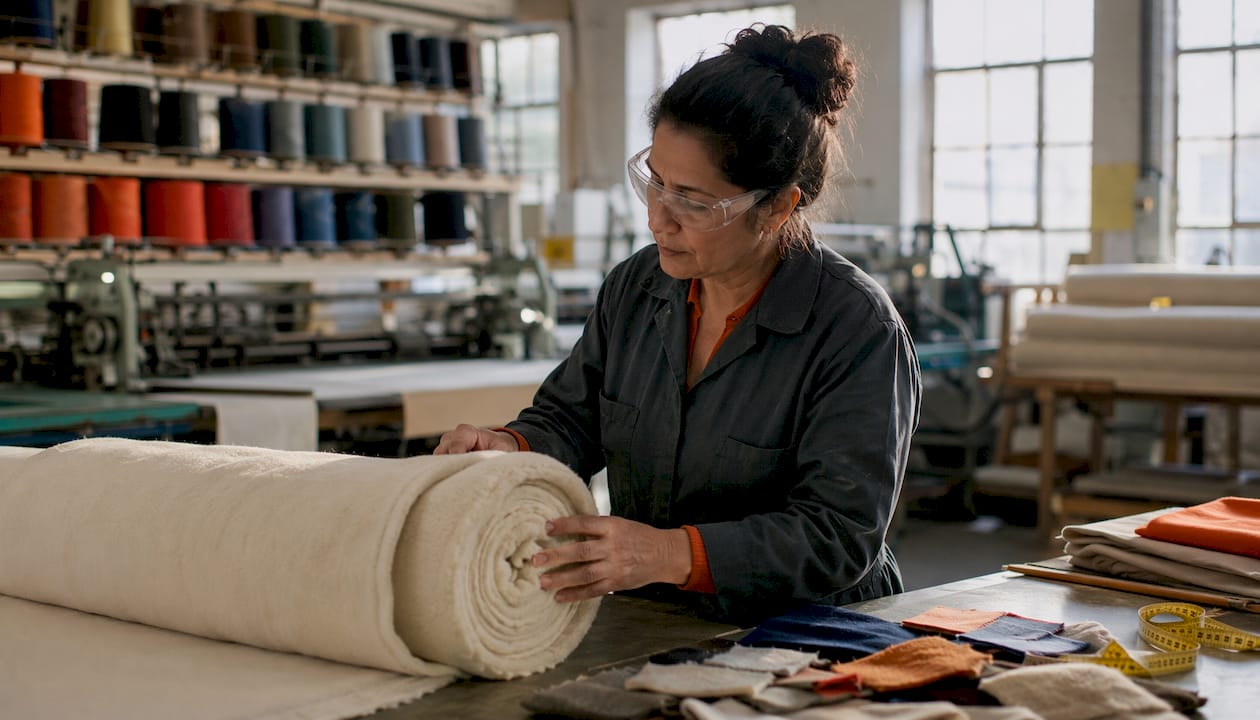
Fleece is a synthetic fabric made primarily from polyester fibers, engineered to trap body heat through a raised, brushed surface that creates millions of tiny air pockets. It mimics wool’s warmth without the weight, itchiness, or slow drying time. Most fleece you encounter today is knitted, not woven, which gives it a natural stretch and a soft, fuzzy texture on one or both sides.
Here is what defines fleece at a glance:
Polyester is the backbone of most fleece. The fiber starts as petroleum-derived plastic, extruded into fine filaments and spun into yarn. From there, the yarn goes onto a circular knitting machine in a terry knit configuration, where loops are interlooped to build the fabric’s base structure. That base is then run through a mechanical brushing process called napping, which breaks the yarn loops and lifts the fibers into a soft, dense pile. That pile is what gives fleece its characteristic fuzziness and its ability to trap warm air close to your skin.
Cotton-blend fleece follows a different path. Instead of pure polyester, it combines cotton with a synthetic fiber, usually polyester or spandex, to create a fabric that feels softer against bare skin but behaves quite differently in performance terms. Cotton fleece retains moisture longer and loses heat faster than its polyester counterpart, which matters a lot if you are hiking in the rain versus lounging at home.
Key production steps for synthetic polyester fleece:
Pro Tip: Check the fabric label before buying. “100% polyester fleece” performs better in wet or cold outdoor conditions, while “cotton-blend fleece” is the better pick for everyday comfort and breathability in mild weather.
Fleece earns its place in outerwear and activewear because of a specific combination of properties that few other fabrics match at the same price point. The brushed pile traps air, and air is an excellent insulator. That is the same principle behind wool, but fleece does it with far less weight and without the scratchy feel.

Fleece holds less than 1% of its weight in water, making it highly hydrophobic compared to cotton or wool. Moisture moves through the pile rather than soaking in, which is why a fleece mid-layer keeps you warm even when you are sweating. The catch: once fleece becomes fully saturated, those air pockets fill with water and insulation drops sharply. Fleece is not waterproof or windproof on its own without a membrane or coating.
Core properties at a glance:
Cotton-blend fleece is more porous and breathable in mild conditions, but it absorbs and holds moisture, making it a poor choice for high-output outdoor activities where staying dry matters.
Fleece is a family of fabrics, not a single material. Each type has a distinct texture, weight, and best use case.
The type you need depends almost entirely on what you are making or buying it for. Polar Fleece for a hiking jacket, Sherpa for a cozy blanket, Microfleece for a running base layer.
Fleece shows up across a wide range of products, from technical outdoor gear to everyday home items. Its versatility comes from the fact that different weights and constructions can be tuned for very different end uses.
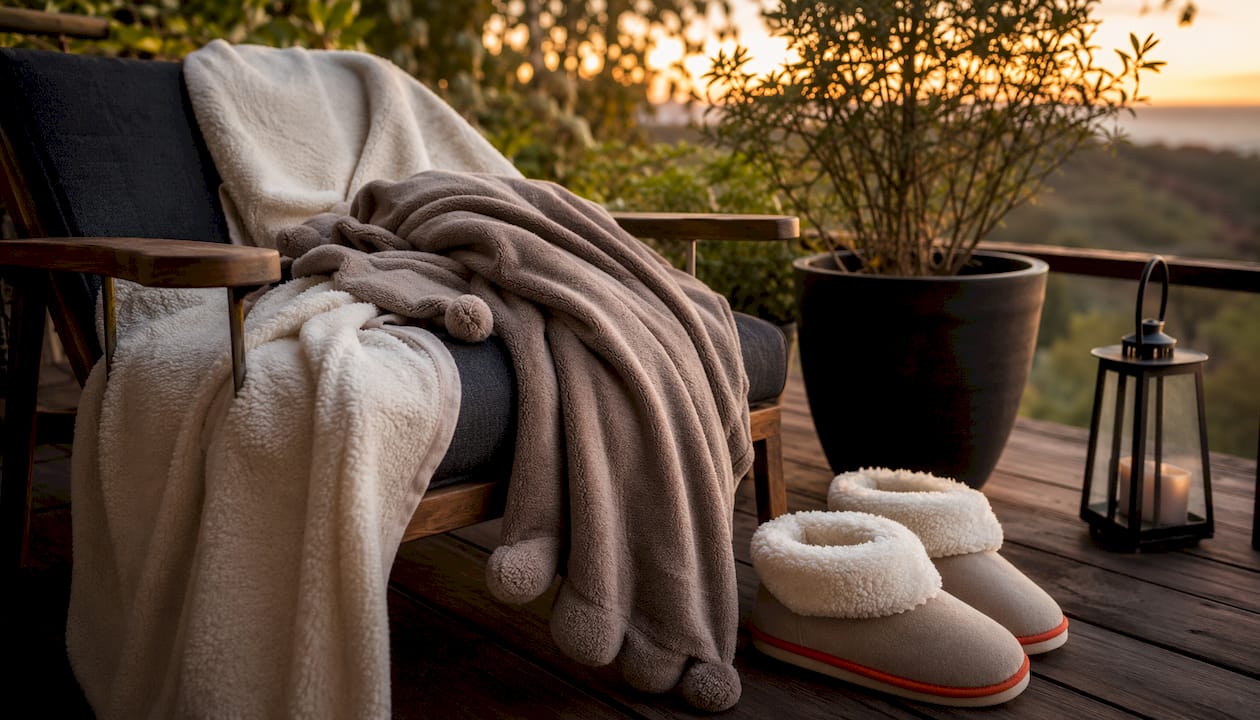
Polar fleece garments include jackets, hats, sweaters, sweatpants, hoodies, pajamas, gym clothes, and high-performance outdoor clothing. Beyond apparel, fleece is a go-to for blankets and throws, where its softness and warmth make it an obvious choice. You will also find it in cloth diapers, pet beds, and craft projects.
Common applications by category:
If you are shopping for apparel fabric types and want to understand how fleece fits alongside other textile options, the weight and construction of the fleece matters as much as the fiber content.
Fleece is easy to care for, but a few habits will keep it performing well for years. The pile is the most vulnerable part. Harsh washing conditions mat the fibers down, and fabric softeners coat them in a way that reduces moisture-wicking performance.
Proper care means washing in cold water on a gentle cycle, skipping fabric softener entirely, and either tumble drying on low heat or air drying flat. High heat is the fastest way to damage the pile and cause pilling.
Practical care checklist:
Fleece weight, measured in grams per square meter (GSM), is the single most useful spec for choosing the right fleece for a given activity. Weight categories range from less than 100 GSM (Microfleece), 100-weight, 200-weight, to above 300 GSM (Heavyweight) for maximum insulation in static cold-weather conditions. Heavier fleece is warmer but less breathable. Lighter fleece breathes better but provides less insulation on its own. Understanding this trade-off is the key to picking the right fabric weight for your project or purchase.
Microfiber shedding is the main environmental concern with synthetic fleece. Every wash cycle releases tiny polyester fibers that pass through most wastewater treatment systems and end up in waterways. Polartec’s Shed Less Technology addresses this directly, and other advanced fleece brands use specialized finishes with similar goals. Using a mesh laundry bag and washing less frequently also reduces shedding meaningfully.
Key guidance on weights and sustainability:
Fleece is a polyester-based knitted fabric whose brushed pile traps air for warmth, making it one of the most practical cold-weather materials available at any price point.
| Point | Details |
|---|---|
| Primary material | Most fleece is made from polyester fibers, sometimes blended with cotton or spandex. |
| How warmth works | Mechanical brushing creates a raised pile that traps air pockets, delivering insulation without bulk. |
| Weight determines use | GSM categories range from less than 100 (Microfleece), to above 300 (heavyweight), each suited to different activity levels. |
| Cotton-blend behaves differently | Cotton-blend fleece retains moisture and loses heat faster, making it better for casual wear than outdoor performance. |
| Care preserves performance | Cold water, no fabric softener, and low heat drying protect the pile and maintain moisture-wicking ability. |