

 US Dollar

What Fabric Is Flannel? A Clear Guide to Its Feel and Uses
Posted by BLG on 2026 Jul 4th
Posted by BLG on 2026 Jul 4th

TL;DR:
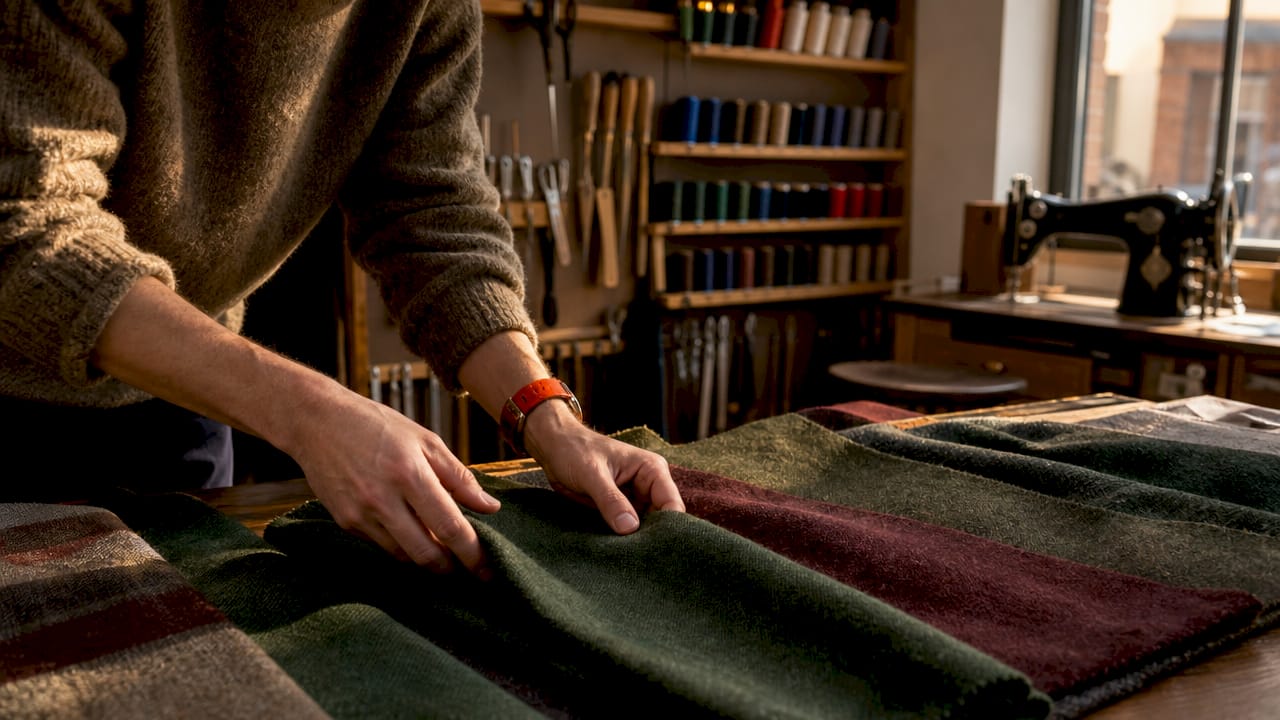
- Flannel is a woven fabric made soft and fuzzy by a mechanical napping process. Its defining feature is the finishing method, not the fiber content, and it can be made from wool, cotton, or synthetic blends. Flannel is popular for warm clothing, bedding, and quilts due to its weight and softness.
Flannel is defined as a woven fabric with a napped surface, meaning its fibers are mechanically brushed to create the soft, fuzzy texture it is known for. What fabric is flannel comes down to one key fact: flannel is identified by its finishing process, not its fiber content. Cotton, wool, and synthetic blends can all become flannel once they go through napping. Standard flannel weighs between 150–300 GSM, placing it firmly in the medium to heavy fabric category. That weight range explains why flannel works so well for cold-weather clothing, bedding, and quilts.
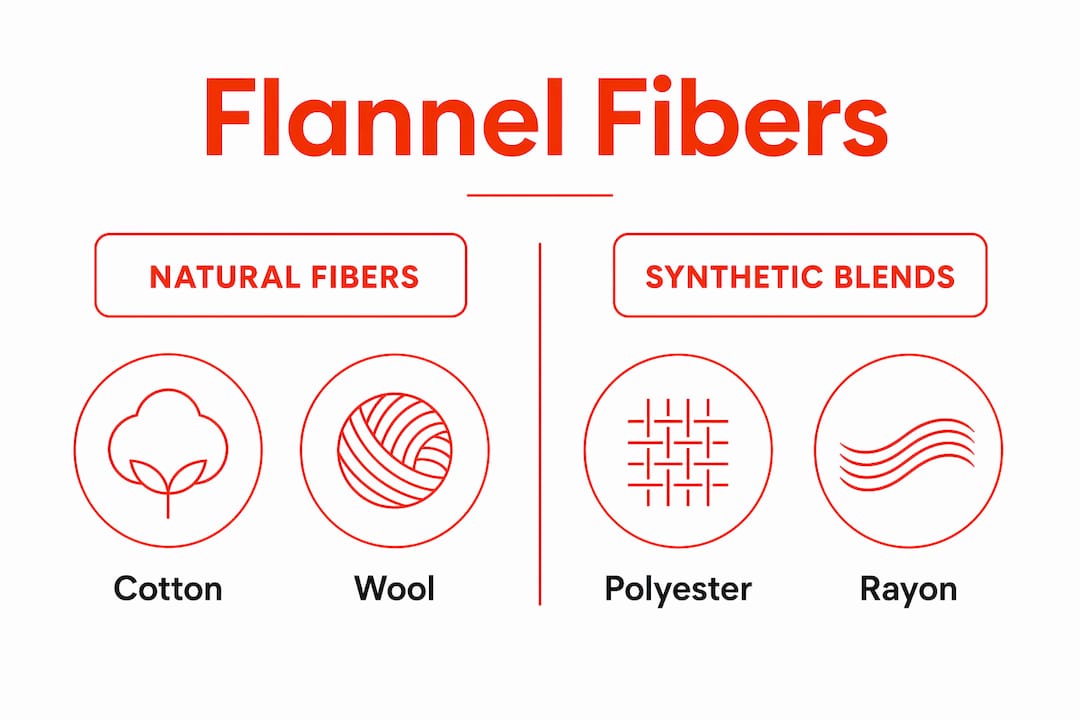
Flannel is not tied to a single fiber. Cotton, wool, and synthetic blends are all used to produce flannel, and each brings different qualities to the finished cloth.
Wool was the original flannel fiber, used for centuries in Wales before the fabric spread across Europe. Wool flannel holds warmth exceptionally well and drapes with a structured weight that suits tailored trousers and blazers. Cotton took over as the dominant modern fiber because it is breathable, easy to wash, and takes dye well. Cotton flannel is the most common type found at fabric stores today, used widely for pajamas, quilting, and casual shirts. Polyester and polyester-cotton blends are also used, especially when cost and wrinkle resistance matter more than natural breathability.
The weave structure underneath the nap matters too. Flannel uses one of two weave types:
The fiber and weave together determine how the finished flannel performs. A wool twill flannel feels heavier and more structured than a cotton plain weave flannel. Understanding this helps you pick the right flannel for the right project.
| Fiber Type | Common Uses | Key Quality |
|---|---|---|
| Wool | Tailored trousers, blazers, suits | Warmth, structure, drape |
| Cotton | Pajamas, quilts, casual shirts | Breathable, easy care, dye-friendly |
| Polyester blend | Budget apparel, activewear lining | Wrinkle resistant, low cost |
Pro Tip: When buying flannel for quilting, choose 100% cotton flannel. It shrinks predictably, presses flat, and bonds well with other cotton layers.
Napping is the finishing process that separates flannel from every other woven fabric. Without it, a cotton twill is just cotton twill. With it, that same cloth becomes flannel.
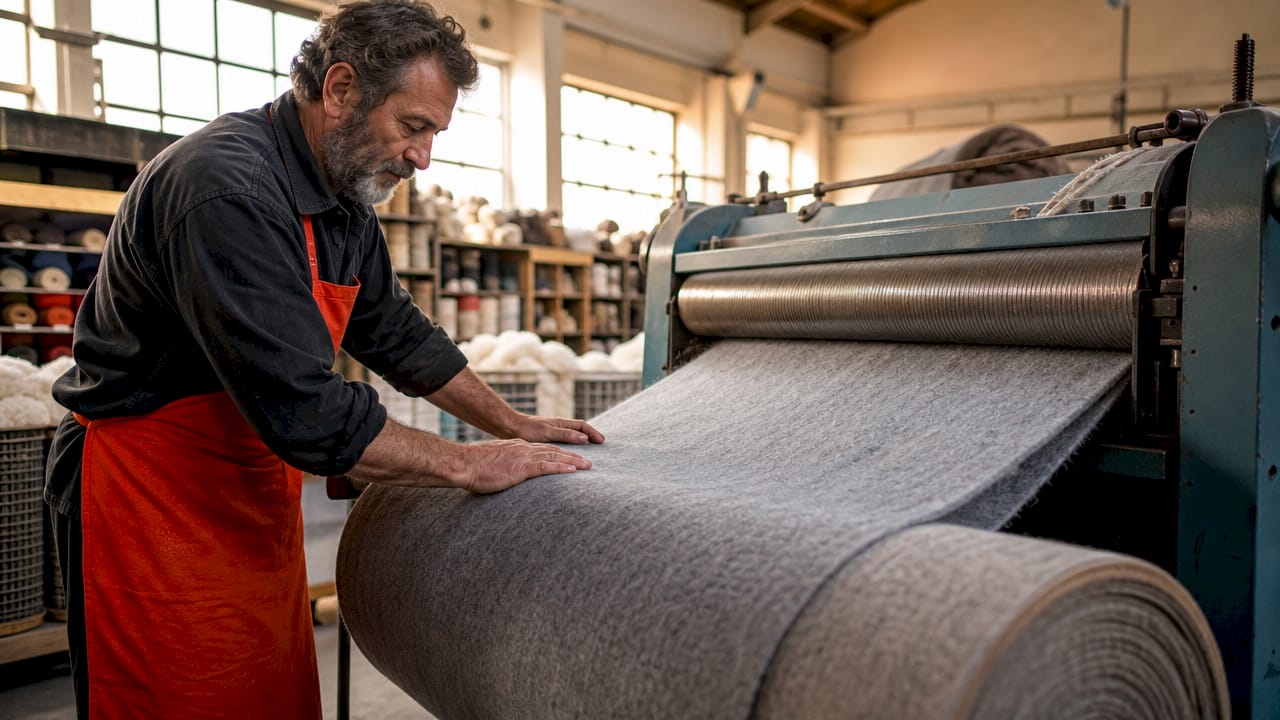
The process works by running the woven fabric against wire-covered rollers or brushes that catch and lift the fiber ends from the surface. This creates the raised, fuzzy pile that gives flannel its warmth and softness. The napping process can be applied to one side of the fabric or both sides, which produces two distinct types of flannel.
Single-napped flannel is brushed on one side only. The face is soft and fuzzy while the back remains relatively smooth. This type is lighter, easier to sew, and works well for shirts and lighter bedding. Double-napped flannel is brushed on both sides, making it noticeably softer, warmer, and heavier. The trade-off is that double-napped flannel is harder to sew because the raised fibers on both layers grip each other during machine stitching, causing the fabric to shift.
Flannel and fleece are frequently confused, but they are structurally different fabrics. Fleece is a knit fabric with a pile surface, which makes it stretchier and lighter than flannel. Flannel is woven, which gives it a denser drape and less stretch. Fleece traps warmth through its pile structure, while flannel traps warmth through its napped fiber layer and fabric weight.
Brushed cotton is another source of confusion. Brushed cotton goes through a similar brushing process, but the result is lighter and less defined than true flannel. Flannelette is a related term that specifically refers to a lighter, single-napped cotton fabric, typically weighing 120–180 GSM. It is not the same as flannel, even though the names sound nearly identical.
| Fabric | Construction | Weight | Stretch | Best Use |
|---|---|---|---|---|
| Flannel | Woven, napped | 150–300 GSM | Minimal | Shirts, bedding, quilts |
| Fleece | Knit, pile surface | Varies, often lighter | Moderate | Outerwear, blankets |
| Flannelette | Woven, single-napped | 120–180 GSM | Minimal | Baby clothes, light pajamas |
Pro Tip: Run your hand across both sides of the fabric before buying. If both sides feel equally soft and fuzzy, you have double-napped flannel. If one side is smoother, it is single-napped.
Plaid is a pattern, not a fabric. The plaid-flannel association was cemented culturally by the 1990s grunge movement, when plaid flannel shirts became a defining symbol of the era. That cultural moment created a lasting misconception that plaid and flannel are the same thing. They are not.
Flannel describes how a fabric is made. Plaid describes how it is printed or woven in a pattern of crossing horizontal and vertical stripes. A flannel shirt can be solid navy, striped, or plaid. A plaid shirt can be made from flannel, cotton poplin, or polyester. The pattern and the fabric are completely independent of each other.
This matters when you shop for fabric. Searching for “plaid fabric” will return results in many fiber types and constructions. Searching for “flannel fabric” should return results defined by their napped surface, regardless of pattern. Knowing the difference saves you from buying a stiff plaid cotton when you wanted the soft warmth of true flannel.
A few practical ways to tell flannel from non-flannel plaid at a store or online:
Flannel performs best in applications where warmth, softness, and comfort are the priority. Its most common uses include:
Cotton flannel is easy to care for, but a few habits protect its softness over time. Wash flannel in cold or warm water, not hot. Hot water accelerates shrinkage and can mat the napped surface. Tumble dry on low heat and remove the fabric while it is still slightly damp to prevent over-drying, which stiffens the fibers. Avoid fabric softener with flannel. It coats the fibers and reduces the natural softness that napping creates.
Wool flannel requires more care. Dry cleaning is the safest option for tailored wool flannel garments. If hand washing, use cold water and a wool-safe detergent, then lay flat to dry. Never wring wool flannel. The fibers felt and distort under pressure.
Pro Tip: Wash new flannel fabric before cutting and sewing. Cotton flannel shrinks, sometimes significantly, on the first wash. Pre-washing prevents your finished garment or quilt from distorting after the first laundry cycle.
Flannel is a woven fabric defined entirely by its napping finish, not its fiber content, and that distinction determines everything from its warmth and softness to how you sew and care for it.
| Point | Details |
|---|---|
| Flannel is defined by napping | The mechanical brushing process, not the fiber, is what makes a fabric flannel. |
| Fiber choice changes performance | Wool flannel suits tailored garments; cotton flannel works best for bedding and casual wear. |
| Plaid is a pattern, not a fabric | Flannel can be solid, striped, or plaid; the two terms describe different things entirely. |
| Double-napped flannel needs extra care | Use more pins or a walking foot when sewing double-napped flannel to prevent layer shifting. |
| Flannelette is lighter and cheaper | At 120–180 GSM, flannelette is the right choice for baby clothes and lightweight pajamas. |
Flannel gets dismissed as a cold-weather basic, but that reading undersells it. The napping process is genuinely sophisticated. The fact that the same finishing technique can transform wool into a tailored suiting fabric and cotton into a baby blanket tells you something real about how textile finishing shapes end use, not just fiber selection.
What I find most interesting is how many people buy “flannel” and receive something closer to brushed cotton or flannelette without realizing it. The weight difference is the fastest tell. If a fabric labeled flannel feels thin or lightweight, check the GSM. True flannel sits at 150 GSM at minimum. Anything lighter is probably flannelette, which is fine for its intended uses but will not perform the same way in a quilt or a winter shirt.
The sewing side of flannel also gets underestimated. Double-napped flannel is genuinely tricky. The gripping behavior between layers is not something you can muscle through with extra tension on your machine. A walking foot solves the problem immediately, and I would not attempt a flannel quilt or pajama set without one. That single tool changes the experience from frustrating to straightforward.
Flannel’s enduring appeal comes down to one thing: it delivers comfort that synthetic alternatives still struggle to replicate at the same price point. For quilters, sewers, and anyone buying fabric for home use, understanding what flannel actually is makes every purchase decision sharper.
— kev
Fabric-fabric carries a wide selection of fabrics suited to every project, from quilting cotton to home decor textiles built for durability and style.
Whether you are sourcing material for a cozy quilt, a set of winter pajamas, or a home decor refresh, the backdrop fabrics collection at Fabric-fabric offers quality options across a range of weights and finishes. For readers focused on interior projects, the home decor fabric selection covers everything from upholstery-weight textiles to lighter decorative choices. Fabric-fabric ships across the US with free shipping thresholds and seasonal discounts that make stocking up on quality fabric straightforward.
Flannel can be made from wool, cotton, or synthetic blends. Cotton is the most common modern fiber, used widely for pajamas, bedding, and quilting.
Flannel has a soft, fuzzy surface on one or both sides created by mechanical brushing. It has a matte appearance and a slightly raised texture that distinguishes it from smooth woven fabrics.
Flannel and fleece are different fabrics. Flannel is woven and napped, while fleece is a knit fabric with a pile surface that is lighter and stretchier than flannel.
Flannelette is a lighter, single-napped cotton fabric weighing 120–180 GSM, commonly used for baby clothes and light pajamas. Standard flannel is heavier, ranging from 150–300 GSM, and is often double-napped.
Wash cotton flannel in cold or warm water and tumble dry on low heat. Wool flannel is best dry cleaned or hand washed in cold water and laid flat to dry.