

 US Dollar

Top Textiles for Fashion: 2026 Designer's Guide
Posted by BLG on 2026 Jun 12th
Posted by BLG on 2026 Jun 12th

TL;DR:
- In 2026, top textiles combine performance, sustainability, and design versatility, shaping innovative collections. Natural fibers like cotton, linen, wool, and silk lead with advanced processing and eco-certifications, while bio-based synthetics close performance gaps sustainably. Performance finishes, innovative constructions, and circular practices further drive the evolution toward functional, eco-conscious fashion systems.
The top textiles for fashion in 2026 are defined by three non-negotiable qualities: performance, sustainability, and design versatility. Cotton Incorporated’s FABRICAST™ 2026 collection and Hyosung TNC’s bio-based spandex program signal that the industry has moved past single-fiber thinking. Today’s best fabric types for clothing combine advanced yarn engineering, responsible sourcing, and functional finishes that hold up through real wear and repeated laundering. Whether you design activewear or eveningwear, the materials you choose now will define your collection’s performance and market position.
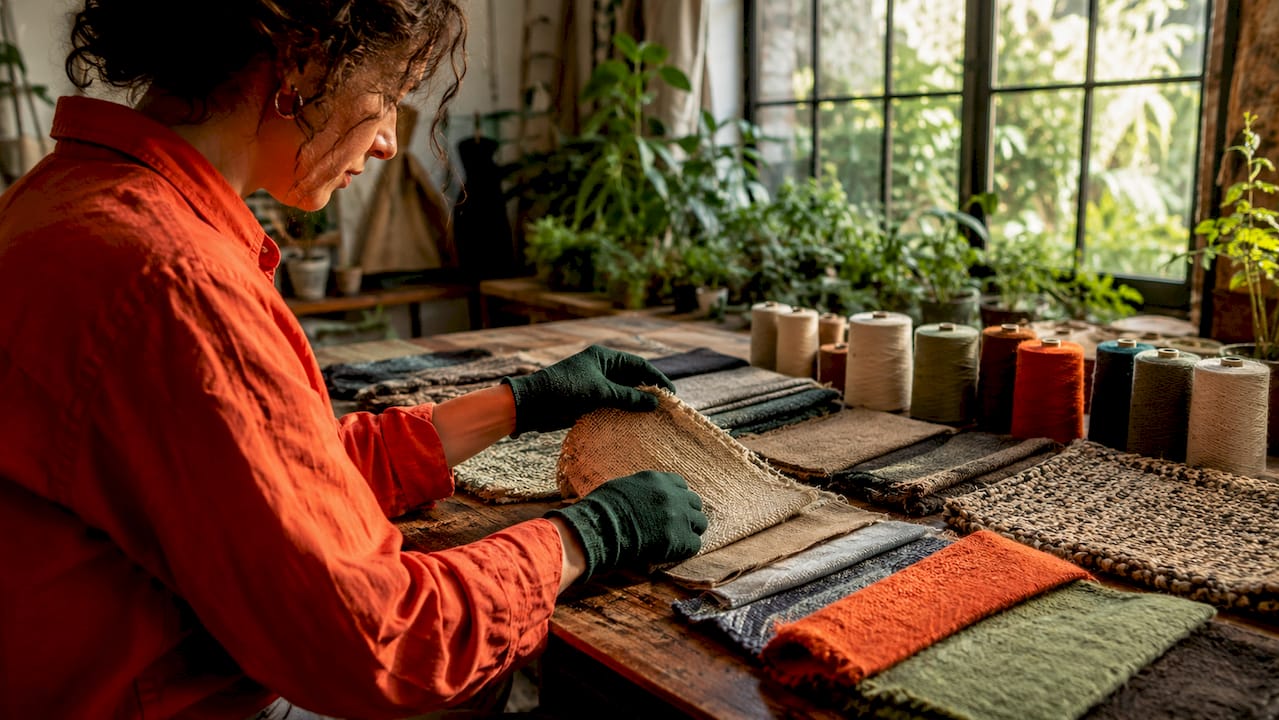
Cotton remains the most widely used fiber in global apparel, and 2026 innovations are making it more competitive than ever. The FABRICAST™ 2026 collection demonstrates that cotton’s potential expands dramatically when paired with novel yarn structures and modern weave engineering. Two-tone patterning achieved through knit and woven processing gives cotton fabrics a visual depth that previously required synthetic blends. For designers, this means cotton can now deliver texture and dimension without sacrificing breathability or washability.
Sustainable sourcing is no longer optional for cotton. Certifications like GOTS (Global Organic Textile Standard) and BCI (Better Cotton Initiative) are now baseline expectations from buyers at retailers including H&M and Zara. Cotton’s natural moisture management and skin compatibility make it the default choice for everyday garments, from structured shirting to casual knitwear.
Pro Tip: Blending cotton with linen at a 70/30 ratio produces a fabric that combines cotton’s softness with linen’s natural texture and faster drying time, making it ideal for resort and transitional collections.
Linen is the fastest-drying natural fiber available to designers, and its tensile strength exceeds cotton by a measurable margin. European flax linen, sourced primarily from France, Belgium, and the Netherlands, carries a lower water footprint than cotton and requires no irrigation in most growing regions. These qualities make linen one of the most credible sustainable textiles for apparel in 2026.
Modern linen processing has eliminated the stiffness that once limited its use. Enzyme washing and mechanical softening now produce linen fabrics with a drape comparable to medium-weight rayon. Designers at brands like Loro Piana and Eileen Fisher have built entire seasonal collections around linen precisely because it photographs well, ages gracefully, and resonates with sustainability-conscious consumers.
Wool is the only natural fiber with built-in thermoregulation, and that single property makes it one of the most technically capable luxury materials for fashion. Merino wool, sourced from Australia and New Zealand, delivers this performance at a micron count fine enough for next-to-skin wear. Brands like Icebreaker and Smartwool have proven that merino works as well in activewear as it does in tailoring.
Wool’s natural crimp creates air pockets that insulate in cold and vent in heat, a property that ISO 9237 air permeability testing can quantify objectively. This matters when you are specifying fabrics for technical outerwear or performance suiting. Wool also resists odor naturally, reducing wash frequency and extending garment life.
Silk sets the standard against which every other fabric’s drape is measured. Produced by Bombyx mori silkworms fed on mulberry leaves, silk’s triangular fiber cross-section reflects light in a way no synthetic has fully replicated. Charmeuse, crepe de chine, and habotai are the three silk constructions most commonly used in fashion, each offering a distinct weight and surface character.
Peace silk and Ahimsa silk, which allow the silkworm to complete its life cycle before harvesting, are gaining traction among designers who want the material’s performance without the ethical compromise. Brands including Stella McCartney have committed to alternative silk sourcing as part of broader material ethics programs. For high-end eveningwear and bridal collections, silk remains the reference point for quality.
Functional finishes are among the leading 2026 fabric developments, covering thermoregulating knits, windproofing, and water repellency. These finishes transform base fabrics into multi-functional materials without changing their hand feel or visual character. The distinction between a fashion fabric and a performance fabric is increasingly a matter of finishing chemistry rather than fiber content.
Key performance finish categories worth understanding:
PFAS-free finishes are gaining traction for everyday water repellency but still lag behind fluorinated benchmarks in oil resistance and long-term durability. Designers should test these finishes against their specific use case before committing to production.
Pro Tip: Request wash durability data from your supplier before specifying any performance finish. A finish that degrades after 10 washes is a liability in a garment rated for 50. Ask for results against AATCC TM135 or ISO 6330 wash protocols.
Hyosung TNC is investing $1 billion to build a fully integrated bio-based spandex supply chain from sugarcane to finished fiber. Their regen™ BIO spandex delivers stretch and recovery that matches conventional petroleum-based spandex, which means designers do not have to accept a performance trade-off to choose the sustainable option. This development is particularly significant for activewear, swimwear, and any fitted garment that depends on elastic recovery.
Beyond bio-spandex, the synthetic category includes materials worth knowing:
Bio-based spandex production depends on integrated supply chains, meaning sustainability is as much about industrial capacity as material choice. Designers sourcing these fibers should verify supply chain depth with their mill partners before scaling.
The FABRICAST™ 2026 collection treats textile performance as a system: fiber, construction, dyeing, processing, and finishing all interact to shape the final fabric’s character. This holistic approach is reshaping how designers specify materials, moving away from fiber-first thinking toward construction-first selection.
| Construction type | Key characteristic | Best application |
|---|---|---|
| Jacquard wovens | Intricate patterns woven directly into structure | Suiting, eveningwear, statement pieces |
| Double cloth | Two fabric layers woven simultaneously, reversible | Outerwear, structured coats |
| Flat knits with stretch yarns | Cotton-based stretch, dimensional texture | Knitwear, casual separates |
| Novelty yarns (slub, bouclé) | Irregular texture and visual interest | Sweaters, textured tops |
| Two-tone woven processing | Color depth without printing | Shirting, tailored trousers |
Sweater knit digital prints are one of the most discussed construction techniques in 2026 trend reports. Printing onto knit structures rather than woven grounds creates a softer, more dimensional result that reads differently on the body. For designers working on contemporary or streetwear collections, this technique offers a way to add graphic interest without the rigidity of traditional printed wovens.
Coats’ textile-to-textile sewing threads, including T2T Epic™ and T2T Gramax™, are made from chemically recycled textile waste and support closed-loop production without sacrificing seam durability. This matters because sewing thread is often overlooked in sustainability audits, yet it determines whether a garment can be recycled at end of life. If thread and fabric cannot be separated or processed together, the garment becomes landfill.
Sustainable textile selection involves more than fiber origin. Consider these factors:
Pro Tip: When evaluating sustainable textiles, check whether care labels account for the full garment including trims and hardware. A compliance-ready care label that reflects actual fiber content and finish requirements protects you from regulatory issues in the US, EU, and UK markets.
Choosing sustainable fabric options does not require accepting lower performance. The best sustainable textiles in 2026 match or exceed conventional alternatives in durability, hand feel, and design flexibility.
The top textiles for fashion in 2026 combine natural fiber quality, bio-based innovation, and performance finishing into material systems that serve both design and sustainability goals.
| Point | Details |
|---|---|
| Natural fibers lead in versatility | Cotton, linen, wool, and silk each offer distinct performance profiles suited to different garment categories. |
| Bio-based synthetics close the gap | Hyosung TNC’s regen™ BIO spandex matches conventional stretch performance while reducing petroleum dependence. |
| Performance finishes require testing | PFAS-free DWR coatings work for everyday use but need wash durability validation before production commitment. |
| Construction shapes character | Jacquards, double cloths, and flat knits with stretch yarns add texture and function beyond what fiber alone delivers. |
| Circularity starts at the thread | Coats’ T2T threads enable closed-loop recycling, making sustainable sewing solutions a production-level decision. |
The conversation around top textiles for apparel design has shifted in a way that most trend reports still understate. Five years ago, sustainability was a marketing layer applied after the design decision. Now, the most forward-thinking designers I follow are starting with material systems and building the collection outward from there. That is a fundamental reversal, and it produces better garments.
What I find genuinely interesting about 2026 is the convergence happening between performance wear and ready-to-wear. Bio-based spandex, thermoregulating finishes, and high-performance fabric constructions are no longer confined to athletic brands. They are showing up in tailoring, in knitwear, in occasion wear. The consumer who wants a blazer that manages heat and resists light rain is not a niche customer anymore.
My practical advice: do not treat fabric selection as a sourcing task. Treat it as a design decision that happens before sketching. The fabric’s construction, finish, and fiber content will determine what the garment can do, how it photographs, and whether it survives the wash cycle your customer will actually use. Validate with dimensional stability testing using AATCC TM135 or ISO 6330 before you commit to production quantities. That single step eliminates most of the expensive surprises that happen after a collection launches.
The supply chain reality is also worth stating plainly. Bio-based and recycled materials are not universally available at scale yet. Build relationships with mills early, communicate your volume expectations honestly, and give yourself lead time that accounts for supply chain depth. The designers who will benefit most from these innovations are the ones who start those conversations now.
— kev
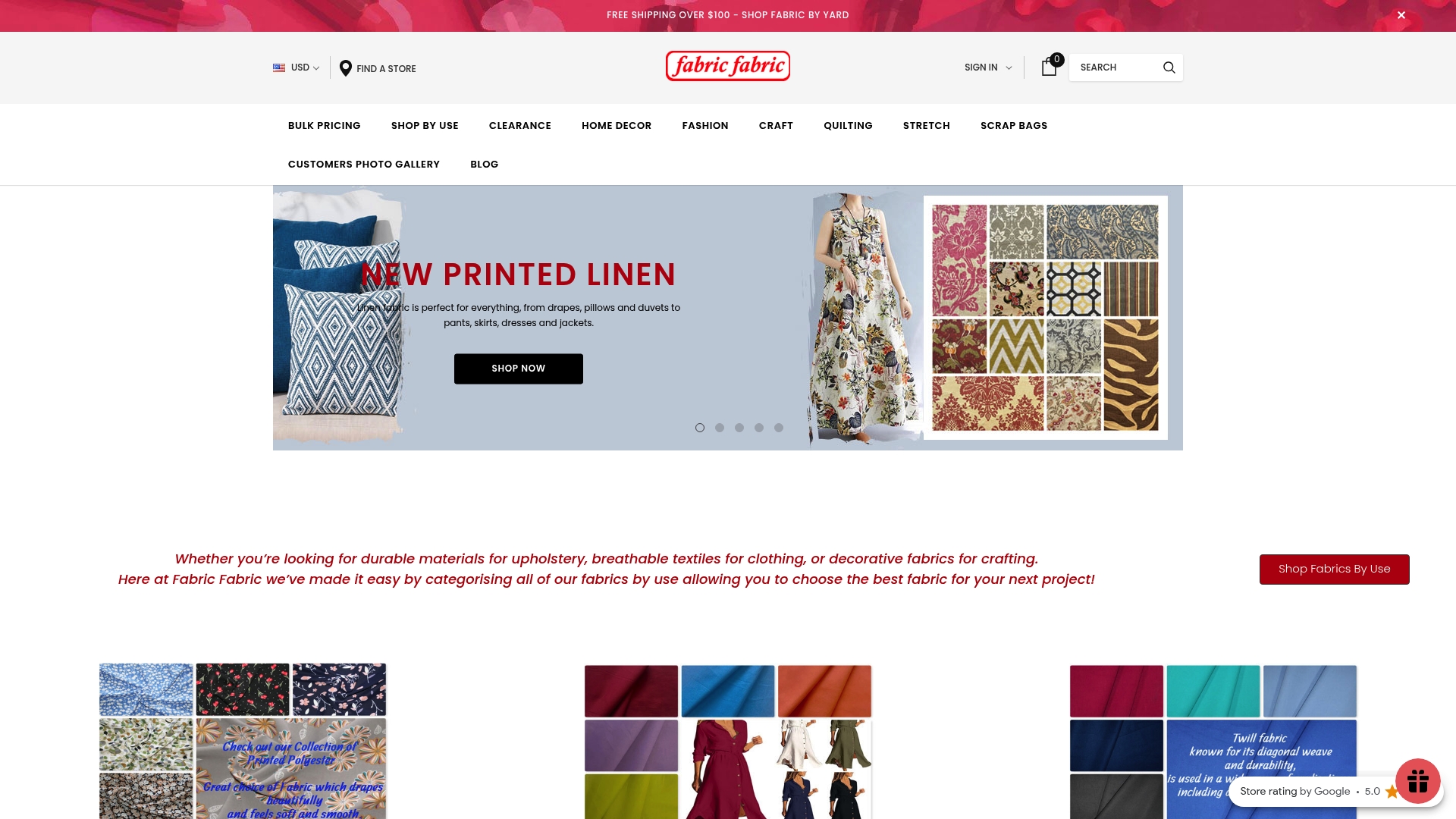
Fabric-fabric carries a curated selection of fashion-grade textiles spanning cotton, linen, satin, velvet, lace, and specialty fabrics suited to both professional designers and serious hobbyists. Whether you are sourcing for a structured outerwear collection or a fluid eveningwear line, the backdrop fabrics collection offers high-quality options with clear descriptions, usage guidance, and competitive pricing. Fabric-fabric also stocks fabrics organized by end use, making it straightforward to find materials matched to your specific garment category. Browse the full range and take advantage of current promotions including free shipping thresholds and seasonal discounts on popular textiles.
Cotton, linen, and modal are the most practical choices for everyday garments because they combine breathability, washability, and comfort. Cotton remains the most widely used fiber globally due to its versatility across garment categories.
PFAS-free repellency performs well for light rain and everyday water exposure but still trails fluorinated coatings in oil resistance and long-term durability. Designers should test wash durability before specifying these finishes for technical outerwear.
Bio-based spandex, such as Hyosung TNC’s regen™ BIO, is derived from sugarcane rather than petroleum and delivers equivalent stretch and recovery performance. The key difference is environmental: it reduces fossil fuel dependence without requiring a performance trade-off.
Jacquard wovens, double cloths, and novelty yarn knits (including bouclé and slub) deliver the strongest textural impact. The FABRICAST™ 2026 collection highlights two-tone woven processing as a particularly versatile technique for adding depth to shirting and tailored pieces.
Run dimensional stability tests using AATCC TM135 or ISO 6330 protocols to confirm how the fabric behaves after laundering. For breathability, ISO 9237 air permeability testing provides an objective benchmark that goes beyond subjective hand feel.