

 US Dollar

Role of Trims in Upholstery: Elevating Interior Design
Posted by BLG on 2026 Feb 27th
Posted by BLG on 2026 Feb 27th
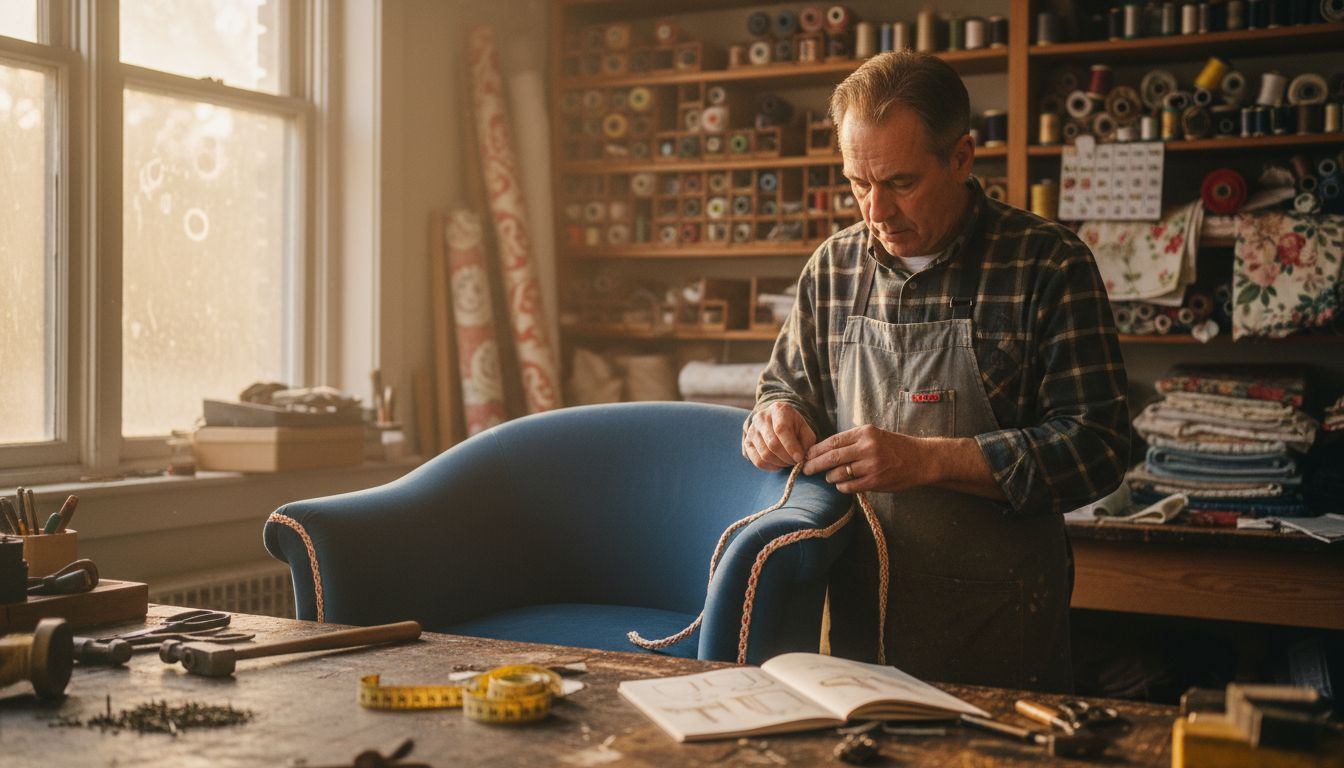
Finding the perfect finishing touch for upholstered furniture is a challenge every designer faces. Trims transform basic seating into pieces with character and refinement, working at the intersection of craftsmanship and innovation. For North American interior designers aiming to balance form and function, understanding the distinct roles of decorative and functional trim materials opens new possibilities for style and durability. This guide reveals how to thoughtfully use trims to bring cohesion, structure, and artistry to your next upholstery project.
| Point | Details |
|---|---|
| Importance of Trims | Trims enhance both the visual appeal and durability of upholstered furniture, serving both decorative and functional purposes. |
| Selection Process | Choosing the right trim involves considering the fabric’s weight, intended use, and the cohesive design aesthetic. |
| Common Mistakes | Avoid color clashes and scale mismatches; always assess trim options in the client’s actual space under natural lighting. |
| Durability Focus | Select trims that balance aesthetics with durability, considering lifestyle factors like traffic patterns and cleaning needs. |
Trims are the decorative and functional components that transform a standard upholstered piece into something with personality and polish. They sit at the intersection of craftsmanship and design, serving purposes that go far beyond simple ornamentation.
At their core, trims consist of a wide range of decorative materials and embellishments used to adorn and finish fabric surfaces. Think ribbons, lace, braids, cords, buttons, and beads—each one chosen specifically for how it complements your upholstery project. But here’s what matters most: these aren’t purely aesthetic choices.
Trims do three critical jobs simultaneously:
When you’re designing an upholstered sofa or chair, the trim becomes the frame that showcases your fabric choice. It’s like the matting around a photograph—essential to the overall composition.
Trims serve both decorative and functional components that improve the piece’s appeal, structure, fit, and durability.
Historically, trims started as purely functional elements. Designers used them to reinforce seams and prevent fraying. Over time, they evolved into status symbols and artistic statements. A sofa trimmed with elaborate gimp or hand-knotted fringe communicated wealth and refined taste.
Today, you have access to trims that blend that historical artistry with contemporary innovation. Whether you’re designing a mid-century modern chair or a traditional sectional, the right trim selection bridges craftsmanship with your specific design vision.
Your fabric supplier likely offers several categories:
When considering decorative trim ideas for your projects, you’re really making decisions about the mood and formality of your design.
As an interior designer, you understand that trims aren’t afterthoughts. They’re integral design decisions made alongside fabric selection and color palettes. The proportion of trim to fabric, its placement, and its visual weight all influence how your upholstered piece functions within a room.
A subtle tape trim conveys elegance and restraint. A bold, contrasting gimp creates drama and draws the eye. Your trim choice communicates the sophistication level of the entire design.
Pro tip: Sample trim colors directly against your chosen upholstery fabric in the actual lighting of your client’s space—colors shift dramatically under different light, and what matches in the showroom might clash in their living room.
Trims aren’t one-size-fits-all. Each type serves distinct purposes and brings different visual qualities to your upholstered designs. Understanding the differences helps you make informed choices that match both the aesthetic you’re creating and the functional demands of the piece.
Upholstery trimmings fall into three main groups: fringe, cording, and braid. Each category addresses different design needs and contributes unique characteristics to your finished furniture.
You’ll layer these choices together on a single piece. A sofa might use cording on seams, braid along the bottom edge, and fringe at the hem—each doing its job without competing visually.
Fringe adds texture, softness, and visual interest to upholstered pieces. It’s the trim that catches light and creates movement, even when furniture sits still. Styles range from simple bullion fringe to elaborate loop and tassel combinations.
Fringe works best on:
The downside? Fringe collects dust and requires regular maintenance. Clients with pets or allergies might prefer alternative trims.
Cording provides edge detailing and helps conceal raw seams where fabric pieces meet. Piping is cording wrapped in fabric, creating a finished look that’s both functional and refined. These trims prevent fraying and protect against wear at stress points.
Use cording to:
Cording works on contemporary, traditional, and transitional styles without looking dated.
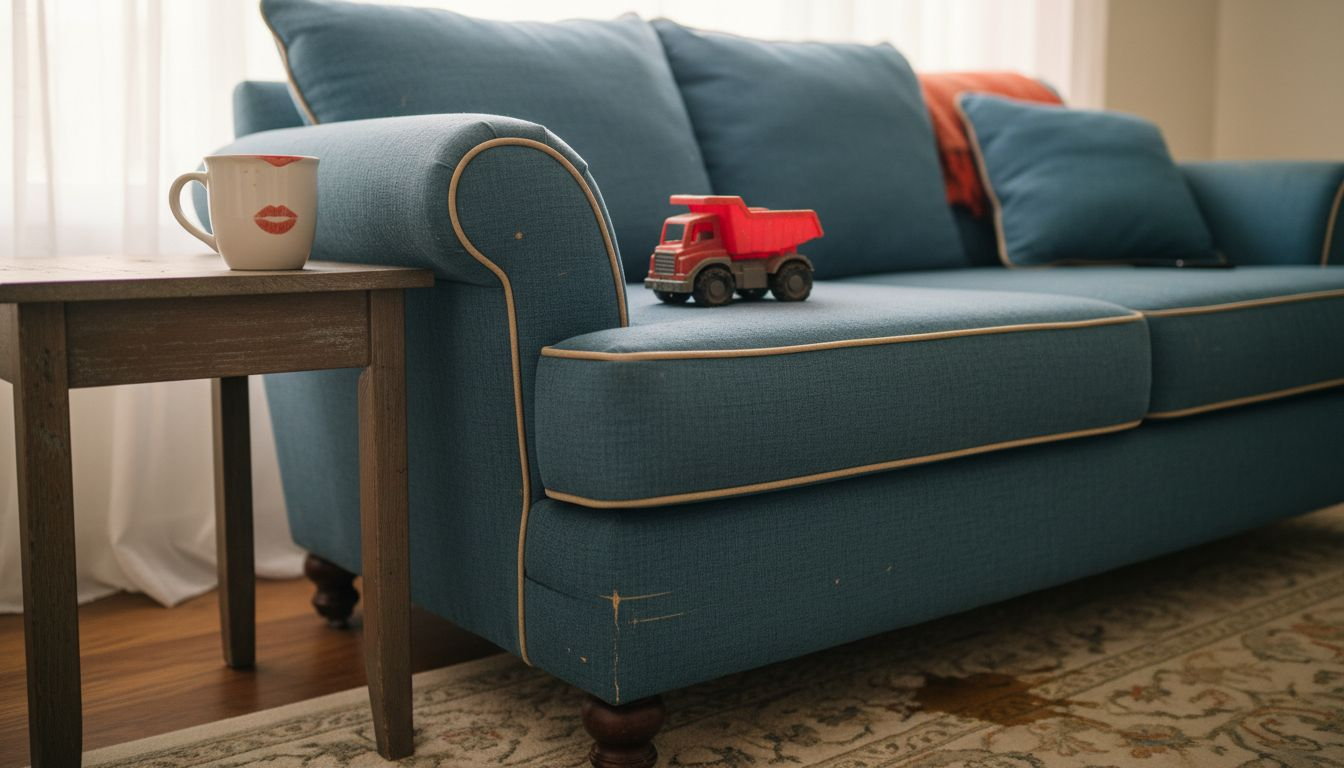
Braids offer intricate surface embellishment and come in countless patterns, widths, and fiber compositions. They sit flat against the fabric surface, creating visual interest without adding bulk. Braids can be simple single-color statements or complex multi-colored patterns.
Braid applications include:
Braids work especially well on traditional and eclectic designs where pattern play reads as intentional.
Beyond the three core types, you have options:
Here is a comparison of common upholstery trim types by aesthetic, function, and maintenance needs:
| Trim Type | Visual Effect | Key Functional Use | Maintenance Needs |
|---|---|---|---|
| Fringe | Adds movement and softness | Defines edges, decorates skirts | Regular dusting required |
| Cording/Piping | Clean, defined seams | Protects edges and prevents fraying | Low, easy to clean |
| Braid | Decorative, flat surface detail | Outlines shapes, hides seams | Low, resists wear |
| Tassels | Visual weight and luxury | Accentuates corners or edges | Can tangle, needs care |
| Nailhead | Metallic, structured accents | Reinforces edges, distributes impact | Wipe clean, durable |
Match trim selection to your client’s lifestyle and maintenance expectations—a busy family with kids and pets needs durable, low-maintenance options like cording and braid.
Consider three factors when choosing trim types for a specific project. First, look at the furniture’s intended use and maintenance requirements. Second, evaluate how the trim proportion relates to the furniture scale. Third, assess whether the trim color and texture harmonize with your fabric selection.
A large sectional can handle bold, chunky fringe. A delicate dining chair needs refined, subtle cording. Scale matters more than you’d think.
Pro tip: Order trim samples in the exact quantities you’ll use—a single yard of fringe looks very different wrapped around a pillow than draped on your desk, and lighting affects how colors read against your chosen upholstery fabric.
Trims do more than look good. They’re the bridge between pure aesthetics and practical protection, working simultaneously to define your design vision and extend furniture lifespan. This dual role makes trim selection one of the most strategic decisions in upholstery design.
Every trim choice communicates something about your design aesthetic. A nailhead trim screams contemporary edge or classic sophistication depending on spacing and metal finish. Piping whispers refined elegance. Fringe declares drama and movement.
Trims establish visual hierarchy by:
When a client walks into a room, they might not consciously notice the trim, but they feel its influence on how polished and intentional the space appears.
Here’s what most people miss: trims contribute to an upholstery’s structural integrity. They’re not optional afterthoughts protecting fabric edges from wear. They’re engineered solutions that extend furniture life significantly.
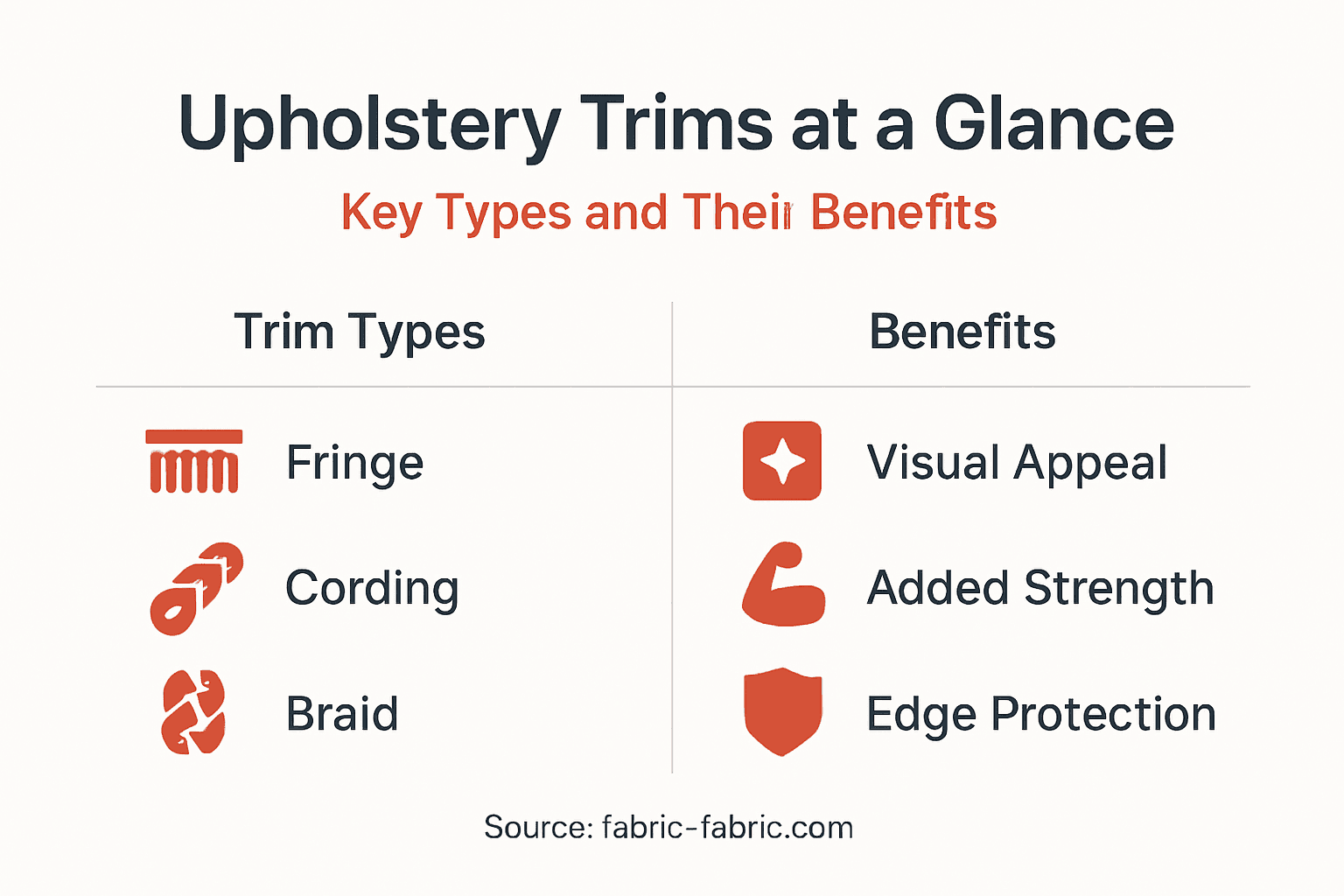
Cording and piping prevent fraying at stress points where cushions meet frames. Nailhead trim distributes weight and impact across a wider surface area. Welting reinforces seams and creates structural definition that prevents sagging.
Without protective trim, upholstery degrades faster because raw edges absorb moisture, attract dirt, and unravel under friction. Trim acts as the furniture’s first line of defense.
Where you place trim matters as much as which trim you choose. High-traffic edges need protective cording. Seams require reinforcement. Visible areas benefit from decorative elements that complement your overall vision.
Consider placement on:
Understanding fabric texture helps you choose complementary trims that enhance rather than compete with your chosen upholstery material.
Not all trims perform equally under wear. Consider your client’s lifestyle when evaluating durability expectations.
High-durability options:
Medium-durability options:
Lower-durability options:
The best trim balances visual impact with the realistic maintenance and durability needs of your specific client and their home.
Your trim choices should feel unified rather than scattered. If you’re using bold nailhead trim on one seam, consider repeating the concept elsewhere. If piping defines cushion edges, use the same piping style consistently across the piece.
This doesn’t mean monotony. It means purposeful repetition that reinforces your design direction while protecting the furniture’s structural integrity.
Pro tip: Specify trim installation details in your design specifications—note whether piping should be on the face edge or hidden seam, how tightly fringe should be attached, and exactly where nailheads should space, because these details dramatically affect both appearance and durability over time.
Choosing the right trim isn’t a one-step process. It requires you to weigh multiple factors simultaneously—fabric compatibility, style goals, durability needs, color coordination, and scale. Getting this right transforms good upholstery into exceptional pieces that clients love for years.
Trims must complement the fabric’s weight and texture while matching your desired aesthetic. A delicate silk fabric paired with chunky, bold fringe creates visual discord. A heavy leather needs substantial trim that can hold its own visually.
Consider these pairings:
When you’re making upholstery fabric selections, simultaneously identify 2-3 trim options that work with that specific fabric weight and surface.
Selecting trims involves assessing fabric types, furniture style, and intended use. What looks beautiful means nothing if it falls apart in six months under actual use.
Ask yourself these critical questions:
A dining chair with young kids needs durable cording that hides wear. A formal living room accent piece can showcase delicate beaded trim. The answer changes based on context.
Color coordination extends beyond matching your fabric. Consider the room’s lighting, nearby furnishings, and how the trim visually divides the furniture piece. A contrasting trim draws attention and creates drama. A matching trim offers subtle sophistication.
Scale matters equally. Large furniture pieces can handle chunky, statement trims. Delicate chairs get overwhelmed by oversized fringe. Proportion creates visual balance that clients instinctively recognize as “right.”
You must balance beauty with practicality. Durable trims that reinforce edges provide protective benefits that extend furniture lifespan. Synthetic materials outlast natural fibers in high-wear areas. Braids handle daily contact better than delicate fringe.
Maintenance considerations:
The best trim choice balances the visual impact your client wants with the realistic maintenance demands of their lifestyle and budget.
Develop a systematic approach for every project. Start with fabric choice, then identify compatible trims in your supplier’s catalog. Request samples of both fabric and trim together. View them in the client’s actual space under their lighting. Make your final decision only after this real-world assessment.
This extra step prevents costly mistakes where trims that looked perfect in the showroom clash with the client’s décor once installed.
Pro tip: Create a trim selection spreadsheet for each client that lists furniture piece, fabric name, chosen trim type, trim color, placement location, and durability rating—this documentation helps you replicate successful combinations and avoid repeating costly mistakes across multiple projects.
Trim application is where good design intentions often derail. The difference between a polished, professional result and a disappointing one often comes down to execution details that many designers overlook. Learning from common mistakes helps you avoid costly rework and client dissatisfaction.
Selecting trims that clash with upholstery fabric remains one of the most frequent errors. What looked harmonious in the showroom under fluorescent lights clashes under the client’s natural daylight. Colors shift dramatically depending on lighting conditions and surrounding décor.
Common color mistakes include:
Always view trim and fabric combinations in the actual client space before finalizing selections.
Improper sizing leads to disproportionate accents that overwhelm or underwhelm your design. A chunky fringe on a delicate wingback chair looks cartoonish. Fine piping on a massive sectional disappears visually and reads as unfinished.
Scale errors happen when designers:
A good rule: larger furniture can handle bolder trim widths, while delicate pieces need refined, subtle options.
Poor application causes uneven or loose trim placement that immediately signals inferior craftsmanship. Trim that pulls away from edges, wrinkles, or sits at odd angles transforms quality fabric and design into a rushed, amateur-looking piece.
Installation best practices require:
Errors in trim application often involve incorrect alignment and insufficient securing that leads to premature detachment under normal use.
Choosing trims unsuitable for your furniture style creates visual confusion. Heavy Victorian gimp on a minimalist sectional reads as conflicted design. Sleek modern piping on an ornate traditional chair feels disconnected.
Each furniture style has compatible trim families:
Match trim personality to furniture character for cohesive design.
Precise measurement, consistent stitching, and durability-focused choices form the foundation of professional trim work. Request samples in the actual quantities you’ll use. Document your selections with photos and notes. Communicate installation specifications clearly to your upholsterer.
Use this quick-reference table to avoid common trim mistakes during selection and installation:
| Mistake Type | Underlying Cause | Impact on Project |
|---|---|---|
| Color clash | Inadequate lighting check | Visual discordance in final piece |
| Oversized trim | Ignoring furniture scale | Overwhelms delicate designs |
| Poor installation | Inconsistent stitching or measuring | Early trim detachment |
| Style mismatch | Selecting incompatible trims | Disjointed, confused appearance |
The hallmark of expert design is invisible trim—so perfectly executed and appropriately chosen that it enhances rather than announces itself.
Develop a trim specification checklist for every project. Include trim type, color, exact placement location, installation method, and durability rating. Share this document with your upholsterer before work begins. This prevents misunderstandings and ensures everyone executes the same vision.
Pro tip: Request photos from your upholsterer at each trim installation stage before final stitching—this allows you to catch alignment issues early and make adjustments before permanent installation, saving time and preventing expensive rework.
Choosing the right trims is essential to enhancing both the style and durability of your upholstery projects. The article highlights the challenge of selecting trims that balance visual appeal, functional protection, and upkeep in busy homes. Whether you want clean edges with piping, dramatic fringe, or intricate braids, the right trim completes your design vision while extending furniture lifespan.
Explore a wide variety of high-quality options from subtle cording to bold tassels in our specialized Home Decor - Decorative Trims collection. Pair these with durable and stylish materials from our Upholstery Fabrics selection to create pieces that look stunning and stand the test of time.
Ready to transform your interior projects now? Visit fabric-fabric.com to browse trims and upholstery fabrics designed for professionals and enthusiasts alike. Discover how thoughtful trim choices can bring your upholstered furniture to life with lasting beauty and strength.
Trims serve three critical roles in upholstery: enhancing visual appeal, reinforcing edges and structural elements, and defining transitions between fabrics and design elements.
When selecting trims, consider the fabric’s weight and texture, the intended use of the furniture, and the overall style you want to achieve. It’s also essential to match the trim’s scale to the size of the furniture piece.
Common trim types include fringe for softness and movement, cording and piping for clean edges, and braids for intricate surface detail. Specialized trims like tassels and nailheads can also add character and visual interest.
Trims play a crucial role in the structural integrity of upholstered pieces. They help prevent fraying at seams, protect edges, and enhance the lifespan of furniture by serving as the first line of defense against wear and tear.