

 US Dollar

Role of Custom Fabrics: Transforming Fashion Collections
Posted by BLG on 2025 Dec 24th
Posted by BLG on 2025 Dec 24th

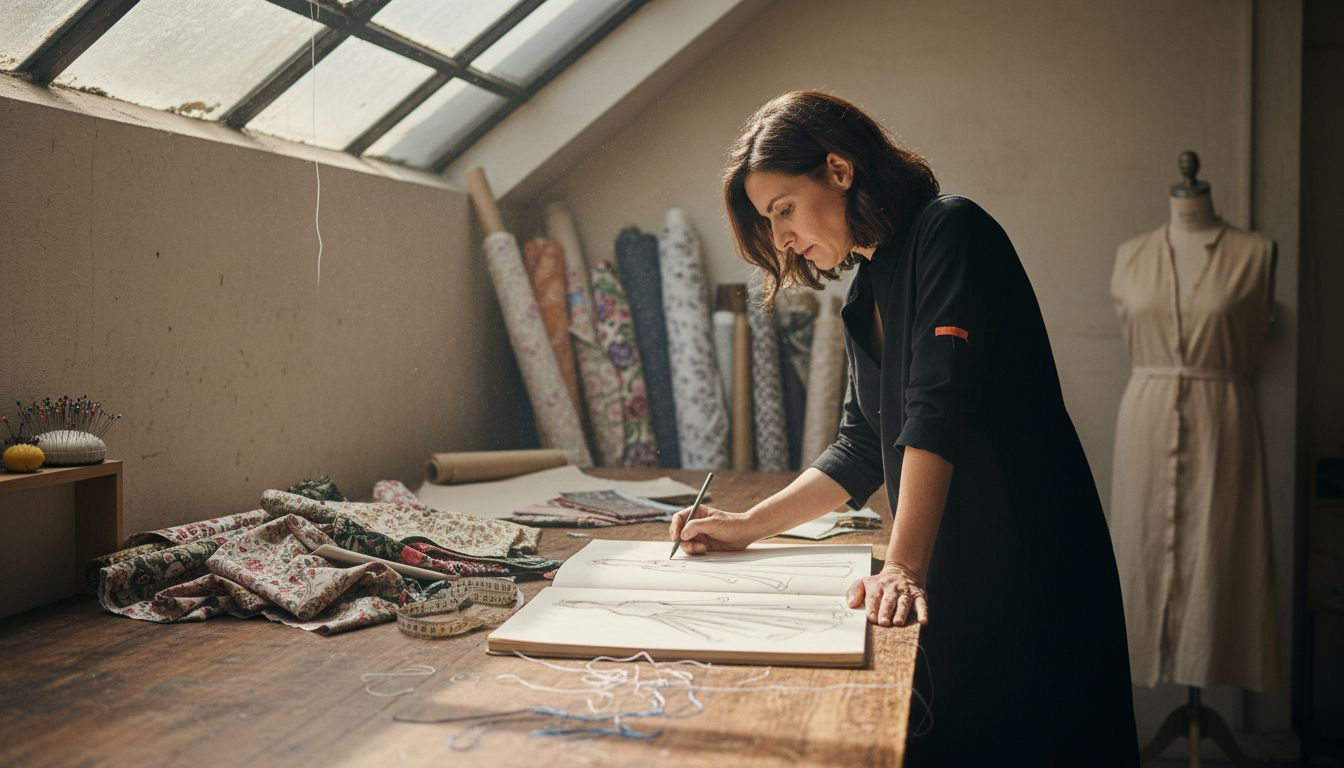
Most American fashion businesses discover that a single unique fabric can transform an ordinary collection into something unforgettable. As demand for exclusive materials rises, designers and small business owners face increased pressure to develop signature looks that stand out in crowded markets. With custom fabrics, creativity is no longer limited by generic options—unlock design freedom, elevate brand identity, and set your next collection apart with style and precision.
| Point | Details |
|---|---|
| Custom Fabrics Offer Unique Design Opportunities | They empower designers to create personalized materials that reflect their creative vision, enhancing collection differentiation. |
| Understanding Fabric Types is Essential | Designers should be familiar with various fabric categories and their properties to make informed choices that align with their design goals. |
| Sourcing and Sustainability Matter | Transparency in material sourcing and sustainable practices are critical in meeting modern consumer expectations and building brand integrity. |
| Thorough Evaluation is Key | Comprehensive assessment of fabric properties ensures that the selected materials fulfill both aesthetic and functional requirements for successful design execution. |
Custom fabrics represent a specialized approach to textile design that empowers fashion creators to develop unique, personalized materials tailored precisely to their creative vision. Within the fashion industry, these fabrics go far beyond standard textiles, offering designers unprecedented flexibility in creating exclusive garment collections.
The core essence of custom fabrics involves specialized production processes that allow designers to specify exact measurements, textures, weights, and aesthetic characteristics. Unlike mass-produced textiles, these materials are crafted with meticulous attention to detail, enabling fashion professionals to translate their most innovative design concepts into tangible, wearable art. In the realm of haute couture, custom fabrics are particularly significant, representing the pinnacle of craftsmanship and individual expression.
Key characteristics of custom fabrics include:
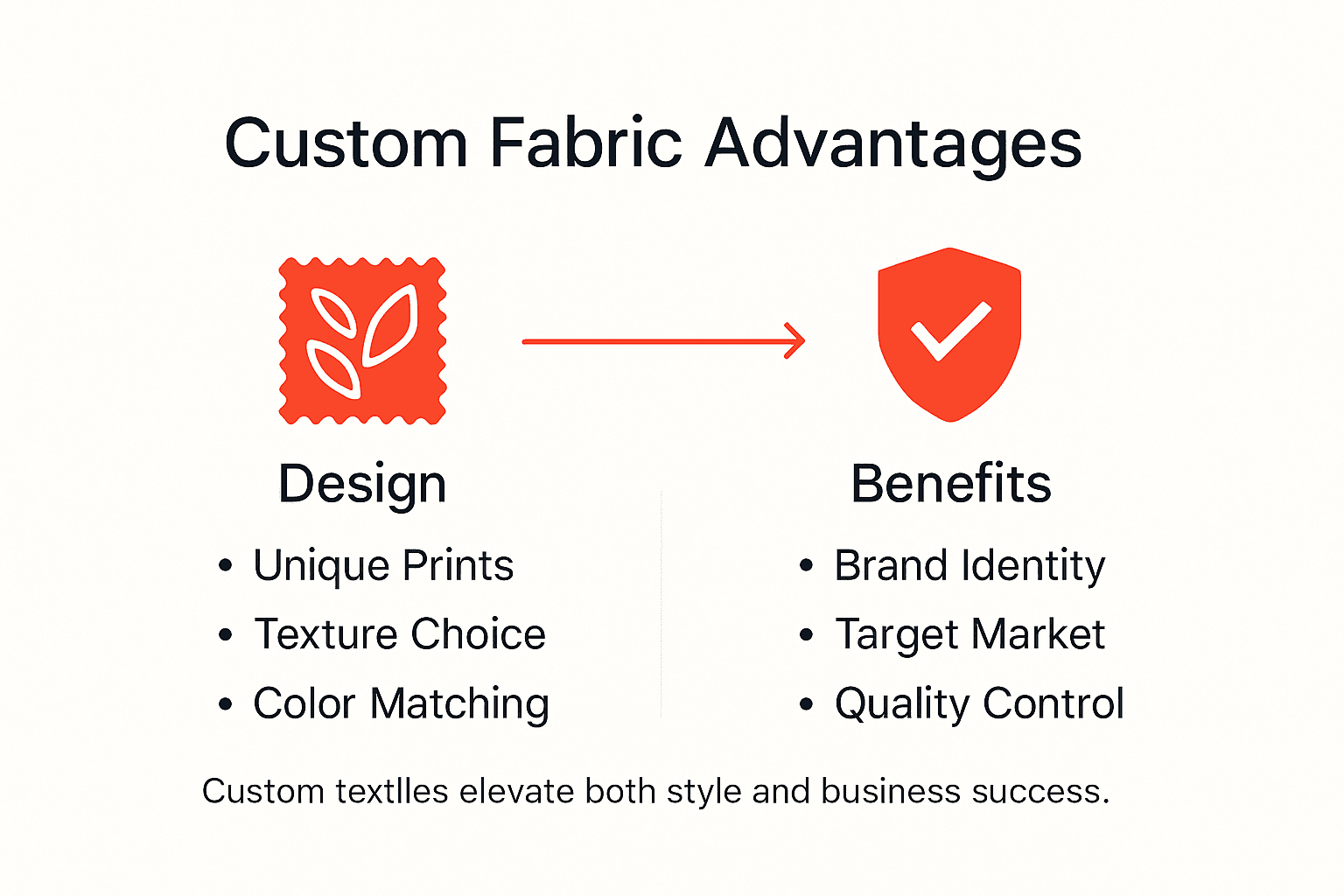
Fashion designers and small business owners can leverage custom fabrics to differentiate their collections, creating garments that stand out in a competitive marketplace. These specialized textiles allow for unprecedented creative control, transforming conceptual designs into distinctive, high-quality apparel that reflects individual brand identity.
Pro Tip - Fabric Selection Strategy: Research and request fabric swatches before committing to large-scale production, ensuring the custom textile meets your exact design requirements and aesthetic vision.
Custom fabrics encompass a diverse range of materials designed to meet specific design requirements for both apparel and home decor. Selecting the right fabric type is crucial for achieving desired aesthetic and functional outcomes across different creative projects.

The most popular custom fabric categories include natural fibers, synthetic materials, and blended textiles. Natural fibers like cotton, silk, and linen offer breathability and comfort, making them ideal for clothing and interior design. Synthetic fabrics such as polyester and rayon provide enhanced durability, wrinkle resistance, and specialized performance characteristics. Blended fabrics combine the best properties of multiple fiber types, creating versatile materials suitable for complex design requirements.
Key custom fabric types for designers include:
Fashion designers and interior decorators can leverage these diverse fabric options to create unique, personalized collections that stand out in competitive markets. Understanding the specific characteristics of each fabric type enables more intentional and innovative design strategies.
To better understand the strengths of different custom fabric categories, consider this quick comparison:
| Category | Main Benefits | Typical Applications |
|---|---|---|
| Natural Fibers | Superior comfort, breathability | Everyday wear, home décor |
| Synthetic Fibers | High durability, easy care | Sportswear, uniforms |
| Blended Textiles | Versatile performance, flexibility | Fashion apparel, upholstery |
Pro Tip - Material Matching: Always request fabric samples and conduct wear tests to ensure the selected custom textile meets both your aesthetic vision and practical performance requirements.
Custom fabric design and sourcing represent sophisticated processes that transform creative concepts into tangible textile products. The journey begins with designers conceptualizing unique material requirements, carefully considering factors like texture, weight, durability, and aesthetic appeal that will distinguish their collections in competitive markets.
Fabric design involves intricate steps of material development and technological innovation. Digital printing technologies now enable designers to produce small batches efficiently, allowing for rapid prototyping and market responsiveness. Modern designers leverage advanced techniques such as computer-aided design (CAD) systems, digital color matching, and precision printing technologies to create highly specialized textiles that meet exact specifications.
The custom fabric sourcing process typically encompasses several critical stages:
Fashion professionals and textile designers must develop strategic relationships with fabric manufacturers who can translate complex design requirements into high-quality materials. This involves extensive communication, technical expertise, and a deep understanding of global textile production capabilities.
Pro Tip - Sourcing Strategy: Develop a comprehensive fabric specification document that includes precise technical details, desired performance characteristics, and visual references to streamline communication with potential fabric suppliers.
The intersection of cost, quality, and sustainability has become increasingly critical for fashion designers and textile manufacturers seeking to create responsible and competitive custom fabric collections. Modern consumers demand products that not only look exceptional but also demonstrate environmental consciousness and ethical production standards.
Digital fabric printing technologies offer cost-effective solutions that dramatically reduce waste and resource consumption, enabling designers to create high-quality textiles with minimal environmental impact. These advanced production methods allow for precise material utilization, decreased water usage, and reduced chemical waste compared to traditional textile manufacturing processes.
Key considerations for evaluating custom fabric production include:
Performance textiles have emerged as a significant trend, with custom solutions enabling specialized features like moisture-wicking and temperature regulation. These innovations allow designers to create fabrics that not only meet aesthetic requirements but also provide functional benefits, bridging the gap between sustainability, quality, and technological advancement.
Here is a summary table of key factors influencing custom fabric production choices:
| Factor | Impact on Fabric Choice | Business Consideration |
|---|---|---|
| Material Sourcing | Ensures supply transparency | Influences brand trust, ethics |
| Energy Efficiency | Reduces production costs and footprint | Enhances sustainability credentials |
| Performance Features | Adds value through unique functionality | Differentiates products in market |
Pro Tip - Sustainability Assessment: Develop a comprehensive evaluation matrix that scores potential fabric suppliers across environmental, economic, and social sustainability metrics to make informed sourcing decisions.
Choosing the right custom fabric is a critical decision that can make or break a design collection, requiring designers to balance aesthetic vision with practical performance considerations. Understanding the nuanced properties of different fabric materials is fundamental to creating successful textile products that meet both functional and design requirements.
The fabric selection process demands comprehensive evaluation across multiple dimensions. Critical factors include durability, comfort, intended use, and specific performance characteristics, with designers needing to assess how different materials like cotton, polyester, and specialized blends will ultimately perform in their specific application.
Key evaluation criteria for custom fabric selection include:
Successful fabric selection requires a holistic approach that considers not just immediate design needs, but long-term performance, aesthetic longevity, and alignment with broader brand values. Designers must become sophisticated material scientists, understanding how intricate fabric properties translate into tangible product experiences.
Pro Tip - Material Compatibility Check: Create physical sample boards that combine your selected fabric with potential design elements, allowing you to assess texture, color interaction, and overall aesthetic harmony before final production.
Transforming your fashion collections with custom fabrics requires access to high-quality materials that match your precise design needs. The article highlights key challenges such as selecting the right personalized fabric types, achieving the perfect texture and durability, and integrating sustainable production—all essential for standing out in today’s competitive fashion market. Fabric-Fabric.com understands these goals and offers a diverse range of fabrics including satin, velvet, lace, and seersucker that cater to both apparel and decor projects with detailed descriptions to guide your selection.

Unlock your creative potential today by exploring our extensive catalog of custom textiles at Fabric-Fabric.com. Seamlessly browse through options designed for unique garment and home decor applications, backed by clear usage guidance and competitive pricing. Don’t wait to bring your innovative fabric concepts to life with quality you can trust and service designed for creators like you. Start your next project now and enjoy seasonal discounts and free shipping opportunities exclusive to our site. Visit Fabric-Fabric.com and take the first step toward designing fashion that truly reflects your vision.
Custom fabrics are specialized textiles designed to meet unique specifications set by fashion designers. They’re used to create exclusive garments that reflect individual creativity and offer unique characteristics not found in standard textiles.
Selecting the right custom fabric involves evaluating key factors such as fabric weight, comfort, durability, and performance characteristics. Consider how these attributes align with your design intentions and end-use requirements.
The primary benefits of custom fabrics include enhanced creative control, the ability to produce unique designs, improved quality, and the potential for sustainable practices. These fabrics can help designers stand out in a competitive marketplace.
The process of custom fabric design involves several stages, including conceptualization, material specification, supplier evaluation, and sample production. Digital printing technology also allows for efficient production of small batches and rapid prototyping.