

 Canadian Dollars

Role of Prints in Apparel—Boosting Style and Sales
Posted by BLG on 2026 Jan 24th
Posted by BLG on 2026 Jan 24th


Selecting prints is often what turns an ordinary collection into a memorable brand statement for North American fashion designers and small business owners. In today’s competitive market, understanding the power of prints means connecting with customers who seek both creative expression and cultural resonance. With innovations like digital printing making complex designs accessible and eco-friendly options reshaping expectations, this guide shows you how prints in modern apparel can set your next collection apart and boost market appeal.
| Point | Details |
|---|---|
| Understanding Prints is Essential | Prints are vital for transforming garments into distinctive statement pieces that reflect consumer identity and brand storytelling. |
| Sustainability & Technology Matter | Advances in printing technology and sustainable practices are reshaping how prints are created and perceived, catering to today’s environmentally-conscious consumers. |
| Market Awareness is Key | Designers must stay ahead of trends and align their print choices with consumer values to maintain competitiveness in the apparel market. |
| Legal Considerations are Critical | Awareness of copyright laws and proper documentation protects original designs and prevents infringement on others’ work. |
Prints in modern apparel are far more than decorative elements slapped onto fabric. They represent the application of patterns, motifs, and designs that transform a basic garment into a statement piece. Whether you’re a fashion designer creating a new collection or a small business owner looking to differentiate your products, understanding what prints are and how they function in today’s market is crucial to your success.
Historically, prints evolved from labor-intensive traditional techniques like batik and block printing, where artisans spent hours hand-crafting each design. Today’s landscape looks vastly different. Digital printing technologies now allow designers to create intricate, customized designs with precision that was unimaginable two decades ago. This shift has democratized print design, making it accessible to smaller operations and independent brands. You can now produce small runs with complex multi-color designs without the massive upfront costs that once made printing prohibitive for anyone outside major fashion houses.
But here’s what matters for your bottom line: prints serve a dual purpose in modern apparel. They enhance visual appeal and drive consumer identity. When a customer chooses a garment with a specific print, they’re not just buying fabric and stitching. They’re buying a piece of self-expression. That floral botanical print appeals to sustainability-minded buyers. That geometric abstract design attracts the minimalist crowd. The street art inspired graphic pulls in younger demographics. Prints are how you tell your brand’s story and how customers signal who they are to the world.
It’s also worth noting that sustainable printing innovations are reshaping production practices. Water-based inks, digital on-demand printing, and fabric-efficient techniques mean you can now create impressive designs while reducing your environmental footprint. This matters increasingly to North American consumers who expect brands to balance creativity with responsibility. The most successful designers today recognize that a beautiful print and responsible production aren’t opposing forces—they’re complementary.
Pro tip: Start by auditing which prints perform best in your current collection. Track which designs sell faster, get more social media engagement, and generate repeat purchases. Use that data to inform your next print selections rather than chasing every trend that emerges.
Not all prints perform equally in the marketplace. Understanding the different types and how each resonates with your target audience is what separates successful collections from forgotten inventory. The print types you choose directly influence your brand perception, pricing power, and customer loyalty.
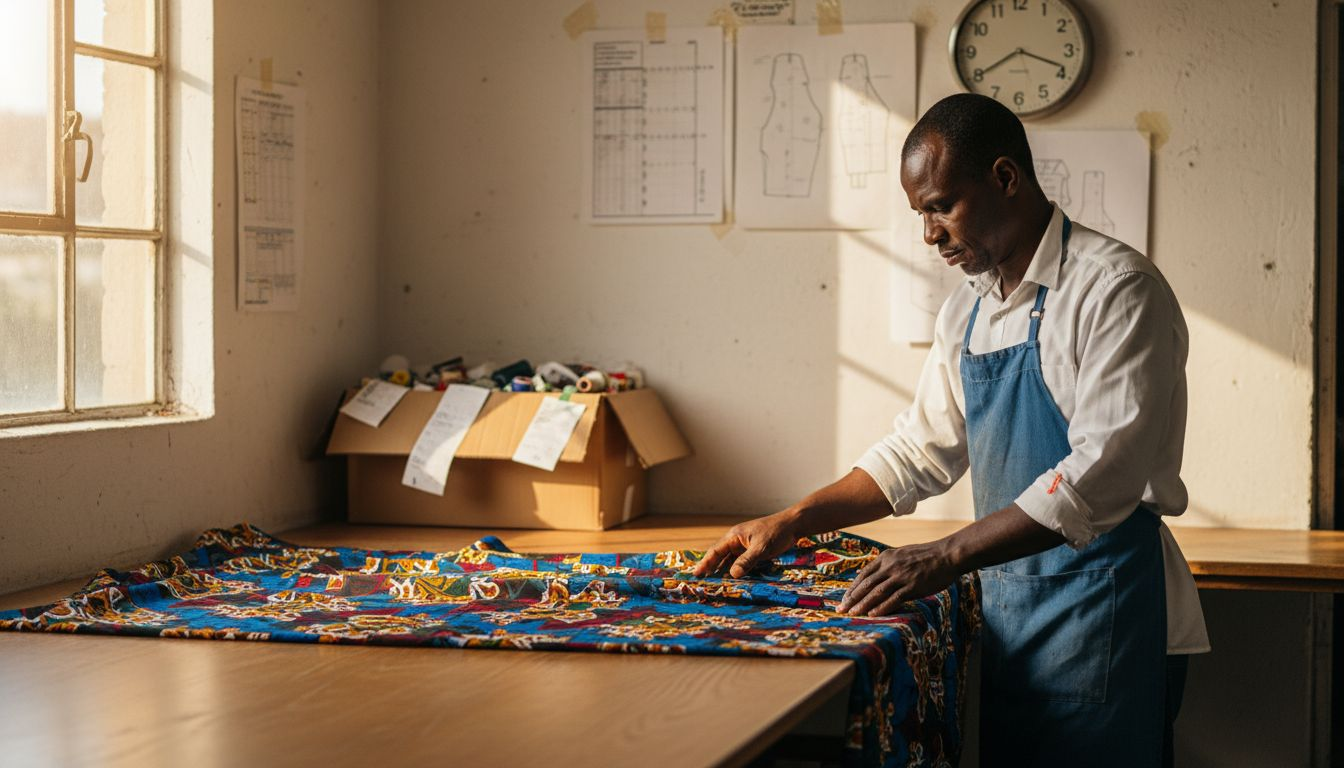
Let’s start with African wax prints, which command attention both visually and commercially. These industrially produced cotton fabrics feature vibrant, bold colors and intricate patterns rooted in batik-inspired motifs. What makes them powerful for North American designers is their cultural significance and emotional resonance. Customers buying garments with African wax prints aren’t just purchasing clothing; they’re making a statement about heritage, identity, and cultural appreciation. This emotional connection typically translates to higher perceived value and stronger brand loyalty. For small business owners, incorporating authentic African wax prints into your collection can differentiate you from mass-market competitors and attract customers who value cultural authenticity.
Typography-based prints take a completely different approach, prioritizing text, lettering, and graphic messaging over pattern. These work exceptionally well for brand storytelling. A quote, your company name rendered creatively, or a cultural message printed across a tee or hoodie becomes wearable communication. Typography in fashion design blends graphic design with clothing, influencing how consumers perceive your brand at first glance. Think of typography prints as your brand’s voice made visible. They’re versatile too. You can create seasonal messaging, limited edition drops with specific text, or collaborate with artists and designers who bring their lettering styles to your collection. Typography also pairs beautifully with premium positioning because the design feels intentional and curated rather than mass produced.
Other popular categories include floral and botanical prints, which appeal to sustainability-minded shoppers and remain consistently strong sellers year-round; geometric and abstract prints, which attract minimalist aesthetics and younger demographics; and vintage or retro-inspired prints, which tap into nostalgia and cyclical fashion trends. The key difference lies in the emotional response each type triggers. Some prints command premium pricing. Others drive volume. The most profitable collections typically combine multiple print types to serve different customer segments within your market.
Here’s a quick comparison of popular apparel print types and their key audience appeal:
| Print Type | Visual Qualities | Main Audience | Branding Impact |
|---|---|---|---|
| African Wax Print | Bold, vibrant patterns | Heritage-focused buyers | Enhances cultural identity |
| Typography-Based Print | Text, graphic messaging | Trend-conscious shoppers | Strengthens brand voice |
| Floral/Botanical Print | Nature-inspired, soft | Sustainability-minded | Promotes eco-consciousness |
| Geometric/Abstract | Clean, minimal shapes | Young, minimalist crowd | Modernizes brand image |
Pro tip: Test new print types in small production runs before committing to full collections. Monitor sell-through rates, customer feedback, and social media engagement for each print style, then scale the winners while phasing out underperformers.
Prints do something remarkable to a garment. They transform a basic piece of fabric into a canvas for artistic expression, storytelling, and brand differentiation. Understanding how prints achieve this elevation is essential for anyone looking to create collections that stand out and command attention in a crowded marketplace.
At their core, prints enable complex visual storytelling that plain fabrics simply cannot achieve. A solid colored tee is functional, but the same tee with a thoughtfully designed print becomes conversation. It tells a story about your brand, your values, and your design perspective. Prints serve as a bridge between pure functionality and artistic expression, which is exactly what transforms basic apparel into genuine fashion statements. When you add a print to a garment, you’re not just adding color and pattern; you’re adding personality and meaning. This is why printed pieces typically command higher price points than their unprinted counterparts. Customers perceive printed items as more intentional, more curated, and therefore more valuable.
The technological revolution has dramatically expanded what’s possible with prints. Direct-to-garment printing allows designers and small business owners to create high-resolution, customizable prints with vibrant colors and intricate details that were impossible to achieve just a decade ago. This technology reduces setup times dramatically and enables small-batch production, which means you can test designs, iterate based on customer response, and create limited editions without massive financial risk. You’re no longer locked into producing thousands of units of a single design to make the economics work. You can be agile, responsive, and creative.
Beyond direct-to-garment methods, advanced printing technologies like three dimensional printing create multi-dimensional effects and personalized aesthetics that expand design possibilities exponentially. Imagine offering customers the ability to customize prints with their names, creating unique one-of-a-kind pieces. Or layering prints to create depth and texture that makes a garment truly distinctive. These aren’t science fiction anymore; they’re tools available to forward-thinking designers and brands right now.
The practical impact is significant. Prints allow you to differentiate your products from competitors, command premium pricing, tell your brand story visually, and create emotional connections with customers. They turn commodity items into memorable pieces that customers actively choose and proudly wear.
The following table outlines technological advancements in apparel printing and their business benefits:
| Technology | Design Capability | Flexible Production | Brand Advantage |
|---|---|---|---|
| Digital Printing | Intricate, fast edits | Small to large runs | Enables rapid iteration |
| Direct-to-Garment (DTG) | High-resolution, vivid | On-demand printing | Supports limited editions |
| Water-Based Ink Printing | Eco-friendly finishes | Sustainable choices | Appeals to green consumers |
| 3D Fabric Printing | Textured, dimensional | Custom orders | Offers unique personalization |
Pro tip: Invest in a small direct-to-garment printer or partner with a local DTG provider for prototyping. This lets you test print designs on actual garments, see how colors interact with different fabric types, and make adjustments before committing to larger production runs.
The prints you choose aren’t made in a vacuum. They’re shaped by what’s happening in the broader market right now. Understanding these trends gives you a competitive advantage because you’re not chasing yesterday’s fashions; you’re anticipating what customers actually want to buy. The most successful designers stay slightly ahead of trends rather than racing to catch up.
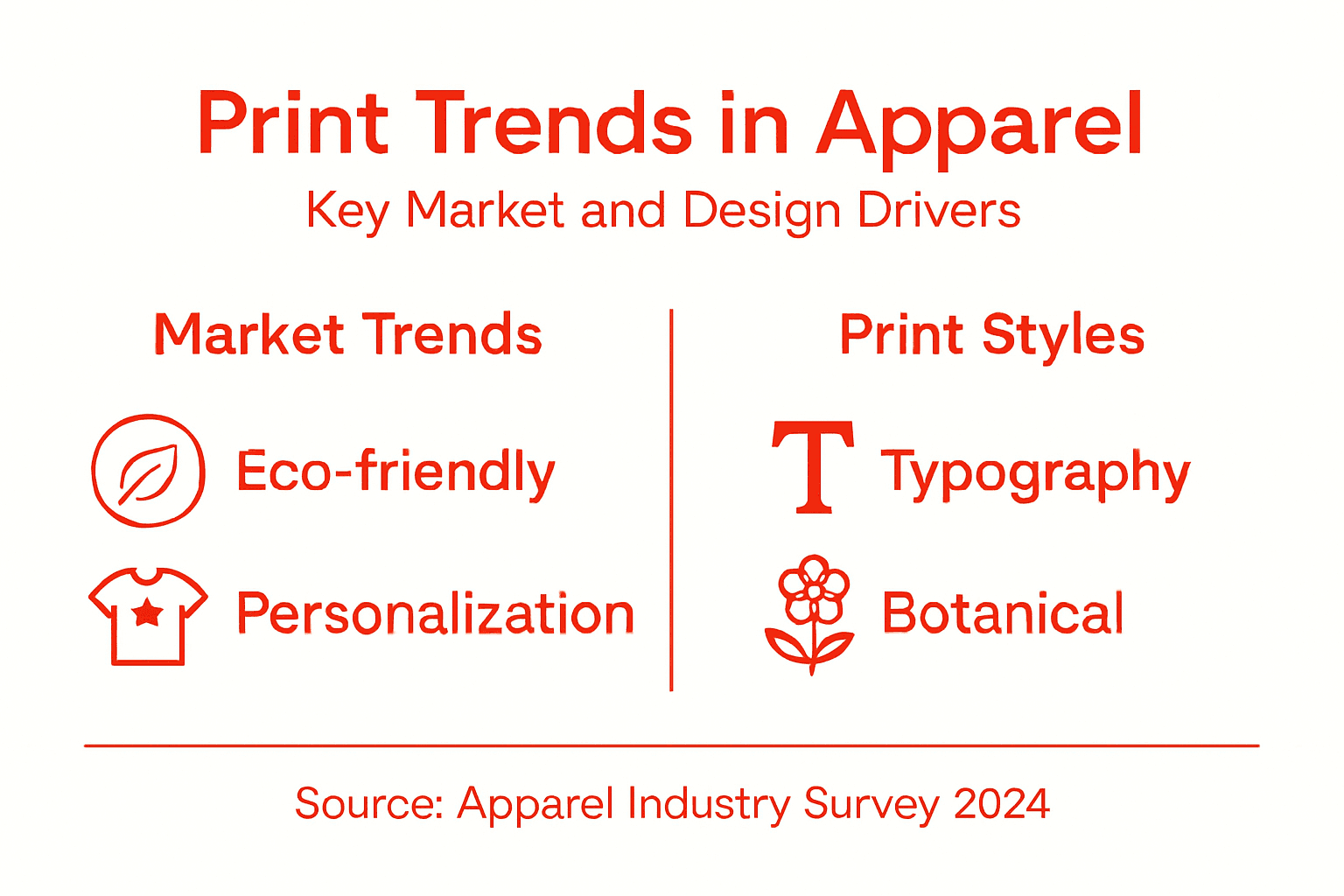
Consumer spending patterns in North America have shifted dramatically over the past few years. Customers increasingly favor prints that reflect cultural identity, environmental consciousness, and personalization. This isn’t superficial preference; it’s a fundamental change in how people think about what they wear. Apparel spending trends show that consumers are willing to pay premium prices for prints that align with their values. A customer who cares about sustainability won’t just buy any geometric print. They’ll buy a geometric print made using water based inks on organic cotton from a brand that can articulate its environmental commitments. This creates opportunity for thoughtful designers who understand their customers’ values and build those values into their collections.
Sustainability has moved from niche concern to mainstream expectation. Environmental impact considerations alongside digital and social media influence now shape print selections throughout the industry. Brands that ignore sustainable printing methods risk losing customers who actively research production practices before purchasing. This means exploring water based inks, digital on-demand printing that minimizes waste, and printing partners with genuine environmental credentials. It also means being transparent about your choices. Customers today expect to understand not just what you’re selling but how you’re making it.
Personalization and limited edition prints are reshaping how consumers engage with printed apparel. Virtual try-ons and digital tools let customers preview prints before committing to purchases. You can offer customization options like names or dates printed on garments, creating emotional investment that standard prints cannot match. Small batch, limited edition prints create urgency and exclusivity. These aren’t trends that will fade; they represent how apparel business operates now. The brands winning in 2025 are those offering personalized experiences, celebrating cultural identity, and backing up their environmental claims with actual practices.
Pro tip: Monitor your sales data monthly by print type and correlate it with social media engagement, customer feedback, and broader fashion news. When you spot a print category gaining traction in your market, test variations before competitors saturate the space.
Designing prints is creative work, but the legal side can feel like walking through a minefield if you don’t know what you’re doing. Copyright protection for apparel prints sits in a murky middle ground where fashion design meets intellectual property law. Understanding the basics protects your original work and keeps you from accidentally infringing on someone else’s designs.
The challenge starts with how copyright law treats fashion. Fashion design protection remains complicated because garment designs blend utilitarian and artistic elements. A printed tee shirt is functional clothing, but the print itself is artistic expression. This distinction matters legally because copyright protects artistic works more robustly than utilitarian objects. A fabric print with an original illustration might qualify for copyright protection, while the same print applied to a specific garment shape might not. The lack of comprehensive legal framework for fashion prints in North America creates ongoing debates over originality, replication, and how to enforce intellectual property rights when someone copies your design.
Under current U.S. law, copyright protection applies to original artistic works, including printed designs. However, the scope and duration of those rights can be limited when applied specifically to apparel prints. You need to establish originality, meaning your print must be sufficiently creative and not merely a copy of existing work. This becomes tricky when trends overlap or when you’re inspired by cultural traditions. Using traditional African wax print patterns, for instance, requires careful consideration. Are you appropriating from a specific designer, or are you working within a traditional art form that no single entity owns? The answer matters legally.
Three practical steps protect you. First, create documented records of your design process. Keep sketches, digital files with timestamps, and development notes showing your work is original. Second, understand what you can and cannot use. Avoid copying competitor designs, celebrity likenesses without permission, or trademarked logos. Third, consider registering copyrights for your most distinctive prints with the U.S. Copyright Office. Registration isn’t required for protection to exist, but it provides legal advantages if you need to enforce your rights later. When licensing designs from artists or photographers, always get written agreements clearly stating you have the right to print their work on apparel and sell the finished products.
Pro tip: Before launching a new print design publicly, do a thorough internet image search using Google Images and reverse image search tools to ensure your design doesn’t closely resemble existing printed apparel already on the market.
The article highlights the critical role prints play in transforming apparel into powerful expressions of style and identity. However, achieving standout prints begins with the right fabric base that brings your creative vision to life. Whether you aim to showcase bold African wax-inspired patterns or precisely rendered typography-based prints, the foundation fabric impacts how your designs resonate and endure. Common challenges like printing clarity, color vibrancy, and fabric sustainability can hold back your collection’s potential and limit customer appeal.
At Fabric Fabric, we understand your passion for combining artistic prints with quality textiles that deliver on both style and ethical values. Our vast selection of fabrics such as satin, lace, velvet, and seersucker provides the perfect canvas for your innovative print techniques. Each product listing features detailed descriptions and usage suggestions that help you choose the ideal fabric to match your print ambitions. With special offers like free shipping and seasonal discounts, now is the ideal time to source premium fabrics that support your brand’s story and sustainability goals.
Take control of your print design process and elevate your next apparel collection with fabrics that inspire creativity and confident craftsmanship.

Explore our high-quality fabric options and start shaping your unique prints today. Visit Fabric Fabric now to find the perfect textiles to amplify your apparel’s style and sales potential.
Popular types of prints include African wax prints, typography-based prints, floral and botanical prints, geometric and abstract prints, and vintage or retro-inspired prints. Each type appeals to different audiences and serves various branding purposes.
Prints elevate the aesthetic appeal of garments, allowing for complex visual storytelling that basic fabrics cannot achieve. Customers often perceive printed items as more intentional and curated, leading to higher price points and increased perceived value.
Designers should consider consumer preferences for cultural identity, environmental consciousness, and personalization. Staying informed about market trends helps anticipate customer desires and adapt print choices accordingly.
Start with small production runs of various prints and monitor sales, customer feedback, and social media engagement. Analyze which designs perform best before committing to larger production runs, allowing for data-driven decisions on future print selections.