

 US Dollar

Pique Fabric Explained: Texture, Types, and Uses for Designers
Posted by BLG on 2026 Apr 18th
Posted by BLG on 2026 Apr 18th

TL;DR:
- Pique fabric is a structured textile with built-in raised patterns like honeycomb and waffle.
- Its weave and fiber blends determine its stiffness, stretch, and suitability for various projects.
- Pique excels in fashion, home decor, and quilting due to its durability, breathability, and visual texture.
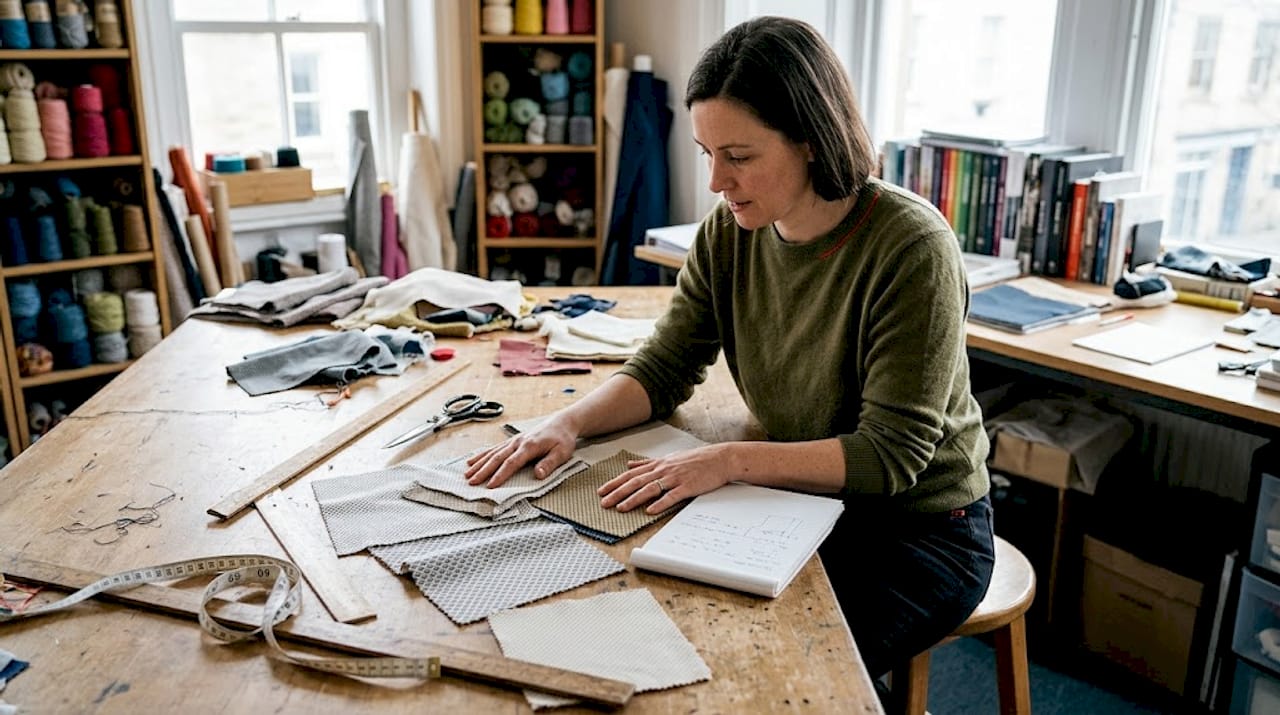
Pique fabric gets lumped in with every other textured cotton on the market, and that’s a mistake that costs designers, quilters, and home decorators real results. Unlike plain weaves or simple jersey knits, pique earns its reputation through a deliberately engineered surface structure that balances visual interest with serious performance. Whether you’re sewing a tailored polo, upholstering a reading chair, or adding dimension to a quilt project, understanding pique’s construction, fiber options, and pattern variations will change how you shop for and use this fabric entirely.
| Point | Details |
|---|---|
| Textured surface | Pique fabric’s appeal comes from its signature raised patterns, adding style and structure to any project. |
| Versatile construction | Both woven and knit pique offer distinct advantages, allowing designers to balance structure, comfort, and application. |
| Ideal for many uses | From polo shirts to upholstery and quilting, pique’s unique blend of durability and breathability meets diverse creative needs. |
| Performance advantage | Pique is more breathable, shape-retaining, and easy to care for compared to most basic cotton fabrics. |
Pique is not just “textured cotton.” It’s a specific construction. Raised parallel cords, waffle-like, honeycomb, or geometric patterns define its surface, and those patterns are built directly into the fabric structure rather than printed or applied afterward. That’s the first thing to understand. The texture is structural, which means it won’t wash out, fade, or flatten over time the way a surface treatment might.
In terms of fiber, pique is primarily cotton or cotton blends, with polyester, spandex, or silk variations appearing across different applications. Cotton pique dominates because it breathes well, holds its shape, and takes dye reliably. Blended versions add stretch, moisture management, or sheen depending on the secondary fiber. You can explore the range of cotton pique varieties to see how different fiber ratios affect hand feel and visual texture.
The structure is achieved through dobby weaving, jacquard weaving, double-knit, or warp-knit construction. Each method creates a different surface effect and a different weight profile, which matters enormously when you’re selecting fabric for a specific project. Before you buy, check this quick comparison of common surface patterns:
| Pattern type | Surface effect | Common fibers |
|---|---|---|
| Corded | Parallel raised ribs | Cotton, cotton/poly |
| Honeycomb | Six-sided cells | Cotton, cotton/spandex |
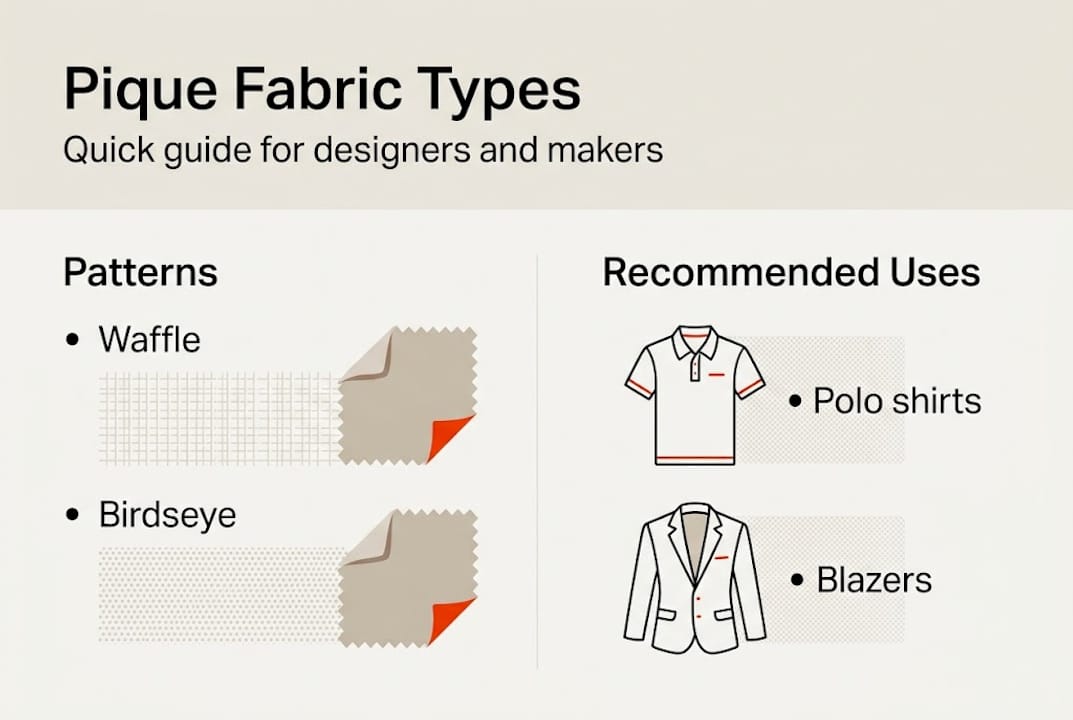
| Waffle | Grid-like squares | Cotton, poly blends |
| Birdseye | Small dot-like diamonds | Cotton, silk blends |
| Mattelassé | Quilted, dimensional | Cotton, jacquard blends |
Beyond surface pattern, pique’s defining attributes make it a consistent performer across applications:
“Pique’s structural texture is precisely what gives it lasting relevance in textile design. It delivers visual complexity without requiring decorative finishing, which makes it a smart, durable choice across both fashion and interiors.” — Fabric design perspective
If you’re new to working with blended textiles, the fabric blends guide offers a solid foundation for understanding how fiber ratios affect drape, care, and longevity.
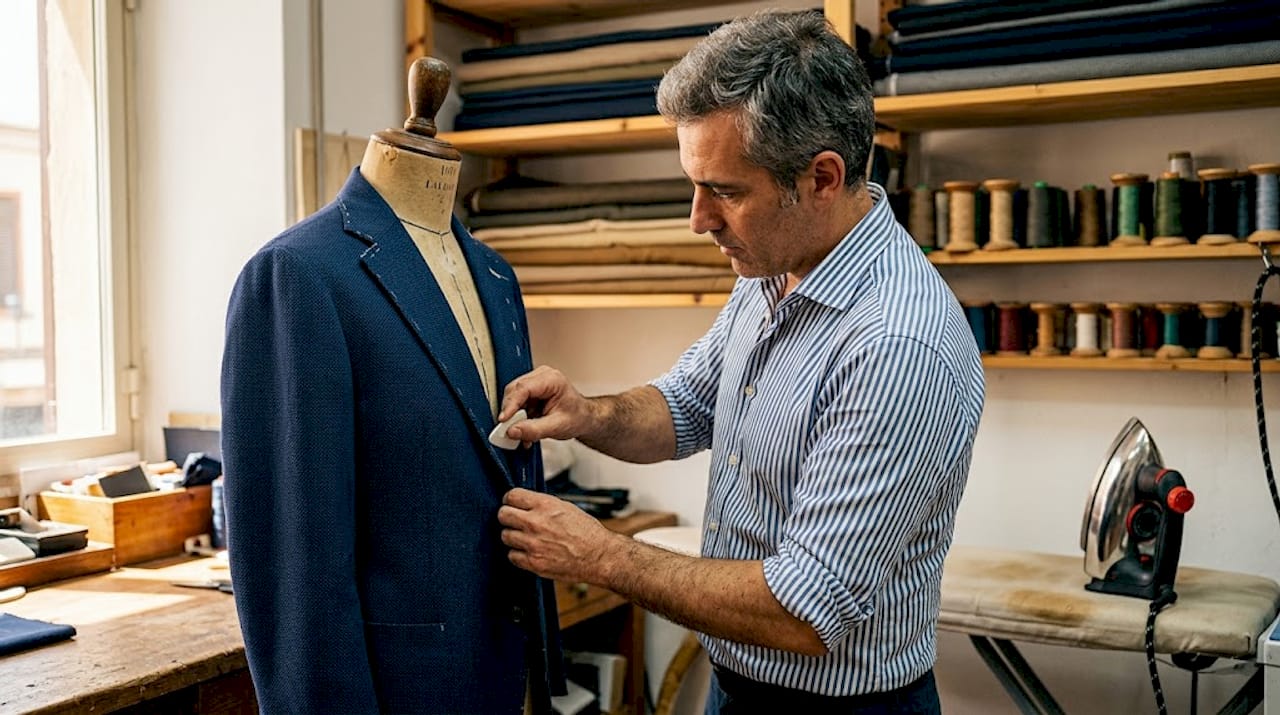
The way pique is constructed determines almost everything about how it performs. Structured versions use dobby or jacquard weaving, often with stuffer yarns creating a double cloth; stretchier polo-style versions use warp or double-knit construction with tuck stitches). These two paths produce fabrics that look related but behave quite differently in your hands and in your project.
Woven pique is firm. It has body and crispness, making it ideal for structured garments like blazer lapels, A-line skirts, or upholstered furniture. Knit pique gives you stretch and recovery, which is why it dominates sportswear and polo shirts. The difference between them is comparable to the difference between a woven canvas and a jersey: same general category, completely different character. Understanding knit vs woven fabric behavior is essential before committing to a project.
| Feature | Woven pique | Knit pique |
|---|---|---|
| Structure | Crisp, firm | Soft, flexible |
| Stretch | Minimal | Moderate to high |
| Durability | High for heavy use | High for active wear |
| Best applications | Upholstery, tailored apparel | Polos, sportswear, casual wear |
| Care complexity | Low to moderate | Low |
Here’s how either type gets made at a high level:
Pro Tip: If your project needs sharp edges and structure, go woven. If it needs movement and comfort against skin, go knit. Mixing up these two categories is one of the most common and avoidable errors in pique selection.
Pique isn’t one fabric. It’s a family. Corded, honeycomb, waffle, birdseye, mattelassé, double pique, and mini or micro pique each bring a different visual weight and functional profile to the table. Knowing the difference helps you match the right type to your specific application instead of guessing at the fabric counter.
The different pique varieties available today range from lightweight micro versions ideal for children’s clothing and fine apparel to heavy mattelassé and double pique suited for interiors. Here’s a practical breakdown:
| Pique type | Texture weight | Best project uses |
|---|---|---|
| Mini/micro pique | Lightweight (120-150 GSM) | Children’s wear, dress shirts, fine linens |
| Corded pique | Medium (150-200 GSM) | Polos, casual apparel, sportswear |
| Honeycomb pique | Medium (160-220 GSM) | Towels, robes, bed accessories |
| Waffle pique | Medium-heavy (200-260 GSM) | Blankets, bathrobes, loungewear |
| Birdseye pique | Medium (150-200 GSM) | Tailored garments, dressy casual |
| Mattelassé pique | Heavy (260-320 GSM) | Upholstery, decorative pillows, quilts |
| Double pique | Heavy (280+ GSM) | Outerwear, structured home decor |
Here’s what those differences mean in practical terms:
Mattelassé is often mistaken for a quilted fabric because its surface mimics stitched layers, but it achieves that effect entirely through weave structure. For quilters seeking dimensional interest without adding batting layers, it’s a genuinely useful discovery.
Pique fabric earns its place in your stash through real numbers. GSM ranges from 120 to 320 with a typical working range of 150 to 260, thickness between 0.5 and 1.2mm, and EPI of 40 to 80. Those specs mean pique covers a wide range of applications without sacrificing breathability or durability at either end of the weight range.
The air pocket structure built into pique is not decorative. It actively promotes airflow, making pique measurably more breathable than flat jersey cotton of equivalent weight. For sportswear designers or anyone working on warm-weather apparel, this is a meaningful performance edge. Moisture-wicking properties are enhanced in polyester blended versions, which is why athletic polo shirts almost universally rely on pique construction.
Pique by the numbers:
GSM: 120-320 | Thickness: 0.5-1.2mm | Shrinkage: 2-5% (sanforized) | Air permeability: superior to comparable jersey weaves
Care varies by fiber blend, but here are the core guidelines:
Pro Tip: For projects that will be washed frequently, like children’s clothing or table linens, a cotton/polyester pique blend gives you the best wrinkle resistance and shape retention without sacrificing breathability. Pure cotton is beautiful but requires a bit more care.
Pique moves easily between project categories, which is part of what makes it so useful across a design practice. Heavyweight pique at 280+ GSM handles upholstery, cushions, pillows, table linens, bedding, and curtains reliably, with the texture adding elegance that flat fabrics simply can’t replicate. On the lighter end, micro and corded pique bring polish to tailored garments and athletic wear.
Here’s a project-focused breakdown by category:
For home decorators, pique reads as a premium fabric without the premium price of jacquard or brocade. Pairing it with cotton drapery fabrics in a coordinated interior scheme creates a layered, considered look. Quilters working with geometric quilting options will find that pique’s surface patterns interact beautifully with geometric block designs, adding tactile depth to finished quilts.
One overlooked application: slipcovers. Many home decorators reach for canvas or twill, but medium-weight pique holds its shape on upholstered frames just as well and looks far more interesting. For tips on caring for upholstered pieces made with textured fabrics, proper cleaning technique extends the fabric’s life considerably.
“Pique’s textured surface is a design shortcut: it provides visual complexity, durability, and comfort in a single fabric choice. For interiors and structured apparel, that combination is genuinely hard to beat.” — Fabric design perspective
Here’s the honest truth: pique gets overlooked because it’s familiar. Designers chasing novelty skip past it for printed sheers or technical stretch fabrics, and that’s a missed opportunity. Pique has been dressing well-turned-out people and sophisticated interiors for over a century precisely because its structure delivers results that trendier materials can’t sustain.
The real mistake isn’t ignoring pique entirely. It’s treating all pique as interchangeable. Grabbing the first corded cotton pique for an upholstery project, when a double or mattelassé type would hold up far longer, is the kind of choice that shows in the finished work six months later. Discriminating by weight, pattern, and fiber blend is where the craft lives.
For designers serious about outcomes, experimenting with birdseye or mattelassé pique opens up creative territory that most projects never touch. These less common variations carry the same performance profile as standard corded pique but deliver a visual result that reads as genuinely original. Pairing them with the right blended fabric strategies multiplies that effect further.
Pro Tip: Next time you’re sourcing for a structured project, pull a birdseye or mattelassé swatch alongside your usual choice. The comparison alone will change how you think about pique’s creative range.
Pique’s blend of structure, breathability, and visual texture makes it one of the most practical and underrated fabrics in any design toolkit. Whether you’re cutting a fresh polo, reimagining a living room chair, or building a dimensional quilt, the right pique fabric makes the work easier and the result stronger.
At fabric-fabric.com, you can shop cotton pique fabric across multiple weights and patterns, with cut-to-length ordering so you get exactly what your project needs. Explore the full home decor fabric selection to find complementary textiles that pair beautifully with pique in interiors and mixed-media craft projects. Expert product descriptions and clear usage guidance take the guesswork out of sourcing.
Yes. Pique’s air pockets enhance airflow, making it more breathable than standard jersey cotton, with built-in micro-vents that promote comfort in warm conditions.
Woven pique offers superior structure) and durability suited to quilting and upholstery, while knit pique provides stretch and breathability ideal for polos and active apparel.
Yes. Heavyweight pique at 280+ GSM is a durable, texturally rich choice for upholstery, cushions, and decorative pillows that hold up well under regular use.
Pique typically shrinks 2 to 5% when sanforized, and it reliably retains its structural shape after repeated laundering when cared for properly.