

 Canadian Dollars

How to Make Custom Drapes for a Perfect Fit at Home
Posted by BLG on 2026 Jan 29th
Posted by BLG on 2026 Jan 29th

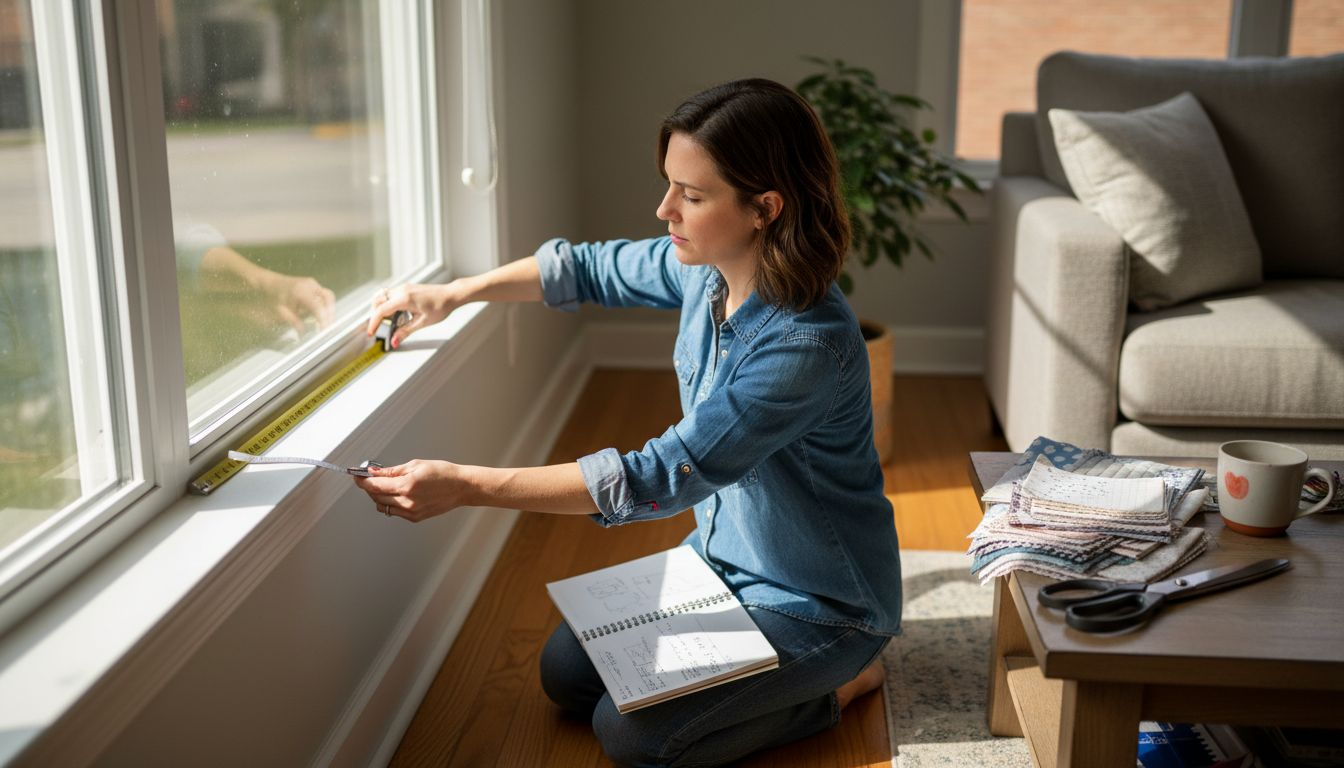
Every home decorator knows the difference custom drapes make in transforming an ordinary living room or bedroom into a personalized retreat. Precise measurements mean your drapes will look tailored, hang beautifully, and offer full coverage for privacy and energy savings. With the right set of tools, a strong grasp of sewing basics, and a commitment to accurate window measurements, you are ready to create window treatments that reflect your unique style and vision.
| Key Point | Explanation |
|---|---|
| 1. Measure Windows Accurately | Use a tape measure to take accurate width and height measurements at multiple points for a perfect fit. |
| 2. Choose the Right Fabric | Select fabric based on weight, durability, and how it complements your room’s decor for effective drapes. |
| 3. Master Seam and Hem Techniques | Utilize proper seam techniques like French seams for strength and a professional finish, ensuring durability and appearance. |
| 4. Install Hardware Precisely | Properly mount brackets and use a level to ensure drapes hang straight and look professionally done. |
| 5. Conduct Final Quality Check | Inspect drape length, seam quality, and movement to ensure a polished and professional appearance before finishing. |
Creating custom drapes starts with precise window measurements. You’ll need a few essential tools to ensure your drapes fit perfectly and look professional.
First, collect these critical measuring tools:
Precision matters when measuring windows. Accurate window measurements help prevent gaps, ensure proper coverage, and create a polished look. Start by measuring the width at three points: top, middle, and bottom of the window frame. Record the smallest measurement to accommodate potential frame variations.
Measure window height from the top of the mounting hardware (or where you plan to install the curtain rod) down to your desired length. Decide whether you want floor-length drapes, sill-length, or something in between. Take measurements vertically at multiple points to confirm consistency.
Pro tip: Always measure twice and record dimensions carefully to avoid costly mistakes.
Precision Tools Tip: When using your tape measure, hold it taut and straight to guarantee exact measurements. Verifying tape measure accuracy can prevent potential errors that might impact your custom drape project.
Pro tip: Keep a dedicated notebook for window measurements to track precise details for future reference or additional home projects.
Now that you’ve measured your windows, it’s time to choose the perfect fabric and prepare your drape panels. This critical step determines the overall look, feel, and functionality of your custom window treatment.
When selecting fabric, consider these key factors:
Look for fabrics with good body and weight that will hang elegantly. Energy-efficient window covering fabrics can help regulate room temperature while adding style. Consider materials like medium-weight cotton, linen blends, or lightweight wool that provide structure without being too heavy.
To cut panels precisely, you’ll need:
Precision in cutting ensures professional-looking drapes that hang beautifully.
Cutting Technique: Lay your fabric flat, use pins to mark exact cutting lines, and cut slowly with sharp scissors to prevent fraying. Always cut with the fabric grain to maintain proper drape and appearance.
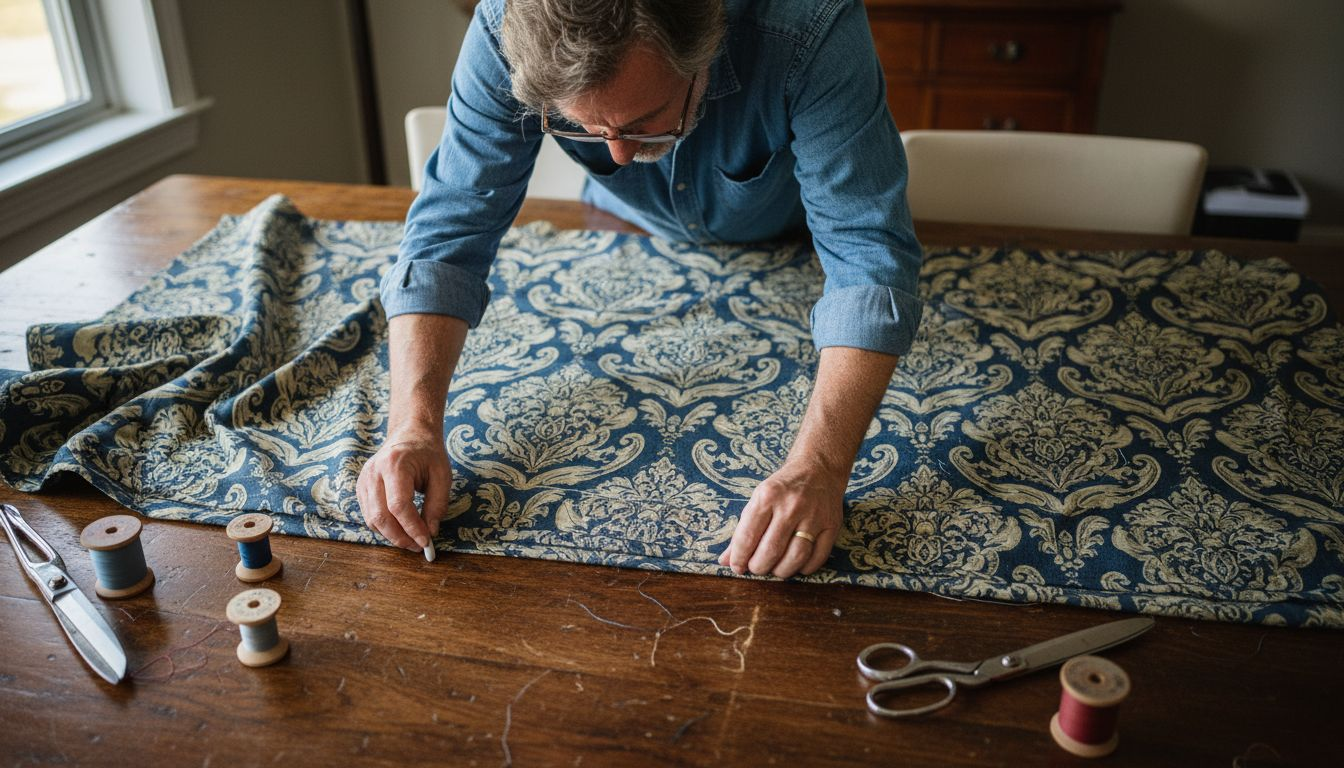
Pro tip: Add an extra 4-6 inches to your measurements for hemming and potential adjustments, giving yourself flexibility during the final fitting.
Compare window drape styles and their best use cases:
| Drape Style | Room Type | Visual Impact | Functional Note |
|---|---|---|---|
| Floor-length | Living room | Elegant, dramatic | Great for insulation |
| Sill-length | Kitchen, bathroom | Light, casual | Easy cleaning access |
| Below-sill | Bedrooms | Balanced, tailored | Covers radiator, adds warmth |
| Café curtain | Breakfast nook | Charming, airy | Maximizes daylight |
With your fabric panels cut and ready, it’s time to transform them into professional-looking drapes by mastering the art of seam construction and hemming. Structural fabric techniques are critical for creating durable and elegant window treatments.
Prepare your sewing workspace with these essential items:
Start by preparing your seams. For most drape panels, you’ll want to use a french seam or flat-felled seam for a clean, professional finish. Textile sewing methods recommend creating seams that are both strong and nearly invisible.
Precision in seam construction determines the overall quality of your custom drapes.
Hemming Technique: Fold and press your hem edges twice to create a clean, finished look. For most medium-weight fabrics, a 1-inch double-fold hem works perfectly. Sew close to the inner fold, maintaining a consistent distance from the edge.
Here’s a quick reference guide to common drapery seam and hem techniques and their benefits:
| Technique | Appearance | Durability | Professional Tip |
|---|---|---|---|
| French seam | Neat, hidden edges | High, strong seam | Ideal for sheer fabrics |
| Flat-felled | Flat, sturdy seam | Very high | Used for heavy fabrics |
| Double-fold hem | Smooth, crisp edge | Excellent | Press thoroughly for best look |
| Blind hem | Invisible stitches | Moderate | Good for formal drapes |
Pro tip: Test your seam and hem techniques on fabric scraps first to adjust machine tension and stitch length for the most professional results.
With your beautifully sewn drapes ready, it’s time to transform your windows with professional-looking hardware installation. Window covering hardware standards ensure both aesthetic appeal and functional performance.
Gather these essential installation tools:
Hardware Mounting Process:
Precise hardware placement determines how professionally your drapes will hang.
Drapery hardware installation guidelines recommend mounting brackets 4-6 inches wider than your window frame. This extra width allows drapes to stack back completely when open, maximizing natural light and creating a more spacious feel.
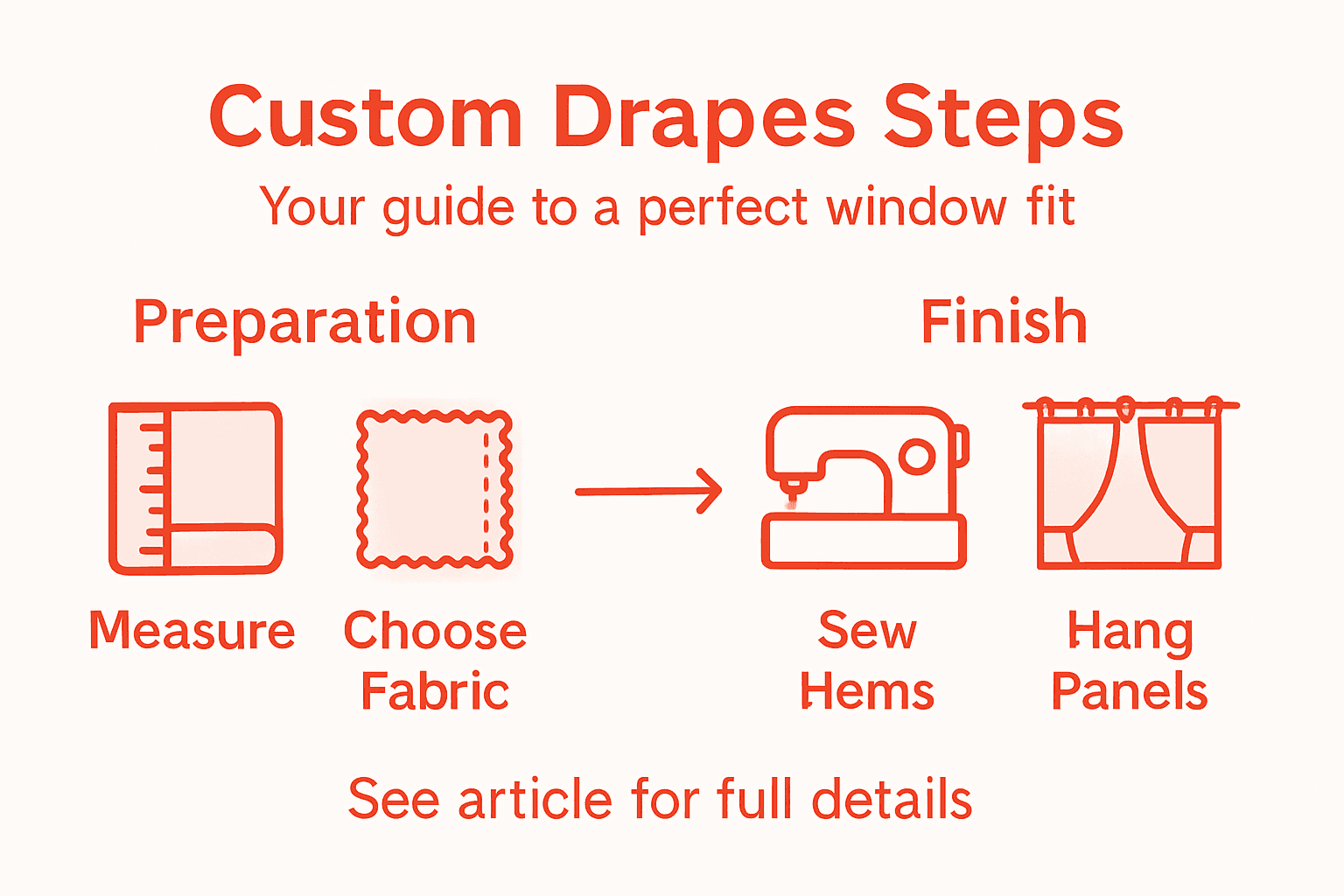
Hanging Technique: Slide your drape panels onto the rod, ensuring even distribution and smooth movement. Adjust pleats or folds to create a uniform, elegant appearance.
Pro tip: Use small binder clips to temporarily hold drape panels in place while adjusting hardware, preventing multiple unnecessary wall measurements.
With your custom drapes nearly complete, a final quality inspection ensures a professional-looking result. Precision installation techniques are critical for achieving that perfect, polished window treatment.
Conduct a comprehensive final review using these key checkpoints:
Measurement Verification: Take measurements from multiple points to confirm absolute precision. Stand back and view your drapes from different angles, checking for any subtle irregularities in hang or alignment.
Small details make the difference between amateur and professional-looking window treatments.
Surface finish evaluation techniques recommend examining fabric texture and seam quality under good lighting. Use natural daylight if possible to reveal any subtle imperfections.
Hanging Assessment: Gently open and close the drapes to test hardware smoothness and fabric movement. Make minor adjustments to ensure they glide effortlessly and stack neatly when open.
Pro tip: Iron or steam your drapes one final time after hanging to eliminate any remaining wrinkles and achieve that crisp, professional finish.
Measuring, selecting, cutting, and sewing custom drapes can feel overwhelming without the right materials at hand. The article “How to Make Custom Drapes for a Perfect Fit at Home” highlights the challenge of achieving precise window measurements, choosing suitable fabric weight and style, and perfecting seams and hems to get professional results. If you want drapes that hang beautifully and last, the foundation starts with fabrics that match your vision and technical needs.

Discover a wide selection of premium fabrics designed for home decor projects at https://fabric-fabric.com. From elegant velvets and breathable linens to durable cotton blends, our collection empowers you to bring your custom drape plans to life with ease. Take advantage of our detailed fabric descriptions and effortless shopping to choose the ideal material for your room’s lighting, style, and functionality. Don’t wait to transform your windows into stunning focal points. Visit our site now and start crafting drapes that deliver the perfect fit and finish you deserve.
To measure your windows accurately, use a tape measure to ensure precision. Measure the width at the top, middle, and bottom of the window frame, and record the smallest measurement. For height, measure from the top of the mounting hardware to your desired length. Make sure to measure twice to avoid mistakes.
Select a fabric based on its weight, durability, and how it complements your room’s decor. Consider energy-efficient materials and those that are easy to maintain, like cotton or linen blends. Aim for fabrics that provide good body, which allows for elegant draping and a polished look.
Using a double-fold hem is a popular choice for a clean, professional finish. Fold and press the hem edges twice, and sew close to the inner fold. For medium-weight fabrics, a 1-inch double-fold hem typically provides the best appearance.
To ensure your drapes hang evenly, double-check that your mounting brackets are level before securing them to the wall. Place brackets 4-6 inches wider than the window frame for optimal stacking back of the drapes when open. After hanging, gently adjust the pleats for a uniform look.
Conduct a thorough inspection of your drapes to ensure the length, seams, and hems are consistent. Check that the fabric hangs smoothly without twisting and that the hardware is securely mounted. Making minor adjustments will help ensure a professional finish.
To prevent mistakes while cutting, always use sharp scissors and lay your fabric flat. Use pins to mark exact cutting lines and cut slowly along the markings. For best results, make a test cut on a fabric scrap before cutting your panels to ensure precision.