

 US Dollar

Faux Fur Fabric: Your Complete Style and Care Guide
Posted by BLG on 2026 Jul 1st
Posted by BLG on 2026 Jul 1st

TL;DR:
- Faux fur is a synthetic material designed to imitate real animal fur without cruelty, mainly made from polyester, acrylic, or modacrylic fibers. The quality of faux fur depends on pile length, backing type, and fiber density, with flame testing providing a reliable way to distinguish it from real fur. Proper cutting, sewing, and cleaning practices enhance durability, while its versatility benefits fashion, home decor, and craft projects.
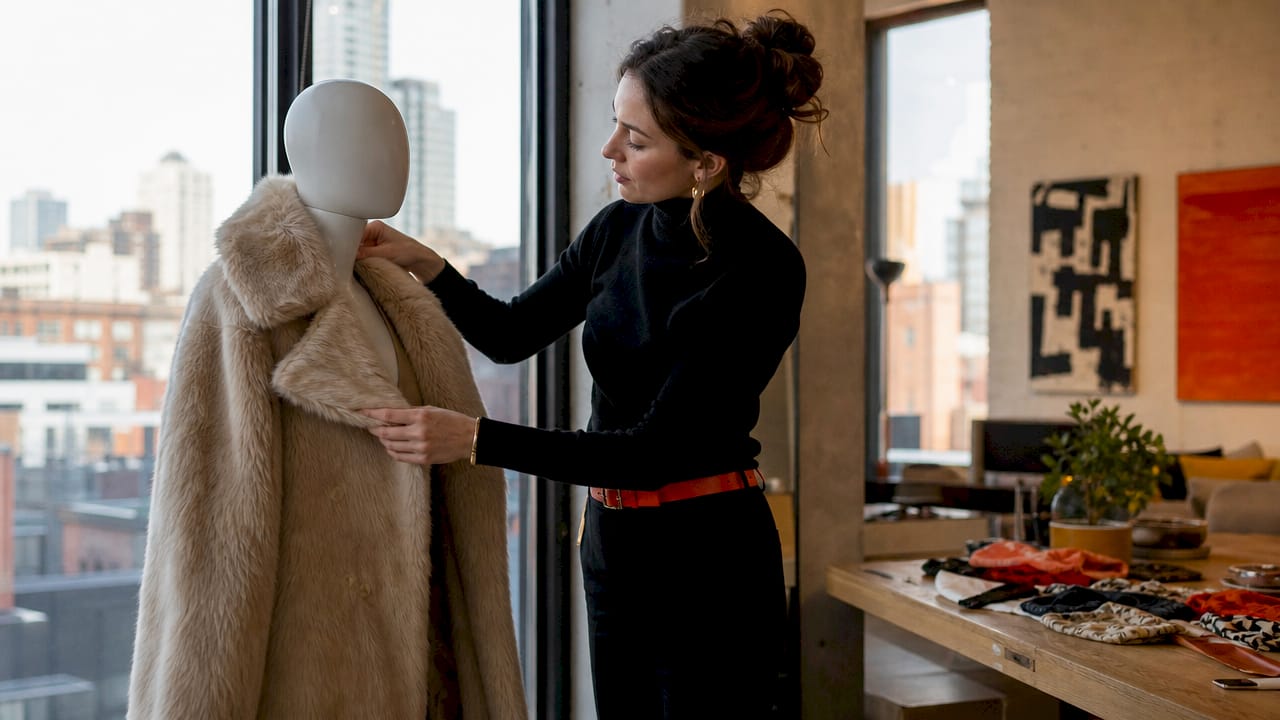
Faux fur is a synthetic textile engineered to replicate the look, feel, and insulation of real animal fur while remaining completely cruelty-free. Made primarily from polyester, acrylic, or modacrylic fibers, it delivers the softness and warmth of natural fur without any ethical compromise. Designers like Hannah Weiland and Stella McCartney have publicly championed high-quality faux fur as a genuine alternative to animal pelts. Whether you are sewing a statement jacket, styling a throw blanket, or adding texture to a craft project, understanding this material from the fiber up makes every project better.
Faux fur is a pile fabric built by knitting or weaving synthetic fibers onto a backing textile. The result is a dense, directional surface that mimics the layered look of real animal fur. The three most common fibers are polyester, acrylic, and modacrylic. Each brings slightly different properties: polyester is durable and holds color well, acrylic is lightweight and soft, and modacrylic adds flame resistance and a particularly realistic sheen.
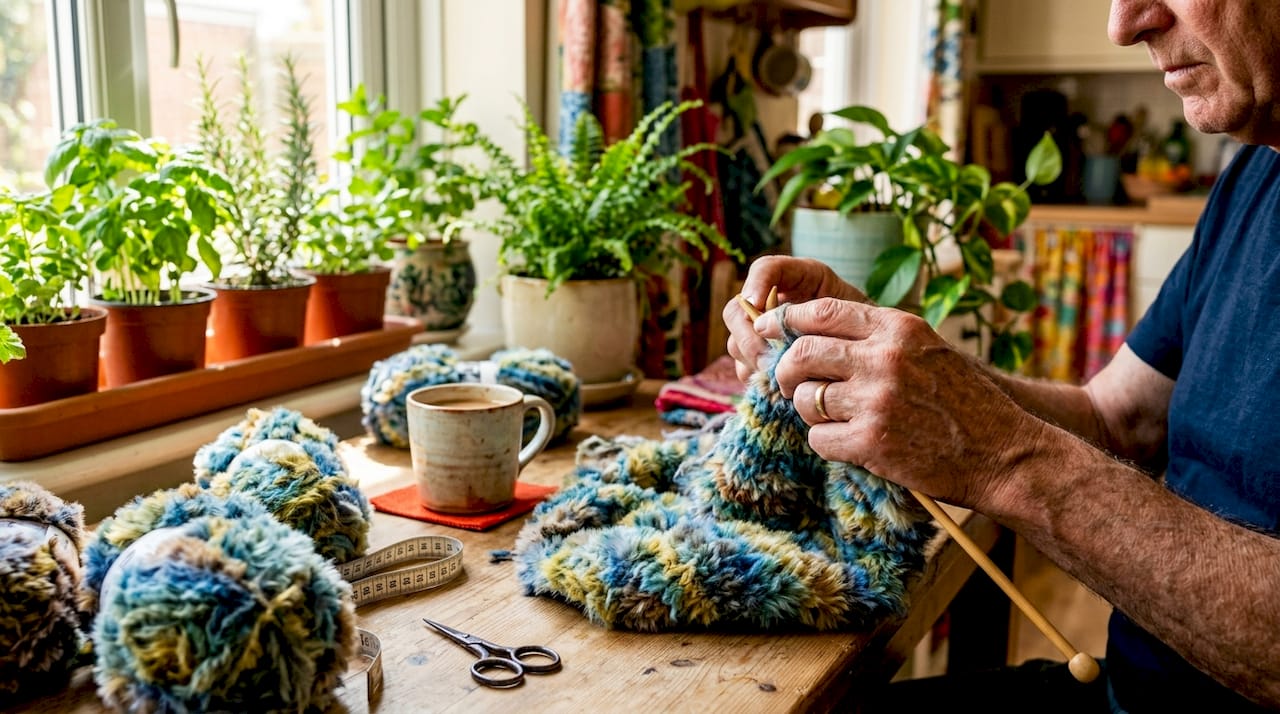
Pile length is the single biggest factor in how a fabric looks and performs. Pile lengths range from short (5–10 mm) to medium (10–20 mm) to long shag (20+ mm), and each suits a different application. Short pile works best for structured garments, accessories, and upholstery where a clean finish matters. Medium pile is the go-to for coats and cushions. Long shag creates dramatic statement pieces and accent throws.
The backing fabric matters more than most crafters realize. Most faux fur uses a stretch woven or knit backing, which gives the fabric flexibility and makes it easier to sew than leather-backed real fur. A tighter, denser backing generally means better durability and less shedding over time. When you shop faux fur by the yard, check both the pile density and the backing weight before buying.
| Pile length | Measurement | Best uses |
|---|---|---|
| Short pile | 5–10 mm | Structured jackets, accessories, upholstery |
| Medium pile | 10–20 mm | Coats, cushions, trim details |
| Long shag | 20+ mm | Statement throws, accent pieces, costumes |
| Backing type | Stretch knit or woven | Affects sewing ease and durability |
Weight and density also influence warmth and drape. A heavier, denser fabric insulates better and holds its shape on furniture. A lighter pile drapes more naturally on clothing. Matching the weight to the project prevents the finished piece from looking stiff or flat.
Reading the label is the obvious first step, but labels are not always accurate or present. The most reliable at-home method is the flame test. Pull 2–3 strands from the fabric and hold them to a flame. Real fur singes like burnt hair and crumbles to ash. Faux fur melts, smells like burnt plastic, and forms hard little balls at the tips. The result is definitive and takes less than 30 seconds.
Visual and tactile checks also help. Run your fingers through the pile. Real fur has a layered structure with guard hairs and a softer undercoat beneath. Faux fur tends to feel more uniform throughout. Parting the pile and inspecting the backing is another reliable clue. A fabric or knit backing points to synthetic. A leather or skin-like backing points to real fur.
Common mistakes include trusting color or softness alone. High-quality faux fur can feel remarkably close to real fur, and dyed real fur can look just as vivid as synthetic. Never rely on appearance or touch as your only test.
Pro Tip: Always perform the flame test on a few strands pulled from a seam allowance or hidden edge, never on the face of the fabric. This preserves the piece while giving you a clear result.
Cutting is where most beginners go wrong. Cut faux fur from the back using a sharp utility knife or razor blade, never scissors through the pile. Scissors cut through the fibers and create jagged edges with heavy shedding. A blade run along the backing severs only the base while leaving the pile intact on both sides of the cut.
Pile direction is the next critical factor. All pattern pieces must align in the same nap direction. Ignoring this causes panels to reflect light differently, creating a patchy, uneven look in the finished piece. Stroke the pile to find which direction it lies naturally, then mark the back of each piece with an arrow before cutting.
Pro Tip: After sewing a seam, run a stiff bristle brush along the seam line on the right side. This lifts trapped pile fibers and makes the seam nearly invisible.
Cleaning faux fur requires a gentle approach. Faux fur is a textile, not a skin, so it handles washing far better than real fur. Most pieces can be hand washed in cool water with a mild detergent. Avoid the dryer. Lay the piece flat to dry and brush the pile gently once it is nearly dry to restore its shape. For faux fur blankets and throws, a low-heat machine cycle in a mesh laundry bag works well. Check the care label first, since backing construction varies.
Steaming on the back side is the only safe way to remove wrinkles. Direct heat from an iron melts synthetic fibers permanently. Hold the steamer several inches from the backing and let the steam do the work. For more detailed guidance on fabric maintenance, the fabric care guide at Fabric-fabric covers a broad range of textile types.
Faux fur works across a wider range of projects than most crafters expect. The key is matching pile length and weight to the specific use. Short pile behaves like a structured fabric and suits tailored applications. Long shag needs room to move and works best as an accent rather than a structural element.
Fashion and apparel:
Home decor:
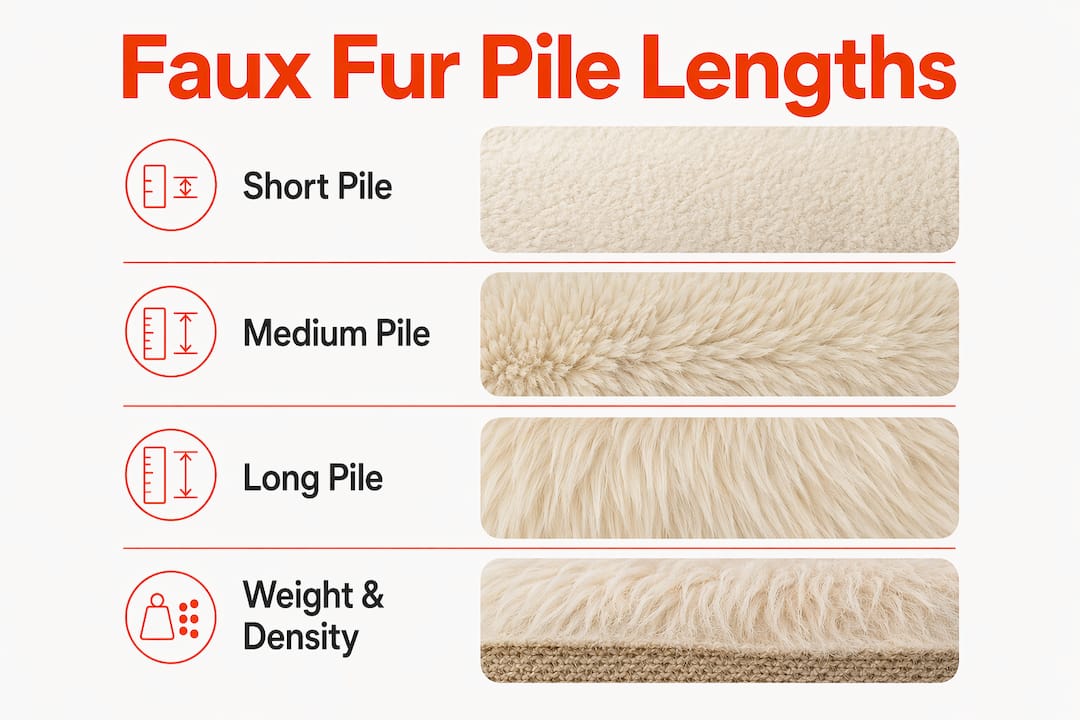
Craft projects:
Sustainable faux fur also fits naturally into eco-conscious design. Designers committed to ethical fashion favor it precisely because it delivers the aesthetic of real fur without animal harm. As the fashion industry shifts toward responsible sourcing, synthetic fur has moved from a budget substitute to a deliberate design choice.
Faux fur is a pile fabric made from polyester, acrylic, or modacrylic fibers, and matching pile length to your specific project is the single most important decision you will make.
| Point | Details |
|---|---|
| Pile length drives project fit | Short (5–10 mm) suits structured garments; long shag (20+ mm) works best as accent or decor. |
| Cut from the back | Use a razor blade or utility knife on the backing to preserve pile and prevent shedding. |
| Align nap direction | All pattern pieces must run the same way to avoid patchy light reflection in the finished piece. |
| Steam, never iron | Hold a steamer inches from the back side; direct iron contact melts synthetic fibers permanently. |
| Flame test is definitive | Faux fur melts and smells like plastic; real fur singes and crumbles like burnt hair. |
Most crafters underestimate how much the backing fabric matters. They pick a piece based on how the pile looks and feels, then struggle when it stretches out of shape or sheds through every seam. Spending an extra minute checking backing density before you buy saves hours of frustration at the cutting table.
The nap direction rule is the one that trips up even experienced sewers. I have seen beautifully cut coats look oddly patchy because two front panels were laid in opposite directions. The fix takes seconds at the cutting stage and is nearly impossible to correct afterward. Mark every piece before you cut. No exceptions.
On sustainability, I think the conversation has matured. Faux fur is no longer just a cheaper stand-in. Designers are choosing it deliberately, and the quality at the upper end of the market is genuinely impressive. That said, not all synthetic fur is created equal. Cheap versions shed heavily, pill quickly, and look flat after one wash. Buying quality faux fur by the yard from a reliable source is worth the difference in price.
My honest advice for beginners: start with a short pile fabric. It is forgiving, easier to cut cleanly, and teaches you the fundamentals of nap alignment and seam finishing without the chaos of long shag flying everywhere. Once you have one project under your belt, the longer piles become much less intimidating.
— kev
Fabric-fabric carries a broad selection of faux fur fabric by the yard, from dense short pile for structured garments to dramatic long shag for throws and statement decor.
Whether you are building a cozy bedroom accent or sewing a standout jacket, the home decor fabric collection at Fabric-fabric includes options suited to both fashion and interior projects. The site organizes fabrics by intended use, so finding the right pile weight for upholstery versus apparel takes minutes, not hours. Free shipping thresholds and seasonal promotions make stocking up on yardage practical for larger projects. Browse the full range and order samples before committing to a full cut.
Faux fur is made from synthetic fibers, most commonly polyester, acrylic, or modacrylic, knitted or woven onto a fabric backing to create a pile that mimics real animal fur.
Hand wash in cool water with mild detergent, then lay flat to dry. Never put faux fur in a hot dryer, and steam wrinkles from the back side rather than ironing directly on the pile.
Pull 2–3 strands and hold them to a flame. Faux fur melts and smells like burnt plastic, while real fur singes and crumbles like burnt hair. Checking the backing is also reliable: a fabric or knit backing indicates synthetic construction.
Medium pile (10–20 mm) works best for jackets and coats. It drapes well, holds a clean silhouette, and is easier to sew than long shag while still delivering visible texture.
Faux fur is considered more ethical than real fur because no animals are harmed in its production. Designers committed to sustainable fashion, including Stella McCartney, favor it as a deliberate choice rather than a compromise.