

 US Dollar

Fade-Resistant Fabrics: Enhancing Home Decor Longevity
Posted by BLG on 2026 Feb 25th
Posted by BLG on 2026 Feb 25th

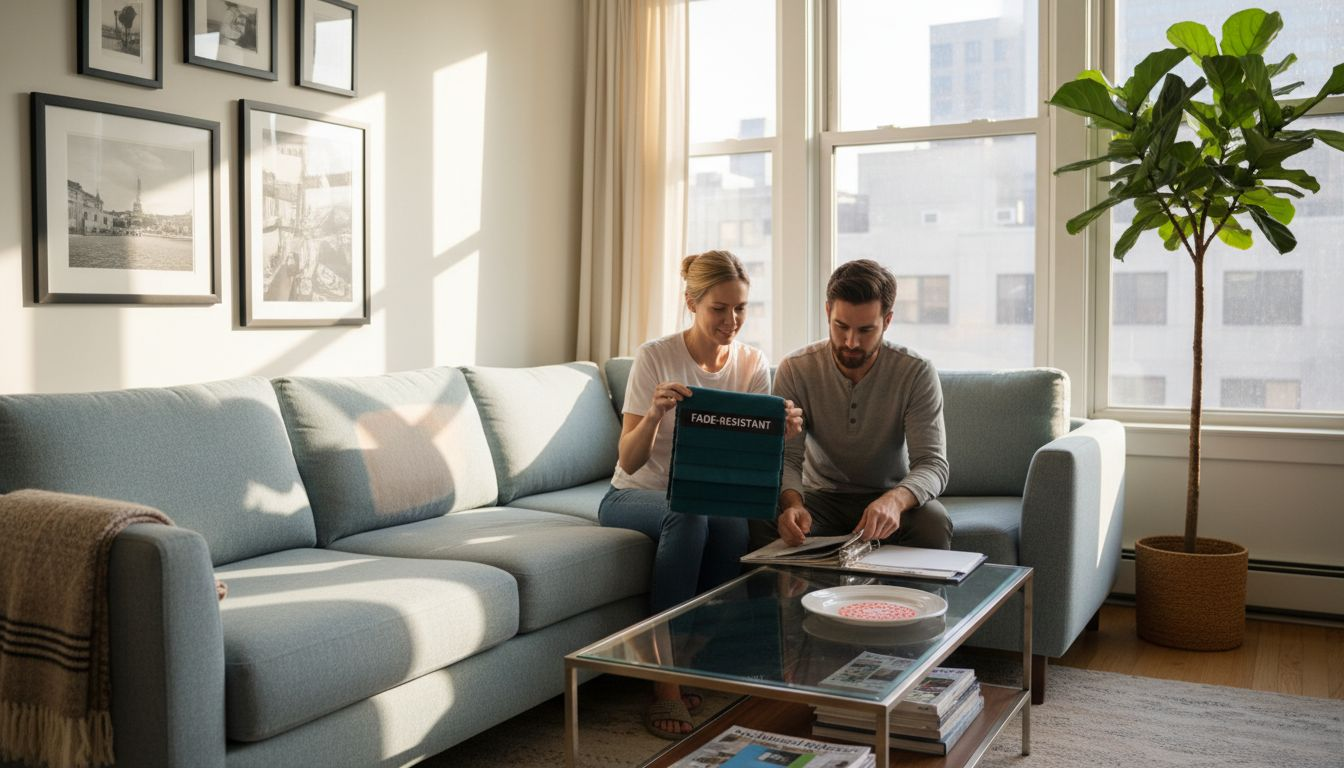
Finding fabric that keeps its vibrant color through sun-filled days and frequent cleaning can feel like an ongoing battle for decorators and small business owners across North America. Upholstery in living rooms and storefronts gets exposed to sunlight, moisture, and environmental pollutants, leading to noticeable fading. Discover how fade-resistant fabrics use advanced fiber chemistry and protective treatments to maintain color and durability, making your furniture and decor look newer for longer.
| Point | Details |
|---|---|
| Fade-resistant fabrics extend furniture lifespan | These fabrics can last 50-100% longer compared to standard options, reducing replacement frequencies and saving costs. |
| Material choice impacts performance | Selecting between natural, synthetic, and semi-synthetic fibers affects durability and color retention; choose based on the environment. |
| Advanced technologies enhance fade resistance | Strategies like UV-absorbing treatments and lightfast dyes significantly prolong the visual appeal of fabrics. |
| Informed choices improve client satisfaction | Understanding fabric care requirements and environmental impacts helps maintain aesthetics and build trust with clients. |
Fade-resistant fabrics are textiles engineered or naturally designed to maintain their color despite exposure to light, washing, and environmental conditions. Your upholstered furniture and decor pieces face constant threats from sunlight streaming through windows, moisture from cleaning, and airborne pollutants. These fabrics fight back.
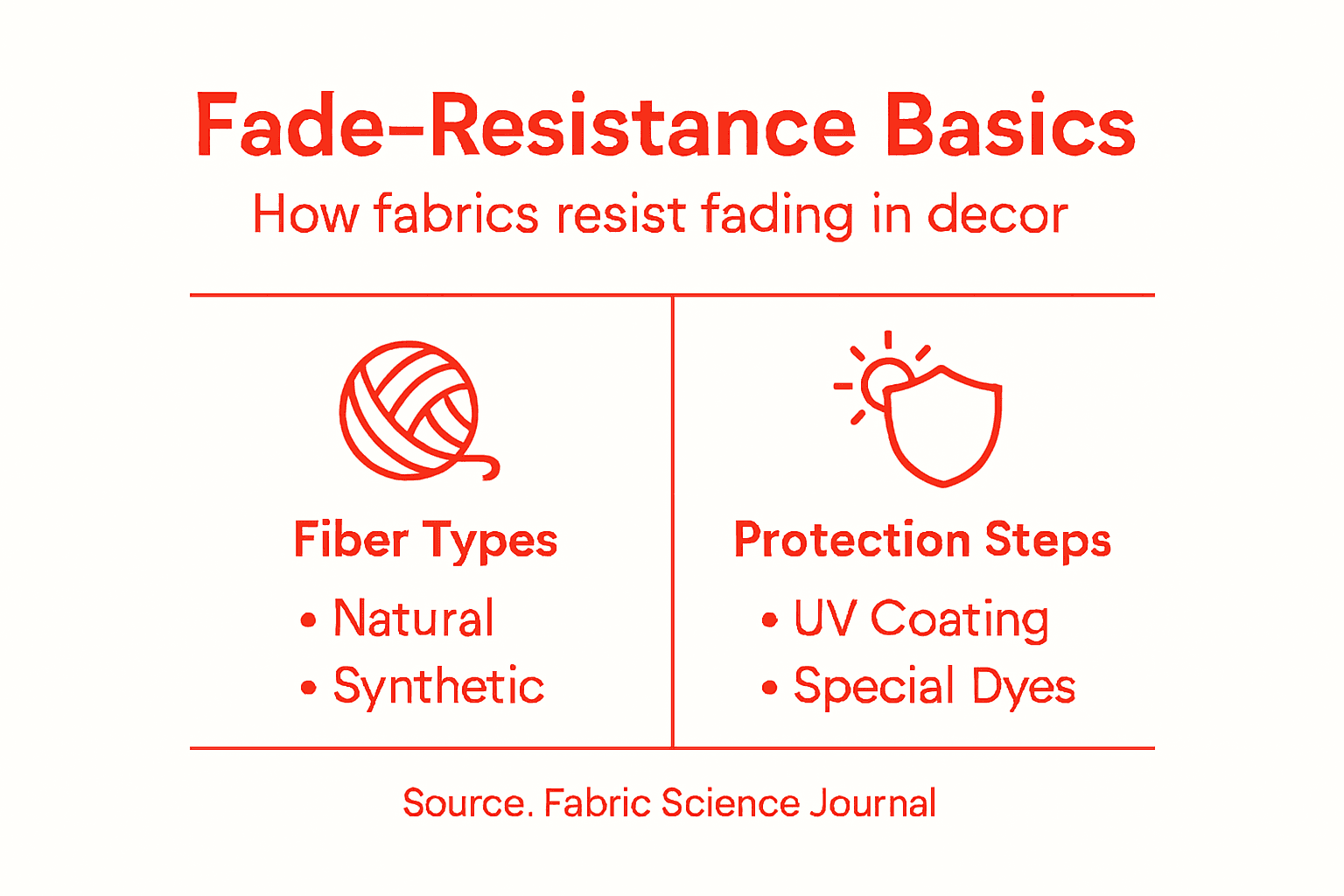
The science behind fade resistance starts with fiber composition. Fibers are long polymer molecules, and their chemical structure determines how well they resist color loss. Natural fibers like cotton and linen can be fade-resistant, as can synthetic options like polyester, nylon, and acrylic. The key lies in both the fiber itself and the dyes applied to it.
Light exposure, particularly ultraviolet (UV) radiation, causes the most visible damage to fabric color. When UV rays hit dyed fibers, they weaken the chemical bonds holding pigment molecules together, causing noticeable color fading. Environmental factors amplify this effect—humidity fluctuations and airborne pollutants accelerate degradation. Understanding how light damages fibers helps you appreciate why fade-resistant technology matters for your home.
Fade-resistant fabrics use multiple defense strategies:
The difference between regular fabrics and fade-resistant options becomes obvious within 12-18 months in high-light areas. A standard upholstery fabric on a south-facing sofa will show noticeable color change while fade-resistant alternatives maintain their original hue. For small business owners managing rental properties or high-traffic spaces, this translates to furniture that looks newer longer and requires less frequent replacement.
Fade-resistant fabrics aren’t immune to fading—they’re significantly slower to fade, meaning your investment in home decor lasts longer and maintains its visual appeal.
When evaluating fade-resistant options, check for colorfastness ratings measured on standardized testing scales. These ratings indicate how many hours or light exposures a fabric can endure before visible fading occurs. Higher ratings mean better performance in challenging conditions like sunrooms, covered patios, or spaces with lots of window exposure.
The relationship between fade resistance and overall fabric quality matters too. Fabric finishes applied during production can enhance fade resistance while adding benefits like stain protection or water repellency. Quality fade-resistant fabrics combine multiple technologies for maximum durability.
Pro tip: Test fabric samples in your actual space for 2-3 weeks before committing to upholstery projects, placing them near windows where they’ll receive real sunlight exposure rather than relying on showroom lighting alone.
Not all fade-resistant fabrics perform the same way. The material you choose determines how long your furniture maintains its color and how it behaves through years of use. Your business needs different solutions than a residential living room, so understanding material options is critical.
Fade-resistant options fall into three main categories: natural fibers, synthetic fibers, and semi-synthetic materials. Each brings distinct advantages and trade-offs for home decor projects.
Organic cotton offers durability with a classic textile feel that homeowners love. When processed with fade-resistant treatments, cotton maintains color well while breathing naturally in humid environments. Linen and hemp share similar benefits—they resist fading when properly treated and age beautifully over time.
Natural fibers work best in moderate-light environments. Full sun exposure all day challenges even treated natural materials. For a cozy reading nook or living room with filtered light, natural fiber fade-resistant fabrics deliver comfort and longevity.
Polyester, nylon, and acrylic are engineered powerhouses for fade resistance. These synthetic fibers feature strong chemical bonds that naturally resist UV radiation and color fading. Synthetic options outperform natural fibers in high-light situations like sunrooms, patios, or retail spaces.
Synthetic fade-resistant fabrics offer:
The trade-off? They can feel less luxurious and don’t breathe as naturally as cotton or linen.
Rayon and lyocell bridge the gap between natural and synthetic. These man-made cellulosics combine natural polymer bases with chemical modifications for improved fade resistance. They offer the comfort of natural fibers with better color retention than untreated cotton.
Semi-synthetics perform well in moderate-to-bright light. They’re ideal for design projects where you want natural aesthetics without compromising durability. Your upholstery maintains that soft, inviting feel while resisting fading significantly better than basic natural fabrics.
Choose synthetic fibers for high-light commercial spaces, natural or semi-synthetic for residential areas with moderate sunlight exposure.
Wool deserves mention too. While traditionally less fade-resistant, modern treatments have improved wool’s color retention for fade-resistant applications. It’s ideal for high-traffic upholstery where durability matters as much as appearance.
For small business owners stocking rental properties or designers matching client budgets, material selection shapes both aesthetic and financial outcomes. Polyester maximizes durability in challenging conditions, while natural fibers create that premium feel clients expect in higher-end projects.
Here’s how major fade-resistant fabric types compare:
| Fabric Type | Color Retention | Feel and Comfort | Best Use Environment |
|---|---|---|---|
| Natural (Cotton) | Moderate | Soft, breathable | Moderate sunlight areas |
| Synthetic (Polyester) | Excellent | Less breathable | Intense sunlight, outdoors |
| Semi-Synthetic (Rayon) | Good | Soft, smooth | Bright yet indoor spaces |
| Treated Wool | Improved | Durable, resilient | High-traffic interiors |
Pro tip: Blend natural and synthetic fibers in your fabric selection—use synthetics for high-sun furniture pieces and natural fibers for lower-light statement pieces to balance aesthetics, budget, and longevity.
Fade-resistant fabrics use multiple layers of chemistry and engineering to protect color. Understanding these mechanisms helps you make informed choices for your decor projects and explain value to clients.
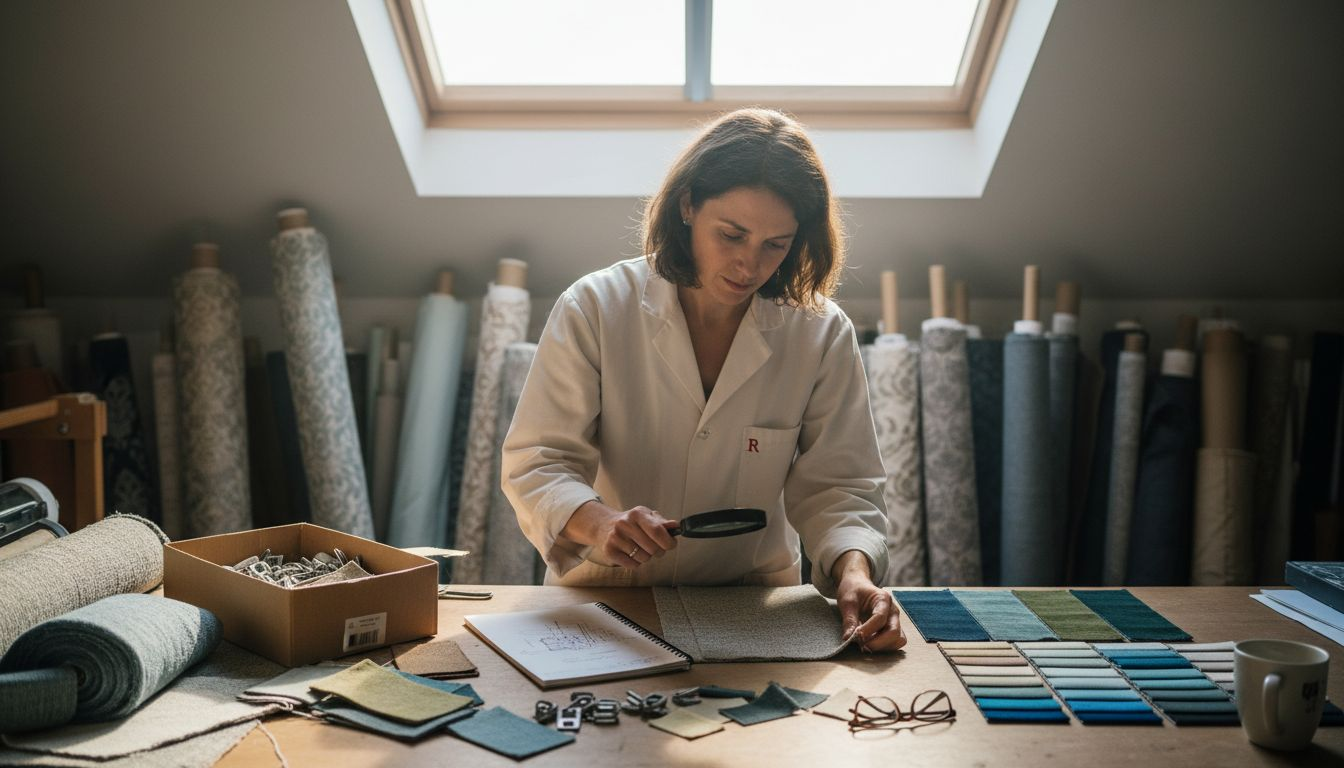
The core problem is simple: UV light breaks down the chemical bonds holding dyes in fiber structure. When those bonds weaken, color fades visibly. Fade-resistant fabrics fight this breakdown through four primary strategies.
Manufacturers apply protective coatings that absorb ultraviolet radiation before it reaches the dye molecules. Think of it as sunscreen for your fabric. These treatments sit on the fiber surface, intercepting harmful UV rays and converting them into harmless heat instead of letting them damage color pigments.
This approach works immediately and requires no special fiber selection. Existing fabrics can receive UV-absorbing treatments during finishing. The downside? These coatings gradually wear away with washing and cleaning.
Synthetic fibers like polyester and nylon have inherently stable chemical structures. Their polymer chains resist UV degradation naturally—the fiber itself protects the dye. This is why synthetic fade-resistant fabrics outperform treated natural fibers in harsh sunlight exposure.
Understanding how fiber durability protects your investment reveals why synthetics dominate commercial upholstery applications. Their molecular structure simply doesn’t break down as easily under UV attack.
Dye selection matters enormously. Lightfast dyes have stronger chemical bonds within fiber structure—they resist photodegradation far better than standard colorants. Premium fade-resistant fabrics use reactive dyes and vat dyes engineered for stability.
These superior dyes cost more but deliver results:
Advanced finishing processes lock color deeper into fiber structure. Modern textile engineering applies water-repellent and abrasion-resistant coatings that work together with dyes to prevent color loss. These finishes also shield against environmental pollutants—dust, moisture, and airborne chemicals that accelerate fading.
Many premium fade-resistant fabrics combine multiple strategies. A polyester sofa fabric might feature inherently stable fibers plus lightfast dyes plus protective coatings. This layered approach explains why quality fade-resistant fabrics maintain appearance so much longer than basic options.
Fade-resistant fabrics prevent fading through combined chemistry and engineering—not one single solution, but multiple protective layers working together.
The result? A fabric that looks newer 3-5 years longer than standard upholstery in real-world home conditions. For rental properties cycling through tenants or high-traffic design projects, that extended lifespan directly increases profitability.
Pro tip: Ask suppliers specifically what fade-resistance methods they use—UV coating, fiber type, dye quality, or finishes—so you understand what you’re paying for and can set realistic client expectations.
This summary highlights the main fade prevention strategies and their business benefit:
| Strategy | Main Mechanism | Business Benefit |
|---|---|---|
| UV-Absorbing Treatment | Coating blocks UV rays | Extends color life, easy add-on |
| High-Performance Fibers | Stable polymer structure | Reduces replacement costs |
| Lightfast Dyes | Enhanced dye chemistry | Maintains vibrant appearance |
| Protective Finishes | Surface seals color, adds resilience | Lowers maintenance needs |
Fade-resistant fabrics deliver measurable financial and aesthetic advantages for both residential designers and commercial property managers. The benefits extend beyond just color retention—they reshape project economics and client satisfaction.
Furniture replacement ranks among the highest decor expenses. A sofa with standard fabric might require reupholstering or replacement every 4-6 years in sunny environments. Fade-resistant alternatives stretch that timeline to 8-12 years, sometimes longer. That’s 50-100% additional life from the same investment.
Consider a 150-piece rental property portfolio. Standard upholstery on 20 sofas over 5 years means roughly 7 replacement cycles. Fade-resistant fabric means 4-5 cycles. The labor, materials, and downtime savings accumulate quickly into five-figure amounts annually.
Vibrant color retention matters psychologically. Guests notice furniture that looks fresh and intentional, not faded and tired. Fade-resistant fabrics maintain the aesthetic appeal that drew you to the design in the first place, preserving your investment’s visual impact year after year.
This benefit extends beyond sofas:
Standard fabrics fade faster when cleaned frequently—a cruel catch-22 for high-traffic spaces. Fade-resistant materials withstand aggressive cleaning without visible color loss. You can maintain hygiene standards without sacrificing appearance.
High-traffic areas with children and pets benefit enormously. Fade-resistant fabrics provide better stain and wear resistance, meaning fewer touch-ups and refresh cycles. Your cleaning routine becomes sustainable rather than destructive.
Extending furniture life directly reduces waste. A sofa lasting 12 years instead of 6 means one fewer replacement entering landfills. Over a career, designers selecting fade-resistant options prevent tons of textile waste.
This matters increasingly to conscious consumers. When you specify fade-resistant upholstery, you’re making an environmental statement that resonates with clients valuing sustainability.
Fade-resistant fabrics transform upholstery from a liability—constantly fading, requiring constant refresh—into an asset that maintains value and appearance for years.
When you specify fade-resistant materials, you’re delivering a promise you can keep. Clients understand why this sofa will look better in year three than standard alternatives. That transparency builds trust and justifies premium pricing.
Small business owners managing multiple properties gain negotiating power with owners. Longer-lasting furniture means fewer capital expenditures, directly improving financial metrics.
Pro tip: Create a simple visual comparison showing standard fabric fade versus fade-resistant fabric from a real project at 12, 24, and 36 months—this proof accelerates client decisions and justifies premium fabric investment.
Even experienced decorators stumble when selecting fade-resistant fabrics. These errors cost money, damage client relationships, and waste material. Knowing what to avoid saves projects before they fail.
That stunning jewel-tone velvet catches your eye immediately. It’s gorgeous. It’s also prone to fading in direct sunlight and demanding to clean. Many decorators fall into the aesthetics trap, selecting fabrics that look perfect in showrooms but perform poorly in real homes.
Real-world conditions matter more than initial appearance. A client’s south-facing living room isn’t a design studio. Your fabric choice must survive actual sunlight, actual cleaning, and actual wear.
Some fabrics demand specialized care that clients won’t provide. Dry-clean only upholstery in a busy household? That’s a recipe for permanent staining and client frustration. When choosing fabrics for your projects, factor in realistic maintenance demands.
Common care mistakes include:
Not researching sustainability profiles leads to choices that wear out quickly and create waste. Fabrics made with heavy chemical dyeing or poor production practices deteriorate faster, negating any cost savings.
Beyond environmental concerns, some fabrics off-gas chemicals or harbor allergens that bother sensitive clients. You’re recommending a product for years of intimate contact. Health matters.
A perfect fade-resistant fabric for one room might fail catastrophically in another. Sunroom furniture needs different specs than bedroom drapery. Commercial rental units need different performance than residential family rooms. Cookie-cutter fabric selection ignores context.
Match fabric properties to actual location conditions:
You can’t judge durability by touch or appearance. Two identical-looking fabrics perform wildly differently. One might hold color brilliantly for 10 years; the other fades noticeably in 18 months. Requesting colorfastness ratings and testing samples prevents expensive regrets.
Choosing fabrics based on how they look in the showroom rather than how they perform in homes is the costliest mistake decorators make repeatedly.
Premium fade-resistant fabrics cost more upfront. Your client’s budget might seem to preclude them. But calculate total cost of ownership: replacement cycles, labor, downtime, and client dissatisfaction factor in. Often, fade-resistant options cost less over 10 years despite higher initial price.
Pro tip: Request fabric samples from three different manufacturers, install them in your client’s actual space for two weeks near the window with the most sun exposure, then photograph weekly to show real-world fade comparisons before committing to final selections.
Maintaining vibrant colors over time is a common challenge for homeowners and business owners alike. This article highlighted how UV light, cleaning, and environmental factors cause costly fading and wear. If you want upholstery and decor fabrics that stay fresh and beautiful longer choose fade-resistant fabrics engineered through advanced fibers, lightfast dyes, and protective finishes. Our Bulk Pricing - Fashion Fabrics - Page 1 collection features a wide selection of durable textiles designed to withstand sunlight and daily use without losing their appeal.
Ready to extend the life of your furniture and decor with high-performance fabrics? Explore premium options now at fabric-fabric.com. Whether you need resilient upholstery textiles or fabrics for custom project needs, our comprehensive site makes it easy to find materials tailored to your light exposure and maintenance demands. Protect your investment today and enjoy longer-lasting color and comfort with textiles that work as hard as you do.
Fade-resistant fabrics are textiles designed to maintain their color despite exposure to light, washing, and environmental conditions. They use advanced materials and technologies to resist fading over time.
Fade-resistant fabrics utilize a combination of UV-absorbing treatments, high-performance synthetic fibers, lightfast dyes, and protective finishes to shield the color from degrading due to light exposure.
Using fade-resistant fabrics extends the lifespan of furniture, saves on replacement costs, maintains the vibrant appearance of upholstery, and reduces maintenance requirements, ultimately contributing to a more sustainable home decor investment.
No, the effectiveness of fade-resistant fabrics varies based on factors such as material composition, dye quality, and protective treatments. It is essential to evaluate colorfastness ratings and choose the appropriate fabric type for specific environments.