

 Canadian Dollars

Role of Fabric Texture – Enhancing Upholstery Impact
Posted by BLG on 2025 Dec 31st
Posted by BLG on 2025 Dec 31st


Most American home decor enthusiasts know that the right upholstery texture can instantly transform a room’s mood and comfort. With over 80 percent of furniture shoppers reporting texture as a top factor in decision making, the choice goes beyond simple looks. Dive deeper to uncover how each fabric’s tactile and visual qualities impact durability, maintenance, and overall style, helping you make informed selections that truly elevate your next project.
| Point | Details |
|---|---|
| Understanding Fabric Texture | Fabric texture influences both aesthetic appeal and comfort in upholstery, requiring attention to tactile and visual qualities. |
| Selecting the Right Fabric | Consider the intended use and maintenance needs when choosing upholstery fabrics to ensure durability and longevity. |
| Balancing Texture Types | Combining different textures can create visual interest and enhance the sensory experience in home decor. |
| Avoiding Common Mistakes | Be mindful of function, maintenance requirements, and room context to prevent selecting inappropriate fabrics for specific situations. |
Fabric texture represents the intricate tactile and visual characteristics that define a fabric’s surface quality and sensory experience in upholstery design. Understanding texture goes beyond simple visual appearance, encompassing how a material feels, looks, and interacts with light and touch. Fabric textures in upholstery range from smooth and sleek to rough and complex, each offering unique aesthetic and functional properties.
At its core, fabric texture emerges from the fundamental construction of the textile, including weave patterns, fiber composition, and surface treatments. The ISO 21920-2:2021 standard provides comprehensive guidelines for characterizing surface textures, helping designers and manufacturers quantify and analyze fabric qualities through precise measurements of roughness, waviness, and surface irregularities.
Upholstery textures can be categorized into several primary types:
Pro tip: When selecting upholstery fabric, always touch the material to understand its true texture and how it might feel in daily use.
Home decor textured fabrics offer an incredible range of sensory and visual experiences that transform living spaces from ordinary to extraordinary. Textile fibers for home decor span a diverse spectrum, including natural and synthetic materials that bring unique tactile and aesthetic qualities to upholstery and interior design.
Natural fibers provide some of the most compelling texture options for home decor. Wool presents a wonderfully nubby and warm texture, while silk and cotton create contrasting surface characteristics that can dramatically influence a room’s ambiance. Semi-synthetic and synthetic fibers like polyester and rayon expand design possibilities, offering textures that combine performance with visual interest.
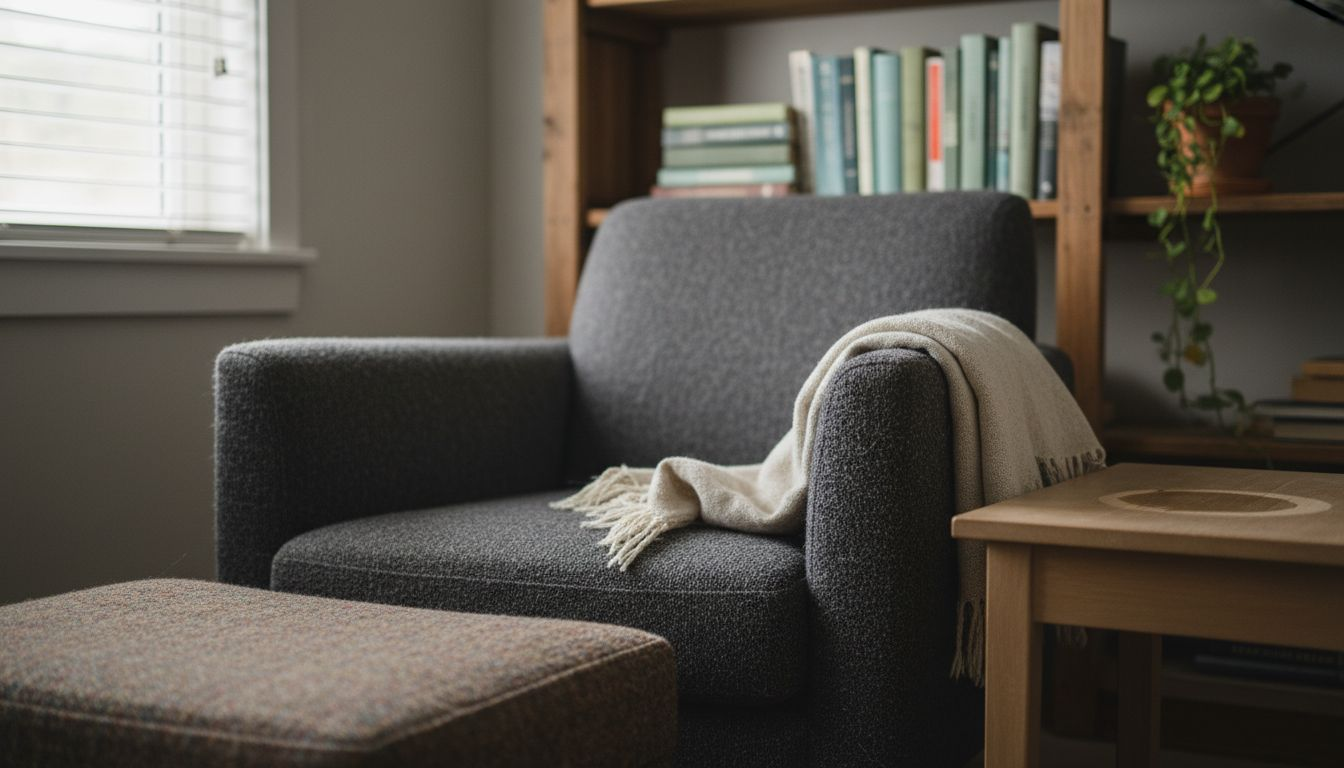
Key textured fabric types for home decor include:
Here’s how popular upholstery fabric textures compare for home decor:
| Texture Type | Typical Fiber Sources | Visual Impact | Feel to the Touch |
|---|---|---|---|
| Boucle | Wool, Acrylic | Softly nubby | Cushioned, cozy |
| Chenille | Cotton, Rayon | Deep, lustrous | Velvety, plush |
| Velvet | Silk, Polyester | Rich, reflective | Smooth, luxurious |
| Tweed | Wool, Blends | Multi-tonal, complex | Rugged, textured |
| Linen | Flax | Subtle, natural | Crisp, breathable |
Pro tip: Mix different fabric textures in your home decor to create visual depth and tactile interest, balancing smooth and rough surfaces for a sophisticated design approach.
Texture plays a transformative role in upholstery, bridging the critical intersection between visual aesthetic and physical comfort. Ergonomic furniture design demonstrates that fabric texture significantly impacts user experience by influencing thermal regulation, pressure distribution, and sensory perception.
The psychological and physiological dimensions of texture extend far beyond mere surface appearance. Soft, plush textures like velvet and chenille create a sense of warmth and inviting comfort, while crisp, structured fabrics like linen suggest sophistication and clean lines. Different textures communicate distinct emotional responses, allowing designers and homeowners to curate spaces that not only look beautiful but feel intentional and personally expressive.
Key considerations for texture in comfort and style include:
The following table summarizes how texture affects upholstery comfort and style factors:
| Factor | Smooth Textures | Rough Textures |
|---|---|---|
| Thermal Regulation | Cooler, less insulated | Retains warmth, cozy |
| Visual Depth | Minimal, streamlined | Enhanced, layered appeal |
| Maintenance Effort | Simple, easy care | May require special care |
| Emotional Effect | Modern, calm | Inviting, rustic |
Pro tip: Layer different textured fabrics in your living spaces to create visual complexity and enhance sensory comfort, mixing smooth and rough surfaces for a dynamic design approach.
Upholstery fabric durability represents a complex interplay between material composition, texture, and maintenance requirements. Durability and maintenance of upholstery fabrics depend critically on understanding each fabric’s unique characteristics, with specific cleaning techniques essential for preserving appearance and longevity.
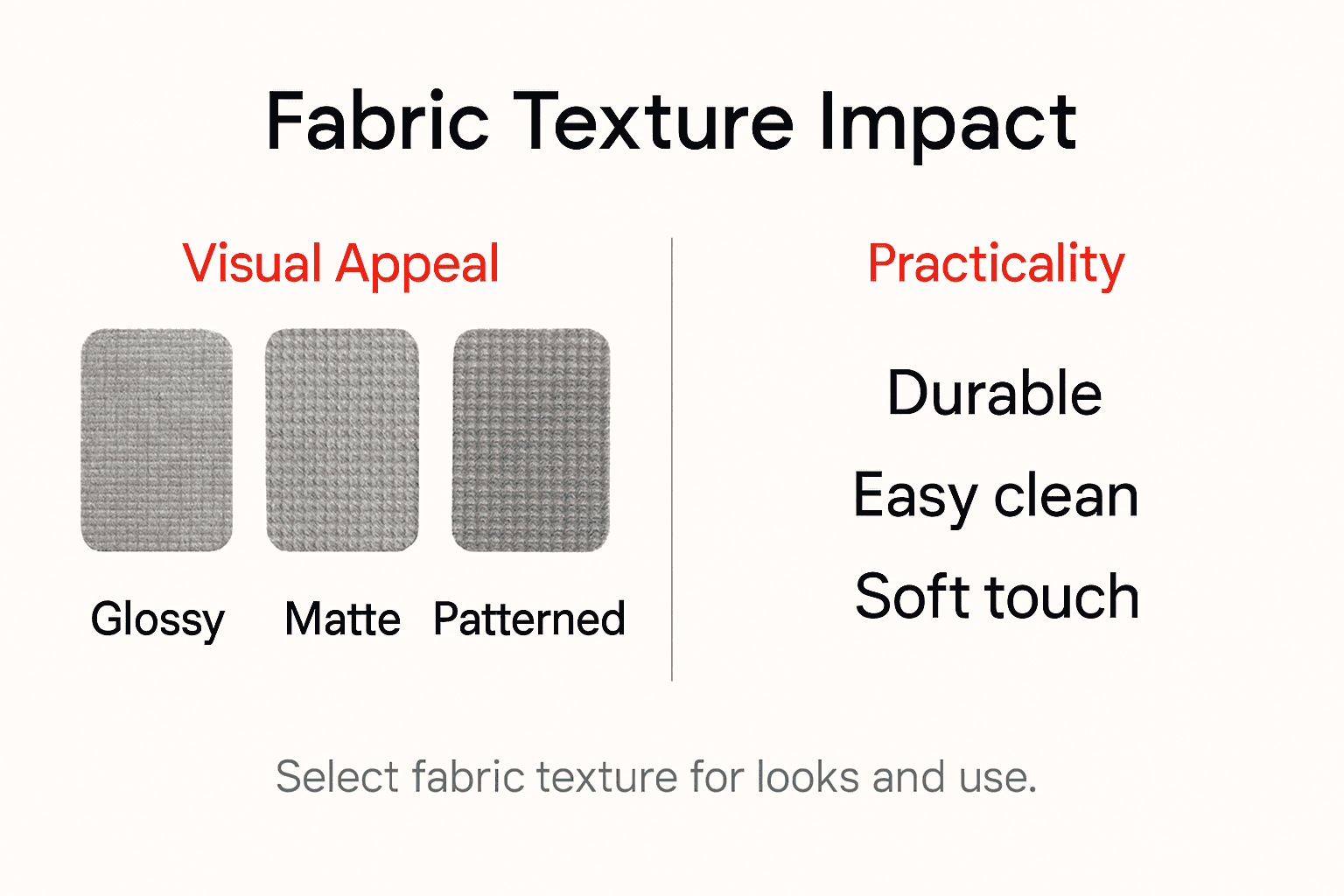
Textured filament yarns provide enhanced durability through mechanical interlocking of fibers, which improves abrasion resistance and resilience. Different fabric textures demand tailored maintenance strategies, with delicate materials like chenille and velvet requiring more specialized care compared to more robust synthetic blends.
Key considerations for fabric durability and maintenance include:
Pro tip: Always test cleaning solutions on a hidden fabric area first to prevent potential damage and ensure compatibility with your specific upholstery texture.
Selecting the wrong upholstery fabric texture can compromise both the aesthetic appeal and functional performance of your furniture. Homeowners frequently make critical errors by overlooking the complex relationship between texture, usage patterns, and long-term durability.
Professional designers emphasize the importance of comprehensive texture evaluation. Upholstery texture selection requires careful consideration of multiple factors beyond simple visual attraction, including environmental conditions, maintenance requirements, and specific usage scenarios.
Common mistakes to avoid include:
Pro tip: Always request fabric samples and test them in your actual space under realistic conditions before making a final upholstery texture selection.
Choosing the right fabric texture is essential to both the comfort and style of your upholstery. This article highlights the challenges of balancing durability, maintenance, and visual appeal while selecting textured fabrics like velvet, chenille, and boucle. If you want to avoid common mistakes such as ignoring fabric resilience or maintenance needs, it is vital to source high-quality textiles that deliver on all fronts.
Explore our diverse collection at Fabric-Fabric where you will find richly textured upholstery fabrics designed to elevate your home decor. Whether you seek soft, plush velvet or sturdy tweed, our detailed product descriptions make it easy to choose the perfect fabric that meets your comfort and design goals. Act now to take advantage of our seasonal sales and free shipping offers to bring elegance and lasting quality to your living spaces. Start browsing today at our website and transform your furniture with the ideal fabric texture.
Fabric texture refers to the tactile and visual characteristics that define a fabric’s surface quality, impacting both aesthetic appeal and sensory experience in upholstery design.
Fabric texture influences comfort by affecting thermal regulation, pressure distribution, and sensory perception, making some textures feel warmer or cooler, and softer or more structured.
Different types of textured fabrics for home decor include boucle, chenille, velvet, tweed, and linen, each providing unique visual and tactile qualities that can enhance living spaces.
Common mistakes include ignoring the intended use of the fabric, overlooking maintenance requirements, disregarding the context of the room, neglecting durability, and underestimating wear and tear from daily use.