

 US Dollar

Buy Swatches First: Fabric for Dyeing, Fiber Checks and Prep
Posted by BLG on 2026 Sep 11th
Posted by BLG on 2026 Sep 11th

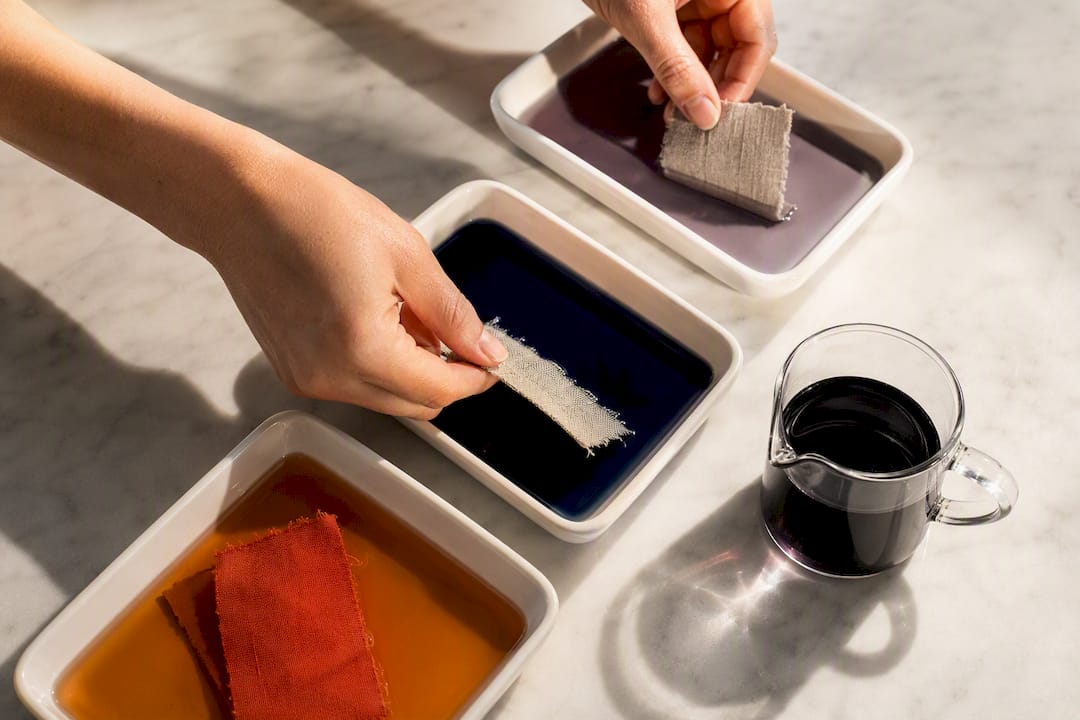
Cellulose fibers like cotton, linen, and hemp take fiber-reactive dyes best and hold color through years of washing. Protein fibers like silk and wool need acid dyes instead. Polyester, acrylic, and olefin resist dye with standard home kits and require industrial disperse-dye equipment, so they are not suitable for typical home projects. Buy fabric labeled prepared-for-dyeing (PFD) when you can, and match your dye class to your fiber before purchasing yardage.
TL;DR:
- Fabric blends with polyester or olefin will resist dyeing unless using industrial disperse dyes at high heat, making home dyeing impractical.
- Natural fibers like cotton, linen, or hemp with fiber-reactive dyes produce vivid, long-lasting colors suitable for home projects.
- Proper fabric preparation, including scouring and avoiding fabric softeners, is essential to achieve even dye absorption and prevent failed results.
- Always test dyeing on a small fabric swatch before committing to larger yardage to ensure even color and expected fastness.
- Labels marked PFD or natural fiber content are reliable indicators of dyeability, but burn, water-bead, and tactile tests help verify fiber type when labels are missing.
Fabric only accepts dye when its fiber structure lets dye molecules bond to it, and that bond looks completely different depending on what the fabric is made of.
Cellulosic fibers are the easiest entry point for anyone new to dyeing. Cotton, linen, hemp, and rayon (including Tencel) form covalent bonds with fiber-reactive dyes, the same chemical family behind Procion MX. That bond is permanent once it forms, which is why a well-dyed cotton tee survives hundreds of wash cycles without fading to gray. Cotton is the benchmark fabric most dye kits are formulated around, and for good reason: it’s forgiving, absorbs evenly, and produces the saturated colors people picture when they think “tie-dye.”
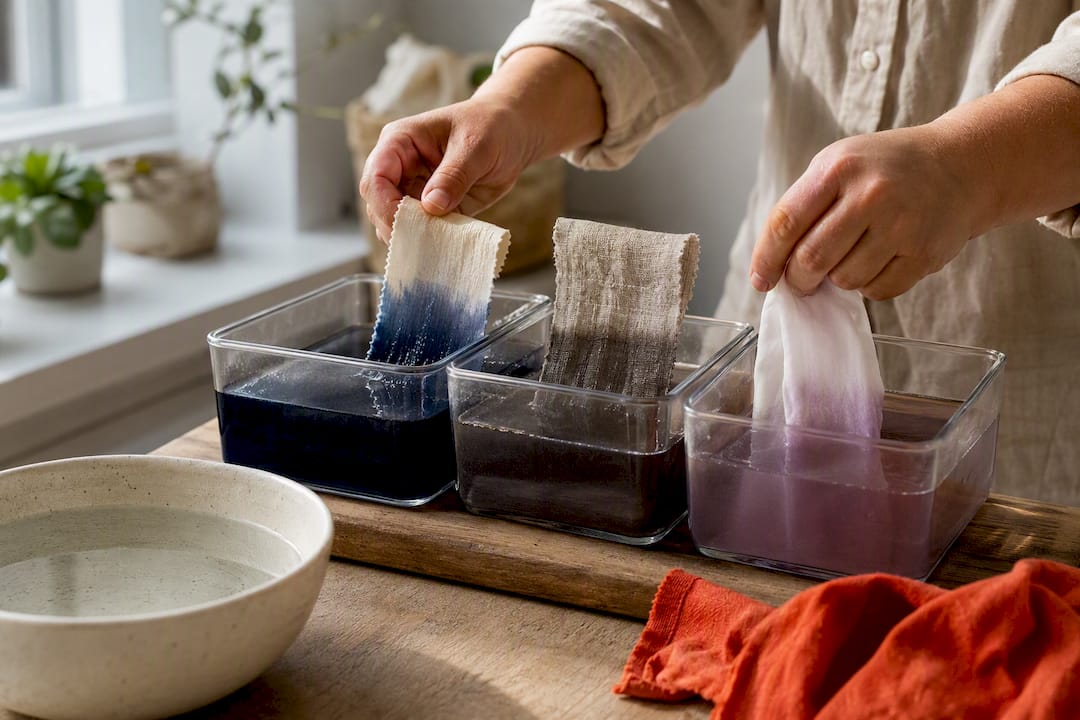
Protein fibers work differently. Wool and silk are built from amino acids, and they grab onto acid dyes through ionic attraction rather than a permanent chemical bond. That means lower dyeing temperatures and gentler handling, but also a slightly different fastness profile. Acid-dyed silk scarves look gorgeous, but they need cooler washes than dyed cotton.
Synthetics are where most beginner projects go wrong. Polyester, acrylic, and olefin are hydrophobic. They physically repel water-based dye baths. The only dye class that penetrates polyester is disperse dye, and it needs sustained heat near 125°C to 135°C, conditions no stovetop or washing machine reaches.
A 50/50 cotton-polyester blend absorbs color unevenly, with the cotton component taking the dye and the polyester remaining pale, resulting in a heathered or muted effect. If you want a clean, solid color, stick to fabric that’s close to 100% natural fiber.
Most disappointing dye results trace back to preparation, not the dye itself.
Start by checking the label. “PFD” means prepared for dyeing: the mill already stripped sizing, waxes, and finishing agents, so the fabric is ready straight out of the package. Certified PFD silk or cotton lets you skip scouring entirely. Anything without that label, including most fabric off a regular bolt, likely still carries sizing that blocks even dye absorption.
Here’s a basic home scouring process for cotton or linen that isn’t labeled PFD:
If you’re working with natural dyes instead of synthetic ones, mordanting comes next. Alum is the standard mordant for most plant dyes on cotton and wool, and recipes typically call for weighing your dry fabric first to calculate the right mordant ratio. Soda ash, by contrast, is used to fix fiber-reactive dyes on cellulose, not as a natural-dye mordant.
Pro Tip: Never pre-wash new fabric with fabric softener before dyeing. Softener coats fibers in a waxy residue that blocks dye uptake, and it’s one of the most common reasons a “failed” dye batch was never the dye’s fault at all.
Watch for durable water repellent (DWR) finishes and stain-resistant treatments too. Both are designed to reject liquids, which means they’ll reject your dye bath just as effectively.
Labels lie sometimes, get cut off, or simply go missing on remnant fabric, so it helps to know a few fast physical tests.
When you’re buying yardage from a shop rather than pulling from your own stash, request a swatch first and run all four checks on it before committing to several yards.
Turning fiber knowledge into an actual purchase comes down to a short checklist.
Cotton remains the most forgiving choice for tie-dye specifically, since its pliability and strong affinity for fiber-reactive dye produce the vivid, high-contrast results most people associate with the technique. If you’re shopping for cotton specifically, it helps to know the different cotton weaves and weights before you order, since a lightweight voile behaves nothing like a heavy canvas in a dye bath.
Buying fabric for a dye project blind is risky, which is why sample-first shopping matters more here than for almost any other textile purchase.
If unsure whether a specific listing is dye-ready, contacting customer support to confirm finish details before ordering is advisable.
Most guidance on fabric for dyeing focuses on getting color onto the fabric. Almost none of it spends real time on whether that color stays there, and that’s the gap that trips up beginners repeatedly.
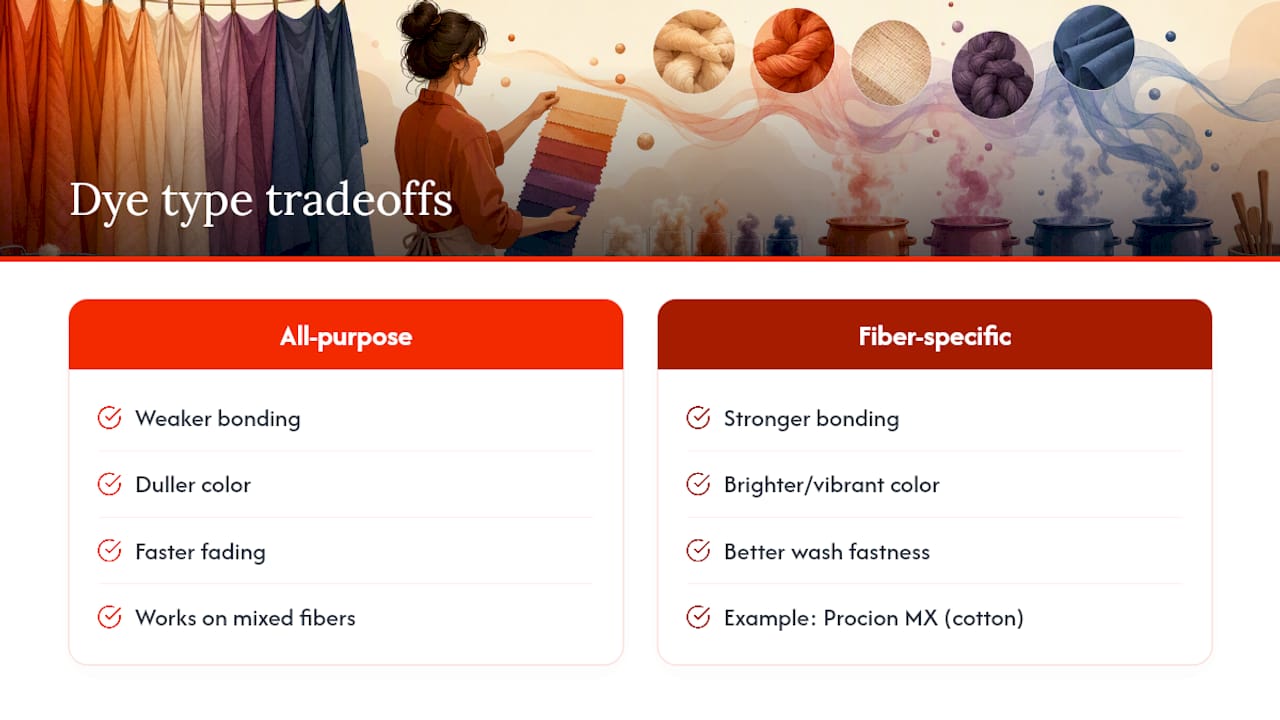
All-purpose dyes sold in supermarkets are marketed as working on “everything,” and technically they contain a blend meant to grab onto multiple fiber types at once. In practice, that blend is a compromise: weaker bonding, duller results, and faster fading than a fiber-specific dye gives you. If you’re dyeing cotton, Procion MX and other fiber-reactive dyes will outperform an all-purpose blend on vibrancy and wash fastness almost every time. The same logic applies to wool and silk with acid dyes.
The other underrated factor is fabric weight and weave, which barely gets mentioned next to fiber content. A tightly woven cotton sateen and a loose cotton gauze can produce noticeably different color intensity from the identical dye bath, simply because of how much surface area and how much dye liquor the weave can hold. Prioritize fiber content first, but don’t treat weave as an afterthought once you’ve settled on the right fiber.
— kev
Fabric-fabric’s Backdrop Fabrics category is where the fiber advice above turns into an actual order. The page carries cottons, linens, silks, and other natural-fiber yardage, including options suited to fiber-reactive and acid dyeing without the guesswork of decoding a vague listing elsewhere.

Before ordering multiple yards, request a swatch through the product page and run your dye test on it exactly the way you’d treat the full piece: same dye, same temperature, same timing. A swatch that takes color evenly tells you the yardage will behave the same way at scale, and it costs a fraction of what a ruined bolt of fabric would. Once the swatch passes, order the yardage with confidence instead of hoping for the best on a full cut.
Cotton is the most reliable fabric for home dyeing because it bonds strongly with fiber-reactive dyes and produces vivid, long-lasting color. Linen, hemp, and rayon follow closely behind for the same chemical reason.
Wool and silk are protein fibers that need acid dyes rather than fiber-reactive dyes, since they bond through ionic attraction instead of a covalent chemical bond.
Polyester, acrylic, and olefin are effectively undyeable with standard home dye kits because they’re hydrophobic and require disperse dyes at temperatures around 125°C to 135°C, which home equipment can’t reach.
Scour it first if it’s not labeled PFD, then dye it with a fiber-reactive dye for the most saturated, wash-fast results.