

 Canadian Dollars

Broadcloth Fabric: Buyers' Guide for Sewists & Makers
Posted by BLG on 2026 Aug 7th
Posted by BLG on 2026 Aug 7th

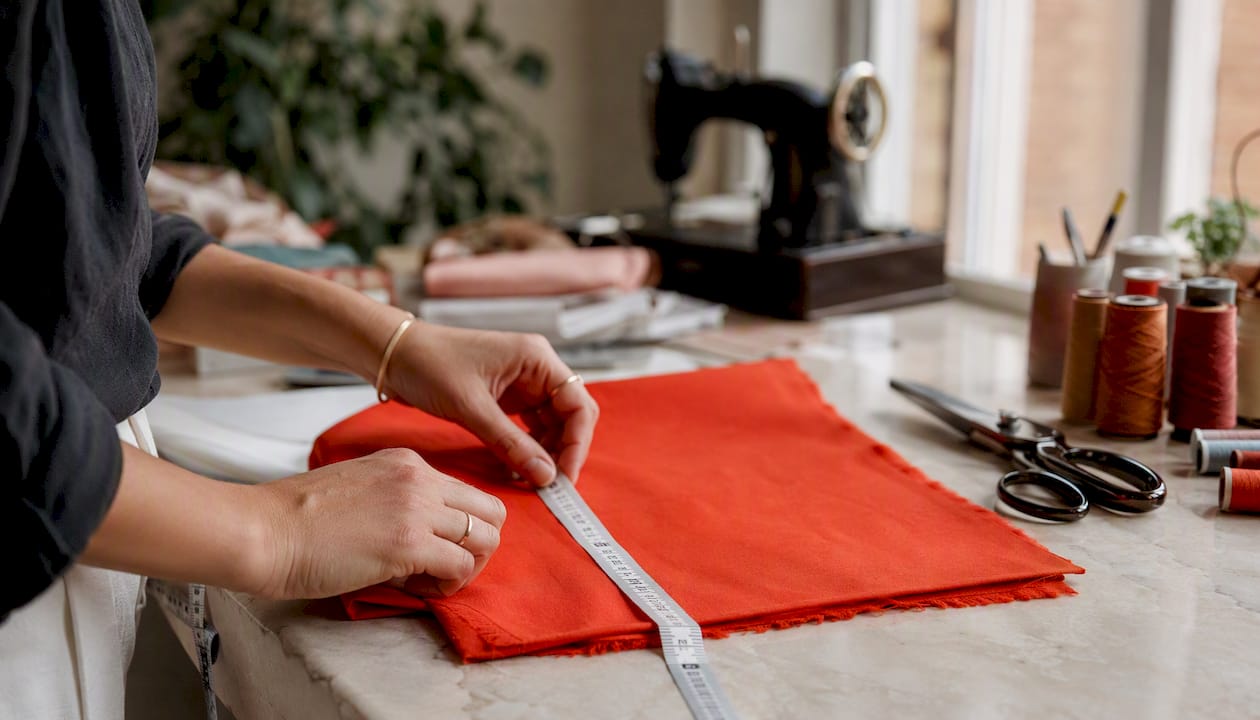
Broadcloth is a tightly woven plain-weave fabric, most commonly cotton or a cotton/polyester blend, and it’s one of the most reliable choices for crisp dress shirts, quilting, and structured craft projects. If you’re buying by the yard for shirting or quilting, go with 100% cotton broadcloth for breathability; reach for a 65/35 poly/cotton blend when you need wrinkle resistance and easier care.
Quick checklist before you buy:
Pro Tip: Order a swatch before committing to yardage. Broadcloth’s smooth face can look identical across fiber blends on a screen, but the hand feel and drape differ noticeably in person.
The ideal buyer is a home sewist or small-scale apparel maker who wants a stable, beginner-friendly woven that finishes cleanly and holds its shape through repeated washing.
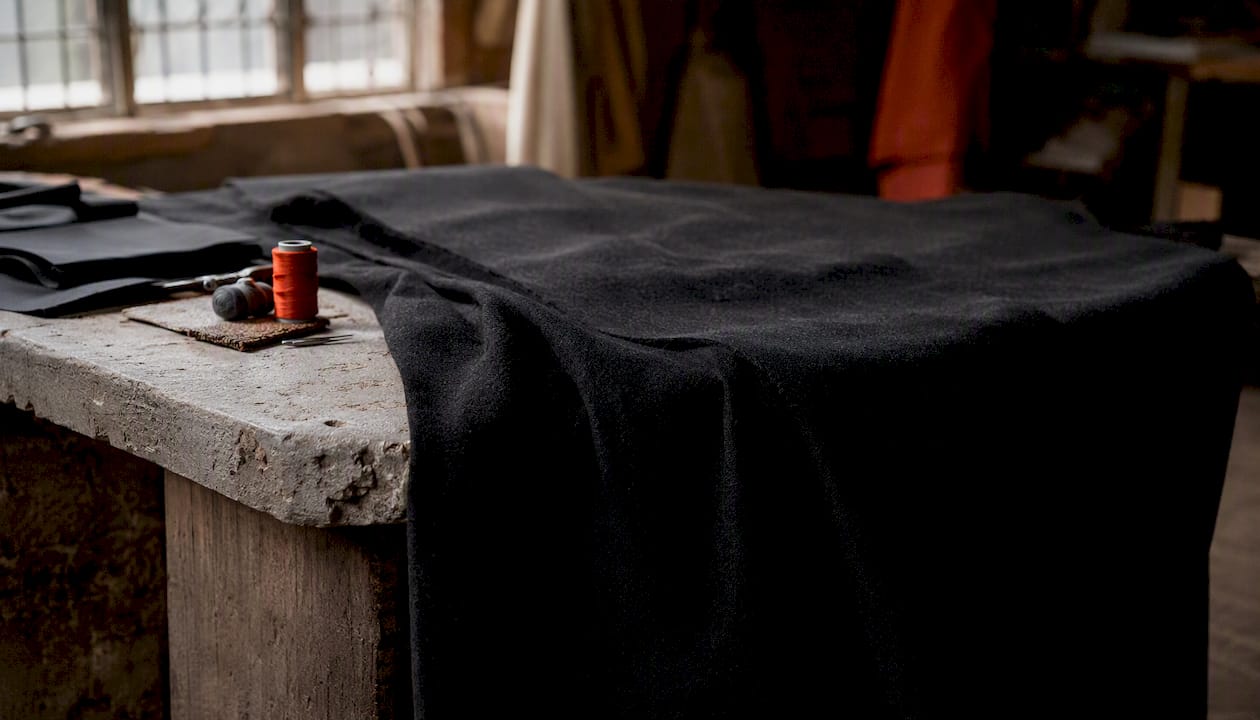
The word carries two distinct histories, and knowing both saves you from ordering the wrong thing. Historically, broadcloth was a dense, heavily fulled wool cloth woven wide on a broad loom, then milled and shrunk to produce a smooth, felted face. Medieval English weavers used it for tailored coats and cloaks. That wool tradition still exists in suiting and outerwear fabrics today.
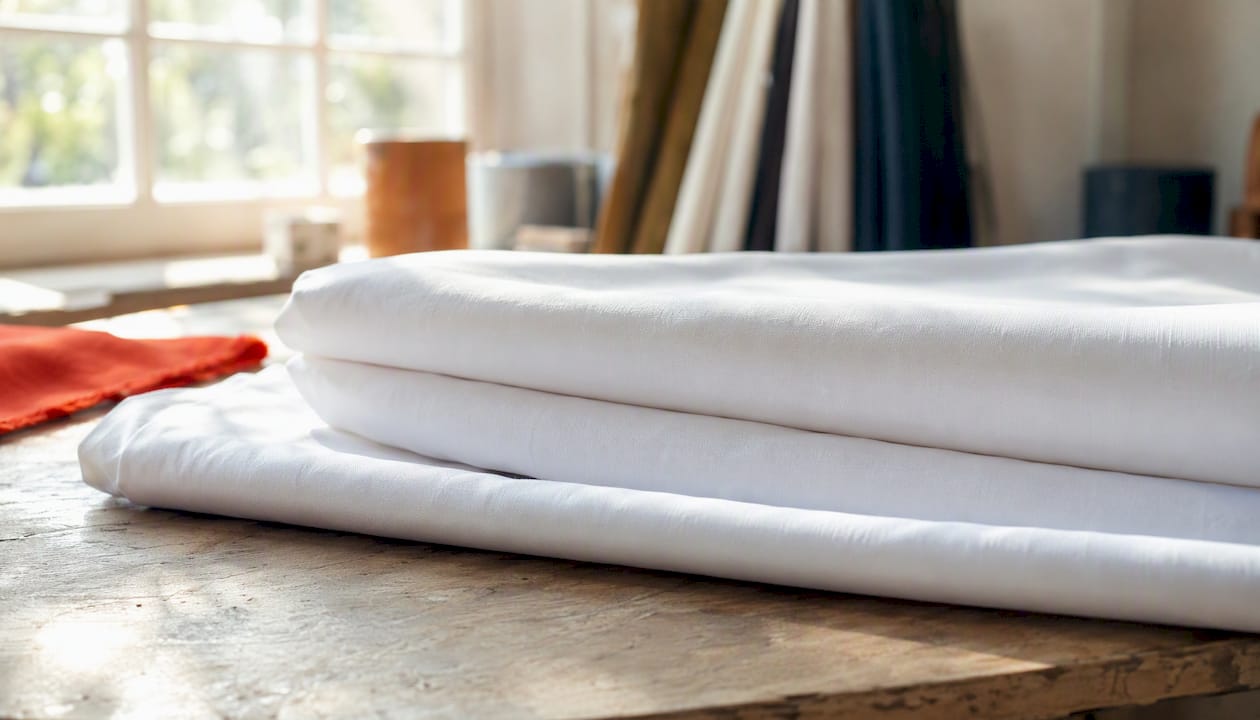
In modern American retail, the term shifted. Broadcloth now almost universally describes a tight plain-weave shirting fabric in cotton or cotton blends, with no wool involved. The confusion compounds because poplin and broadcloth are frequently used interchangeably by retailers, even though technically they differ in yarn size and weave density. Some sellers label the same fabric “fuji broadcloth” or “cotton poplin” depending on the market they’re targeting.
The practical consequence: the product name alone tells you very little. A listing that says “broadcloth” could be 100% cotton shirting, a poly blend, or even a rayon blend with a similar drape. What actually matters is the fiber percentage, the thread count or ends-per-inch, and whether a finish like mercerization or sanforizing is listed.
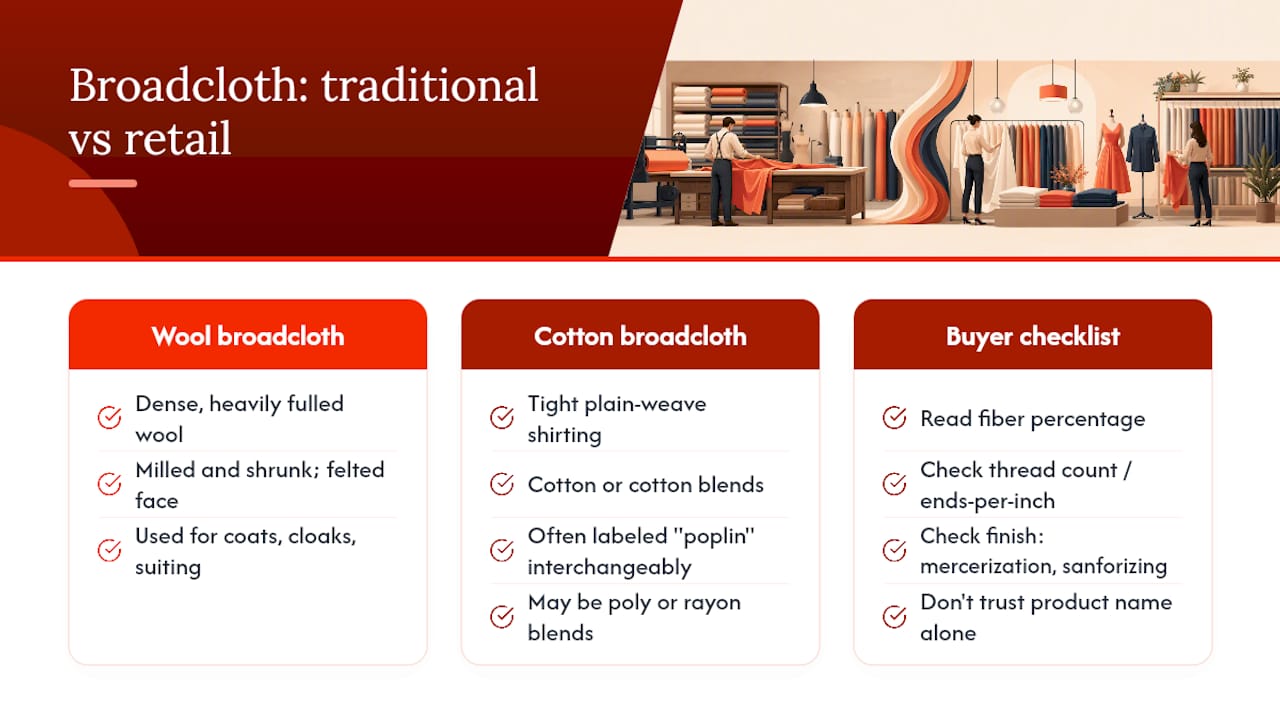
Pro Tip: Ignore the product name and read the spec line. Fiber content + thread count + finish = the real story. If a listing doesn’t show those three things, ask before ordering.
Start with the end use, then work backward through fiber, weight, and finish. Here’s a decision sequence that works for most sewing and craft projects:
Breathability first (summer shirts, blouses, children’s wear): Choose 100% cotton broadcloth. Cotton broadcloth is breathable and well-suited to warm-weather garments, and it takes dye evenly, so colors stay saturated wash after wash.
Quilting and structured crafts: 100% cotton in the 110–130 GSM range is the standard choice. It’s stable, low-bulk, and frays minimally at seams, which matters when you’re piecing dozens of blocks.
Additional buying considerations:
Pro Tip: Cut a 6-inch swatch, prewash it the same way you’ll launder the finished garment, then measure it. That 10-minute test tells you exactly how much ease to add to your pattern.
Broadcloth’s stable weave and smooth face make it a workhorse across apparel and craft categories. It’s beginner-friendly because it doesn’t slip on the cutting table, holds seams cleanly, and presses flat without fuss. That combination is harder to find than it sounds.
Apparel uses where it excels:
Craft and home uses:
When broadcloth is the wrong call: avoid it for heavily draped garments like wrap dresses or bias-cut skirts, where you need a fabric with more natural give. It also won’t work for anything requiring stretch. For home decor projects that need heavier weight, check backdrop-weight fabrics instead.
Pro Tip: For quilting, stick to 100% cotton broadcloth and pre-wash every fabric in your project, even if the colors are from the same manufacturer. Dye lots and shrinkage rates vary enough to throw off your seam alignment.
Broadcloth is forgiving, but a few setup steps prevent the most common mistakes.
Before you cut:
At the machine:
Pressing and finishing:
Stain removal: treat stains before washing, not after. A small amount of dish soap worked in gently before the wash cycle handles most food and oil stains on cotton broadcloth.
Pro Tip: Sew a test seam and a test hem on your prewashed swatch before touching your pattern pieces. Check that the stitch length, tension, and interfacing all behave the way you expect. Two minutes of testing saves an hour of unpicking.
These three fabrics show up in the same product categories and are often mislabeled. Here’s how to tell them apart by feel and use.
Quick diagnostic by hand:
| Feature | Broadcloth | Poplin | Percale |
|---|---|---|---|
| Weave | Plain, balanced | Plain, fine rib | Plain, balanced |
| Hand feel | Smooth, soft | Crisp, slight rib | Crisp, dry |
| Breathability | Good | Good | Excellent |
| Drape | Moderate | Moderate to stiff | Stiff |
| Best use | Shirts, quilting, crafts | Dress shirts, trousers | Bedding, structured garments |
| Typical weight | 110–140 GSM | 100–130 GSM | 120–140 GSM |
The practical rule: fiber content, thread count, and finish matter more than the product name. A high-thread-count cotton poplin and a mercerized cotton broadcloth can feel nearly identical in hand. Read the spec line, not the label. For a deeper look at how poplin behaves in shirting, Fabric-fabric’s poplin guide covers the weave differences in detail.
Broadcloth fabric is the right choice when you need a stable, smooth plain-weave that sews cleanly, presses flat, and holds up through regular washing, especially for shirts, quilting, and structured crafts.
| Point | Details |
|---|---|
| Fiber drives the decision | Choose 100% cotton for breathability; 65/35 poly/cotton for wrinkle resistance and minimal shrinkage. |
| Specs to verify before buying | Confirm fiber %, weight (GSM or oz/yd²), width, and preshrunk status on every listing. |
| Prewash is non-negotiable | Cotton broadcloth shrinks 2–5% on the first wash; prewash before cutting to protect your pattern. |
| Name confusion is common | “Broadcloth” and “poplin” are often used interchangeably; trust the spec line over the product name. |
| Fabric-fabric for buying | Fabric-fabric’s broadcloth category lists fiber content, width, and care notes, with swatch options available. |
There’s a tendency in sewing circles to treat broadcloth as the boring default, the fabric you reach for when nothing more interesting fits the project. That framing undersells it badly.
What broadcloth actually offers is precision. The tight, balanced plain weave means seams land exactly where you put them. There’s no bias stretch pulling your collar points off-grain, no slippage under the presser foot, no mystery puckering at the yoke. For a sewist building shirtmaking skills, that stability is the difference between a garment that looks handmade and one that looks made. The same quality makes it genuinely useful for quilting: blocks stay square, seam allowances press flat, and the finished quilt top lies without distortion.
The underrated application is craft and home decor. Broadcloth’s smooth face takes printed transfers cleanly, holds embroidery without distorting, and works as a lining fabric that doesn’t add bulk. For anyone making tote bags, table covers, or lightweight curtains, it’s often the most cost-effective option that still finishes professionally.
The one honest caveat: broadcloth rewards preparation. Skip the prewash on 100% cotton and you’ll deal with a shrunken collar after the first laundry cycle. Press with the wrong iron setting on a poly blend and you’ll glaze the surface permanently. Treat it right and it’s one of the most reliable fabrics in any project lineup.
Fabric-fabric stocks broadcloth by the yard with product pages that list fiber content, width, and care notes clearly, so you’re not guessing at specs. Swatch options mean you can check color accuracy and hand feel before committing to a full cut. The category is organized by use, which makes it faster to find shirting-weight cotton versus a heavier option for home projects.
For home decor projects that need a wider or heavier fabric, the home decor fabric section carries broadcloth-adjacent options by the yard, including widths suited to curtains and table covers. Free shipping thresholds and seasonal promotions run regularly, so it’s worth checking current offers before you order. Browse the broadcloth category, order a swatch if you’re unsure, and cut with confidence.
The following sources informed this guide and are worth bookmarking for deeper reading: