

 US Dollar

Best Fabrics for Modern Interiors: Your 2026 Guide
Posted by BLG on 2026 May 19th
Posted by BLG on 2026 May 19th

TL;DR:
- Choosing the right fabrics involves balancing durability, aesthetics, and maintenance based on room function and lifestyle needs.
- Modern interior fabrics like performance textiles, blends, and eco-friendly options offer style without sacrificing longevity or environmental responsibility.
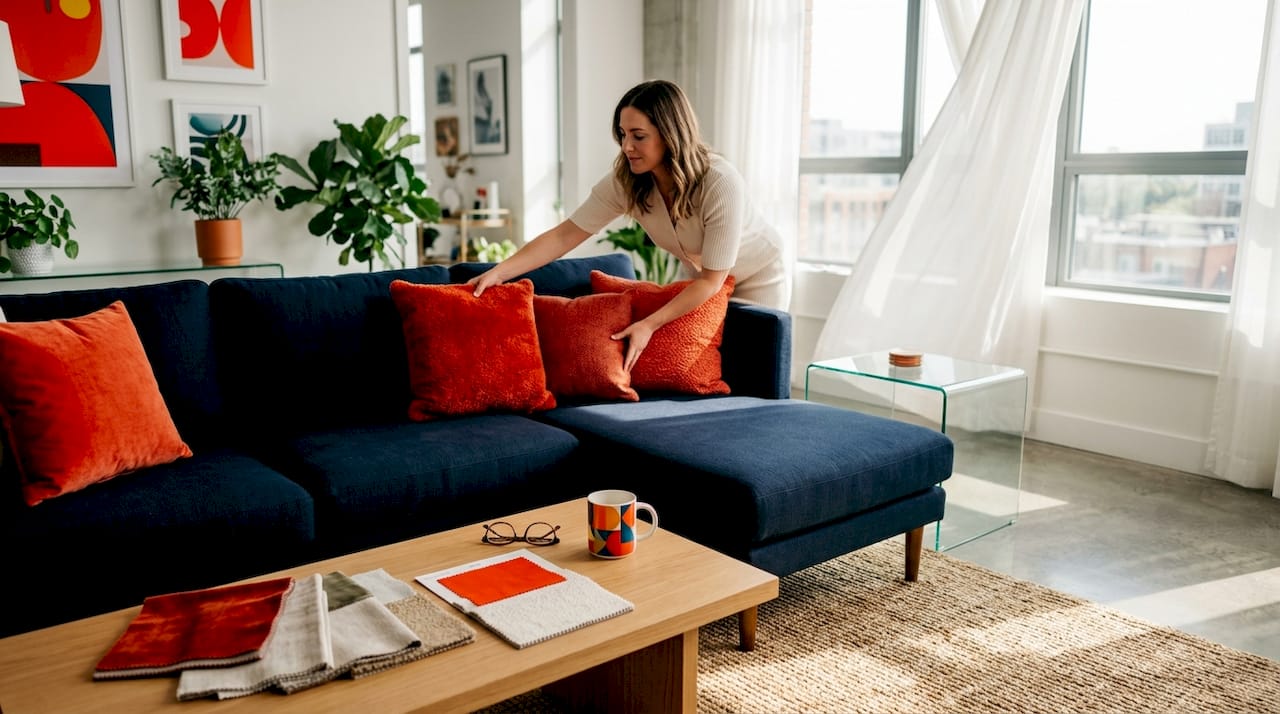
Choosing the right fabrics for modern interiors is harder than it looks. You’re not just picking a color or a texture you like. You’re making decisions that affect how a room feels, how well it holds up over time, and how much work it takes to maintain. The wrong fabric in the wrong room can look dated in a year or fall apart in two. This guide cuts through the confusion with a structured look at the top fabric options for modern homes, covering what to consider before you buy and exactly which textiles deliver the best results.
| Point | Details |
|---|---|
| Match fabric to room function | High-traffic spaces need durability; accent areas can prioritize texture and elegance. |
| Layer for better performance | Pairing sheer and blackout fabrics controls light, temperature, and privacy simultaneously. |
| Blend natural and synthetic | Combining cotton or linen with synthetic blends gives you beauty without sacrificing longevity. |
| Eco-friendly options exist | Recycled polyester and organic cotton deliver modern style with lower environmental impact. |
| Maintenance shapes your choice | Silk and velvet require specialized care, while performance fabrics and engineered polyester are low-maintenance. |
Before you commit to any fabric, you need a clear framework. The wrong pick in a sunny south-facing room or a busy family space is a costly mistake.
Here are the core factors to evaluate:
Layering is one technique most homeowners overlook entirely. Using two or more fabric types together, such as a sheer panel plus a heavier drape, lets you hit thermal, acoustic, and aesthetic goals at once rather than compromising on any single one.
Pro Tip: Before buying, hold your fabric sample against the actual wall color in different lighting conditions. Fabrics shift dramatically between natural morning light and warm evening lamp light.
Cotton is the workhorse of home interiors. It takes dye beautifully, washes easily, and fits into virtually every modern design style from Scandinavian minimalism to relaxed coastal. It’s breathable, hypoallergenic, and widely available at multiple price points.
The downside is that pure cotton wrinkles, shrinks without pre-washing, and fades with prolonged sun exposure. Cotton and linen blends at 63/37 ratios solve this by adding crispness and durability while keeping the natural softness intact. Cotton works beautifully as drapery fabric, slipcovers, throw pillows, and casual upholstery.
Linen is the fabric that photographs well and ages even better. Its slightly irregular texture catches light in a way that synthetic fabrics simply cannot replicate. In living rooms and dining spaces, linen curtains diffuse harsh sunlight into a soft, flattering glow.
Natural fabrics like linen offer unique light-diffusing qualities that make them a go-to for contemporary spaces. Linen does wrinkle and requires more careful washing, but that lived-in quality is part of its appeal in modern organic and biophilic interiors. For drapes, upholstery, and table linens, it earns its place as one of the best fabrics for home interiors.
Silk belongs in low-traffic, high-impact spots. Think accent pillows, window treatments in a formal dining room, or a headboard panel in a primary bedroom. Its luminous sheen and fluid drape are unmatched by any synthetic alternative.
The trade-off is real. Silk is delicate, sensitive to moisture, and will degrade with direct sun exposure over time. It’s not practical for sofas in busy households or anywhere that sees regular physical contact. Use it intentionally, as a statement rather than a workhorse, and it delivers genuine luxury to modern interiors.
Wool punches above its weight in modern interiors. It’s naturally flame-resistant, regulates temperature, resists dirt, and holds structure beautifully in tailored applications like roman blinds, accent chairs, and wall panels. Wool sateen, a smooth-finish variant, brings a refined sheen that reads as sophisticated without looking fussy.
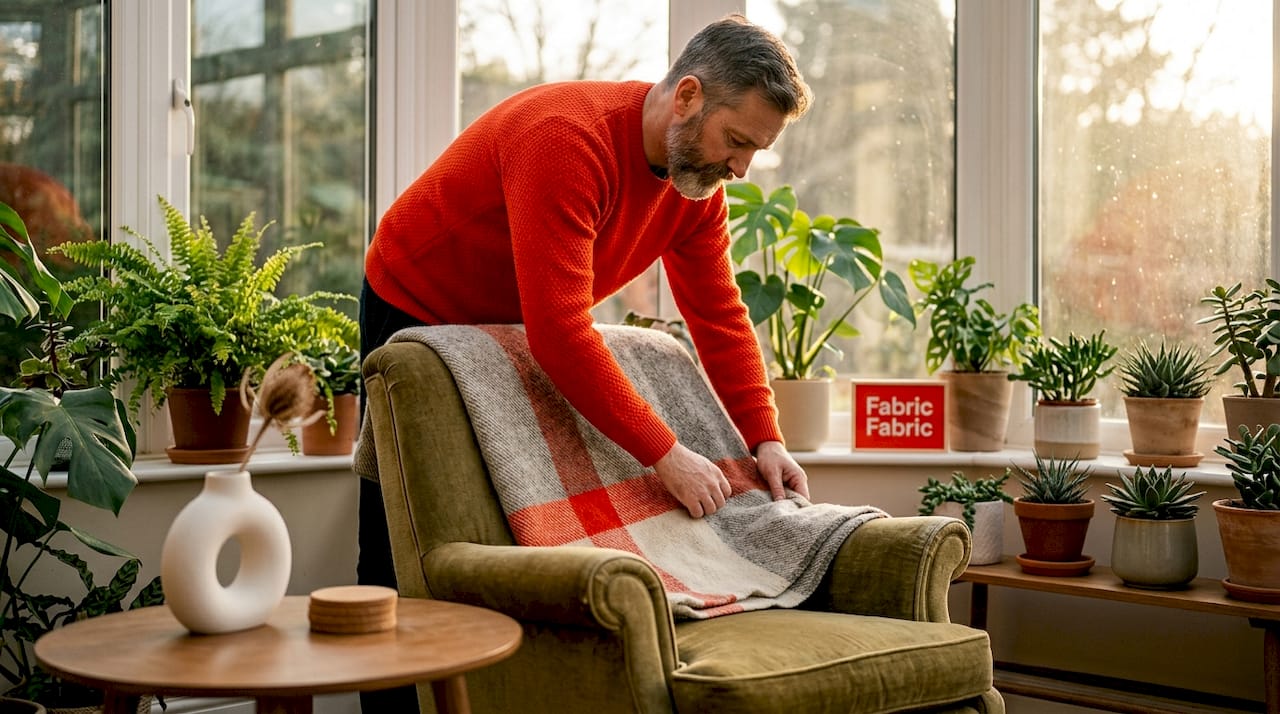
Natural fibers including wool offer distinctive textures suited to different spaces. Wool does require protection from moths and careful washing, but for a modern interior that values warmth and tactile richness, it’s hard to beat.
Velvet has had a long run in luxury interiors for good reason. Its dense pile structure blocks thermal transfer and reduces mid-frequency noise, making it genuinely functional in bedrooms and media rooms beyond just looking expensive.
Modern velvet is often a polyester or cotton blend, which improves durability and reduces the crushing sensitivity of traditional silk velvet. That said, velvet still requires care. Crushing and moisture exposure damage the pile. For high-use pieces, performance bouclé is a machine-washable alternative that offers comparable warmth and texture with far less maintenance demand.
Pro Tip: To revive crushed velvet, hold a steamer a few inches from the fabric and gently brush the pile back into place with a soft cloth.
Engineered polyester is not the cheap polyester of the 1980s. Modern synthetic treatments now include antimicrobial coatings, UV stabilizers, and recycled PET materials that perform as well as they look. For families with kids, pets, or simply high activity levels, engineered polyester is one of the smartest choices available.
It resists moisture, cleans easily, and holds color without fading. The main criticism, that it lacks the organic warmth of natural fibers, is increasingly addressed through textural weaves that mimic linen or cotton. As a trendy fabric pattern or solid upholstery choice, it covers a lot of ground.
Performance fabrics are engineered with molecular memory and antimicrobial coatings that give them stain resistance and longevity well beyond traditional textiles. They were originally developed for outdoor use but have migrated fully into indoor applications with significant design upgrades.
Performance fabrics excel in family rooms and spaces with pets or children without sacrificing the look of a well-designed room. Think sofas that repel wine spills, curtains that don’t fade after years of sun exposure, and cushions that bounce back after heavy use. For modern upholstery fabrics in active households, performance textiles are the most practical choice on this list.
Bouclé has become one of the most recognizable textures in contemporary interiors. Its looped, nubby surface adds organic warmth and visual interest that works equally well in minimalist and layered modern spaces. Traditional bouclé is a blend of wool, cotton, and synthetics, and it’s notoriously difficult to clean.
Performance bouclé solves that. It delivers the same tactile richness and sophisticated texture with the added benefit of being machine-washable and highly resistant to pilling. For sofas, accent chairs, and ottomans, it sits at the intersection of style and function in a way few fabrics manage.
These two fabrics serve a specific but important role in modern interiors. Mohair, made from Angora goat fiber, has a silky sheen and incredible softness that reads as quiet luxury. It suits low-traffic accent pieces and adds depth to rooms that rely on a limited color palette.
Nubuck is buffed full-grain leather that mimics suede but is more durable and slightly less prone to staining. In modern interiors with clean lines and monochrome tones, nubuck upholstery grounds a space with natural texture. Neither fabric is low-maintenance, but both reward the extra care with a level of richness that’s genuinely hard to replicate.
The most interesting category in modern interiors right now is blended and eco-friendly fabrics. Organic cotton, recycled polyester from post-consumer plastic, and Tencel (made from sustainably sourced wood pulp) give homeowners ways to make design choices that reflect environmental values without compromising on quality.
Fabric choices today reflect a wellness approach that emphasizes biophilic design and environmental awareness. Blended textiles also perform better than single-fiber options in many cases. A linen-cotton blend, for example, combines linen’s texture with cotton’s softness. For readers interested in sourcing sustainable options, this guide to eco-friendly specialty fabrics covers the key considerations in more depth.
One of the most effective techniques for modern interiors is layering window treatments with different fabric types. Done well, it solves multiple problems at once.
Here’s how a classic layered window treatment breaks down:
A sheer linen inner panel paired with a velvet outer panel gives you light diffusion and complete darkness on demand. Beyond aesthetics, layering sheer and blackout fabrics supports circadian rhythm by managing natural light exposure throughout the day.
| Fabric combo | Light control | Thermal benefit | Best room |
|---|---|---|---|
| Linen sheer + velvet panel | High | Excellent | Bedroom |
| Cotton sheer + polyester blackout | High | Good | Living room |
| Silk panel + linen sheer | Moderate | Low | Dining room |
| Wool blind + linen sheer | Medium | Excellent | Study or home office |
For more inspiration on velvet and linen drapery options, there are detailed guides that cover acoustic and light-diffusing benefits with specific product ideas.
Not every fabric fits every situation. Here’s a direct breakdown of what works where.
Families with pets or young children: Performance fabrics and engineered polyester are your best options. They clean easily, resist staining, and hold up to daily wear. Performance bouclé is a strong choice for sofas and accent chairs.
Eco-conscious homeowners: Prioritize organic cotton, Tencel, and recycled polyester. These materials deliver modern aesthetics with a lower environmental footprint. Sourcing sustainable options takes a bit more research but pays off in long-term satisfaction.
Luxury or low-traffic spaces: Silk, mohair, and nubuck shine here. Use them in formal rooms, primary bedrooms, and anywhere that gets visual attention without constant physical contact.
Budget-conscious decorators: Cotton, linen, and engineered polyester offer the best value without sacrificing modern style. A well-chosen cotton slipcover or linen curtain delivers a high-end look at a fraction of the cost of specialty textiles.
Pro Tip: When comparing fabrics across price points, calculate cost per year rather than upfront cost. A $40 performance fabric that lasts 10 years beats a $15 cotton that needs replacing in three.
I’ve looked at a lot of fabric decisions in modern homes, and the same mistake comes up repeatedly. People choose a beautiful natural fiber because it looks right in the store, then feel defeated when it shows wear or requires more care than expected. The reverse also happens. Someone picks an engineered polyester because it’s practical, then feels like something is missing from the room.
What I’ve found actually works is treating fabric choice like a portfolio. You balance high-maintenance, high-impact pieces with low-maintenance workhorses. A silk accent pillow on a performance fabric sofa. A wool roman blind over an easy-care linen sheer. Top designers consistently recommend combining natural authenticity with synthetic practicality, and from what I’ve seen, that combination consistently produces spaces that look great and hold up to real life.
The other thing worth saying is that trends move fast in fabric patterns and textures, but the underlying materials change slowly. Invest in quality fiber choices and let the patterns be the variable you refresh. That approach costs less over time and produces a home that feels considered rather than chased.
— kev
Knowing which fabrics to use is one thing. Finding them in the right colors, textures, and quantities is another. Fabric-fabric carries a wide selection of home decor fabrics covering everything from drapery-weight linen and cotton to performance upholstery textiles suited for modern living. Whether you’re reupholstering a sofa, making custom drapes, or adding soft furnishings to a contemporary space, the backdrop fabric collection offers curated options designed for modern interiors. Browse by texture, color, and intended use to find exactly what your space needs.
The best fabrics combine style and function. Cotton, linen, and engineered polyester cover most needs, while velvet and performance bouclé work well for high-impact or high-use furniture.
Yes. Performance fabrics resist stains, hold color well, and handle daily wear without losing their look, making them ideal for sofas, curtains, and family room upholstery.
Match the fabric to the room’s function. Use natural fibers in low-traffic or accent areas where texture matters most, and reach for synthetics or blends in spaces that see heavy use.
Performance fabrics, engineered polyester, and performance bouclé lead for upholstery due to their durability and low maintenance. Wool and velvet blends are strong options in lower-traffic rooms.
Many are. Recycled polyester and Tencel perform comparably to conventional synthetics, while organic cotton matches the durability of standard cotton with a cleaner production footprint.