

 US Dollar

All Types of Clothing Fabrics: A Complete Beginner's Guide
Posted by BLG on 2026 Jul 20th
Posted by BLG on 2026 Jul 20th

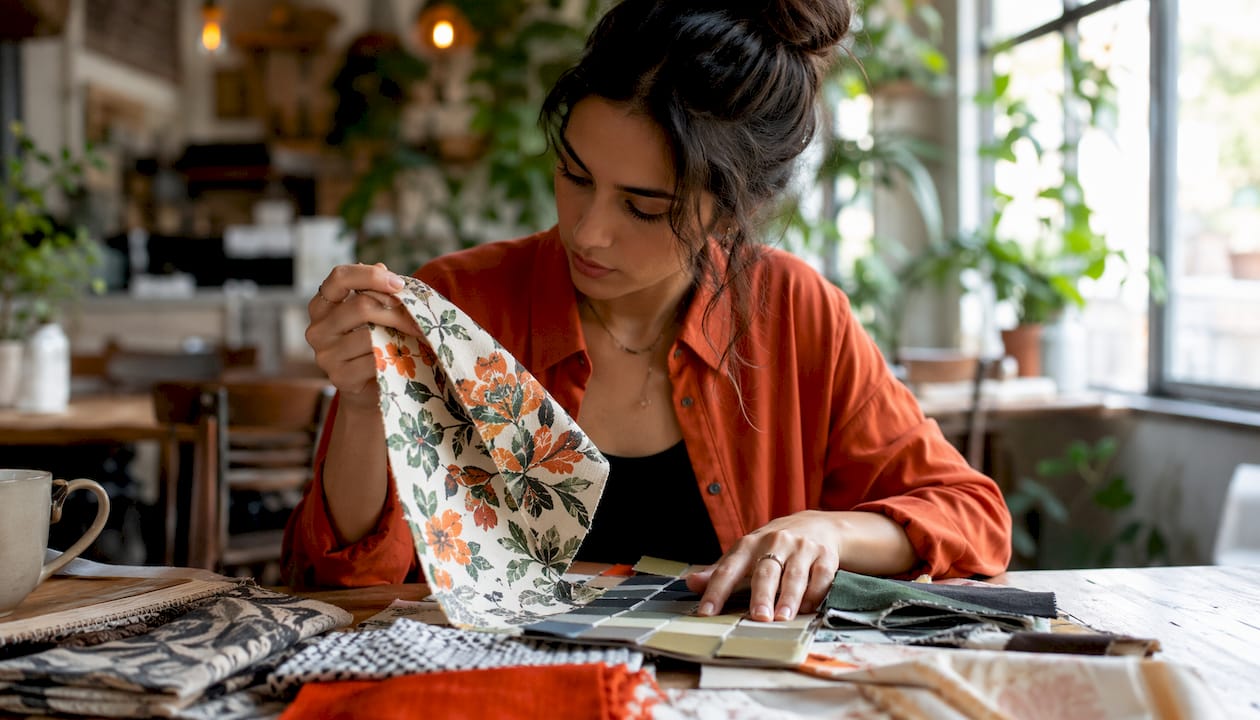
Clothing fabrics fall into three broad categories: natural fibers like cotton, wool, silk, linen, and cashmere; synthetic fibers like polyester, nylon, and acrylic; and blended fabrics that combine both. Beyond fiber origin, two construction methods define how a fabric behaves: woven (structured, stable) and knit (stretchy, flexible). Fabric weight, measured in grams per square meter (GSM), further shapes what a fabric can do, from a 60 GSM chiffon blouse to a 400 GSM wool overcoat.
Here is a quick snapshot of where the most common fabrics land:
Each fabric name on that list carries a specific set of properties, care requirements, and best-use cases. The sections below break all of it down.
The Textile Fiber Products Identification Act (TFPIA) organizes all textile fibers into two master groups: natural and manufactured. Natural fibers divide further into cellulose-based (plant origin) and protein-based (animal origin). Manufactured fibers split into synthetic polymers and regenerated cellulose. That framework is the foundation for every fabric label you read on a garment.
Natural fibers: plant-based (cellulose)
Natural fibers: animal-based (protein)
Manufactured fibers
Fiber physical properties such as diameter, crimp, and cross-sectional shape directly affect how a finished fabric feels, how long it lasts, and how it performs under stress.
GSM stands for grams per square meter, and it is the standard unit for measuring how heavy or light a fabric is. A higher GSM means more fiber packed into each square meter, which generally translates to a thicker, more structured cloth. Matching fabric weight to garment type is one of the most reliable ways to predict whether a finished garment will look and perform the way you intend.
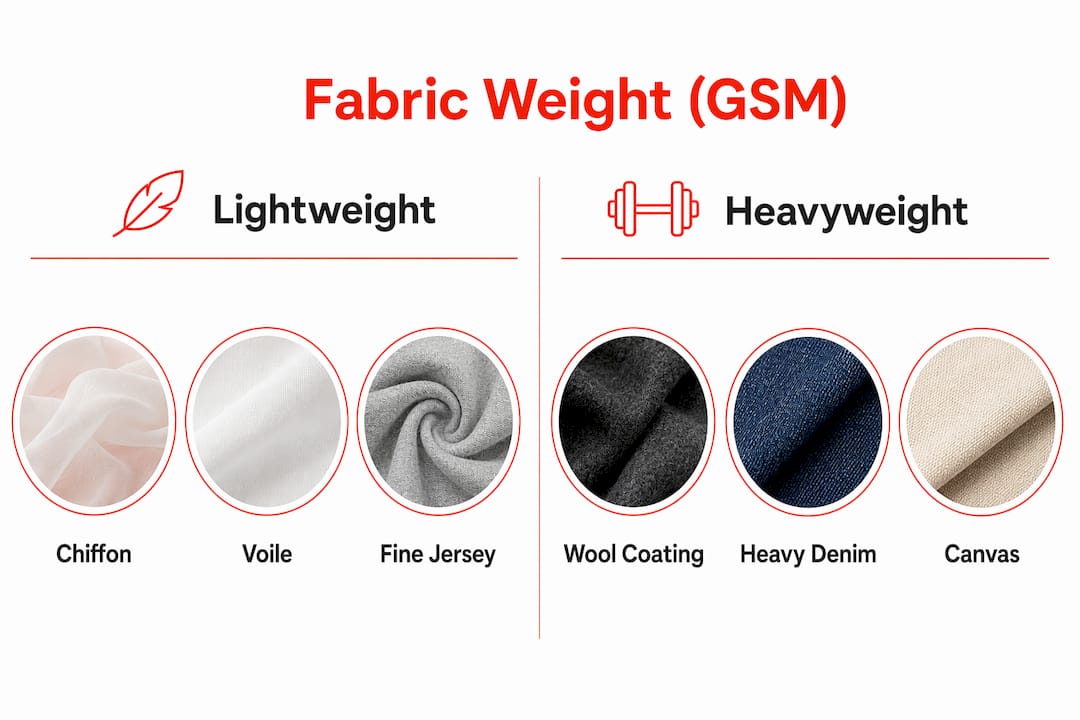
The three practical weight ranges work like this:
Lightweight (low GSM) version Think chiffon, voile, and fine jersey. These fabrics drape beautifully and breathe well in warm weather, but they require careful cutting and sewing. Slippery or sheer lightweight fabrics tend to shift during cutting, so pinning and stabilizing the fabric before you cut is worth the extra time.
Mid-weight (medium GSM) version Cotton poplin, denim in the lighter ranges, ponte knit, and standard jersey all land here. Mid-weight fabrics hold their shape without being stiff, making them the most forgiving category for beginners. Structured blouses, everyday trousers, and casual dresses are natural fits.
Heavyweight (high GSM) version Wool coating, heavy denim, canvas, and upholstery-grade fabrics sit in this range. They provide durability and insulation, which is why outerwear, workwear, and structured jackets rely on them. Heavyweight fabrics can be harder to sew through multiple layers, so a sharp needle and a walking foot help. For a deeper look at when heavyweight materials make sense, Fabric-fabric’s guide on heavyweight fabrics walks through specific garment applications.
Pro Tip: Before buying fabric online, check the GSM listed in the product description. A “cotton fabric” listed at 120 GSM will behave completely differently from one at 220 GSM, even if the fiber content is identical.
Understanding individual fabric names is where the real selection work happens. Here are the fabrics you will encounter most often, with the details that actually matter for choosing them.
Cotton The default fabric for everyday clothing. Soft, breathable, and easy to care for. Cotton works across all weight ranges, from lightweight lawn to heavyweight canvas. It does shrink, so pre-washing before cutting is standard practice.
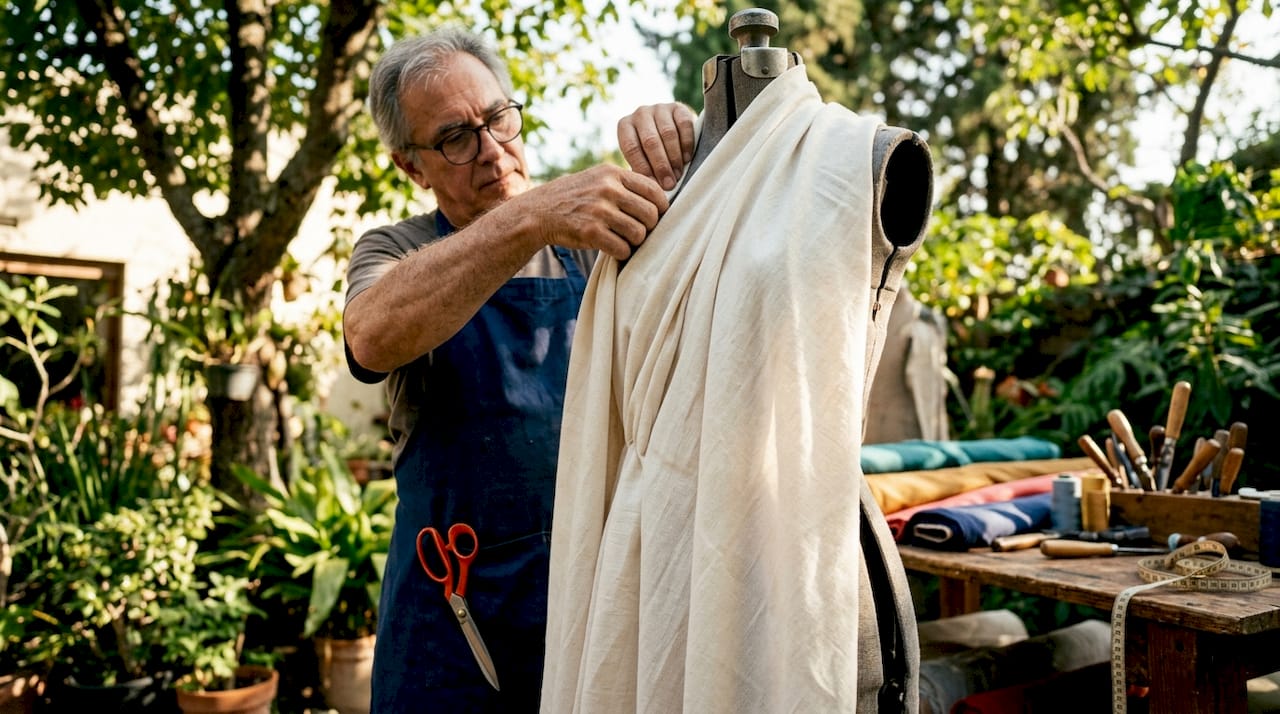
Polyester Polyester resists wrinkles, dries fast, and holds color well. Pure polyester can feel plasticky against skin, which is why it is so often blended with cotton. A 60/40 poly-cotton blend gives you the wrinkle resistance of polyester with the breathability of cotton.
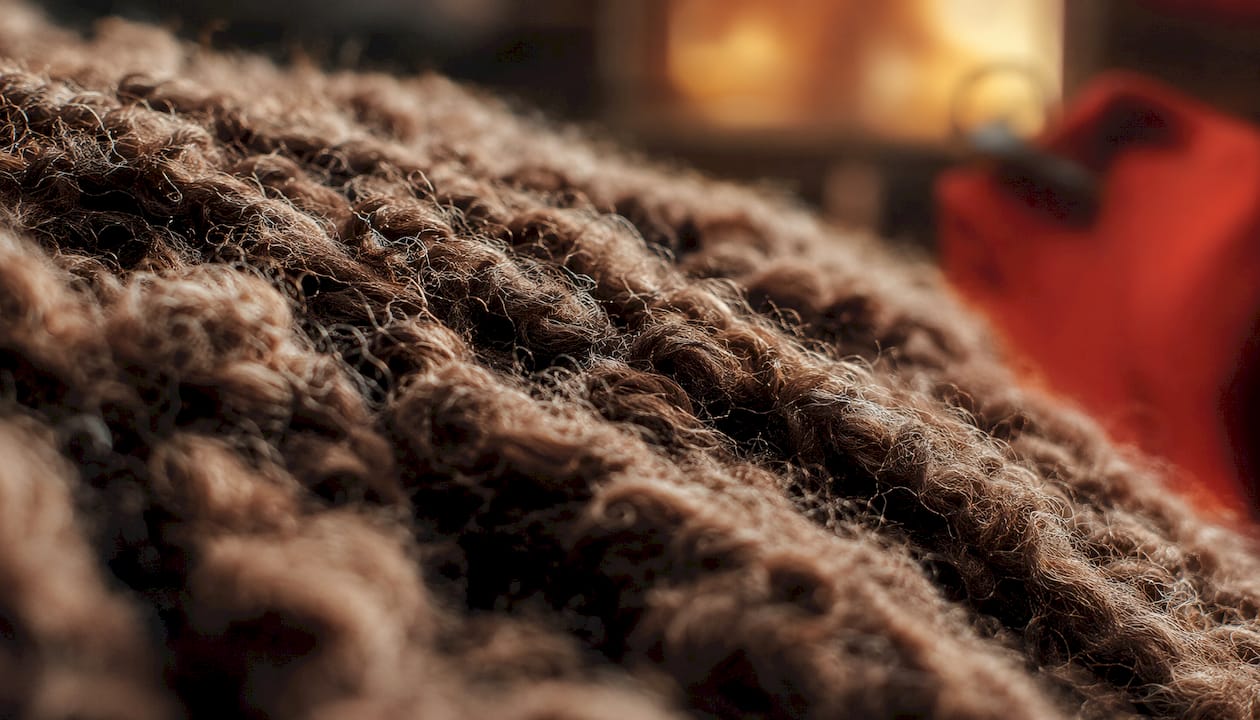
Wool Wool’s natural crimp creates tiny air pockets that insulate even when the fiber is damp. It is the go-to for cold-weather coats, suits, and sweaters. Merino wool, with its finer fiber diameter, sits close to the skin without itching.
Silk Silk has a natural sheen that no synthetic fully replicates. It regulates temperature surprisingly well, staying cool in summer and warm in winter. Dry cleaning is the safest care method, though some silk charmeuse and habotai can be hand-washed carefully.
Cashmere Cashmere is defined by its fiber fineness. The finer the fiber, the softer and more expensive the fabric. It pills with friction, so turning garments inside out before washing extends their life considerably.
Jersey Jersey is a knit construction, not a fiber. It is most commonly made from cotton, but polyester and rayon jersey are also standard. The single-knit structure gives jersey its characteristic stretch and recovery, making it the backbone of T-shirts, leggings, and casual dresses. It does not fray when cut, which is a genuine advantage for beginners.
Terry cloth Terry cloth is a looped-pile fabric, usually cotton, where uncut loops on the surface create a high-absorbency texture. Bath towels are the obvious example, but terry cloth also appears in robes, beach cover-ups, and casual shorts. Stretch terry, made with a cotton-spandex blend, is common in athleisure.
Sherpa Sherpa is a knit fabric with a thick, fleece-like pile on one side designed to mimic the look of shearling. It is almost always polyester. Sherpa lines jackets and hoodies for insulation, and it appears as the outer layer in casual outerwear. It is warm, soft, and machine-washable, which makes it practical for everyday cold-weather wear.
Corduroy Corduroy is a woven fabric with a distinctive ridged pile called “wales.” The width of the wales (measured in wales per inch) determines the fabric’s weight and texture: wide-wale corduroy is chunky and casual, while fine-wale corduroy reads almost like a dress fabric. It is typically cotton or a cotton blend, and it works well for pants, jackets, and structured skirts.
Velvet Velvet has a dense, cut-pile surface that creates its characteristic soft sheen and depth of color. It can be woven from silk, cotton, polyester, or rayon. Velvet crushes easily, so garments made from it need careful storage and dry cleaning. Stretch velvet, with a spandex content, is more forgiving and appears in dancewear and fitted dresses.
Satin Satin is a weave structure, not a fiber. The weave floats long threads across the surface, creating a smooth, lustrous face with a duller back. Silk satin is the luxury version; polyester satin is the affordable one. Both are used in eveningwear, lingerie, and linings. Satin frays aggressively and slides during cutting, so it rewards patience. Fabric-fabric carries satin fabric options suited to both formal and casual applications.
Twill Twill is a weave pattern where threads interlace in a diagonal rib. Denim is the most famous twill. Gabardine, chino, and herringbone are also twill weaves. The diagonal structure makes twill fabrics stronger and more drape-friendly than plain weaves of the same weight, which is why twill shows up in everything from workwear to tailored trousers.
Blended fabrics Blends combine two or more fiber types to get the best of each. Poly-cotton is the most common: polyester adds durability and wrinkle resistance, cotton adds breathability and comfort. Wool-nylon blends appear in socks and outerwear where abrasion resistance matters. Rayon-spandex blends give you the soft drape of rayon with enough stretch for fitted silhouettes.
Many sewing patterns fail to specify weave type alongside fiber content, yet construction affects fabric behavior as much as fiber does. Knowing the difference between woven and knit saves you from choosing a fabric that fights your pattern.
Woven fabrics
Knit fabrics
The practical rule: if your pattern calls for a knit, a woven will not substitute without significant adjustments. The reverse is also true. Fabric structure guides can help you match construction type to pattern requirements before you buy.
Successful fabric selection prioritizes weight and construction first, then surface properties, and finally fiber content for personal preference and climate. That order matters because a knit pattern sewn in a woven fabric will not fit correctly, no matter how beautiful the fiber is.
Pro Tip: When comparing fabric types for a garment, drape a yard of each over a dress form or your own body before buying. How it falls in real life tells you more than any product description.
A fabric’s fiber and construction are only part of the story. Finishes applied after weaving or knitting change how a fabric performs in real use, sometimes dramatically.
Water-repellent (DWR) finish Durable water repellent coatings cause water to bead and roll off the fabric surface rather than soaking in. This finish appears on outdoor jackets, rain gear, and performance sportswear. DWR finishes wear down with washing and can be reactivated with low heat from a dryer or refreshed with spray-on treatments.
Wrinkle-resistant finish Resin-based treatments cross-link cotton fibers to reduce wrinkling. Dress shirts and chino pants often carry this finish. The trade-off is a slight reduction in breathability and, over time, a stiffer hand as the resin breaks down.
Mercerization Cotton treated with sodium hydroxide under tension becomes stronger, more lustrous, and more receptive to dye. Mercerized cotton has a subtle sheen and takes color more vividly than untreated cotton. It is common in high-quality dress shirts and fine knit fabrics.
Flame-retardant finish Required by law for children’s sleepwear in the United States, flame-retardant treatments slow the spread of fire. Some are chemical coatings; others are achieved through inherently flame-resistant fiber blends.
Antimicrobial finish Applied to activewear and base layers, antimicrobial treatments inhibit the bacteria that cause odor. Silver-ion treatments are the most common. These finishes degrade with repeated washing, so garments eventually lose their odor-control properties.
Sanforization (pre-shrinking) Sanforized denim and cotton fabrics have been mechanically pre-shrunk so they will not shrink significantly after purchase. Raw (unsanforized) denim, by contrast, can shrink noticeably on first wash, which is intentional for some denim enthusiasts who want a custom fit.
Brushing and napping Brushing raises fibers on the fabric surface to create a soft, fuzzy texture. Flannel is brushed on one or both sides. Peach-skin finishes on polyester use the same technique to create a suede-like hand without the cost of actual suede.
Natural fibers, synthetic fibers, fabric weight (GSM), and construction type together determine what any fabric can do and how it should be cared for.
| Point | Details |
|---|---|
| Fiber origin shapes performance | Natural fibers like cotton and wool breathe and regulate temperature; synthetics like polyester resist wrinkles and dry fast. |
| GSM defines garment suitability | Lightweight fabrics suit airy garments; mid-weight works for everyday structure; heavyweight handles outerwear and durability. |
| Construction type is non-negotiable | Knit patterns require knit fabrics; woven patterns require wovens. Swapping them without adjustments causes fit failures. |
| Finishes change real-world behavior | Treatments like DWR coatings, wrinkle-resistant resins, and antimicrobial finishes alter performance beyond what fiber alone provides. |
| Select weight and structure first | Prioritize fabric weight and knit-vs-woven construction before fiber preference to match the garment’s functional and aesthetic needs. |
Whether you are working with cotton jersey for a casual tee or velvet for an evening look, Fabric-fabric carries a curated selection of apparel and backdrop fabrics across every weight and construction type. Browse by fabric category, filter by use case, and take advantage of free shipping thresholds and seasonal promotions. Visit Fabric-fabric to find the right material for your next project.