

 Canadian Dollars

Why Fabric Finishes Matter for DIY Projects
Posted by BLG on 2026 Jan 17th
Posted by BLG on 2026 Jan 17th

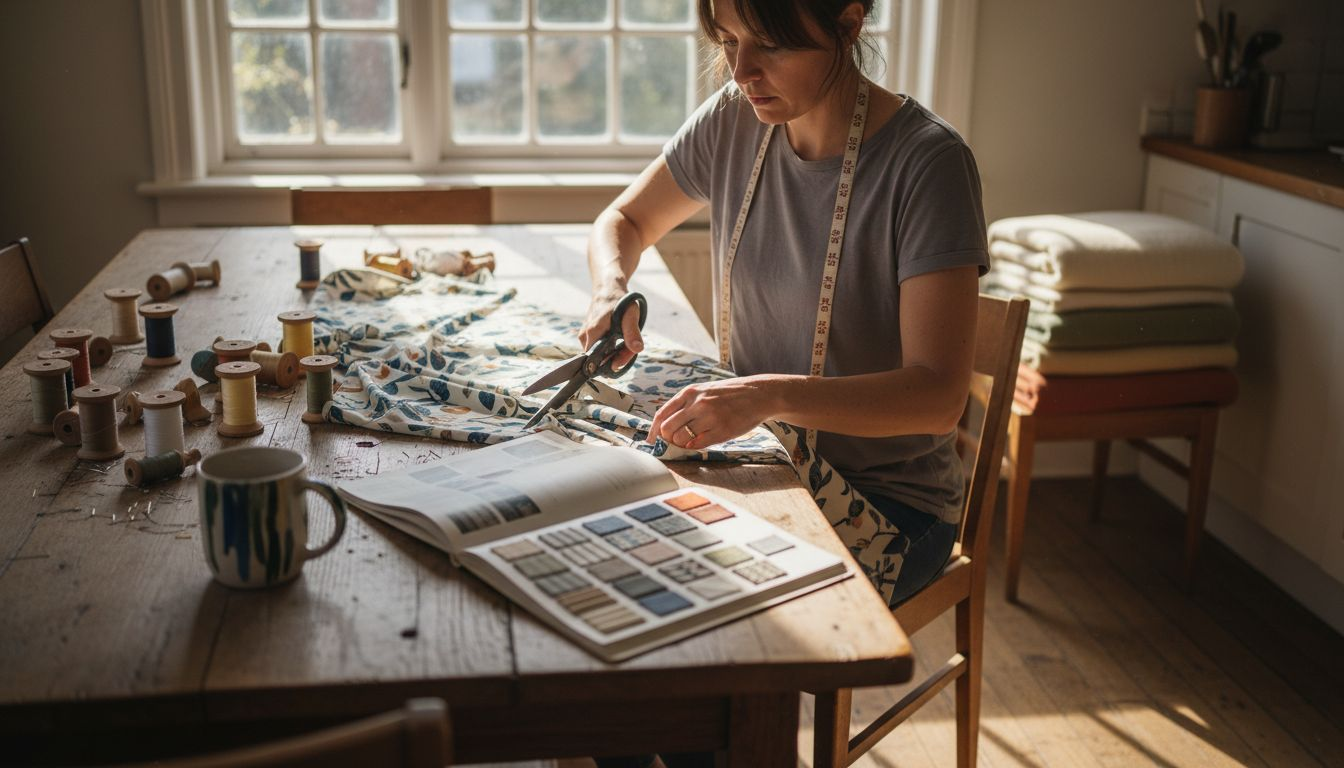
Finding the perfect fabric is only half the battle when creating standout home decor or DIY projects. The right finish can turn a simple material into a long-lasting showpiece by improving performance and enhancing aesthetics. For American crafters who value both beauty and functionality, understanding how fabric finishes improve comfort, durability, and protection unlocks countless creative possibilities and ensures your projects remain vibrant and resilient.
| Point | Details |
|---|---|
| Understanding Fabric Finishes | Fabric finishes enhance the performance and appearance of textiles, making them suitable for specific projects. Knowing the types of finishes helps in selecting the right material for desired outcomes. |
| Importance of Care | Each fabric finish has unique care instructions that are crucial for maintaining its effectiveness. Adhering to these guidelines preserves the finish’s protective and aesthetic properties. |
| Testing Before Use | Conducting small-scale tests of fabric finishes can validate their performance before committing to a full project. This practice helps ensure the finish meets specific project needs. |
| Compatibility Matters | Different base materials react differently to finishes; understanding the compatibility is essential for achieving desired results. Always consider the fabric type when selecting finishes. |
Fabric finishes are specialized treatments applied to textiles to enhance their performance, appearance, and functionality. These treatments transform basic fabric materials by modifying their surface characteristics, creating textiles with advanced properties that go far beyond their original state. Functional finishes for textiles represent critical interventions in textile manufacturing that address specific end-use requirements.
At their core, fabric finishes serve multiple strategic purposes. They can improve fabric durability, increase stain resistance, modify texture, enhance comfort, and provide protective capabilities like antimicrobial or UV protection. Some finishes make fabrics water-repellent, while others increase softness or add wrinkle resistance. These transformative treatments allow DIY crafters and designers to customize fabric performance for precise project needs.
Different fabric finishes target specific outcomes. Protective finishes might include water and stain repellents for outdoor gear, while aesthetic finishes could create a smoother texture or add subtle sheen. Performance finishes enhance fabric functionality - making materials more breathable, antimicrobial, or resistant to wear. Ultimately, understanding fabric finishes empowers DIY enthusiasts to select materials that perfectly match their project requirements.
Pro tip: When selecting fabrics for your next project, always check the finish specifications to ensure the material meets your specific performance and aesthetic goals.
Fabric finishes can be broadly categorized into multiple types, each designed to address specific performance and aesthetic requirements. Textile finishes are classified based on their purpose, durability, and application method, ranging from temporary treatments to permanent modifications that fundamentally change fabric characteristics.
Aesthetic finishes focus on improving the visual and tactile qualities of fabrics. These include softening treatments that enhance fabric comfort, glazing techniques that add sheen, and finishes that modify surface texture. Functional finishes, by contrast, are more performance-oriented. They include water repellent treatments for outdoor gear, flame retardant coatings for safety applications, and antimicrobial finishes used in healthcare textiles. Some advanced finishes even provide thermal regulation, moisture management, and UV protection.
The application methods for fabric finishes vary significantly. Mechanical finishes are applied through physical processes like calendering or brushing, which alter fabric surface properties. Chemical finishes involve applying reactive substances or coatings that bond with fabric fibers, creating more permanent transformations. Biotechnological finishes represent cutting-edge innovations, using advanced techniques to impart specialized properties like insect repellency or enhanced durability.
Pro tip: Always check fabric finish specifications carefully, as different finishes can dramatically impact your project’s performance, appearance, and longevity.
Here’s a summary of popular fabric finish types, their key effects, and common uses:
| Finish Type | Main Effect | Typical Use Case |
|---|---|---|
| Water Repellent | Resists liquid absorption | Outdoor jackets, umbrellas |
| Flame Retardant | Reduces flammability | Children’s sleepwear, tents |
| Antimicrobial | Prevents odor and bacteria | Hospital linens, sportswear |
| Softening | Enhances fabric softness | Bedding, baby clothing |
| Wrinkle Resistant | Minimizes creasing | Dress shirts, uniforms |
Fabric finishes play a transformative role in determining a textile’s overall performance, directly influencing both its durability and tactile experience. Textile finishing processes significantly modify fabric characteristics, creating materials that can withstand intense use while maintaining superior comfort and aesthetic appeal.
Durability is dramatically enhanced through strategic finishing techniques. Chemical and mechanical treatments strengthen fabric fibers, improving resistance to abrasion, pilling, and environmental stress. For instance, water-repellent finishes protect against moisture damage, while wrinkle-resistant treatments reduce fabric breakdown from repeated folding and movement. These finishes essentially create a protective shield that extends the fabric’s functional lifespan, making it more resilient for demanding DIY projects and everyday use.
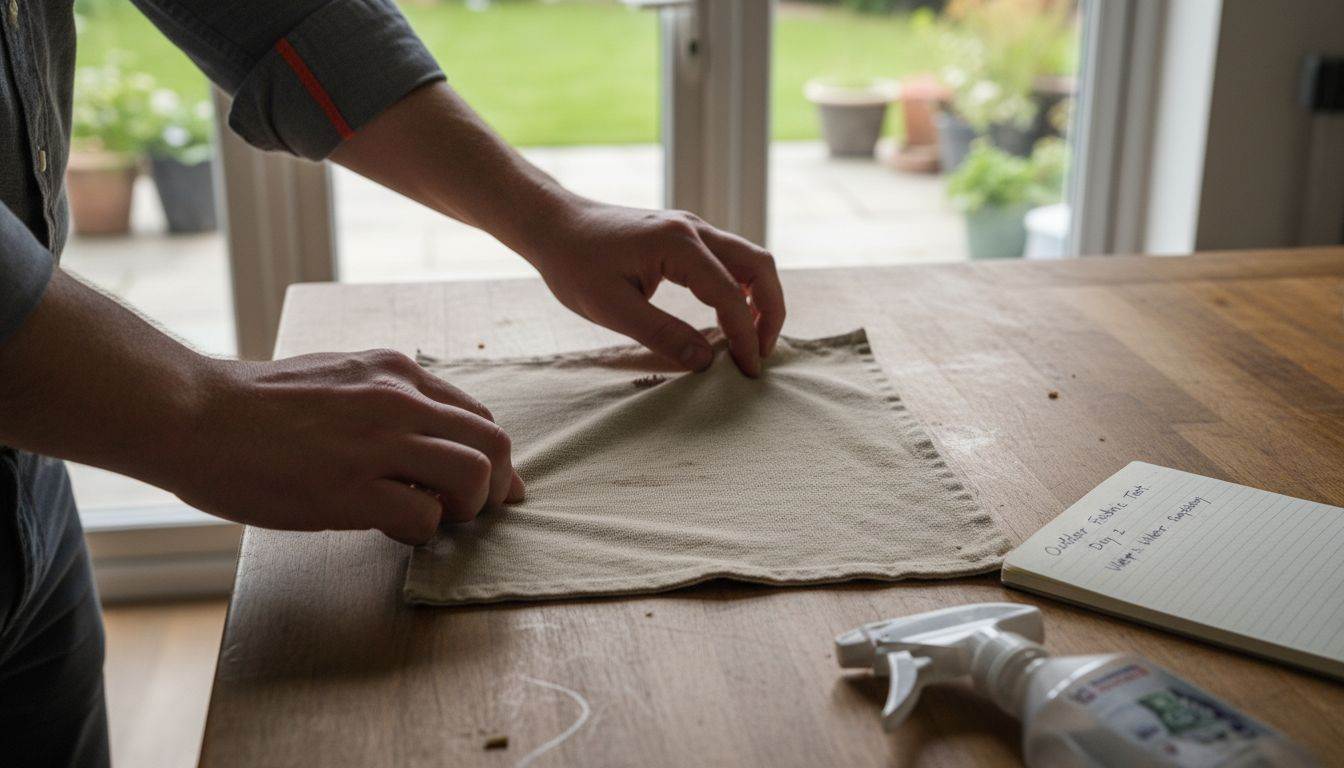
The tactile qualities of fabric are equally transformed by finishing processes. Different treatments can modify a textile’s hand - the way it feels to the touch - making fabrics softer, smoother, or more structured depending on the desired outcome. Some finishes add a luxurious silk-like smoothness, while others create a crisp, structured feel ideal for tailored projects. The intricate balance between durability and sensory experience is what makes fabric finishes so crucial for crafters and designers seeking high-performance materials.
Pro tip: Always test fabric samples with different finishes before starting your project to understand how the treatment impacts both the material’s feel and long-term durability.
Selecting the ideal fabric finish requires a strategic approach that considers multiple project-specific factors. Appropriate finish selection involves carefully evaluating your project’s unique requirements, environmental conditions, and desired performance characteristics. The wrong finish can compromise your fabric’s functionality, while the right finish can dramatically enhance its durability and aesthetic appeal.
Different projects demand different finish characteristics. Outdoor gear and activewear benefit from moisture-wicking and water-repellent finishes that protect against environmental challenges. Home decor projects might prioritize stain-resistant treatments, while clothing applications could require wrinkle resistance or antimicrobial properties. Understanding your project’s specific stress points and environmental exposure is crucial in making an informed finish selection.
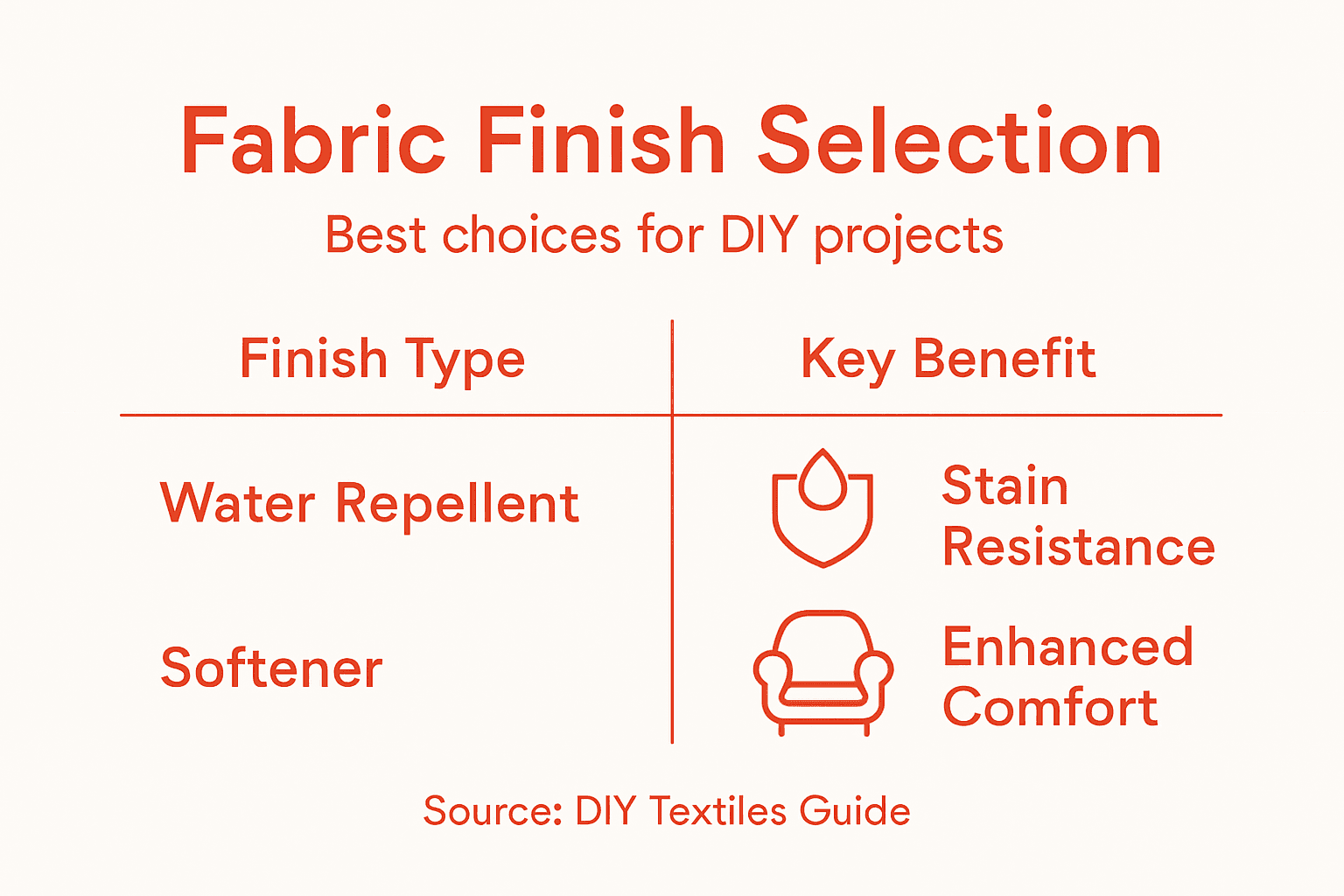
The fabric’s base material plays a critical role in finish compatibility. Natural fibers like cotton and wool respond differently to finishes compared to synthetic materials like polyester or nylon. Some finishes work best with specific fiber types, while others provide cross-fiber performance benefits. Factors such as intended use, washing frequency, expected wear and tear, and aesthetic goals should all influence your finish selection strategy. Professional textile experts recommend conducting small-scale tests to validate finish performance before committing to a full project.
Pro tip: Always request fabric finish samples and conduct a small test project to evaluate performance before investing in large quantities of treated fabric.
Preserving the integrity of fabric finishes requires careful and strategic maintenance. Fabric finish longevity depends on understanding and avoiding practices that can rapidly degrade specialized treatments. Each finish has unique care requirements that directly impact its performance and durability, making informed maintenance critical for DIY projects and professional applications.
Common mistakes can dramatically reduce the effectiveness of fabric finishes. High-temperature washing, using harsh detergents, and excessive mechanical stress can strip protective treatments faster than anticipated. Fabric finishes are delicate interventions that require gentle handling. For instance, water-repellent treatments can be compromised by standard fabric softeners, while antimicrobial finishes might deteriorate with chlorine-based cleaning agents. Understanding the specific care instructions for each finish type is crucial to maintaining its intended protective or aesthetic properties.
Different finishes demand different maintenance strategies. Outdoor and performance fabrics typically require specialized cleaning approaches that preserve their functional treatments. Natural fiber finishes often need more delicate care compared to synthetic treatments. Professional textile experts recommend reading care labels meticulously, using mild detergents, avoiding direct high-heat exposure, and storing treated fabrics in cool, dry environments to maximize finish longevity and performance.
The table below compares care considerations for maintaining different fabric finishes:
| Finish Type | Key Care Tip | Common Mistake to Avoid |
|---|---|---|
| Water Repellent | Use mild detergent | Fabric softeners |
| Antimicrobial | Avoid chlorine bleach | High-heat drying |
| Stain Resistant | Blot spills quickly | Aggressive scrubbing |
| Softening | Gentle wash cycle | Overuse of chemical softeners |
| Flame Retardant | Follow manufacturer guidelines | Hot ironing |
Pro tip: Always store manufacturer care instructions and test cleaning methods on a small, inconspicuous fabric area before applying to the entire piece.
Understanding why fabric finishes matter is key to solving common challenges like durability issues, unwanted wrinkles, or lack of stain resistance in your DIY creations. This article highlights the importance of selecting the right finish to improve softness, protection, and overall fabric performance. Don’t let unexpected fabric behavior hold you back from crafting your best work.
Discover fabrics treated with specialized finishes designed to meet your project goals. Whether you need water repellent textiles for outdoor projects or softening finishes for baby clothing, our extensive collection at Fabric-Fabric offers quality options with clear descriptions to help you make an informed choice.
Start creating with confidence today. Explore our variety of fabrics equipped with functional finishes and experience firsthand how the right treatment can elevate your work. Visit our site now and find the perfect fabric finish that blends durability with style for your next project.
Fabric finishes are specialized treatments applied to textiles to enhance their performance, appearance, and functionality. They are crucial for DIY projects as they modify fabric characteristics, improving durability, comfort, and protective capabilities.
Fabric finishes enhance durability by altering fabric fibers, making them more resistant to abrasion, pilling, and environmental stress. This ensures longer-lasting fabrics that can withstand intense use in DIY projects.
Fabric finishes can be categorized into aesthetic finishes (like softening and glazing) and functional finishes (like water repellents and antimicrobial treatments). They are selected based on the specific needs of a project, such as outdoor gear or home decor.
Proper care for fabrics with finishes depends on the type of finish. Always read care labels, use mild detergents, avoid harsh cleaners, and store fabric appropriately to ensure longevity and performance.