

 Canadian Dollars

Complete Guide to Why Choose Heavyweight Fabric
Posted by BLG on 2025 Nov 6th
Posted by BLG on 2025 Nov 6th

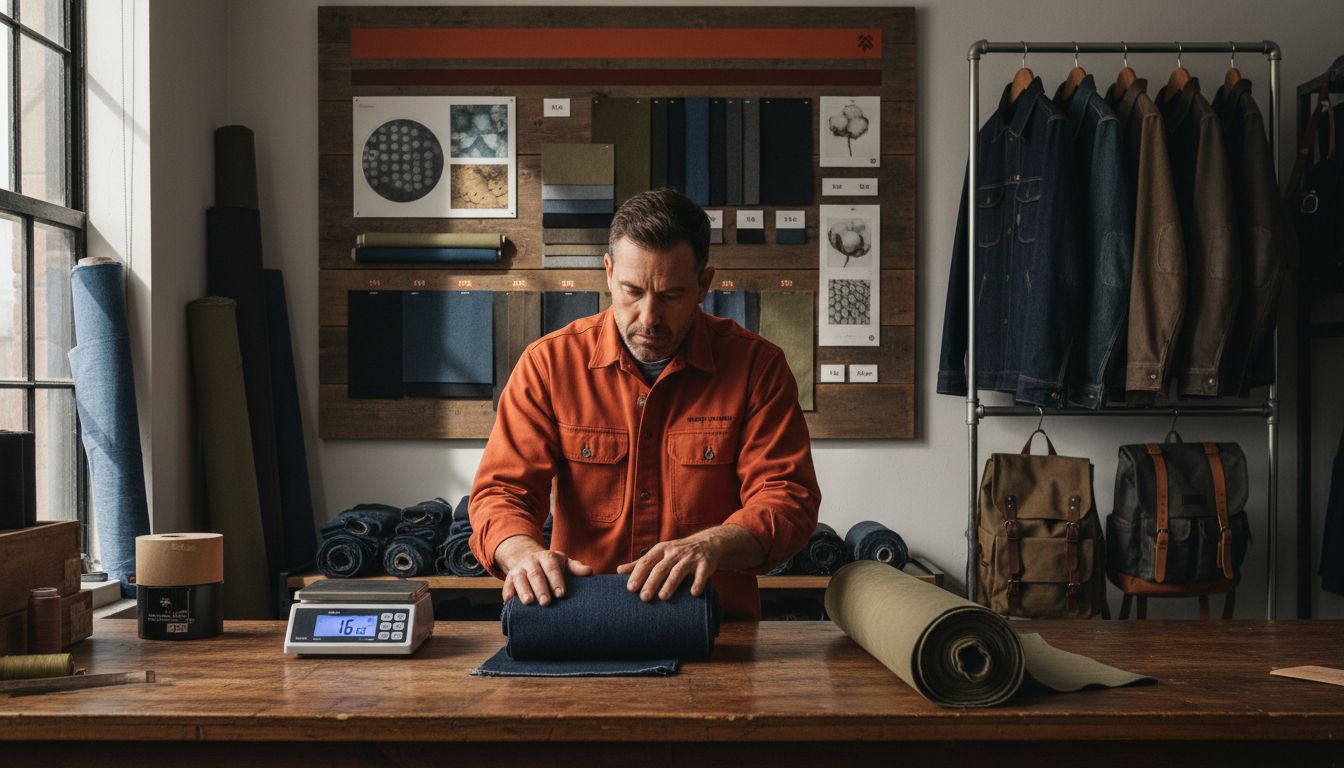
Some fabrics do more than just cover—they hold up under intense stress and heavy use. In fact, heavyweight fabrics often exceed 12 ounces per square yard, giving them industry-leading strength and durability. For anyone making choices about workwear, outdoor gear, or sturdy décor, understanding these textiles matters because the right material means a product that lasts. This guide explains what sets heavyweight fabrics apart and why their unique properties are so valuable in demanding projects.
| Point | Details |
|---|---|
| Heavyweight Fabric Definition | Heavyweight fabrics weigh more than 12 ounces per square meter, characterized by durability and high tensile strength. |
| Diverse Applications | These fabrics are ideal for industrial use, outdoor gear, and workwear due to their structural integrity and advanced performance. |
| Cost-Effectiveness | While heavyweight fabrics may have a higher initial cost, their long-term durability and reduced maintenance needs offer significant savings. |
| Performance Advantages | Heavyweight fabrics outperform lighter alternatives in structural integrity, load-bearing capacity, and overall reliability. |
Heavyweight fabric represents a specialized textile category characterized by substantial weight, durability, and exceptional structural integrity. According to research from Contract Textiles, these fabrics are defined by specific physical properties that distinguish them from lighter textile alternatives.
At its core, heavyweight fabric is technically classified by its mass per square meter or yard, typically weighing more than 12 ounces. The PMC research study highlights that these fabrics possess remarkable mechanical characteristics including superior strength and robust structural composition. Key defining properties include:
The physical attributes of heavyweight fabrics make them ideal for applications requiring maximum performance and longevity. Whether used in industrial settings, outdoor gear, professional workwear, or heavy-duty upholstery, these textiles provide unparalleled structural support. Understanding fabric weight patterns becomes crucial in selecting the right material for specific project requirements, ensuring optimal functionality and performance.
Professional crafters, designers, and manufacturers prioritize heavyweight fabrics when exceptional resilience is paramount. Their dense weave and substantial composition guarantee products that withstand intense usage, making them a preferred choice across multiple industries and creative domains.
Heavyweight fabrics represent a diverse range of textile materials, each offering unique characteristics and specialized applications. According to the Advanced Textiles Association, these fabrics encompass several critical categories that serve different industrial and creative needs.
Key heavyweight fabric types include:
Here’s a summary of the main heavyweight fabric types and their properties:
| Fabric Type | Key Features | Common Uses |
|---|---|---|
| Canvas | Extremely durable Water-resistant High tensile strength |
Outdoor equipment Bags Tents |
| Denim | Thick twill weave Multiple weights Highly durable |
Workwear Jeans Fashion |
| Leather/Synthetic Leather | Maximum structural integrity High wear resistance |
Automotive Furniture Fashion |
| Synthetic Heavyweights | Advanced engineering Enhanced performance |
Industrial gear Athletic wear |
Research from the National Academies Press highlights that synthetic heavyweight fabrics are increasingly important in high-performance applications. These advanced textiles offer remarkable engineering capabilities beyond traditional natural fiber compositions. Understanding fabric weight patterns helps designers and manufacturers select the most appropriate material for specific project requirements.
Each heavyweight fabric type brings distinctive advantages. Industrial designers, fashion creators, and craftspeople carefully select these materials based on specific performance needs. Whether creating durable outdoor gear, constructing resilient workwear, or developing sophisticated interior designs, heavyweight fabrics provide unparalleled structural support and long-lasting performance across multiple domains.
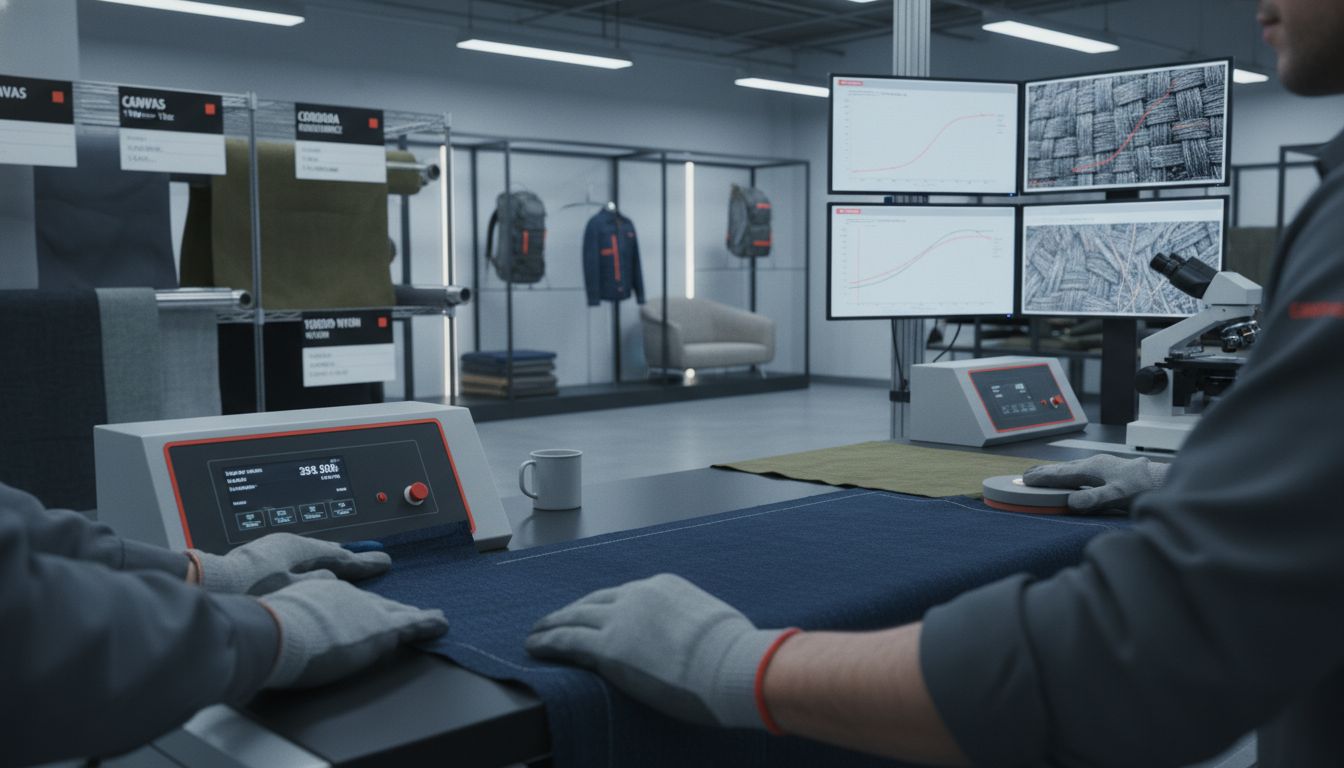
Heavyweight fabrics distinguish themselves through extraordinary performance capabilities that extend far beyond traditional textile expectations. According to groundbreaking research in the Journal of Fiber Bioengineering and Informatics, these materials demonstrate remarkable elastic properties and structural adaptability that set them apart from standard fabric alternatives.
Key performance benefits of heavyweight fabrics include:
The ACS Omega research emphasizes how strategic fabric architecture significantly influences mechanical performance. Specifically, heavyweight fabrics offer unique characteristics that make them invaluable across multiple industries. Understanding why choose heavyweight fabrics becomes crucial for professionals seeking optimal material performance.
Unlike lightweight textiles, heavyweight fabrics provide unprecedented stability and resilience. Their dense fiber composition allows for superior thermal regulation, impact resistance, and longevity. Whether utilized in industrial protective gear, high-performance athletic wear, or precision engineering applications, these fabrics consistently demonstrate an ability to withstand extreme conditions while maintaining structural integrity.
Professional designers and engineers recognize that heavyweight fabrics are not just materials but sophisticated technological solutions. Their intricate construction enables them to adapt to challenging environments, absorb mechanical stress, and deliver consistent performance across diverse operational scenarios.
Heavyweight fabrics offer extraordinary versatility across multiple creative and functional domains, transforming ordinary projects into exceptional, long-lasting creations. From professional design work to personal crafting adventures, these robust textiles provide unparalleled performance and aesthetic potential.
Apparel Applications include:
Home Décor Uses encompass:
Crafting Possibilities range from:
Sustainable fabric choices become increasingly important when selecting heavyweight materials for various applications. Crafters and designers must consider not just performance, but also environmental impact and long-term durability.
Professional creators understand that heavyweight fabrics are more than just materials. They represent sophisticated solutions that bridge functionality and creative expression, enabling projects that withstand intense use while maintaining aesthetic appeal across diverse applications.
Heavyweight fabrics represent a strategic investment that balances initial cost with exceptional long-term performance. According to the Association for Contract Textiles, these materials demonstrate superior cost-effectiveness through their extended lifecycle and remarkable durability.
Key financial and maintenance considerations include:
Research from PMC emphasizes that strategic fabric selection directly impacts maintenance complexity and overall project sustainability. Understanding fabric weight implications becomes crucial for professionals seeking optimal material performance and economic efficiency.
Professional creators recognize that while heavyweight fabrics might require a higher initial investment, their extraordinary durability translates to significant long-term savings. The robust nature of these textiles means fewer replacements, reduced maintenance costs, and superior performance across diverse applications. Whether used in industrial settings, high-traffic home environments, or professional crafting projects, heavyweight fabrics offer an intelligent balance between initial expense and sustained value.
Heavyweight fabrics represent a sophisticated textile solution that consistently outperforms lighter alternatives across multiple performance metrics. According to research in the Journal of Fiber Bioengineering and Informatics, comparative fabric analysis reveals significant structural advantages in heavyweight textiles.
Key comparative characteristics:
The ACS Omega research highlights how mechanical properties differ dramatically between heavyweight and alternative fabric compositions. Essential fabric selection strategies become critical when evaluating material performance across diverse applications.
Unlike lightweight or medium-weight textiles, heavyweight fabrics offer unparalleled reliability and consistent performance. Professional designers recognize that while alternative fabrics might appear cost-effective initially, heavyweight materials provide superior long-term value through exceptional durability, reduced maintenance requirements, and remarkable structural stability across industrial, creative, and functional domains.
Choosing the right heavyweight fabric can feel overwhelming when you want durability, strength, and long-lasting quality all in one material. The challenge is finding textiles that truly stand up to heavy use without compromising style or comfort. This guide showed how heavyweight fabrics offer superior structural integrity, resistance to wear, and remarkable performance benefits that make them ideal for apparel, home decor, and craft projects alike. If your goal is to create functional and beautiful items that endure, understanding fabric weight and selecting the perfect heavyweight textile is essential.
Explore a wide selection of heavyweight fabrics designed for tough jobs and creative expression at Fabric-Fabric.

Start building your project with confidence today. Visit Fabric-Fabric to find detailed product descriptions, helpful usage suggestions, and exclusive discounts on durable canvas, denim, leather, and more. Don’t miss out on fabrics that combine strength and style so your creations can last longer and perform better. Act now to secure high-quality heavyweight fabrics that will elevate your work and keep you prepared for any challenge.
Check out our full collection now at Fabric-Fabric and bring your toughest ideas to life.
Heavyweight fabric is characterized by its substantial weight, typically over 12 ounces per square yard, and properties such as high tensile strength, durability, and minimal stretch, making it ideal for demanding applications.
Common types of heavyweight fabrics include canvas, denim, leather/synthetic leather, and synthetic heavyweights, each offering unique features and applications for diverse industries and creative projects.
Heavyweight fabrics provide exceptional durability, enhanced structural integrity, and resistance to wear and tear, making them suitable for items like outdoor gear, professional uniforms, and high-traffic home decor.
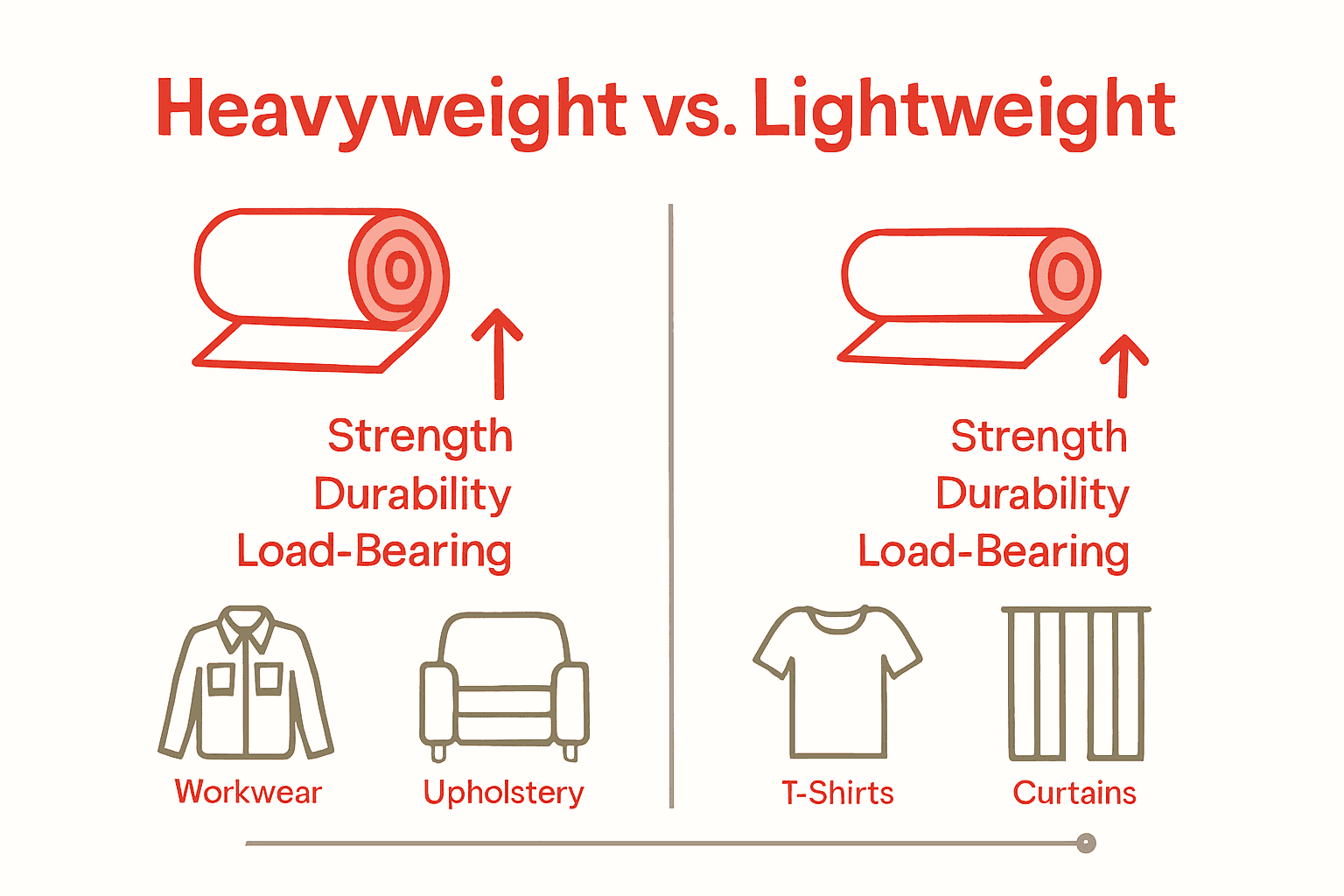
Heavyweight fabrics outshine lighter alternatives in terms of structural integrity, load-bearing capacity, and long-term durability, while lighter fabrics often result in higher replacement frequencies and reduced mechanical resilience.