

 Canadian Dollars

Swatch First: Find the Softest Cotton (35 mm ELS) for Sewists
Posted by BLG on 2026 Sep 19th
Posted by BLG on 2026 Sep 19th

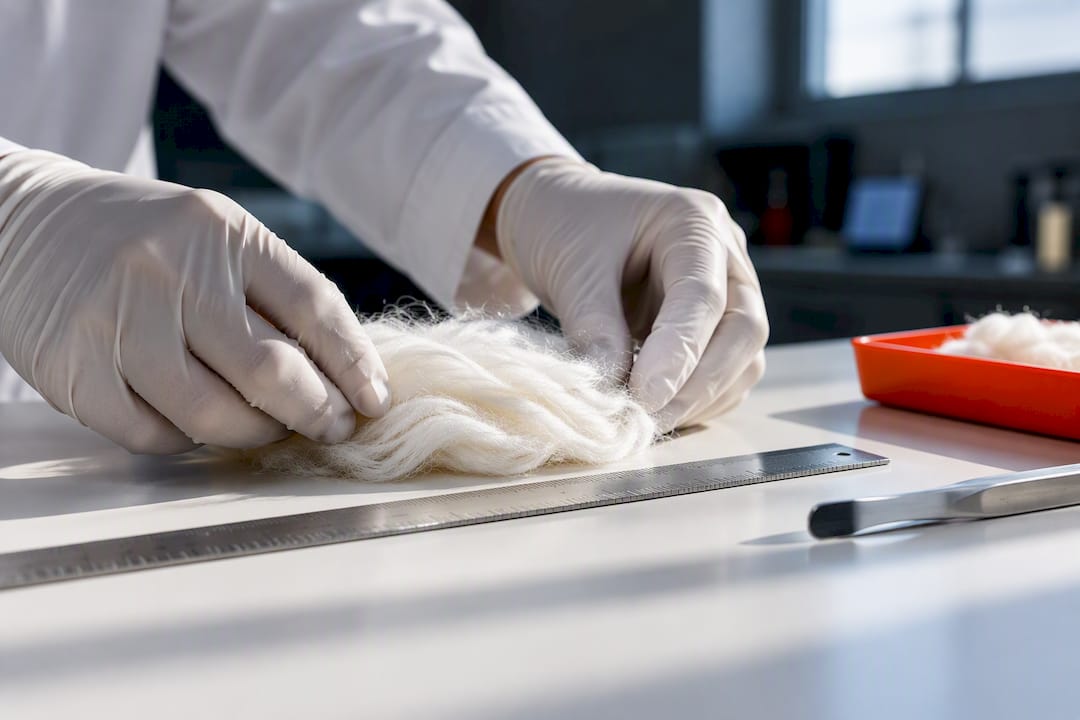
The softest cottons are extra-long-staple varieties: Egyptian, Pima, and Supima. Egyptian cotton usually wins for sheets, with a silkier, more lustrous finish in sateen weaves. Supima and Pima hold up better through repeated washing, so they dominate soft t-shirts and everyday apparel. Whichever you choose, check the label for genuine long-staple claims and order a swatch before buying yardage.
TL;DR:
- Genuine extra-long-staple Egyptian cotton with a sateen weave provides the slickest feel and the highest natural luster for sheets, but verify staple length on labels.
- Certified Supima cotton offers consistent softness and durability across multiple garments due to strict quality standards, making it ideal for repeat apparel.
- Pima cotton from the US, Peru, or Australia offers a soft, matte hand with good longevity in everyday garments such as T-shirts and casual wear.
- Proper care, including washing with warm water, avoiding fabric softeners, and drying on low heat, is essential to maintain cotton’s softness over time.
- Testing fabric swatches before buying yardage helps confirm fiber quality and handle, reducing the risk of disappointment even with high-quality branded cottons.
All three sit in the same fiber family, which is exactly why the differences come down to details rather than dramatic contrasts.
Egyptian cotton grows mainly in Egypt’s Nile Delta, and certain varieties like Giza produce fibers with a natural luster that reads as silkiness. It shines in sateen sheets and high-end shirting where drape matters.
Pima cotton comes from the same botanical group as Egyptian but is grown primarily in the United States, Peru, and Australia. The hand feels buttery rather than glossy, and it wears well in knit t-shirts and casual apparel.
Supima is not a cotton type so much as a certification: American-grown Pima that meets specific quality standards. It’s the reliable choice when you want consistent softness across an entire order.
Weave and finish often matter more than which variety you pick, so check labels for ELS staple length claims rather than trusting marketing copy alone.
Softness starts with staple length, the measurement of an individual cotton fiber. Cotton falls into three rough categories by fiber length: short staple, long staple, and extra-long staple (ELS), with ELS defined as fibers longer than approximately 35 millimeters. Longer fibers mean fewer loose ends poking out of the yarn, which is what your skin actually registers as roughness or smoothness.
Four factors combine to produce a soft fabric:
Thread count gets marketed as the softness shortcut, but it’s largely a myth once you pass around 300. A well-constructed 300-thread-count ELS sateen will out-feel a padded 800-thread-count sheet made from shorter fibers every time.
Pima belongs to Gossypium barbadense, the same extra-long-staple species behind Egyptian cotton, with typical fiber lengths within the extra-long staple range. That length is what gives it a smooth, low-pill hand without the premium price tag some Egyptian labels carry.
The feel is often described as buttery with a matte finish, occasionally taking on light sheen depending on how it’s spun and finished. It’s a workhorse for knit t-shirts, casual button-downs, and quilting cottons where softness needs to survive dozens of wash cycles.
Fabric-fabric’s guide to cotton fabric types breaks down where Pima fits against other cottons crafters commonly work with.
Not all Egyptian cotton is created equal. The name refers to origin, not automatically to quality, and certain varieties like Giza 45 and Giza 87 carry the longest, finest fibers and the highest natural luster. That luster is what people mean when they call Egyptian cotton “silky” rather than just soft.
Genuine extra-long-staple Egyptian cotton excels in sateen weaves for sheets, where the fiber’s sheen and the weave’s surface float compound each other. The result is a fabric that catches light and feels cool and slippery against skin, a texture independent sheet testing consistently rewards.
Fabric-fabric’s Egyptian cotton sateen guide walks through how weave choice changes the finished feel.
Supima isn’t a plant variety. It’s a trademark covering American-grown Pima cotton that meets certification standards for fiber quality, and that distinction matters more than it sounds. Supima’s own materials state that its extra-long staple fibers spin into cleaner, smoother yarns that resist pilling and actually improve with wear over time.
That consistency is the real selling point. Buy five Supima t-shirts from different runs and they should feel nearly identical, something you can’t always say for generic “Pima cotton” claims.
Fabric-fabric’s Supima cotton guide covers how to spot genuine certification on a hangtag.
Match the cotton to the job instead of chasing a single “softest” answer.
For sheets, prioritize verified extra-long-staple Egyptian cotton in a sateen weave, or a certified Supima sateen if you want reliability over sheen. Check the label for a stated staple length, not just a country of origin.
For t-shirts and daily apparel, Supima or genuine Pima with compact-spun, single-ply yarn construction wins on durability and consistent hand across multiple pieces.
For sewing and quilting, prioritize labeled fiber content and how a swatch behaves after a prewash cycle over any brand name on the bolt.
Pro Tip: Order a small swatch before committing to yardage. Wash it once the way you’d wash the finished project, then judge the hand after drying rather than off the bolt.
Fabric-fabric’s fashion fabric checklist is a useful reference before you commit to a full order.
Premium long-staple cotton rewards gentle handling, and most softness loss comes from care mistakes, not fiber quality.
Well-made Supima or Egyptian cotton pieces can last years longer than budget cotton, often softening further with each wash rather than wearing thin.
Reading a label only gets you so far. Cotton stock is often organized by intended use, such as apparel, home decor, and quilting, to avoid sorting generic bolts by trial and error.
Product listings typically state fiber content and weave, which are important for softness. Ordering a sample swatch to handle and wash before committing to yardage can help ensure the fabric meets expectations.
This combination of clear listings and physical swatches helps reduce guesswork in online fabric shopping.
Softness is decided long before a fiber ever reaches a loom. Hand-picked cotton, still standard practice for premium Egyptian and some Pima crops, tends to preserve fiber length better than mechanical harvesting, since machines can nick or break longer fibers during collection.
Ginning, the process that separates fiber from seed, is the next pressure point. Aggressive ginning speeds increase fiber damage and shorten the effective staple length even on cotton that started as genuine ELS material. That’s part of why two bolts labeled “Egyptian cotton” can feel noticeably different: one may have come from careful, lower-speed processing, and the other from high-volume ginning that clipped fiber ends.
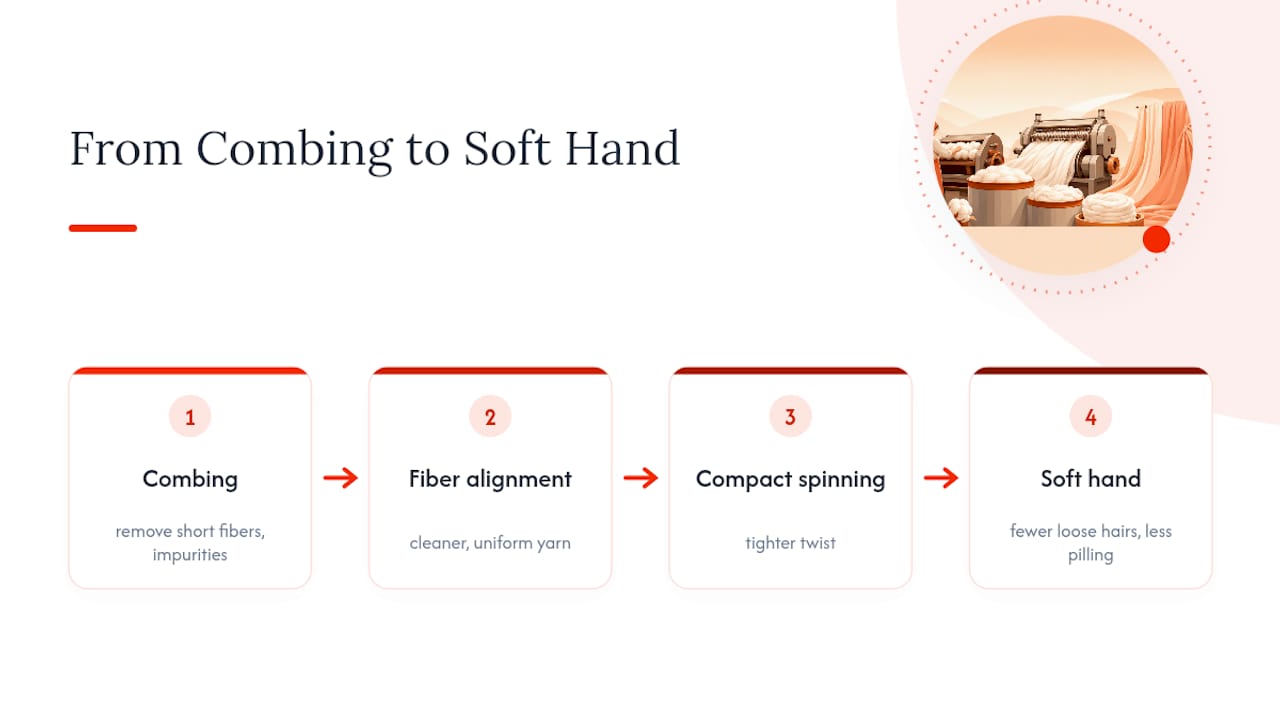
Combing is where a lot of the softness upgrade actually happens. Combed cotton has short fibers and impurities removed before spinning, leaving a cleaner, more uniform yarn than carded cotton. Compact spinning takes this further by twisting the yarn tighter during spinning, reducing the loose fiber hairs that cause pilling and rough texture.
Bleaching and dyeing add another variable. Harsh chemical processing can weaken fiber structure even on high-quality ELS cotton, while gentler, well-controlled dye processes preserve more of the fiber’s natural strength and hand. None of this shows up on a hangtag, which is exactly why swatch-testing beats reading marketing copy when softness is the priority.
Organic certification addresses farming practices, pesticide use, and soil management. It says nothing directly about staple length, fiber fineness, or weave, the three factors that actually determine softness.
In practice, an organic cotton t-shirt made from short-staple upland fiber will feel rougher than a conventional Supima shirt, because the organic label has no bearing on which cotton species or grade was used. The reverse is equally true: organic ELS cotton exists and can feel every bit as soft as its conventionally grown counterpart, because the fiber genetics and construction are doing the work, not the farming method.
Where organic cotton sometimes has a real edge is in processing. Organic certification standards often restrict harsh chemical treatments during finishing, which can mean gentler bleaching and dyeing that preserves fiber integrity a little better. That’s a processing benefit, not an inherent fiber advantage, and it varies by manufacturer.
The practical takeaway: don’t buy organic cotton expecting automatic softness, and don’t assume conventional cotton is rougher by default. Check staple length and construction details regardless of the organic label, and treat “organic” as a separate decision about farming practices rather than a softness shortcut.
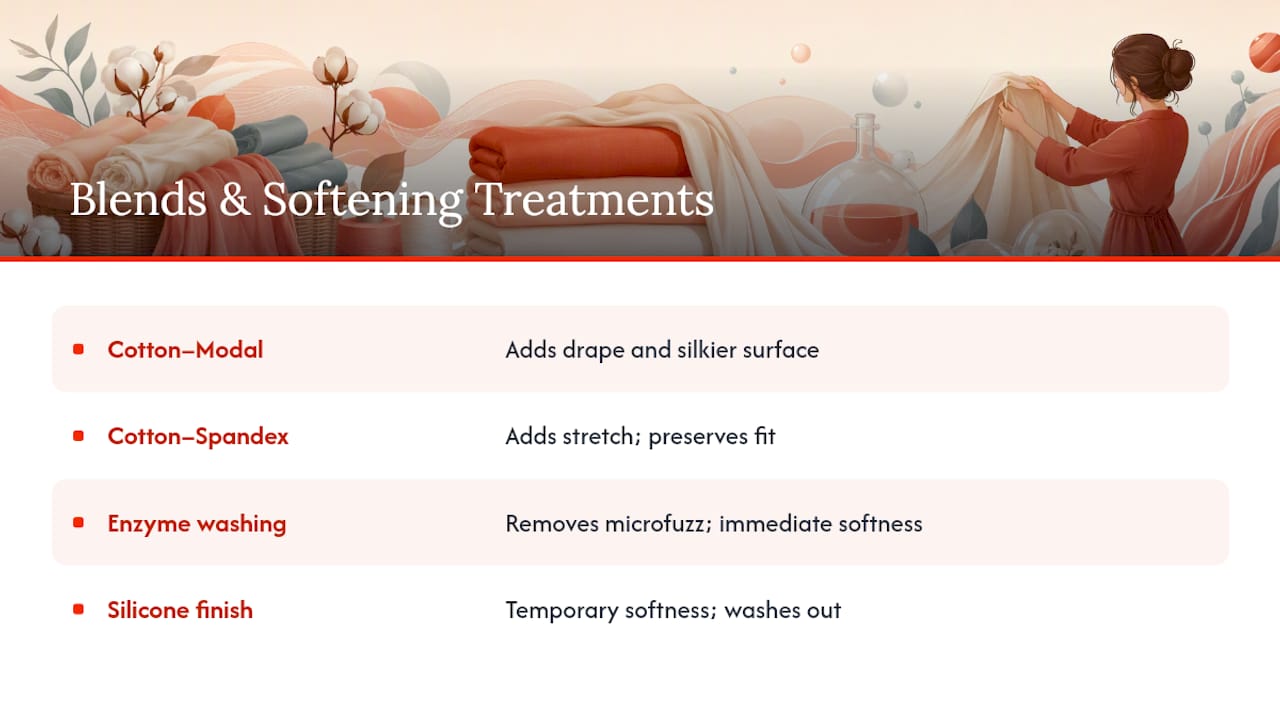
Pure cotton has limits, and manufacturers have gotten creative about pushing past them. Cotton-modal blends, modal being a semi-synthetic fiber made from beech tree pulp. They add drape and a silkier surface feel to cotton knits, which is why they show up often in premium t-shirts and loungewear.
Cotton-spandex blends, usually a small percentage of elastane mixed into cotton yarn, add stretch recovery that keeps knit garments feeling soft and fitted wash after wash instead of sagging out of shape. This isn’t a softness treatment exactly, but it preserves the perceived softness of a garment over its lifespan.
Enzyme washing, sometimes called bio-polishing, uses cellulase enzymes to shave microscopic fiber ends off the yarn surface after weaving. It’s become standard on higher-end cotton sheets and shirting because it delivers an immediate, noticeable softness boost without altering the fiber’s underlying strength much.
Silicone and other softening finishes get applied topically to some budget cotton products to fake a soft hand off the shelf. These washes out after a handful of launderings, which is why a shirt that feels plush in the store sometimes turns rough within a month. Genuine ELS fiber quality and construction, not a topical finish, is what keeps softness consistent over the life of the fabric.
Most buying guides treat “Egyptian vs. Pima vs. Supima” like a horse race with a single winner, and that framing does readers a disservice. The honest answer is that verified extra-long-staple fiber, paired with decent construction, matters more than which of the three names sits on the label. A carelessly processed “Egyptian cotton” sheet set can feel worse than a well-made Supima alternative, and vice versa.
The conventional wisdom oversells thread count and undersells finishing. I’d rather see a shopper choose a 300-thread-count genuine ELS sateen over an 800-thread-count sheet padded with shorter fiber, because the fiber quality and weave are doing more work than the number on the tag ever will.
If there’s one habit worth adopting, it’s swatch-testing before committing to yardage or a full sheet set. Labels tell you what a manufacturer claims; a swatch, washed once and handled honestly, tells you what you’re actually going to live with. That single step catches more disappointing purchases than any amount of label literacy alone.
— kev
Reading about staple length only gets you so far. Fabric-fabric lets you request swatches before buying yardage, so you can handle the actual fiber, check the weave, and confirm the hand matches what the listing promises before committing to a full project.
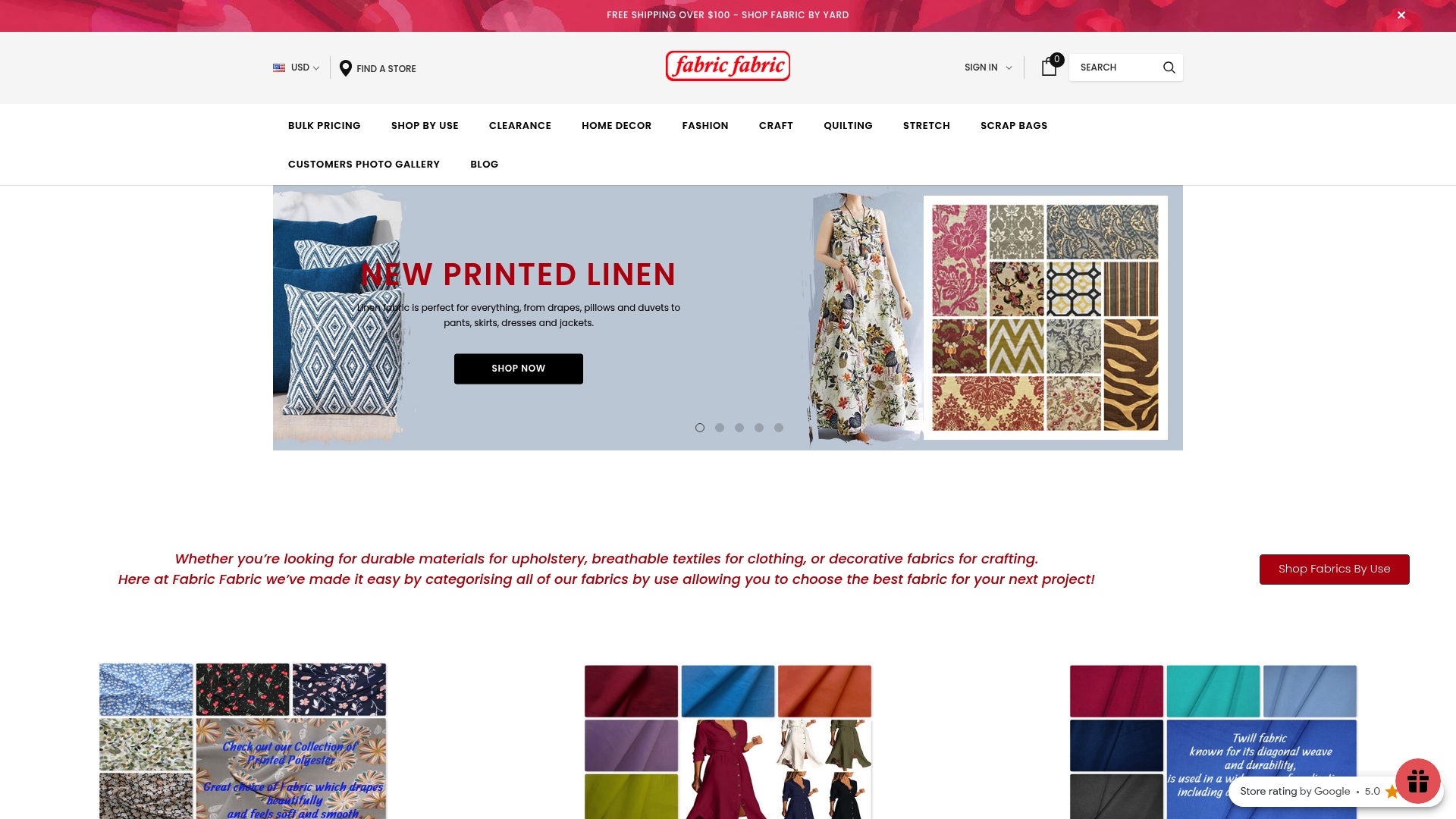
Browse apparel-weight cottons for Supima and Pima knits suited to shirts and everyday garments, or check home decor fabrics if you’re sourcing Egyptian-style sateen for sheets and pillowcases. Quilters and crafters working with smaller cuts can browse the quilting fabric collection for soft, labeled cotton by the yard, and larger projects qualify for bulk pricing once you’ve confirmed the fabric feels right. Every listing states fiber content and weave up front, so request a swatch, wash it once, and order the yardage once you know exactly what you’re getting.
Extra-long-staple cotton, especially Pima and Supima, is often described as buttery soft because of its smooth, matte hand. Genuine Egyptian cotton in a sateen weave leans silkier rather than buttery, thanks to added sheen from the weave and fiber luster.
High-quality 100% long-staple cotton usually feels softer initially than a 50/50 cotton-polyester blend, which trades softness for wrinkle resistance and durability.
The two feel remarkably close once you’re comparing genuine extra-long-staple versions of each, and the difference is often imperceptible to most people. Egyptian cotton tends to read silkier and glossier, which suits sateen sheets, while Pima has a more consistent matte softness that holds up well in apparel.
“100% soft cotton” isn’t a technical grade. It’s a marketing phrase, and true softness depends on staple length, fiber fineness, weave, and finishing rather than the cotton percentage alone. Look for a stated ELS or long-staple designation, like Pima or Supima, instead of trusting the phrase on its own.
Yes, Fabric-fabric carries cotton organized by intended use, including apparel-weight, home decor, and quilting cottons, with fiber content and weave listed on each product page. Current pricing and bulk discount options can be found directly on the relevant website.