

 US Dollar

What Is Interlock Knit and Its Apparel Impact
Posted by BLG on 2026 Feb 11th
Posted by BLG on 2026 Feb 11th


Selecting the right knit fabric can be a major turning point for designers aiming to meet both style and durability standards in a competitive North American market. Understanding the structural advantages of interlock knit, including its bi-directional elasticity and stable double-knit design, directly affects garment performance and customer satisfaction. This guide clears up common misconceptions and highlights how interlock knit’s unique qualities distinguish it from single jersey or rib knits, streamlining your material selection process.
| Point | Details |
|---|---|
| Interlock knit offers unique advantages | Its double-knit structure provides enhanced durability, stability, and a smoother surface compared to single-knit fabrics like jersey. |
| Understanding different types of interlock knit is essential | Each type, including Cotton, Synthetic, and Wool Blend Interlock, has distinct performance benefits tailored to specific garment needs. |
| Proper selection helps avoid common pitfalls | Awareness of factors like fabric weight and stretch characteristics is crucial to ensure optimal garment performance and prevent manufacturing defects. |
| Evaluate fabric thoroughly before use | Implementing comprehensive testing protocols is necessary to guarantee the quality and suitability of interlock knit fabrics for intended designs. |
Interlock knit represents a sophisticated double-knit fabric technique that transforms textile manufacturing through its unique structural characteristics. Unlike other knitting methods, interlock knit utilizes two sets of needles to create a distinctive fabric with remarkable properties, making it a fascinating subject for fashion designers and textile professionals.
The fundamental difference between interlock knit and other fabric types lies in its construction. Weft knitted fabric design enables bi-directional elasticity and enhanced mechanical stability, which sets interlock knit apart from traditional single-knit fabrics like jersey. Its double-knit structure provides several critical advantages:
Many designers mistakenly confuse interlock knit with jersey knit, but these fabrics differ significantly. Jersey knit is lighter, stretchier, and has distinct right and wrong sides, whereas interlock knit offers a more structured, balanced textile with consistent characteristics. Fabric construction techniques) reveal that interlock knit’s unique needle arrangement creates a thicker material with remarkable performance attributes.
Pro tip: When selecting fabrics for apparel, evaluate the intended garment’s drape, stretch requirements, and structural needs to determine whether interlock knit provides the optimal performance.
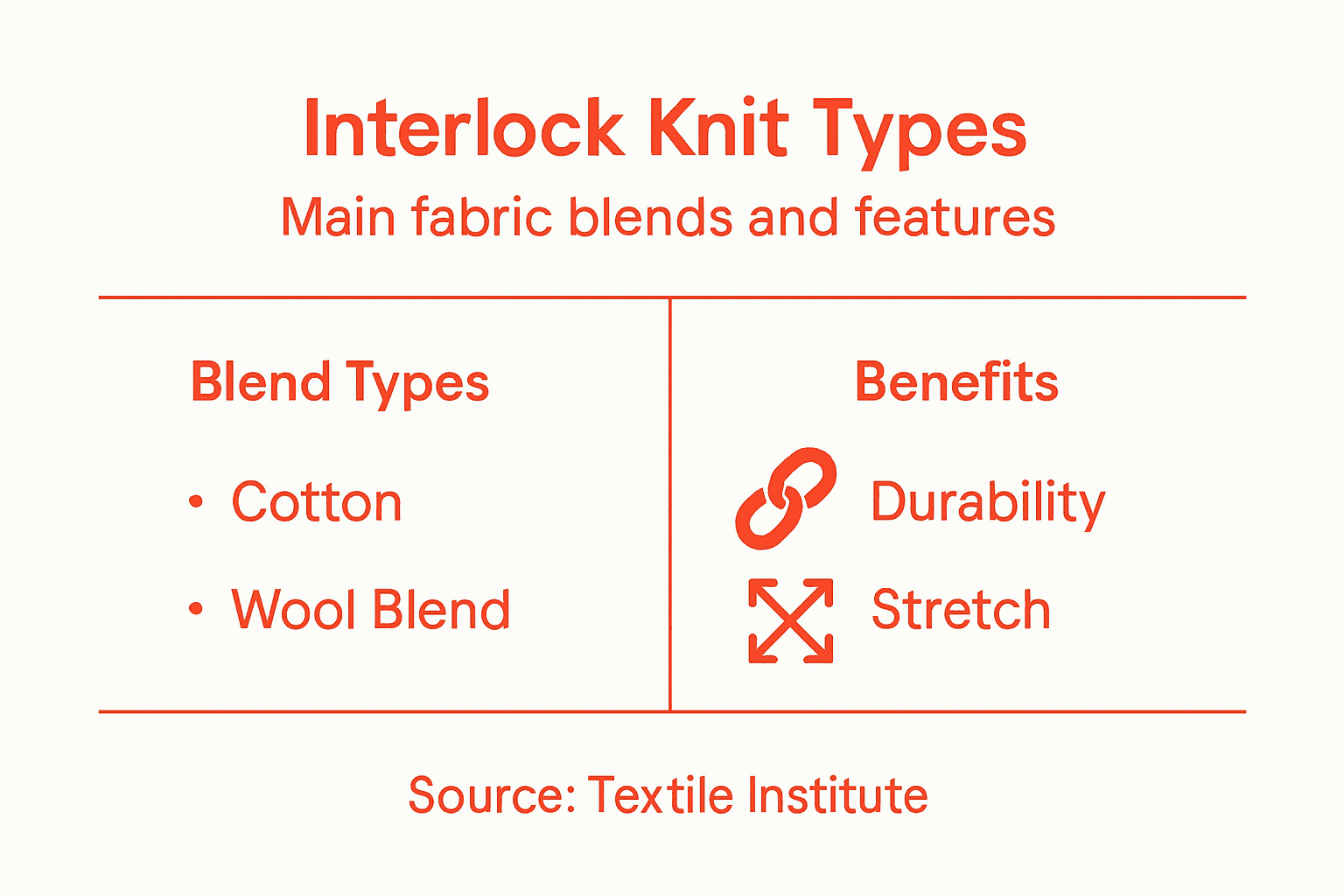
Interlock knit fabric represents a sophisticated textile technology with remarkable versatility across different fiber compositions and manufacturing techniques. Double jersey fabric construction enables designers to create textiles with unique characteristics that adapt to various apparel requirements.
The primary types of interlock knit fabric are distinguished by their fiber content and manufacturing approach:
Each interlock knit type offers distinct advantages based on its composition. Fabric manufacturing techniques) reveal that synthetic and blended interlock knits often provide superior stretch and recovery compared to pure natural fiber variants. The intricate loop structure ensures remarkable stability and consistent appearance across both fabric surfaces.
Manufacturers typically select interlock knit based on specific performance requirements, considering factors like fabric weight, stretch percentage, and intended garment application. The versatility of interlock knit makes it particularly valuable in sportswear, medical textiles, and performance clothing design.
For designers, understanding fiber blends is crucial. Here are key factors when choosing an interlock knit fiber:
| Fiber Blend | Ideal For | Performance Benefits | Considerations |
|---|---|---|---|
| Cotton Interlock | Light kids’ apparel | Soft feel, breathes well | Lower stretch, absorbs moisture |
| Synthetic Interlock | Sports, outerwear | Durable, moisture-wicking | May pill, less natural feel |
| Wool Blend Interlock | Winter wear, base layers | Warmth, retains shape | May require special care |
| Blended Fiber | Versatile design | Balanced properties | Quality varies by mix |
Pro tip: When selecting interlock knit for your design, always request fabric swatches and conduct thorough stretch and recovery tests to ensure optimal performance for your specific garment requirements.
Double-knit fabric represents a sophisticated textile engineering marvel that transforms traditional knitting techniques into a superior fabric construction. Double-knit fabric mechanics reveal a complex manufacturing process that creates unprecedented fabric stability and performance.
The core characteristics of interlock knit’s double-knit structure include several critical attributes:
Manufacturers leverage different circular knitting machine configurations to produce intricate double-knit fabric variations), each offering unique performance characteristics. The advanced needle arrangement allows for precise control over fabric weight, texture, and mechanical properties, making interlock knit particularly valuable in high-performance apparel design.
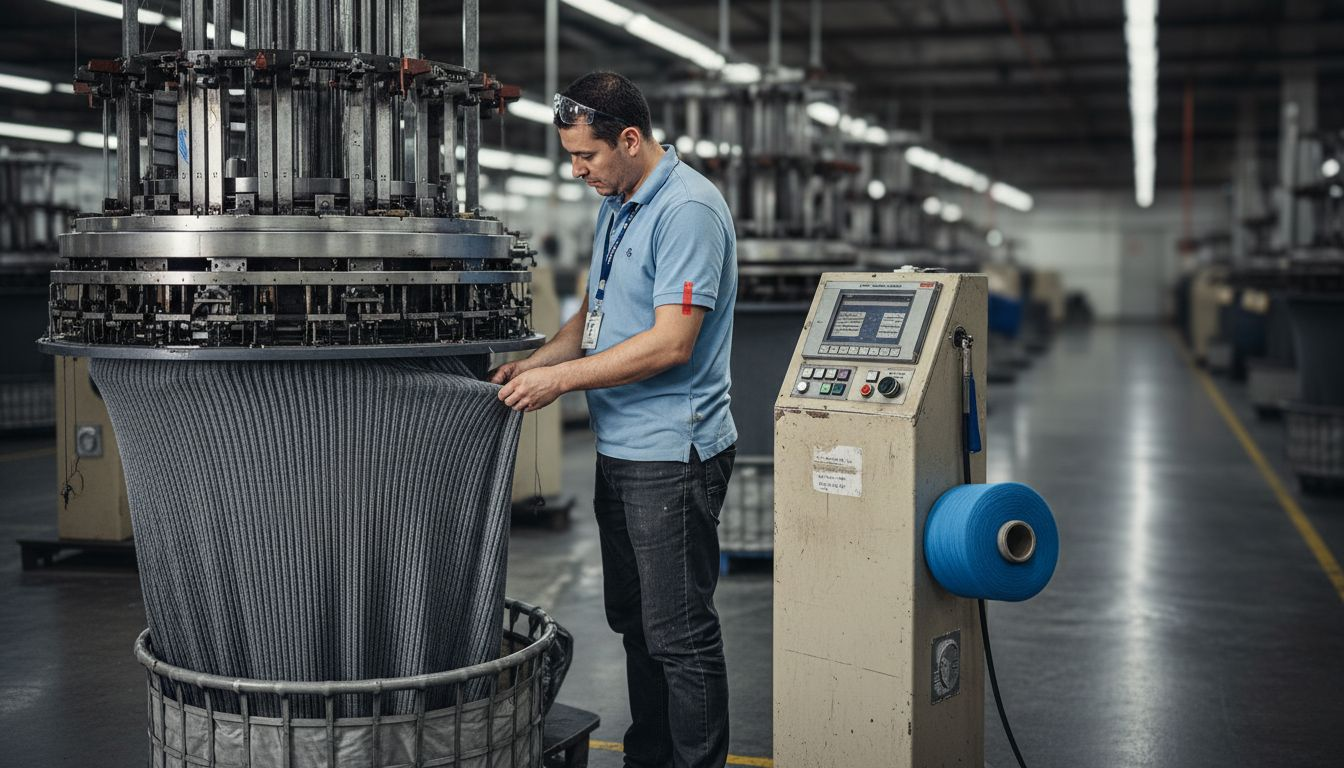
Technical specifications of double-knit structures demonstrate remarkable engineering precision. By interlocking two sets of needles and yarns, manufacturers create a fabric that maintains structural integrity under various stress conditions, making it ideal for structured garments that require both flexibility and shape retention.
Pro tip: When evaluating double-knit fabrics, examine the fabric’s weight, recovery rate, and surface consistency to determine its suitability for your specific design requirements.
Knit fabric technologies represent a complex landscape of textile engineering, with each fabric type offering unique characteristics and performance attributes. Jersey fabric mechanics) demonstrate the nuanced differences between interlock, jersey, and rib knit constructions that significantly impact garment design and functionality.
Key comparative characteristics include:
Jersey Knit:
Rib Knit:
Interlock Knit:
Fabric construction techniques reveal that interlock knit’s unique double-knit structure provides remarkable advantages over traditional single-knit fabrics. The interlocking needle technique creates a more stable, uniform fabric with reduced curling and enhanced mechanical properties.
Designers and manufacturers must carefully evaluate these fabric characteristics when selecting materials for specific garment applications. Interlock knit’s balanced properties make it particularly valuable in apparel requiring both flexibility and structural integrity, such as professional wear, activewear, and performance clothing.
To help clarify knit fabric selection, here’s how interlock, jersey, and rib knits compare across major apparel uses:
| Fabric Type | Best Use Cases | Strengths for Apparel | Common Limitations |
|---|---|---|---|
| Interlock Knit | Activewear, business wear | Balanced stretch, keeps shape | Slightly heavier feel |
| Jersey Knit | T-shirts, loungewear | Soft touch, high flexibility | Edges may curl, less durable |
| Rib Knit | Cuffs, collars, sports | Extreme stretch, hugs body | Lacks shape retention |
Pro tip: Conduct tactile and stretch tests on fabric samples to accurately assess the performance characteristics of different knit structures before finalizing your design.
Interlock knit fabric represents a versatile textile solution that seamlessly bridges functional performance and aesthetic design across multiple fashion categories. Knitted fabric applications demonstrate the remarkable adaptability of this textile technology in creating garments that balance comfort, durability, and style.
Primary fashion and apparel uses for interlock knit include:
Casual Wear:
Athletic Apparel:
Professional Attire:
Ponte fabric characteristics) reveal that interlock knit’s unique properties make it exceptionally suitable for garments requiring both structure and flexibility. The fabric’s ability to maintain shape while providing moderate stretch allows designers to create pieces that move with the body without losing their refined appearance.
Beyond aesthetic considerations, interlock knit’s technical properties make it a preferred choice for designers seeking fabrics that offer consistent performance. Its smooth surface, reduced edge curling, and balanced stretch enable the creation of garments that look professional and feel comfortable across diverse wearing conditions.
Pro tip: When selecting interlock knit for your design, consider the fabric’s weight, stretch percentage, and intended end-use to ensure optimal garment performance and aesthetic quality.
Fabric selection demands meticulous attention to detail, particularly when working with specialized textiles like interlock knit. Fabric quality assessment reveals critical challenges that can significantly impact garment performance and customer satisfaction.
Key pitfalls in interlock knit selection include:
Manufacturing Defects:
Performance Limitations:
Selection Mistakes:
Textile quality evaluation demonstrates that comprehensive fabric testing is essential to mitigate potential design and manufacturing risks. Designers must conduct thorough inspections to identify subtle imperfections that could compromise garment integrity and aesthetic appeal.
Comprehensive fabric assessment requires a systematic approach that goes beyond visual inspection. Designers should implement rigorous testing protocols that evaluate mechanical properties, fiber composition, and performance under simulated wearing conditions to ensure optimal fabric selection.
Pro tip: Develop a comprehensive fabric evaluation checklist that includes mechanical testing, wash simulation, and detailed visual inspection to minimize potential interlock knit selection errors.
Struggling to find high-quality interlock knit fabrics that deliver both comfort and durability for your designs Join countless designers who trust Fabric-Fabric.com for expert-curated selections of Double Knit Fabric that meet the critical demands of shape retention and balanced stretch. Whether you are creating sportswear or professional attire achieving the right fabric weight and fiber blend is essential to craft garments that stand out and perform.

Shop now to explore versatile options tailored precisely to interlock knit specifications from breathable cotton to resilient synthetic blends Act today and benefit from seasonal promotions and free shipping thresholds that ensure you get premium fabric solutions without compromise. Visit Stretch Knit Fabrics for more choices or learn about knit variations including Rib Knit to complete your fabric library Make your apparel impact with confidence at Fabric-Fabric.com.
Interlock knit fabric is a sophisticated double-knit textile created using two sets of needles, resulting in a unique structure that offers enhanced dimensional stability, durability, and a smooth surface on both sides.
Interlock knit is thicker and provides a more structured feel compared to jersey knit, which is lighter and has distinct right and wrong sides. Interlock knit also has superior shape retention and reduced tendency to curl at the edges.
The primary types of interlock knit fabric include cotton interlock, synthetic interlock, wool blend interlock, and blended fiber interlock, each offering distinct performance attributes based on their fiber composition.
Interlock knit is commonly used in casual wear like t-shirts and loungewear, athletic apparel such as sportswear and training tops, and professional attire including tailored dresses and structured skirts due to its blend of comfort and durability.