

 US Dollar

What Is Egyptian Cotton Sateen: A Complete Fabric Guide
Posted by BLG on 2026 Jul 15th
Posted by BLG on 2026 Jul 15th


TL;DR:
- Egyptian cotton sateen is a luxurious fabric made from long-staple Egyptian cotton woven in a sateen pattern, offering a smooth, lustrous surface. Its high quality depends on fiber length, purity, and finishing processes like combing and mercerization, which enhance durability and sheen. The sateen weave creates a silky feel and subtle shine, making it ideal for premium bedding, apparel, and home decor.
Egyptian cotton sateen is a luxury fabric made from extra-long staple Egyptian cotton fibers woven in a 4-over-1-under sateen pattern, producing a smooth, lustrous, and durable surface. The combination of fiber origin and weave structure is what separates this fabric from ordinary cotton. Understanding what is Egyptian cotton sateen helps you make smarter choices for bedding, apparel, and home decor. The sateen weave floats multiple threads across the surface, creating that signature silky feel without using silk or synthetics.
Egyptian cotton is defined by its extra-long staple fibers, which measure over 2 inches in length. That length matters more than most shoppers realize. Regular upland cotton fibers typically measure under 1.1 inches, which means they produce shorter, coarser yarns that pill faster and feel rougher against skin.
Egyptian cotton’s longer fibers spin into finer, stronger yarns. Finer yarns pack more threads into each square inch of fabric, which directly increases softness and smoothness. The result is a fabric that holds its shape and feel through years of washing, not just a few seasons.
Fiber purity also plays a major role in quality. Authentic Egyptian cotton sateen uses 100% long-staple cotton, with no blending of short-staple varieties or synthetics. Blended fabrics may look similar on the shelf but degrade faster and lose their luster quickly.
Two finishing processes further improve fiber quality in premium sateen:
Pro Tip: When shopping for Egyptian cotton sateen, look for labels that specify “combed” or “mercerized” cotton. These terms confirm the manufacturer invested in fiber preparation, not just marketing language.
The sateen weave is the structural reason this fabric feels so different from standard cotton. In a sateen pattern, four or more warp threads float over a single weft thread before going under. This thread-floating technique keeps most of the yarn surface exposed to light and touch.
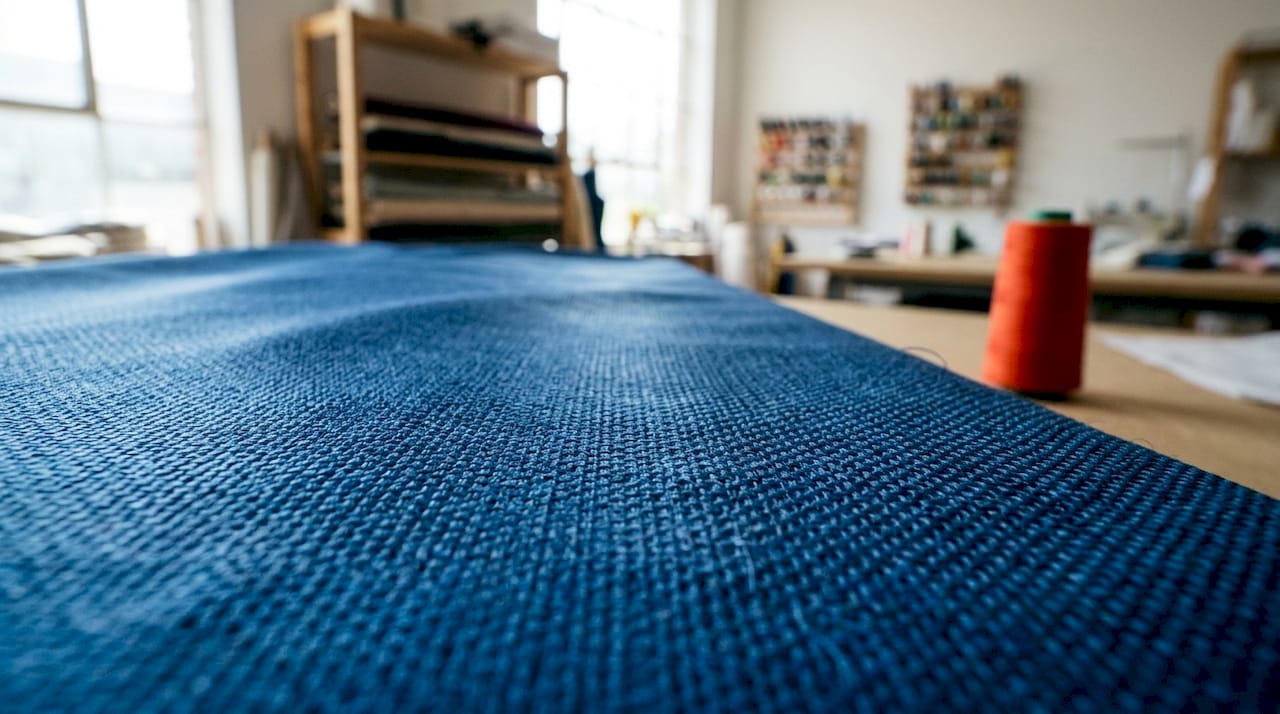
The practical effect is significant. Sateen’s floating threads minimize exposed fiber ends on the surface, which reduces friction and creates that smooth, almost slippery handfeel. The light-reflective surface gives the fabric a subtle sheen that reads as elegant without being flashy.
The sateen vs percale comparison comes up constantly in bedding discussions, and the distinction is straightforward. Percale uses a simple 1-over-1-under weave, producing a matte, crisp finish with a lighter feel. Sateen’s denser construction traps more heat than percale, making it the better choice for cooler climates or people who sleep cold. Percale suits hot sleepers who prioritize airflow over softness.
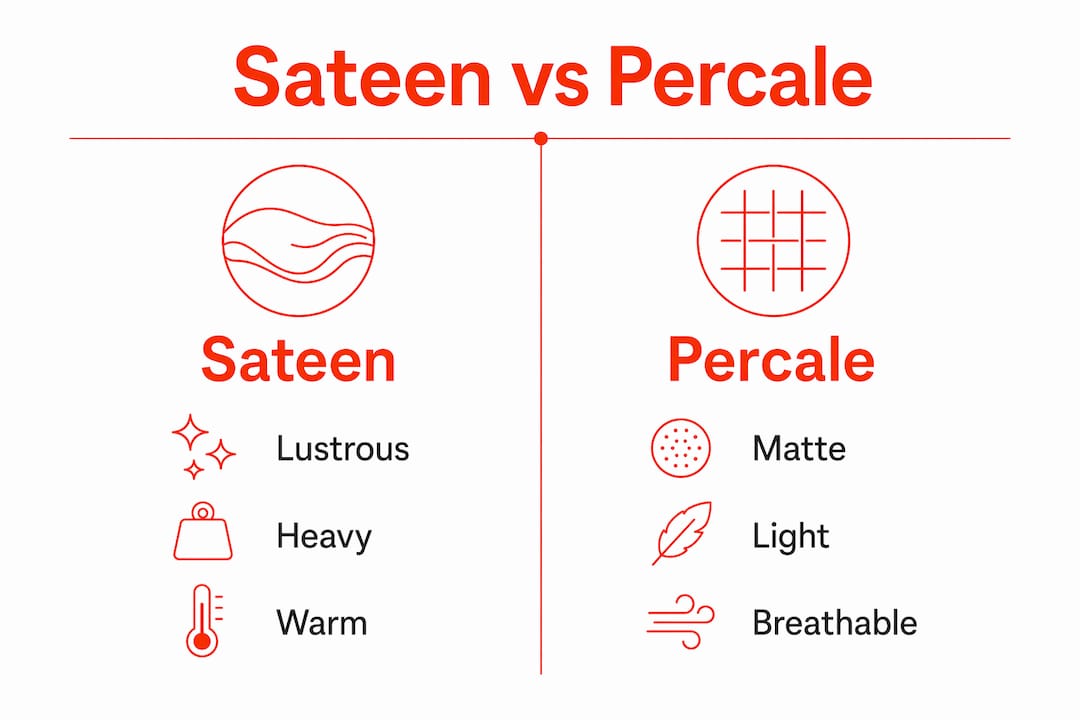
| Feature | Sateen weave | Percale weave |
|---|---|---|
| Surface finish | Lustrous, silky | Matte, crisp |
| Weight | Heavier, denser | Lighter, airier |
| Warmth | Higher heat retention | More breathable |
| Wrinkle resistance | Higher | Lower |
| Best for | Cool sleepers, luxury feel | Hot sleepers, crisp feel |
Many shoppers confuse sateen with satin, but they are not the same fabric. Sateen is cotton woven in a satin-style pattern, while satin typically uses silk or synthetic fibers like polyester. Cotton sateen delivers a silk-like handfeel with the breathability and washability of cotton. Satin, by contrast, can trap heat and generate static, especially in synthetic versions.
Pro Tip: If a product is labeled “satin sheets” and lists polyester in the fiber content, you are not getting cotton sateen. Check the fiber content label, not just the weave name.
Egyptian cotton sateen dominates the luxury bedding market, accounting for the majority of premium sheet sets, duvet covers, and pillowcases sold at higher price points. That concentration makes sense. The fabric’s combination of softness, durability, and visual appeal fits bedding better than almost any other material.
The benefits of cotton sateen in this context are concrete:
Beyond bedding, Egyptian cotton sateen works well in apparel. Dresses, blouses, and skirts cut from sateen fabric drape fluidly and hold their shape without stiffness. The subtle sheen reads as polished in formal settings without requiring dry cleaning. For home decor, sateen’s reflective quality makes it a strong choice for cotton drapery and cushion covers where visual texture matters.
The long-term value proposition is real. A quality Egyptian cotton sateen sheet set costs more upfront than standard cotton, but it outlasts cheaper alternatives by years. The fabric’s resistance to pilling and degradation means you replace it less often.
The biggest challenge with Egyptian cotton sateen is that the label “Egyptian cotton” is widely misused. Luxury standards require 100% long-staple cotton with no blending of short-staple fibers or synthetics. Many products marketed as Egyptian cotton contain blends that undermine the fabric’s core qualities.
Use this checklist when evaluating a purchase:
Pro Tip: Avoid products that list a country of manufacture other than Egypt without specifying fiber origin. Egyptian cotton refers to where the fiber is grown, not where the fabric is woven. A sheet can be woven in China from authentic Egyptian cotton and still be genuine, as long as the fiber origin is confirmed.
How to care for Egyptian cotton sateen is equally important for preserving its quality. Wash in cool or warm water on a gentle cycle. Avoid high-heat drying, which weakens long-staple fibers over time. Remove sheets promptly from the dryer and smooth them flat to minimize wrinkles. Skip fabric softener, which coats fibers and reduces the natural moisture-wicking performance.
Egyptian cotton sateen delivers its luxury qualities through fiber length and weave structure working together. Neither element alone produces the same result.
| Point | Details |
|---|---|
| Fiber length defines quality | Extra-long staple fibers over 2 inches create softer, stronger, pilling-resistant yarn. |
| Weave creates the sheen | The 4-over-1-under sateen pattern floats threads on the surface, producing luster and smoothness. |
| Sateen differs from satin | Sateen is 100% cotton; satin uses silk or synthetics, making sateen more breathable and washable. |
| Sateen vs. percale choice | Choose sateen for warmth and softness; choose percale for breathability and a crisp feel. |
| Authenticity requires verification | Look for 100% long-staple Egyptian cotton labeling and realistic thread counts (300–600). |
People fixate on thread count when buying bedding, and that single number has done more damage to fabric literacy than almost anything else in retail. I have handled hundreds of fabric samples over the years, and a 1,000-thread-count sheet made from short-staple blended cotton feels noticeably worse than a 400-thread-count sheet made from genuine long-staple Egyptian cotton sateen.
The real story is in the fiber. Luxury depends on fiber quality, not just the weave. A sateen weave applied to low-quality short-staple cotton will pill within months and lose its sheen after a dozen washes. The same weave applied to authentic long-staple Egyptian cotton produces a fabric that genuinely improves with age.
The climate consideration also gets ignored. Sateen’s denser weave retains heat, which is a feature in winter and a drawback in summer. I have seen shoppers buy sateen sheets for a warm climate and then wonder why they sleep hot. The answer is not the cotton quality. It is the weave density. If you run warm at night, percale sheeting is the better call, regardless of how beautiful the sateen looks.
For apparel, Egyptian cotton sateen is genuinely underused. Most people associate it with bedding, but a well-cut sateen blouse or skirt drapes better than most mid-range dress fabrics and holds its color longer. The sheen is subtle enough for daywear and polished enough for evening. That versatility makes it one of the better fabric investments for a home sewer or small designer.
— kev
Fabric-fabric carries a curated selection of home decor and apparel-grade fabrics, including premium cotton sateen options suited for bedding, curtains, and clothing projects.

Whether you are outfitting a bedroom with elegant sheets or sourcing fabric for a structured dress, the home decor fabric collection at Fabric-fabric includes cotton sateen yardage priced by the yard with clear fiber content details. The site also features luxury textile examples to help you visualize how sateen performs in finished projects. Browse the full range to find the right weight, color, and finish for your specific application.
Egyptian cotton sateen is made from extra-long staple Egyptian cotton fibers woven in a 4-over-1-under sateen pattern. The combination produces a smooth, lustrous, and durable fabric used in luxury bedding and apparel.
No. Sateen is cotton woven in a satin-style weave, while satin is typically made from silk or synthetic fibers. Sateen offers similar smoothness with better breathability and easier care.
Sateen is denser, heavier, and warmer than percale, with a lustrous finish. Percale is lighter, more breathable, and has a matte, crisp feel. Choose sateen for softness and warmth; choose percale for airflow and a cooler sleep.
Yes. Egyptian cotton sateen’s handfeel improves with repeated washing as the long-staple fibers relax and the weave settles. This is the opposite of synthetic alternatives, which degrade with laundering.
A thread count between 300 and 600 indicates quality sateen construction. Counts above 800 typically use multi-ply yarns that inflate the number without improving softness or durability.