

 US Dollar

What Is Chenille Fabric Upholstery: A 2026 Guide
Posted by BLG on 2026 Jun 11th
Posted by BLG on 2026 Jun 11th

TL;DR:
- Chenille fabric upholstery features a soft, velvety surface created by short fibers standing perpendicular to a twisted core yarn. Its durability varies by fiber content, with polyester blends being most resistant to wear, making it suitable for everyday residential furniture. Proper cleaning and seam techniques are essential to maintain its plush appearance and longevity in home interiors.
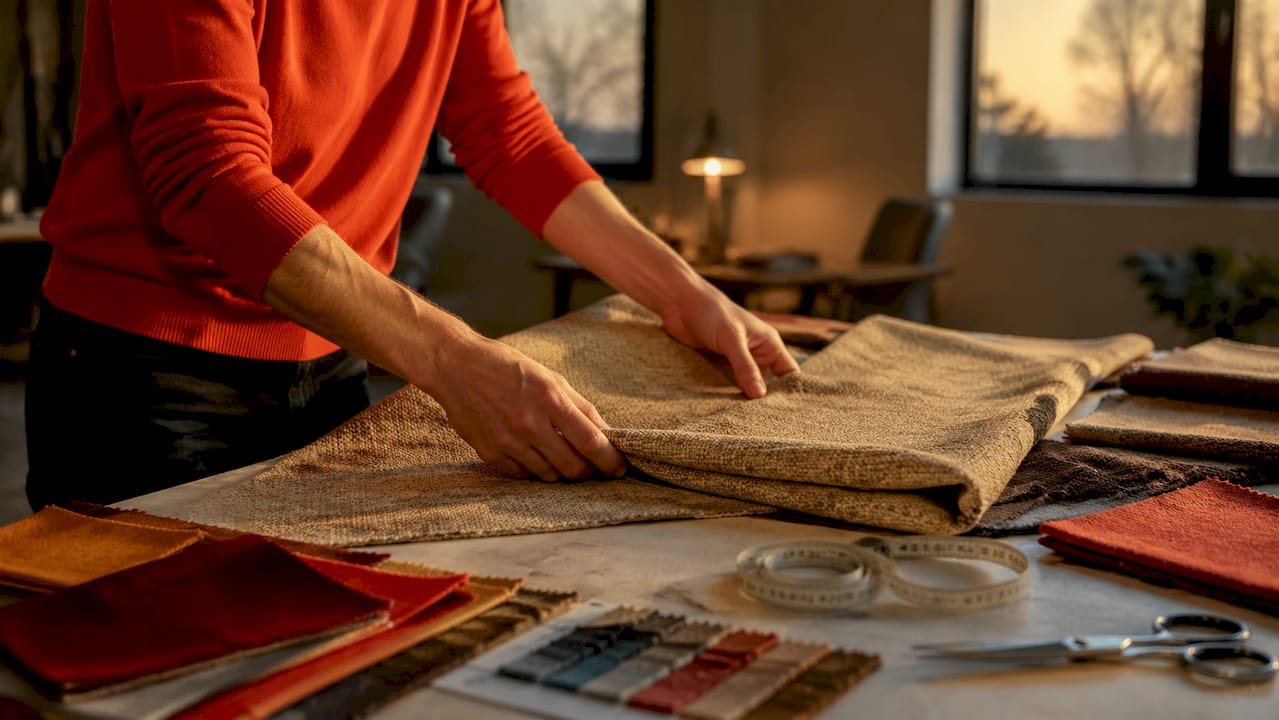
Chenille fabric upholstery is a pile-face textile made from chenille yarn, where short fiber lengths stand perpendicular to a twisted core, producing a distinctively soft, velvety surface. The word “chenille” comes from the French word for caterpillar, a fitting name for a yarn that looks fuzzy and textured along its length. You’ll find it on sofas, armchairs, throw pillows, and curtains across every style of interior, from traditional to contemporary. Its combination of plush texture, visual warmth, and fiber versatility makes chenille one of the most recognized names in residential upholstery.
Chenille fabric upholstery starts at the yarn level. Chenille yarn is constructed by placing short lengths of fiber, called pile, between two core yarns that are then twisted tightly together. This twisting locks the pile in place so it stands outward at right angles to the core. When woven into fabric, those protruding fibers create the soft, dense surface chenille is known for.
The fiber content of the yarn determines how the finished fabric looks, feels, and performs. Common options include:
Most upholstery-grade chenille uses a blend of two or more fibers to balance softness with practicality. A cotton-polyester blend, for example, keeps the natural feel of cotton while gaining the durability of polyester. Understanding the fiber content before you buy is the single most useful thing you can do when shopping for chenille upholstery.
Pro Tip: Run your hand along the fabric in both directions before purchasing. If the color or sheen shifts noticeably, the pile is directional. You will need to cut all upholstery pieces in the same direction to avoid visible shading mismatches on the finished piece.
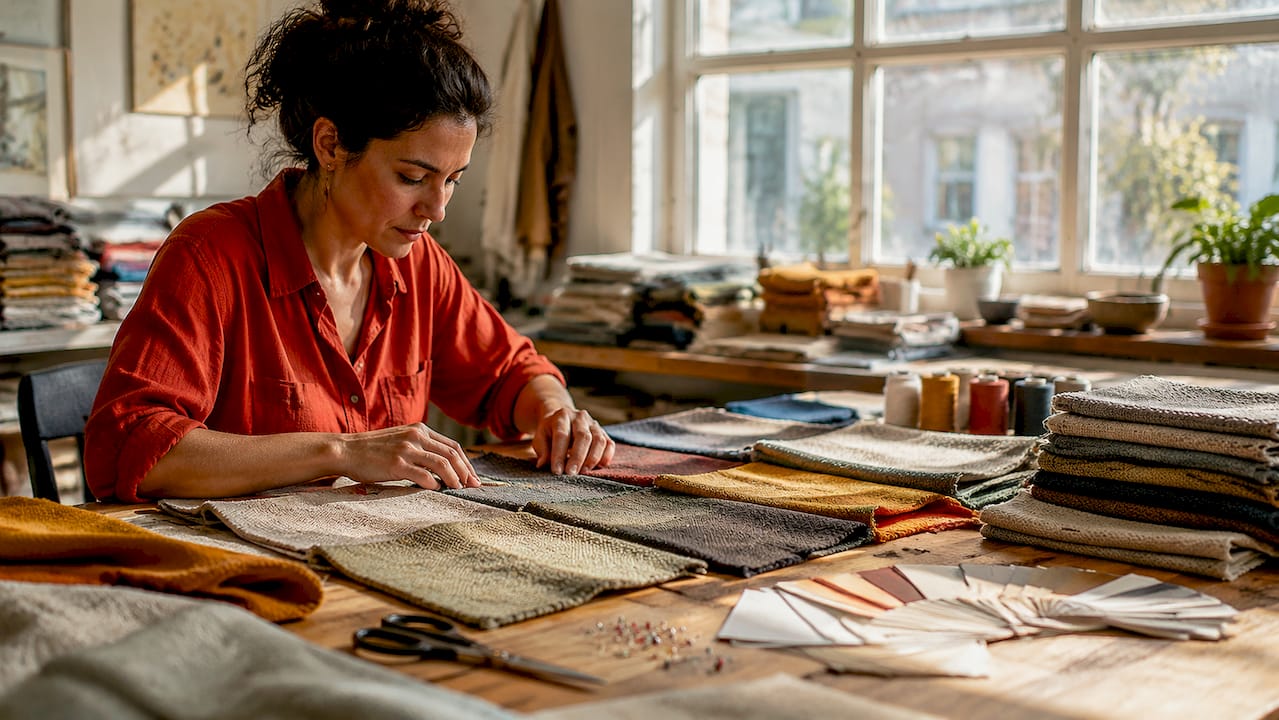
Durability in upholstery fabrics is measured using the Martindale abrasion test, which counts how many “double rubs” a fabric withstands before showing wear. Chenille upholstery typically tests at 15,000 to 30,000 double rubs, placing it in the moderate durability category. That range is appropriate for residential seating used daily, but it falls short of the 40,000-plus double rubs required for commercial or high-traffic environments.
| Fabric type | Typical double rubs | Best use case |
|---|---|---|
| Chenille (cotton blend) | 15,000–20,000 | Light residential use |
| Chenille (polyester blend) | 25,000–30,000 | Regular residential seating |
| Microfiber | 30,000–50,000 | Families, pets, heavy use |
| Velvet (synthetic) | 25,000–40,000 | Residential, decorative |
One failure point that rarely gets mentioned in product listings is seam pile compression. Pile compression at seams can reduce seam strength by roughly 30%, which means a sofa that looks fine on the seat surface may start splitting at the seams years before the fabric itself wears out. Professional upholsterers address this by trimming pile from the seam allowance area and using a seam allowance of five-eighths to three-quarters of an inch. If you are having furniture reupholstered, ask your upholsterer specifically about their seam technique for pile fabrics.
Polyester-heavy blends hold up better in homes with children or pets. Cotton-dominant chenille looks and feels beautiful but requires more careful use. Knowing your household’s actual traffic patterns before selecting a blend will save you from replacing furniture prematurely.
Pro Tip: Always ask for the Martindale rating when buying chenille upholstery fabric. A rating below 15,000 double rubs is decorative grade, suitable for cushions and low-use accent chairs, not everyday sofas.
Cleaning chenille upholstery incorrectly is one of the fastest ways to ruin it. The pile structure that makes chenille so soft is also what makes it vulnerable to distortion. Overwetting chenille fabric causes shrinkage, puckering, and water rings that are difficult to reverse. Scrubbing aggressively flattens and tangles the pile, leaving permanent dull patches.
Every piece of upholstered furniture should carry a care tag with one of four cleaning codes. “W” means water-based cleaners only. “S” means solvent-based cleaners only. “WS” allows both. “X” means vacuum only, no liquid cleaners at all. Follow these codes without exception.
For routine maintenance and spot cleaning, work through these steps in order:
Machine washing chenille upholstery fabric is not recommended. The agitation cycle compresses and tangles the pile in ways that cannot be undone. For heavily soiled pieces or “S” and “X” coded fabrics, professional upholstery cleaning is the right call.
Pro Tip: Before applying any cleaning solution to a visible area, test it on the underside of a cushion or a hidden seam. Chenille can react unpredictably to cleaning agents depending on fiber content, and a hidden test spot takes thirty seconds but can save the whole piece.
Shoppers often weigh chenille against velvet and microfiber when choosing upholstery fabric. All three are soft, popular, and available in a wide range of colors, but they perform and feel quite differently in practice.
Velvet has a tightly defined directional nap, meaning the pile lies flat in one direction and reflects light in a single, consistent way. This gives velvet its characteristic color-shift effect when you brush it against the grain. Chenille, by contrast, has pile protruding in all directions from the yarn, producing a softer, less structured surface. Chenille does not have velvet’s sharp visual drama, but it is generally more forgiving to cut and work with, and it feels warmer and less formal in most living spaces.
Microfiber is a synthetic fabric made from extremely fine polyester or nylon fibers. It has no pile structure in the traditional sense. Microfiber is highly stain-resistant, easy to clean, and durable, often exceeding 30,000 double rubs. It lacks the tactile richness of chenille or velvet, but it is the practical winner for households with children or pets. You can find a broader breakdown of sofa upholstery fabric types that covers these comparisons in more depth.
| Feature | Chenille | Velvet | Microfiber |
|---|---|---|---|
| Pile structure | Yarn-based, all-direction | Directional nap | No pile, woven synthetic |
| Softness | Very soft, plush | Very soft, smooth | Soft, less textured |
| Durability | Moderate (15,000–30,000 DR) | Moderate to high | High (30,000–50,000 DR) |
| Stain resistance | Low to moderate | Low | High |
| Cleaning ease | Moderate, requires care | Difficult | Easy |
| Visual character | Warm, textured, casual-formal | Rich, formal, dramatic | Flat, clean, casual |
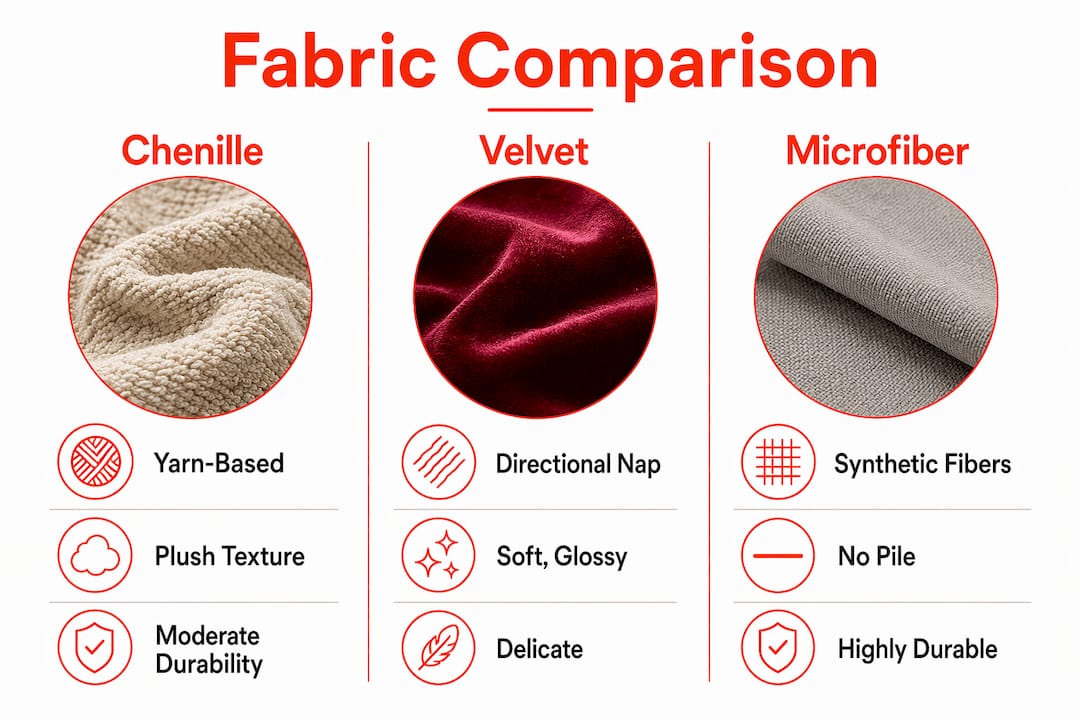
Chenille sits between velvet and microfiber on nearly every axis. It is softer and warmer-looking than microfiber, more relaxed and forgiving than velvet, and well-suited to living rooms and bedrooms where comfort and style share equal priority. Understanding how fabric texture affects upholstery helps clarify which of these three fits your specific furniture and room.
Chenille fabric upholstery delivers a distinctive combination of plush texture, moderate durability, and fiber versatility that makes it the right choice for residential furniture when selected and maintained correctly.
| Point | Details |
|---|---|
| Construction defines texture | Pile fibers twisted perpendicular to core yarns create chenille’s signature softness and sheen. |
| Fiber blend determines performance | Polyester blends reach 25,000–30,000 double rubs; cotton blends suit lighter residential use. |
| Seams are the weak point | Pile compression reduces seam strength by 30%; trim pile from seam allowances to prevent failure. |
| Cleaning requires restraint | Blot, never scrub; follow care codes strictly; overwetting causes permanent pile distortion. |
| Chenille fills a specific niche | Softer and warmer than microfiber, more relaxed than velvet, best for everyday residential seating. |
I have worked with a lot of upholstery fabrics over the years, and chenille is one of the few that consistently surprises people who handle it for the first time. They expect something that looks soft to feel soft, and chenille actually delivers on that. Velvet can feel stiff or cool. Microfiber can feel clinical. Chenille feels genuinely warm and inviting in a way that photographs well and holds up in person.
What I find underappreciated is how much the fiber blend changes the experience. A rayon-cotton chenille on a reading chair in a low-traffic study is a completely different product from a polyester-acrylic chenille on a family room sofa. Both are technically “chenille upholstery,” but they have almost nothing in common in terms of how they age. Most buyers focus on color and price. The ones who get the most out of chenille focus on fiber content first.
The pile direction issue is real and worth taking seriously. I have seen reupholstery jobs where the upholsterer flipped a single panel to save fabric, and the shading difference was visible from across the room. Cutting with directional nap in mind is not optional with chenille. It is the same discipline required for velvet, and it is what separates a professional result from an amateur one.
Chenille’s staying power in home furnishing trends comes down to one thing: it makes rooms feel lived-in and comfortable without looking cheap. That is a harder balance to strike than it sounds, and it is why chenille keeps appearing in interior design year after year.
— kev
If you are ready to shop, Fabric-fabric carries a curated range of home decor and upholstery textiles suited to furniture projects of every scale.

The home decor fabric collection at Fabric-fabric includes chenille options across multiple fiber blends, with product listings that detail fiber content, care codes, and usage recommendations. For broader texture and backdrop options that work well in upholstery and interior styling, the backdrop fabric range is worth browsing. Check durability ratings and care instructions on each listing before purchasing. Fabric-fabric also offers free shipping above a set order threshold, making it practical to order samples before committing to a full yardage purchase.
Chenille fabric has a soft, fuzzy surface with a subtle directional sheen that shifts slightly when viewed from different angles. The pile fibers give it a plush, velvety appearance that looks warm and textured rather than smooth or flat.
Chenille is a good choice for residential sofas, particularly in polyester blends that test at 25,000 to 30,000 double rubs. It is not recommended for high-traffic commercial settings or homes with very active pets where a higher-durability fabric like microfiber would perform better.
Chenille upholstery fabric is commonly made from cotton, rayon, polyester, acrylic, or blends of these fibers. Polyester blends offer the best durability and stain resistance for everyday furniture use.
Vacuum regularly with an upholstery brush attachment, blot spills immediately with a dry cloth, and use only the cleaning method specified by the fabric’s care code. Avoid overwetting or scrubbing, as both distort the pile and can cause permanent damage.
Chenille has pile that protrudes in all directions from the yarn, creating a softer, less structured surface, while velvet has a tightly defined directional nap that produces a sharper, more formal sheen. Chenille is generally easier to work with and feels warmer in casual living spaces.