

 US Dollar

What Is Batik and Its Creative Impact on Fabric
Posted by BLG on 2026 Jan 30th
Posted by BLG on 2026 Jan 30th

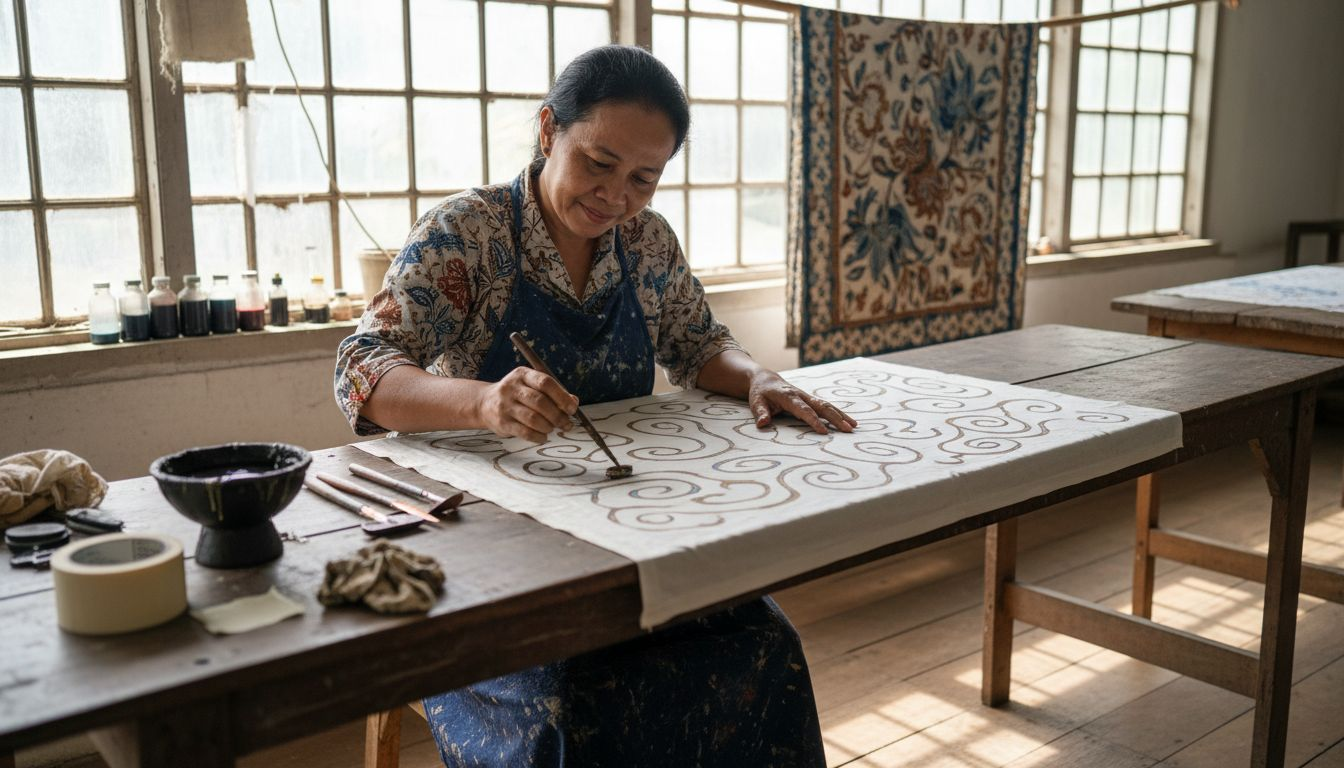
Bold colors and intricate patterns often draw designers and crafters to explore new textile techniques, yet few methods blend artistry and heritage quite like batik. This traditional practice from Java, Indonesia uses a unique wax-resist dyeing process—transforming cotton and silk into visual stories of culture and craftsmanship. Whether you want to experiment with the delicate canting or the precision of cap stamps, discovering batik offers creative inspiration alongside hands-on guidance for bringing global artistry into your next textile project.
| Point | Details |
|---|---|
| Batik is an Art Form | Batik utilizes a wax-resist dyeing technique that transforms fabric into intricate patterns and vibrant designs, reflecting cultural heritage. |
| Regional Variations Exist | Different regions have developed unique batik styles that highlight local cultural influences, each with distinct motifs and techniques. |
| Modern Applications | Batik is finding new life in contemporary design across fashion and home decor, merging traditional craftsmanship with innovative techniques. |
| Cost Considerations are Crucial | Effective batik production requires understanding raw material costs, labor expenses, and investment in specialized equipment to ensure viability. |
Batik represents a sophisticated textile art form rooted in centuries of cultural craftsmanship, characterized by its distinctive wax-resist dyeing technique. This intricate method transforms plain fabric into a canvas of complex patterns and vibrant designs through a meticulous process of applying hot wax and strategic color application.
The fundamental technique involves carefully manipulating fabric using specialized tools that enable artists to create extraordinary visual textures. Artists utilize two primary tools in batik creation:
Originating primarily in Java, Indonesia, batik represents more than just a textile technique—it embodies a profound cultural narrative. Traditionally practiced on cotton and silk fabrics, this art form requires exceptional skill and patience, with techniques passed meticulously through generations.
Batik transforms fabric from a mere material into a storytelling medium, where every wax line and color represents cultural heritage and artistic expression.
Pro tip: When exploring batik techniques, start with simple geometric patterns and gradually progress to more intricate designs to build your technical skills.
Batik represents a rich tapestry of regional artistic expressions, with each geographical area developing distinctive textile traditions that reflect local cultural nuances. In Java, the birthplace of this intricate art form, batik styles range dramatically from the sophisticated royal court designs to more commercially oriented coastal interpretations.
The regional variations of batik can be categorized into several key styles:
Interestingly, batik has not remained confined to its Indonesian origins. North American adaptations transformed the traditional technique into what textile experts call ‘Javanesque’ batik, emphasizing visual elements like crackle effects and wax line imitations. This global interpretation demonstrates how artistic techniques can transcend cultural boundaries while maintaining their fundamental essence.
Here’s a comparison of major regional batik styles and their defining features:
| Style | Key Characteristics | Typical Motifs |
|---|---|---|
| Central Javanese Court | Symbolic, hierarchical, fine detail | Royal emblems, florals |
| Coastal | Bold, vibrant, commercially friendly | Waves, sea elements |
| North Coast | Dynamic, eclectic, lively compositions | Birds, natural forms |
| Surakarta & Yogyakarta | Refined, traditional, symmetrical | Parang, kawung patterns |
| North American ‘Javanesque’ | Imitated crackle, visual reinterpretation | Modern, adapted motifs |
Batik is more than a textile technique—it’s a visual language that communicates cultural identity, historical narratives, and artistic innovation.
Pro tip: When exploring different batik styles, pay attention to the subtle variations in motifs, color palettes, and wax application techniques that distinguish each regional tradition.
Batik pattern creation is a meticulous art form that requires extraordinary skill and precision. Traditional batik techniques involve intricate processes of waxing and dyeing that transform plain fabric into a canvas of complex cultural narratives. Artists carefully select tools and materials to bring their visual stories to life.
The primary methods for creating batik patterns include:
Wax Application and Dyeing Process follows a strategic multi-step approach. Fabric preparation involves laying cotton or silk flat, sketching initial designs, and applying hot wax using either hand-drawing or stamping techniques. The wax creates resistance zones that prevent dye penetration, allowing artists to build multilayered, intricate color designs through repeated dyeing.
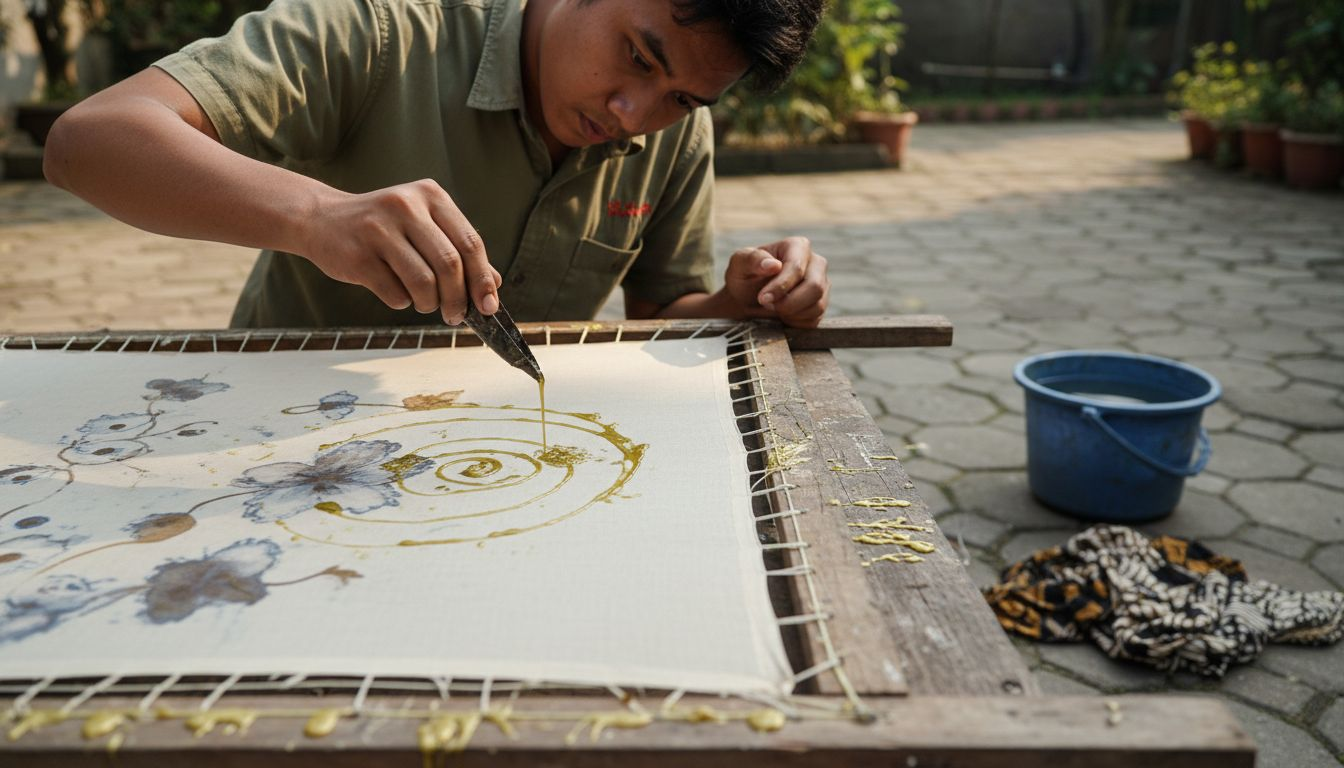
The table below summarizes key differences between the primary batik patterning techniques:
| Method | Technique Description | Resulting Pattern Quality |
|---|---|---|
| Hand-Drawing (Tulis) | Freehand wax application | Highly detailed, unique designs |
| Stamping (Cap) | Copper stamp wax transfer | Uniform, repeated patterns |
| Digital Adaptation | Computer-aided design tools | Consistent, scalable motifs |
Batik is not just a textile technique, but a visual language that communicates cultural stories through carefully crafted patterns and color interactions.
Pro tip: Practice your wax application techniques on scrap fabric first, experimenting with different wax temperatures and application tools to develop precision and control.
Batik is experiencing a remarkable renaissance in contemporary design, seamlessly blending traditional craftsmanship with innovative approaches. Digital design techniques are revolutionizing how batik motifs are created, allowing designers to preserve cultural integrity while exploring new aesthetic possibilities.
The modern applications of batik span multiple creative domains:
Contemporary batik production has transformed from a traditional communal craft into a sophisticated brand identity. Designers are now collaborating with artisan communities to develop innovative textiles that honor cultural traditions while meeting modern aesthetic demands. This approach ensures that batik remains dynamic, relevant, and economically viable in the global marketplace.
Batik represents more than a textile technique—it’s a living art form that bridges cultural heritage with contemporary design innovation.
Pro tip: When incorporating batik into modern designs, balance traditional motifs with contemporary silhouettes to create truly unique and meaningful pieces.
Designing with batik requires careful financial and creative planning, with textile production costs playing a significant role in determining project feasibility. The intricate wax-resist dyeing process demands substantial investment in materials, skilled labor, and specialized techniques.
Key cost considerations for batik production include:
Manufacturing batik textiles involves complex planning across multiple dimensions. Capital investment, operating expenses, and the sophisticated nature of wax-resist techniques significantly impact overall production costs. The unique durability and visual complexity of batik provide a competitive advantage in fashion and decor markets.
Successful batik production balances traditional craftsmanship with economic efficiency, transforming cultural artistry into a viable creative enterprise.
Pro tip: Start with small-scale batik projects to understand material costs and techniques before making substantial financial investments.
Batik’s intricate wax-resist dyeing technique demands precision, top-quality cotton or silk fabrics, and the perfect materials to bring designs to life. Whether you are an artisan seeking authentic textiles to practice traditional hand-drawing (tulis) methods or a modern designer inspired by batik’s cultural motifs, choosing the right fabric is crucial to your creative success. Avoid the frustration of using unsuitable materials by selecting from our wide range of premium fabrics designed for apparel, home decor, and craft projects.
Bring your batik visions to reality today by exploring our carefully curated fabric collections at Fabric-Fabric.com. Start your creative journey now and experience the perfect blend of tradition and innovation with fabrics that honor the heritage of batik techniques. Don’t wait: quality materials can elevate every project and help you master the art of wax-resist dyeing with confidence.
Batik is a sophisticated textile art form that employs a wax-resist dyeing technique to create complex patterns and vibrant designs on fabric. It transforms plain fabric into a visual storytelling medium through meticulous craftsmanship.
Batik patterns are created using two main techniques: hand-drawing (the tulis method) and stamping (the cap method). The hand-drawing method uses a canting tool to apply hot wax for intricate designs, while the stamping method utilizes copper stamps for more uniform patterns.
Batik is traditionally practiced on cotton and silk fabrics. These materials are favored for their ability to absorb dye and hold intricate patterns created through the waxing and dyeing process.
Batik is increasingly used in contemporary fashion and home decor, appearing in high-end apparel, accessories, upholstery fabrics, decorative items, and customized lifestyle products, blending traditional artistry with modern design aesthetics.