

 US Dollar

What is backing fabric? 30% stronger quilts with right choice
Posted by BLG on 2026 Mar 4th
Posted by BLG on 2026 Mar 4th

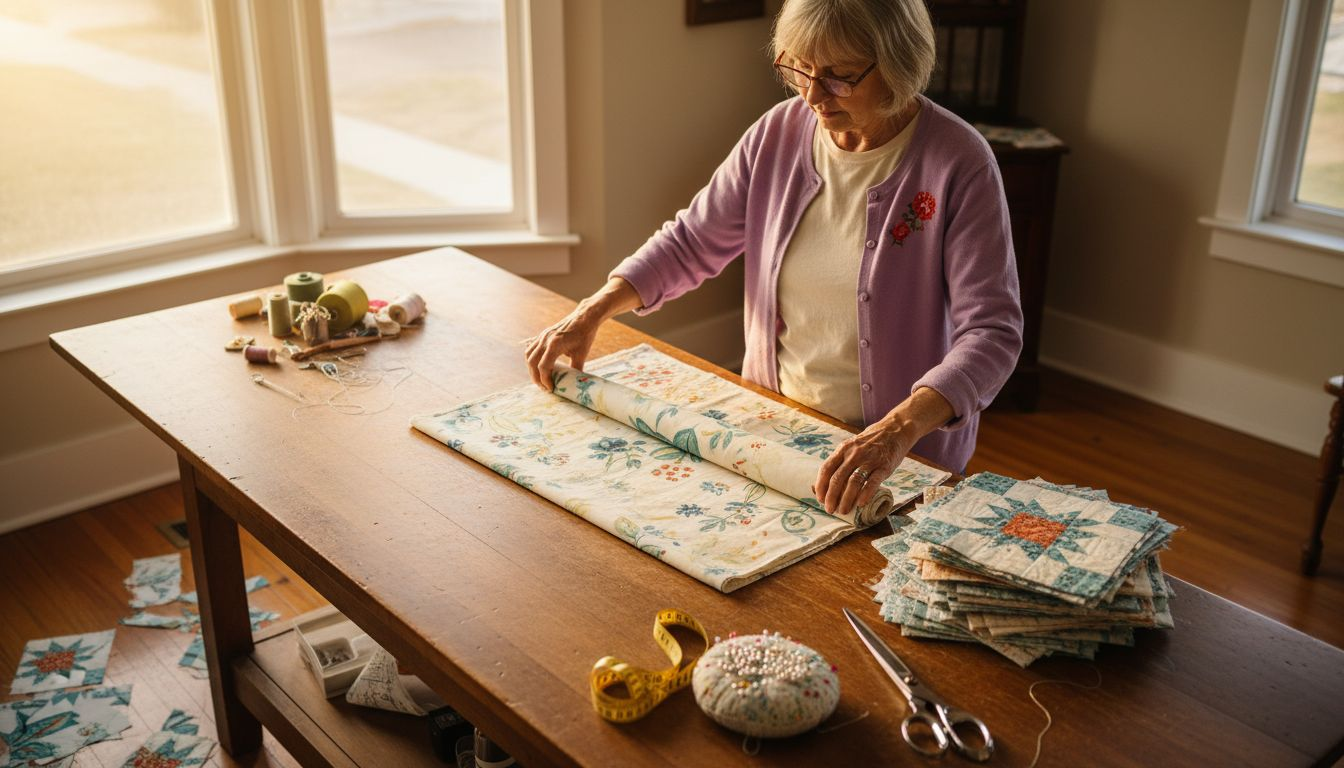
Many quilters treat backing fabric as an afterthought, grabbing whatever leftover material is handy. This casual approach causes 40% of quilters to experience puckering, warping, or premature wear in their finished projects. Backing fabric is not just a bottom layer. It is the structural foundation that determines how your quilt performs, feels, and lasts through years of use and washing.
| Point | Details |
|---|---|
| Backing fabric is structural support | It forms the foundation layer that protects batting and determines quilt durability and texture. |
| Material choice impacts performance | Cotton offers breathability, polyester adds stain resistance, and flannel provides warmth with unique care needs. |
| Proper selection prevents failures | High-quality backing fabric increases quilt durability by 20-30% and eliminates distortion issues. |
| Prewashing is essential | This step prevents shrinkage and color bleeding that ruin finished quilts. |
| Trusted retailers ensure quality | Reputable sources provide detailed fabric specifications and care guidance for informed purchases. |
Backing fabric forms the bottom layer of your quilt, sitting beneath the batting and quilt top to create a complete sandwich. This layer does far more than hide the back of your work. It provides structural support and protection crucial for quilt durability and feel, absorbing stress from use and washing while maintaining the quilt’s shape.
The backing typically constitutes over half of your quilt’s total fabric by area, making it a significant investment in both material and outcome. Good backing fabric prevents excessive wear on batting, reduces shifting during quilting, and keeps the finished piece comfortable against skin. When you select backing fabric carefully, you create a foundation that maintains the quilt’s intended drape and texture through countless uses.
Backing fabric serves three primary functions:
Pro Tip: Choose backing fabric slightly larger than your quilt top dimensions (4 to 6 inches extra on all sides) to account for the take-up that occurs during quilting. This prevents you from running short and having to piece additional fabric awkwardly.
Understanding why use quilted fabric construction helps you appreciate how each layer contributes to the whole. The backing is not decorative filler. It is engineering that makes your quilt functional and long-lasting.
Cotton dominates backing fabric choices because of its softness, breathability, and ease of handling during quilting. It washes well, accepts needle penetration smoothly, and feels pleasant against skin. Cotton backing comes in various weights, from lightweight muslin to heavier quilting cotton, allowing you to match density to your project needs.
Polyester backing offers excellent stain resistance and durability, making it ideal for quilts subjected to heavy use or outdoor conditions. It wrinkles less than cotton and dries faster after washing. However, polyester provides less breathability than cotton and can feel warmer during sleep, which matters for bed quilts.
Flannel backing creates a cozy, warm feel perfect for winter quilts or baby blankets. Its napped surface adds texture and softness but requires mandatory prewashing to prevent significant shrinkage and lint issues. Flannel backing increases a quilt’s warmth by trapping air in its fuzzy fibers.
| Material | Breathability | Durability | Warmth | Shrinkage Risk | Best Use |
|---|---|---|---|---|---|
| Cotton | Excellent | Good | Moderate | Low (if prewashed) | All-purpose quilts, bed quilts |
| Polyester | Fair | Excellent | Higher | Very low | Outdoor quilts, high-use items |
| Flannel | Good | Fair | High | High (requires prewash) | Baby quilts, winter throws |
| Cotton/poly blend | Good | Very good | Moderate | Low | Everyday quilts, gifts |
Tight weave fabrics provide more stability and resist distortion better than loose weaves. Check fabric density by holding it up to light. Less light passing through indicates tighter weave and better structural support. Backdrop fabrics with appropriate weave density prevent your quilting stitches from pulling and puckering over time.
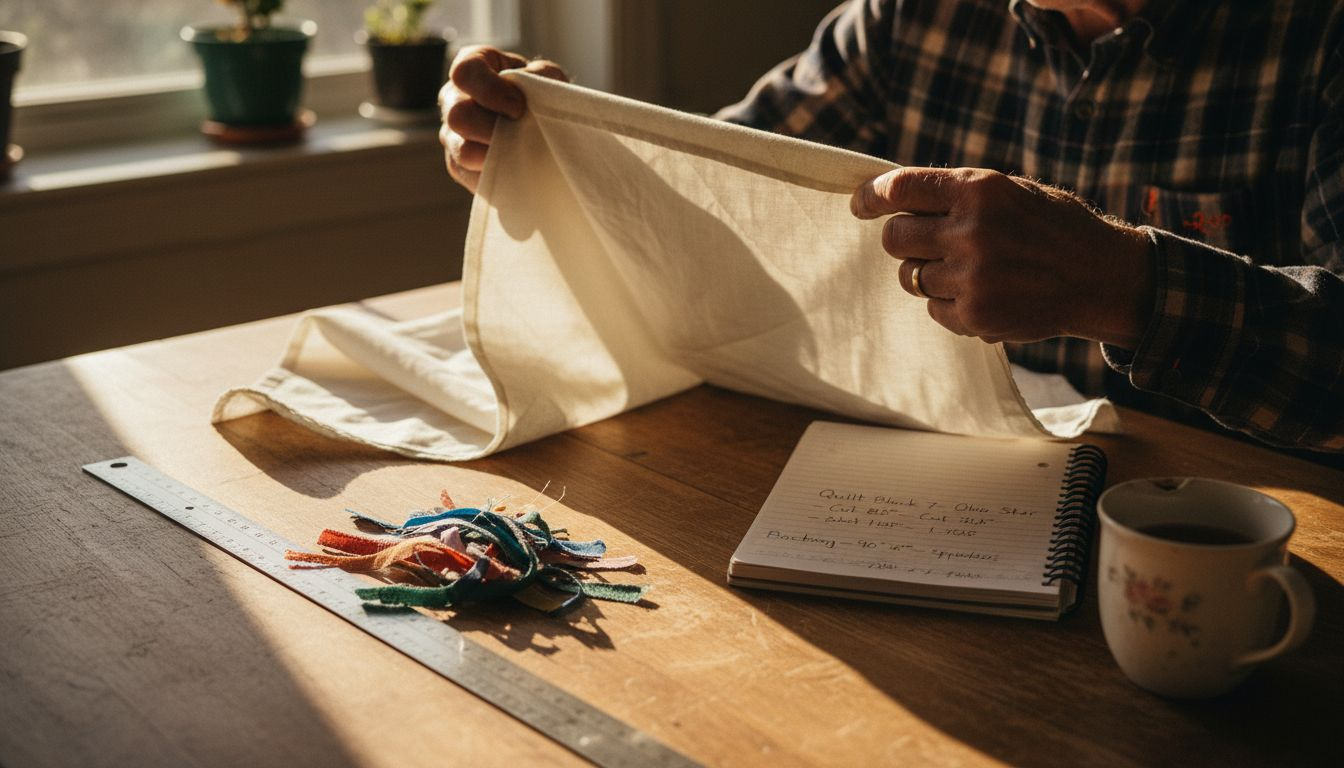
Pro Tip: Test fabric hand (how it feels and drapes) by bunching it in your palm. Good backing fabric should feel substantial without being stiff, and it should relax back to shape quickly when released. This indicates proper weight and weave for quilting support.
Each material requires specific care considerations. Cotton tolerates hot water and high heat drying. Polyester needs cooler temperatures to prevent heat damage. Flannel demands gentle handling and low heat. Understanding these differences helps you maintain quilt quality through its lifetime. Fabric finishes matter significantly in how backing materials perform during construction and use.
The biggest myth is that any leftover fabric works fine as backing. This belief causes more project failures than any other mistake. Nearly 40% of experienced quilters report puckering or warping issues due to poor backing choices, often because they used fabric with incompatible stretch, weave, or weight compared to their quilt top.
Many crafters assume expensive backing automatically means better results. Price does not guarantee suitability. A $25 per yard decorator fabric might be entirely wrong for your quilt if its weave is too loose or its hand is too stiff. Focus on matching fabric properties to your project requirements rather than chasing premium price tags.
Another misconception holds that backing fabric color and texture do not matter since it sits on the bottom. This ignores reality. Your quilt flips over constantly during use. The backing color affects how the quilt looks when folded or displayed. Dark backing can show through light quilt tops, and busy patterns can distract from your piecing work.
Common backing fabric myths include:
As one experienced quilter notes:
Choosing backing fabric based only on price or convenience set me up for failure on three major projects before I learned that matching fabric weight and stretch to my quilt top was non-negotiable.
Misunderstanding backing fabric’s role leads to wasted time, money, and creative effort. Treating it as structural engineering rather than leftover material transforms your results. When you respect backing fabric as a critical component, you avoid the frustrations that plague quilters who learn these lessons the hard way.
Backing fabric directly determines how long your quilt survives regular use. High-quality backing fabric can increase quilt durability by 20-30% compared to poor choices, primarily by preventing the stress concentrations that cause tearing and separation. Proper backing distributes forces evenly across the entire quilt surface, protecting both batting and decorative top from damage.
The backing influences how your quilt looks in ways you might not expect. Light colored backing makes quilts appear larger and more open, while dark backing creates definition and contrast. Printed backing can add visual interest when the quilt drapes over furniture, and solid backing provides clean versatility.
Tight weave fabrics maintain their shape dramatically better than loose weaves through repeated washing and use. Loose weaves allow batting to beard (migrate through the fabric), creating fuzzy pills on the surface. They also permit the quilting stitches to pull and pucker, distorting the quilt’s appearance permanently.
Proper backing reduces common maintenance headaches:
Consider your quilt’s intended use when evaluating backing importance. A wall hanging experiences minimal stress and can use lighter backing. A bed quilt endures constant friction, washing, and weight, demanding robust backing fabric. Baby quilts face frequent washing and require backing that maintains softness through dozens of cycles.
| Quilt Use | Durability Priority | Recommended Backing Weight | Key Feature |
|---|---|---|---|
| Wall hanging | Low | Lightweight (3-4 oz) | Color stability |
| Lap quilt | Medium | Medium (5-6 oz) | Softness and drape |
| Bed quilt | High | Medium-heavy (6-7 oz) | Abrasion resistance |
| Outdoor/picnic | Very high | Heavy (7-8 oz) | Stain and moisture resistance |
Pro Tip: Run your hand across backing fabric samples in different directions. Good backing feels equally smooth regardless of direction, indicating balanced weave that resists distortion. Fabric that feels rough or catches in one direction will likely cause problems during quilting.
The aesthetic impact of backing fabric extends beyond simple color choice. Texture affects how light plays across the quilt surface. Smooth backing creates subtle sheen, while napped surfaces like flannel absorb light for a softer appearance. These visual qualities contribute significantly to your quilt’s overall impression and style.
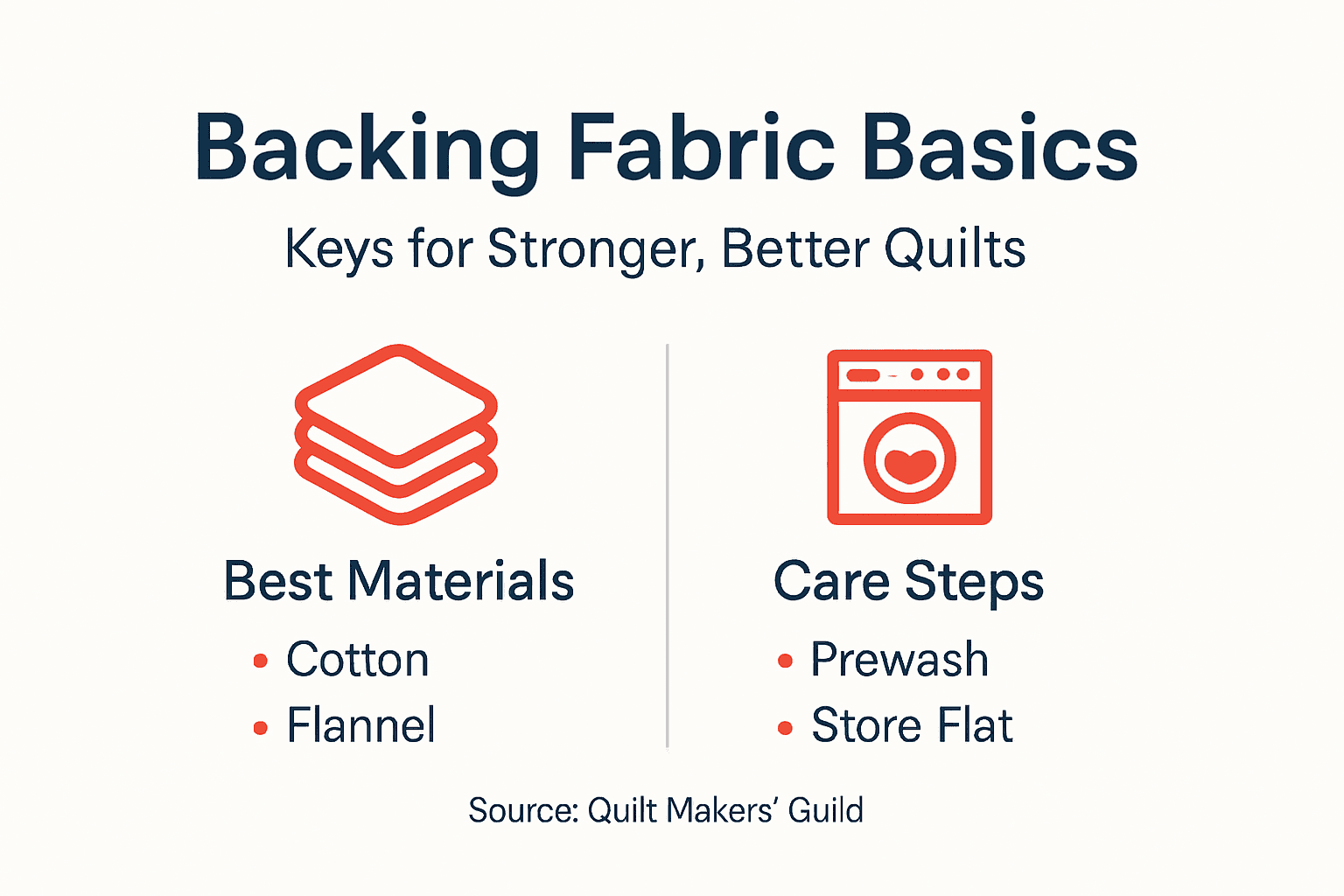
Prewashing backing fabric prevents shrinkage and color bleeding, two issues that destroy finished quilts. Wash new backing fabric in the same temperature and cycle you plan to use for the completed quilt. This reveals any problems before you invest hours in construction. Dry the fabric thoroughly and press out wrinkles before measuring and cutting.
Match fabric breathability and texture to how you will use the quilt. Summer quilts need breathable cotton backing for comfort. Winter throws benefit from warm flannel. Outdoor quilts require moisture resistant polyester blends. Choosing backing fabric that aligns with environmental conditions ensures the quilt performs as intended.
Account for maintenance effort when selecting backing fabric. Some quilters prefer easy care options that tolerate machine washing and drying. Others accept delicate fabrics requiring hand washing or professional cleaning. Be honest about the care you will actually provide rather than the care you wish you would provide.
Use this three-tier framework for backing selection:
Reliable sourcing from specialty retailers provides the detailed fabric information you need for confident decisions. Generic fabric stores often lack specific weight, weave, and care data. Backing fabric durability tips emphasize buying from sources that understand quilting requirements and can answer technical questions.
Pro Tip: Buy an extra half yard of backing fabric beyond your calculated needs. This provides insurance against cutting errors, unexpected shrinkage, or damage during quilting. Leftover backing fabric also works perfectly for binding, labels, or coordinating projects.
Store backing fabric properly before use. Keep it away from direct sunlight, which fades colors. Avoid damp areas that promote mildew. Fold fabric loosely rather than creating sharp creases that become permanent. When you invest in quality backing fabric and protect it until use, you maximize its contribution to your finished quilt. A comprehensive fabric selection guide helps you navigate the many options available and choose confidently.
Choose reputable online retailers that provide clear, detailed product descriptions including fiber content, fabric weight, thread count, and weave type. These specifications allow you to evaluate whether a backing fabric suits your project before purchasing. Retailers that skip technical details often sell inconsistent or inappropriate materials.
Look for care instruction transparency in product listings. Quality retailers specify washing temperature, drying method, and special handling requirements. This information helps you match backing fabric care needs to your willingness and ability to maintain the finished quilt properly.
Customer reviews offer valuable insight into how backing fabrics perform in real projects. Look for comments about shrinkage, color fastness, ease of handling during quilting, and longevity after washing. Multiple positive reviews from verified buyers indicate reliable product quality.
Broad fabric options let you match backing specifically to each quilt’s requirements rather than forcing projects to fit limited inventory. Trusted fabric retailers maintain diverse backing selections across multiple fiber types, weights, colors, and prints, giving you the flexibility to optimize every project.
Key quality indicators when shopping online:
Fabric-Fabric.com specializes in quilting and craft textiles with quality assurances built into every product listing. The site provides the technical information quilters need while maintaining an intuitive shopping experience. When you source backing fabric from knowledgeable retailers, you access quality backing fabric options that meet professional standards without the guesswork that plagues general craft stores.
Your quilt deserves backing fabric that matches your creative vision and construction skill. Fabric-Fabric.com offers carefully curated backing options in durable cotton, cozy flannel, and versatile polyester blends, each with detailed specifications to guide your selection.
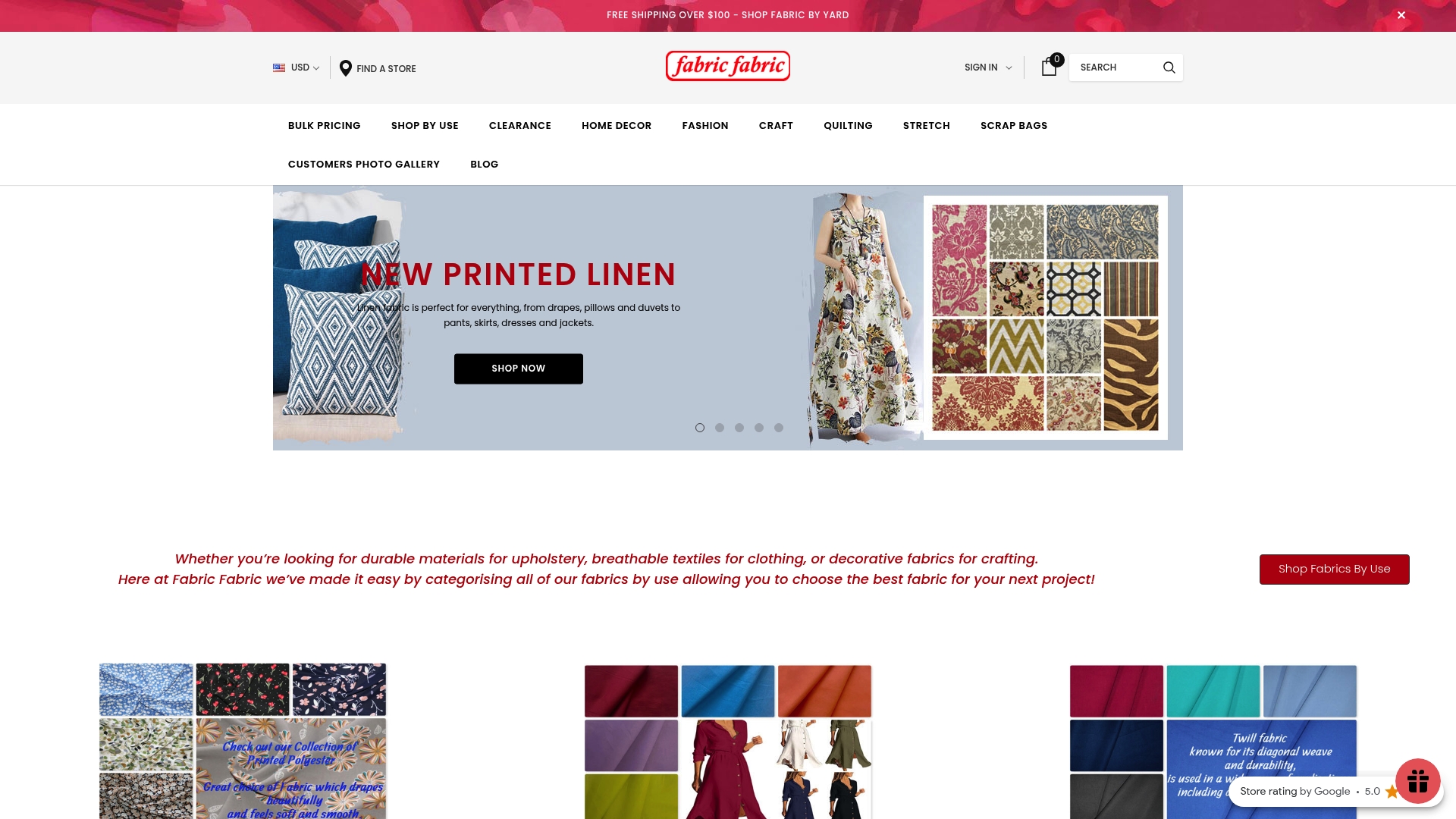
Our product listings include the technical information serious quilters demand: exact fabric weight, thread count, fiber content, and care requirements. You can confidently choose backing that complements your quilt top while providing the structural support your project needs. Browse our backdrop fabrics collection to discover options spanning traditional solids to contemporary prints.
We understand that backing fabric selection impacts your quilt’s durability, appearance, and maintenance requirements. That is why our expert-backed fabric selection guide helps you navigate choices based on your specific project goals. Whether you are creating an heirloom bed quilt or a practical everyday throw, we provide the quality materials and information you need for success.
Backing fabric forms the bottom layer of a quilt, providing structural support and protecting the batting from wear. It affects the quilt’s durability, texture, and appearance when the piece is flipped or folded. Quality backing fabric prevents distortion and extends the quilt’s usable life significantly.
No, not all fabrics work well as backing. Sheets are too tightly woven and break needles. Decorator fabrics often have stiff hand that makes quilting difficult. Choose fabrics specifically designed for quilting backing with appropriate weight, weave, and softness. Match backing fabric properties to your quilt top for best results.
Yes, always prewash backing fabric to remove chemical treatments, prevent shrinkage, and test for color bleeding. Wash in the same temperature and cycle you will use for the finished quilt. This step is essential even if you do not prewash your quilt top, as uneven shrinkage between layers causes permanent puckering.
Medium weight cotton (5 to 7 ounces) provides the ideal balance of durability, breathability, and softness for bed quilts. Choose tight weave fabric to prevent batting migration and maintain shape through repeated washing. Solid colors offer versatility, while subtle prints can hide minor soiling between washes.
Calculate backing fabric by adding 8 to 12 inches to both the length and width of your quilt top. This provides 4 to 6 inches of overhang on all sides, accounting for take-up during quilting and ensuring you do not run short. For large quilts, you may need to piece backing fabric from multiple widths.
Puckering typically results from backing fabric that is too loosely woven, has different stretch than the quilt top, or was not properly secured during quilting. Using quality backing fabric with tight weave and matching the grain direction to your quilt top prevents this common problem. Inadequate basting before quilting also causes puckering.