

 US Dollar

Textile Sourcing Explained: Complete Guide for Creators
Posted by BLG on 2025 Nov 11th
Posted by BLG on 2025 Nov 11th


Nearly 60 percent of a finished product’s quality depends on the textiles chosen at the very start. When designers and makers source materials, their decisions don’t just shape the look or feel of a project but set the tone for sustainability, ethics, and long-term success. Understanding textile sourcing gives creators the power to balance creativity with practical needs, so the final result stands out for its integrity as well as its style.
| Point | Details |
|---|---|
| Strategic Importance of Textile Sourcing | Textile sourcing connects creators with necessary materials, balancing creativity, cost, and sustainability. |
| Diverse Sourcing Methods | Creators can utilize various methods, including waste and zero-waste sourcing, to achieve their ethical and project goals. |
| Complex Sourcing Process | A systematic approach including research, material evaluation, quality enhancement, and supplier negotiation is crucial for successful sourcing. |
| Balancing Cost, Quality, and Ethics | Effective sourcing requires consideration of lifecycle impacts, sustainable practices, and long-term value beyond initial price. |
Textile sourcing represents the strategic process of identifying, selecting, and procuring textiles and raw materials for design and production projects. At its core, it connects creators with the essential materials needed to transform creative visions into tangible products.
According to Fashion Sustainability Directory, sustainable textile sourcing involves a comprehensive lifecycle assessment framework that examines environmental and social impacts across every stage of textile production. This holistic approach means creators must consider impacts from raw material cultivation through design, production, distribution, use, and eventual end-of-life scenarios.
The significance of textile sourcing extends far beyond simple material procurement. Enhesa emphasizes that ethical sourcing ensures products are obtained responsibly, considering critical factors such as:
For creators and designers, understanding textile sourcing means making informed decisions that balance artistic vision with ethical and practical considerations. Whether you’re a quilter selecting fabrics for a handmade project or a fashion designer developing a new clothing line, your sourcing choices directly impact the quality, sustainability, and integrity of your final product.
Effective textile sourcing requires research, network building, and a nuanced understanding of material characteristics. It’s about finding the right balance between creativity, cost, sustainability, and quality. As you explore the world of textile sourcing, you’ll discover it’s both an art and a science - a critical skill that can elevate your creative projects from good to exceptional.
Ready to dive deeper? Our guide on selecting fabric suppliers offers practical strategies for navigating this complex landscape.
Textile sourcing encompasses several strategic approaches that creators can leverage to obtain materials for their projects. Understanding these methods allows designers and makers to make informed decisions that align with their creative and ethical goals.
One innovative approach is waste textile sourcing, which Redress Design Award defines as revaluing textile resources that would otherwise be discarded. This method includes collecting:
Another progressive method is zero-waste sourcing, which Wikipedia explains employs design techniques that eliminate textile waste during garment production. Zero-waste strategies include:
Traditional textile sourcing methods also remain critical for creators. These typically include:
Understanding these diverse sourcing methods empowers creators to choose approaches that best suit their project requirements, budget, and sustainability goals.
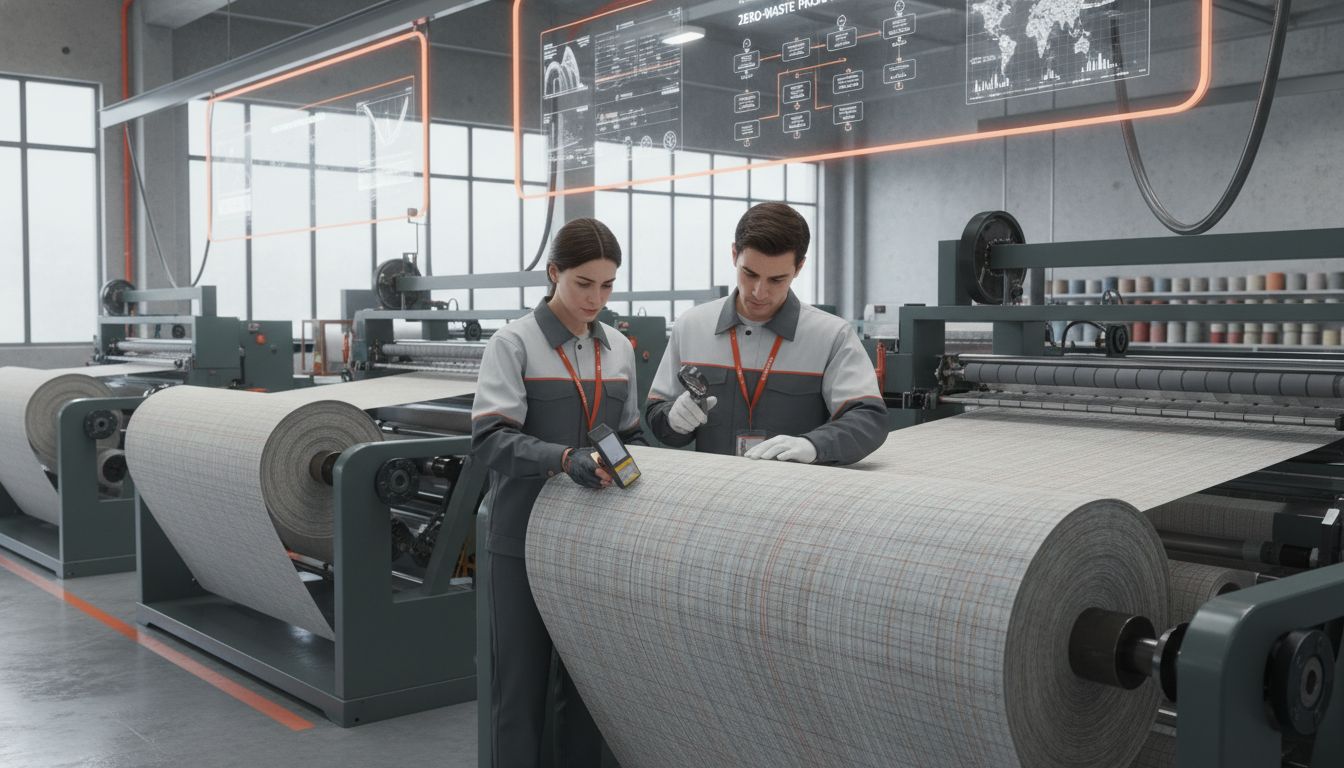
Want to explore fabric sourcing in more depth? Check out our guide on types of wholesale fabrics to expand your material knowledge.
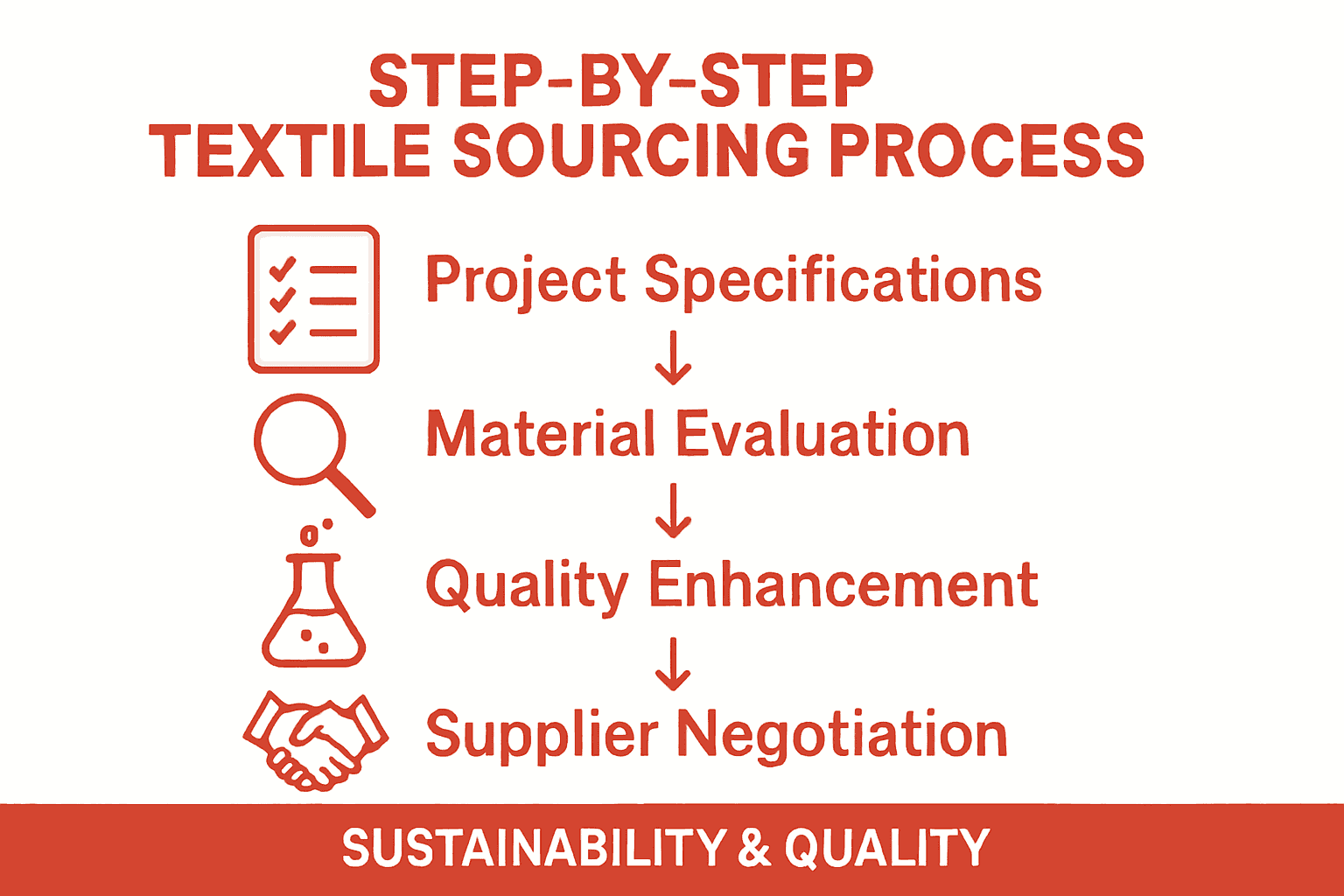
The textile sourcing process is a strategic journey that transforms creative concepts into tangible material selections.
Successful sourcing requires careful planning, research, and methodical execution across multiple stages.
Wikipedia highlights that fabric inspection is a systematic evaluation of textile quality. This critical stage involves:
Wikipedia explains that chemical finishing transforms raw cloth into functional material. This process involves applying specialized treatments to achieve:
Choosing the right supplier is crucial. Key considerations include:
Want practical insights into navigating fabric sourcing? Our guide on sourcing bulk fabric offers comprehensive strategies for creators.
Textile sourcing is a complex process fraught with potential risks and challenges that can significantly impact a creator’s project outcomes. Understanding these potential pitfalls is crucial for making informed and strategic material selection decisions.
Enhesa highlights that ethical textile sourcing faces significant challenges due to intricate supply chains and persistent demand for low-cost production. These complexities create multiple risk factors:
Wikipedia emphasizes that sustainable procurement addresses sourcing challenges by:
Key financial challenges in textile sourcing include:
Navigating these challenges requires robust research, strategic planning, and a commitment to transparency throughout the sourcing process.
For practical strategies to mitigate these risks, explore our guide on negotiating wholesale fabric for comprehensive insights.
Creators face a complex balancing act when sourcing textiles, where cost, quality, and ethical considerations intersect to shape final material selections. Each decision carries profound implications beyond simple procurement.
Fashion Sustainability Directory emphasizes that sustainable textile sourcing requires a comprehensive lifecycle evaluation, considering multiple critical dimensions:
Environmental Metrics
Social Dimensions
Wikipedia reveals that sustainable procurement strategically integrates multiple considerations to achieve broader positive outcomes. This approach means:
Effective textile sourcing requires creators to:
Choosing textiles isn’t just about finding the cheapest option. It’s about making informed decisions that align with your creative vision, budget constraints, and ethical standards.
Ready to dive deeper into strategic sourcing? Our guide on buying wholesale fabric offers practical insights for creators.
Facing the challenges of ethical sourcing, quality inspection, and balancing cost with sustainability can feel overwhelming. You want textiles that not only meet your creative vision but also respect environmental and social values. With our extensive selection at fabric-fabric.com, you can access a variety of high-quality materials handpicked to support your project needs, whether you are sourcing wholesale fabric or exploring sustainable textile options.

Discover how easy it is to streamline your sourcing process by visiting our site today. Explore detailed product listings with clear descriptions to help you make informed choices. Act now and transform your sourcing challenges into creative opportunities by starting your fabric search at https://fabric-fabric.com. For practical guidance, check out our guide on how to source bulk fabric and learn more ways to optimize your material selections.
Textile sourcing is the process of identifying, selecting, and procuring textiles and raw materials for design and production projects. It is important because it connects creators with the materials needed to realize their artistic visions while considering ethical, quality, and sustainability factors.
The main methods of textile sourcing include traditional wholesale purchasing, direct manufacturer relationships, attending textile trade shows, and exploring online fabric marketplaces. Innovative approaches like waste textile sourcing and zero-waste sourcing are also gaining popularity for their sustainability benefits.
Common challenges in textile sourcing include supply chain complexity, sustainability and ethical concerns, and financial risks such as fluctuating material costs and minimum order quantities. These factors can complicate the sourcing process and impact project outcomes.
Creators can ensure ethical sourcing by conducting thorough research on suppliers, prioritizing transparency in supply chains, seeking certifications for sustainable materials, and evaluating the social and environmental practices of their sourcing partners.