

 Canadian Dollars

What Is Supima Cotton? A Clear Consumer Guide
Posted by BLG on 2026 Aug 16th
Posted by BLG on 2026 Aug 16th

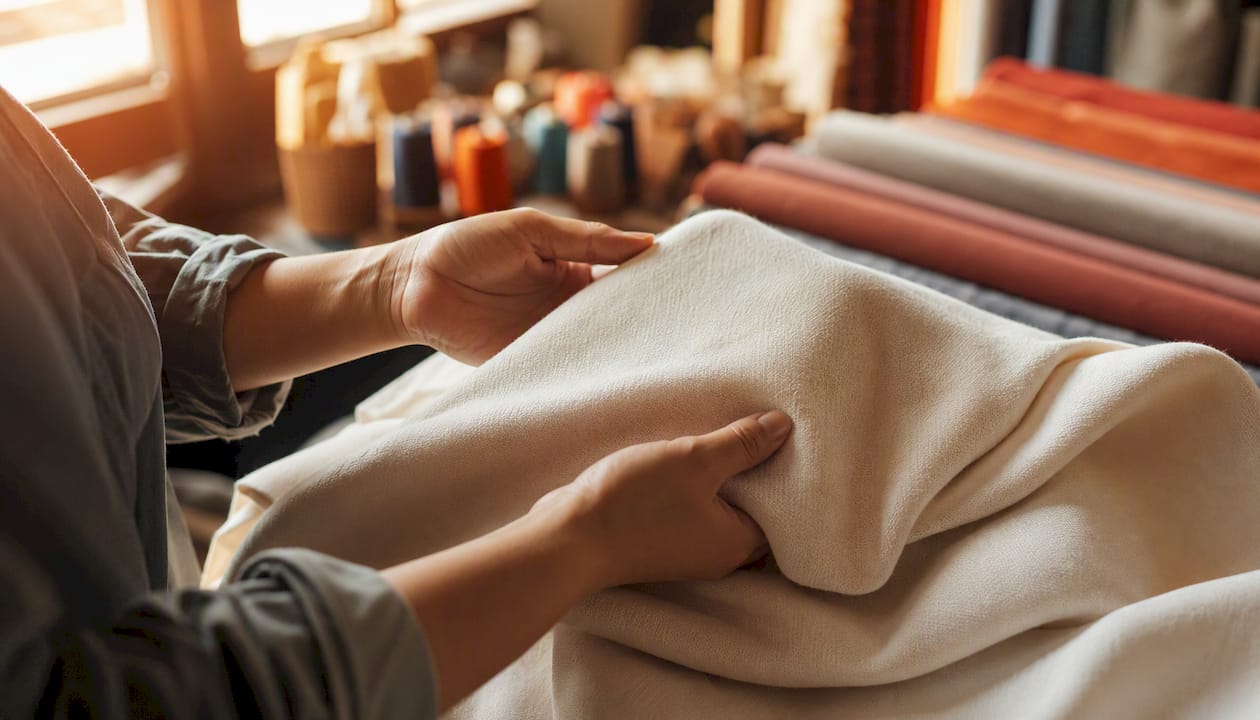
Supima cotton is trademarked, American-grown Pima cotton from the species Gossypium barbadense, verified through licensed supply chains and third-party forensic testing rather than just a marketing name. It is not a different plant from regular Pima. It is a legally protected, audited version of it.
Here’s what actually defines the term:
Three things make this trademark worth paying attention to. The Supima Association has controlled the mark for decades and enforces it legally against misuse. Oritain’s isotope analysis adds a scientific check that a hangtag alone can’t provide. And Supima cotton makes up less than 1% of global cotton production, which is exactly why it carries a premium and why verification matters so much: there’s a real financial incentive for cheaper fiber to get passed off as the real thing.
Supima cotton is trademarked, U.S.-grown Pima fiber (Gossypium barbadense) verified through licensing audits and forensic origin testing, not a distinct cotton species.
| Point | Details |
|---|---|
| Definition matters more than name | Supima and Pima share the same species; Supima adds licensing, audits, and Oritain-based verification. |
| Fiber length drives the benefits | Longer staple length produces stronger, smoother, less pilling-prone fabric than upland cotton. |
| Grown almost entirely in California | About 93% of Supima acreage sits in California’s San Joaquin Valley, with the rest in Arizona, New Mexico, and Texas. |
| Check the hangtag before buying | Look up the brand on Supima’s licensee list and confirm blend percentages on the label. |
| Sustainability claims need documentation | Ask for mill-level certificates since most Supima fiber is processed overseas before returning as finished goods. |
| Fabric-fabric simplifies sourcing | Fabric-fabric offers clearly described premium cotton fabrics for bedding, apparel, and home decor projects. |
| Source | Best used for |
|---|---|
| Supima FAQ | Official rules on U.S. origin requirements, state production shares, and licensing basics. |
| Supima official site | Brand-facing claims on fiber strength, softness, and color retention. |
| Supima on Wikipedia | Historical production data and export patterns for Supima fiber. |
| Pima vs. Supima cotton comparison | Understanding the verification gap between generic “Pima” and licensed “Supima” labels. |
| HVI data and verification breakdown | Technical fiber metrics (UHM, micronaire, bundle strength) and how Oritain testing complements them. |
| Pima cotton fiber guide | Baseline explainer on ELS cotton fiber length versus upland cotton. |
Longer fibers make smoother yarn, and smoother yarn makes stronger, softer fabric. That’s the entire physical story behind why Supima sheets feel different than a $15 T-shirt off a discount rack.
Regular upland cotton, the kind in most mass-market clothing, has fibers averaging around 22 to 28 millimeters. Pima and Supima cotton run 35 to 38 millimeters. That extra length means spinners can twist finer, more consistent yarns with fewer loose fiber ends sticking out. Fewer loose ends translate directly into fabric you can feel:
Textile testers measure this with HVI (High Volume Instrument) data. Supima and comparable Pima fiber typically show an Upper Half Mean Length around 36.5 to 38 millimeters, micronaire near 3.7 to 4.2, and bundle strength in the 36 to 42 g/tex range. Those numbers come from the American cotton grading system, and they explain why the fiber performs consistently rather than varying batch to batch. Supima itself markets the fiber as up to twice as strong as regular cotton, with noticeably better color retention over repeated washing.
For sheets, that means less graying and fewer pulled threads after a few years. For shirts, it means the collar holds its shape instead of stretching out. For towels, it means the loops stay fluffy instead of matting down into a stiff, thin pile.
Supima cotton grows exclusively in the United States, concentrated in a handful of Western and Southern states, and it represents a genuinely small slice of the world’s cotton supply.
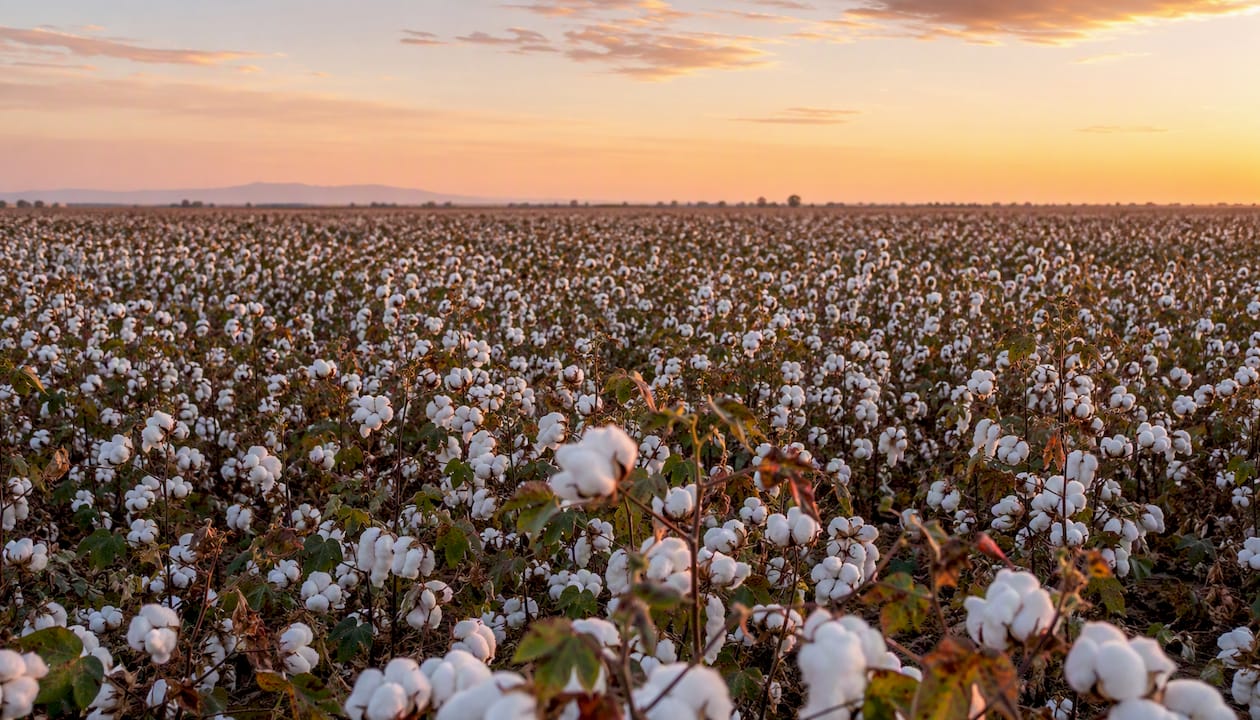
Roughly 93% of Supima acreage sits in California’s San Joaquin Valley, with the remaining production spread across Arizona, New Mexico, and Texas. These regions share the hot days, cool nights, and long growing seasons that extra-long-staple cotton needs to develop its full fiber length. It’s not a crop you can grow anywhere; the climate window is narrow.
The farms behind these numbers are often multi-generation family operations working under the Supima licensing model, which means growers agree to specific documentation and traceability requirements in exchange for the right to sell fiber under the SUPIMA® name.
Here’s the part most shoppers don’t expect: the majority of Supima fiber has historically been exported for spinning, weaving, and finishing in countries like China, India, Pakistan, Turkey, and Peru, then reimported as finished sheets, shirts, or towels. So a product labeled Supima almost always means U.S.-grown fiber, but the yarn spinning and sewing frequently happened overseas. That’s an important distinction if you’re evaluating “Made in USA” claims, because the raw cotton and the finished product are two different supply-chain stages.
Pima and Supima are the same species. The difference is verification, not botany.
Both terms describe Gossypium barbadense, extra-long-staple cotton. “Pima” is a generic, unregulated descriptor that any brand can slap on a label, regardless of where the fiber actually came from or how it was tested. “Supima” is the trademarked subset grown 100% in the U.S. and backed by licensing audits and chain-of-custody documentation that generic Pima labeling doesn’t require.
Egyptian cotton runs into a similar labeling problem. It’s typically also Gossypium barbadense, grown along the Nile Delta, but the term has no consistent third-party enforcement in most markets. Plenty of “Egyptian cotton” sheets on store shelves contain little to no fiber actually grown in Egypt, because nothing legally stops a brand from using the name loosely.
Upland cotton, Gossypium hirsutum, is the different species that makes up roughly 90% of the world’s cotton supply. Its shorter fibers are perfectly fine for everyday basics, but they can’t match extra-long-staple cotton on strength, smoothness, or pilling resistance.
| Label | Verified Origin? | Typical Fiber Properties | Buyer Risk |
|---|---|---|---|
| SUPIMA® | Yes, audited and forensically tested | Extra-long staple, high strength | Low; trademark is legally enforced |
| “Pima” (generic) | No standard requirement | Can match Supima, but unverified | Moderate; may be blended or mislabeled |
| “Egyptian cotton” | Rarely verified | Often extra-long staple when genuine | High; widely mislabeled in retail |
| Upland/regular cotton | Not applicable | Shorter staple, softer over time with more pilling | Low risk, but lower durability |
If you see a SUPIMA® hangtag with a licensee number, that’s a real, checkable claim. If a label just says “Pima” or “Egyptian” with no brand accountability behind it, treat it as marketing language until proven otherwise.
A SUPIMA® hangtag means the product passed through a licensed, audited supply chain, not just that someone decided to use the name.
The licensing structure runs in stages: licensed growers sell to licensed ginners and spinners, who supply licensed mills and brands. Each stage carries documentation obligations, and Supima maintains lists of approved licensees that brands and consumers can cross-check. That’s a meaningfully different system than an unregulated term like “Pima,” which requires no license at all.
The forensic layer is what makes this system harder to game. Oritain’s isotope testing analyzes the chemical fingerprint left in cotton fiber by the specific soil, water, and climate conditions where it grew. That’s a geographic signature, and it complements HVI fiber testing, which measures length, strength, and micronaire but says nothing about where the cotton actually came from. One tells you the fiber is good. The other tells you where it’s from. Supima uses both.
Pro Tip: Take ten seconds before checkout to search the brand name alongside “Supima license.” A legitimate licensee will show up in Supima’s own directory, and that single check eliminates most mislabeling risk.
Unlike “Pima” labeling, which carries no legal enforcement mechanism, SUPIMA® is an actively defended trademark, and the association has taken action against misuse of the name. That legal backing is a big part of what you’re actually paying for.
Supima shows up most often in bedding, dress shirts, T-shirts, and towels, categories where fiber quality is felt directly against skin over years of use.
In sheets, the long fiber allows for tighter, smoother weaves without the fabric feeling stiff. In shirts, it holds a crisp finish while resisting the pilling that ruins cheaper cotton after a dozen washes. In towels, it means loops that stay plush instead of flattening into a thin, scratchy pile within a year. Premium brands use it precisely because the fiber tolerates repeated laundering better than upland cotton, which matters for products meant to last.
Before buying, run through a short checklist:
If you’re browsing premium cotton sheeting or comparing options across wholesale fabric sources, pay attention to how sellers describe fiber origin, not just thread count.
Pro Tip: If Supima pricing is out of budget, look for well-sourced Peruvian Pima with published HVI test results. It won’t carry the SUPIMA® legal guarantee, but documented fiber metrics close most of the quality gap without the trademark premium.
Treat Supima cotton like any other high-quality cotton: gentle wash, low heat, and skip the harsh additives.
That one rule covers most of what you need. In practice, it breaks down into a few habits:
If a product is a blend, elastane, polyester, or another synthetic mixed in, follow the care instructions for that blend, not the pure-cotton rule. And if a garment is marked dry-clean only because of a special finish or dye process, don’t assume standard machine washing is safe just because the fiber itself is Supima. For more detailed guidance on extending fabric life across materials, Fabric-fabric’s fabric care guide covers wash cycles and drying methods by fabric type.
Supima’s premium positioning includes quality and traceability programs, but sustainability claims still vary by brand and require documentation to back them up.
The trademark itself guarantees U.S. origin and supply-chain verification. It doesn’t automatically guarantee low water use, organic farming, or ethical labor practices downstream, because most Supima fiber gets exported for spinning and finishing before it comes back as a finished product. That means the environmental footprint of the final shirt or sheet set depends heavily on what happens at overseas mills, not just on the U.S. farm where the raw cotton grew.
When a brand makes sustainability claims tied to Supima, look for specifics:
Pro Tip: Ask the brand directly for mill-level certificates if their product page doesn’t list one. Brands that publish supplier names and testing documentation are almost always more transparent across the board, not just on the sustainability page.
Supima buys you verified origin and a legally enforced supply chain, not a botanically superior cotton. The fiber science backs it up: HVI data shows Supima and other well-documented Pima cotton land in nearly the same range for length, strength, and micronaire. What Supima adds is the paperwork and the forensic testing behind that paperwork, which matters if mislabeling risk bothers you or if you’re buying something meant to last a decade.
The premium is worth paying when you specifically want that documented assurance, on sheets or shirts you expect to keep for years, or when you’ve been burned before by a “Pima” or “Egyptian cotton” label that turned out to be marketing fluff. It’s less necessary if you find a Peruvian Pima product with published HVI test results from a transparent supplier; you’re getting comparable fiber without the trademark fee. Either way, the deciding factor isn’t the cotton plant. It’s how much you trust the seller’s paperwork.
If you’re comparing fiber types for a sewing or retail project, Fabric-fabric’s guide to cotton poplin construction is a useful next stop for understanding how weave structure changes the feel of a finished textile.
You don’t need to chase down licensee directories or squint at hangtags every time you want quality cotton fabric for a project. Fabric-fabric carries premium cotton sheeting and home textile fabrics with clear product descriptions upfront, so you know exactly what you’re buying before it ships.

For anyone building bedding, apparel, or home decor projects around durable, extra-long-staple cotton characteristics, browsing home decor fabric options means you can compare weight, weave, and construction side by side instead of relying on a hangtag alone. And if you’re outfitting a full project and want to check what’s actually available at scale, the backdrop and yardage fabric selection is a solid starting point for sourcing by the yard. If you’re shopping designer apparel that uses premium cotton blends, Urbalenti’s guide to shopping designer fashion sales is worth a read alongside it. Start browsing Fabric-fabric’s cotton fabric selection today and pick your next project’s material with confidence.
Is Supima cotton the same as Egyptian cotton? No. Both often come from the same species, Gossypium barbadense, but Egyptian cotton is a geographic descriptor with little standardized enforcement, while Supima is a licensed, audited U.S. trademark with documented verification behind it.
Does Supima cotton pill less than regular cotton? Yes. The longer staple length means fewer loose fiber ends work free during washing, which is the main mechanical cause of pilling in shorter-staple upland cotton.
Why is Supima cotton more expensive? The price reflects rarity, since it’s under 1% of global cotton production, plus the cost of licensing, auditing, and forensic verification that generic Pima cotton doesn’t require.
Can Supima cotton be blended with other fibers? Yes, but the label should state the blend percentage clearly. A shirt listed as 60% Supima cotton and 40% polyester behaves and feels differently than 100% Supima cotton.
How do I know if a product’s Supima claim is real? Check the brand against Supima’s published licensee list and look for a numbered hangtag rather than just the printed word “Supima” on a generic label.