

 US Dollar

Selvedge fabric: Quality, strength, and real benefits explained
Posted by BLG on 2026 Apr 27th
Posted by BLG on 2026 Apr 27th

TL;DR:
- Selvedge fabric features a dense, finished edge created by traditional shuttle loom weaving.
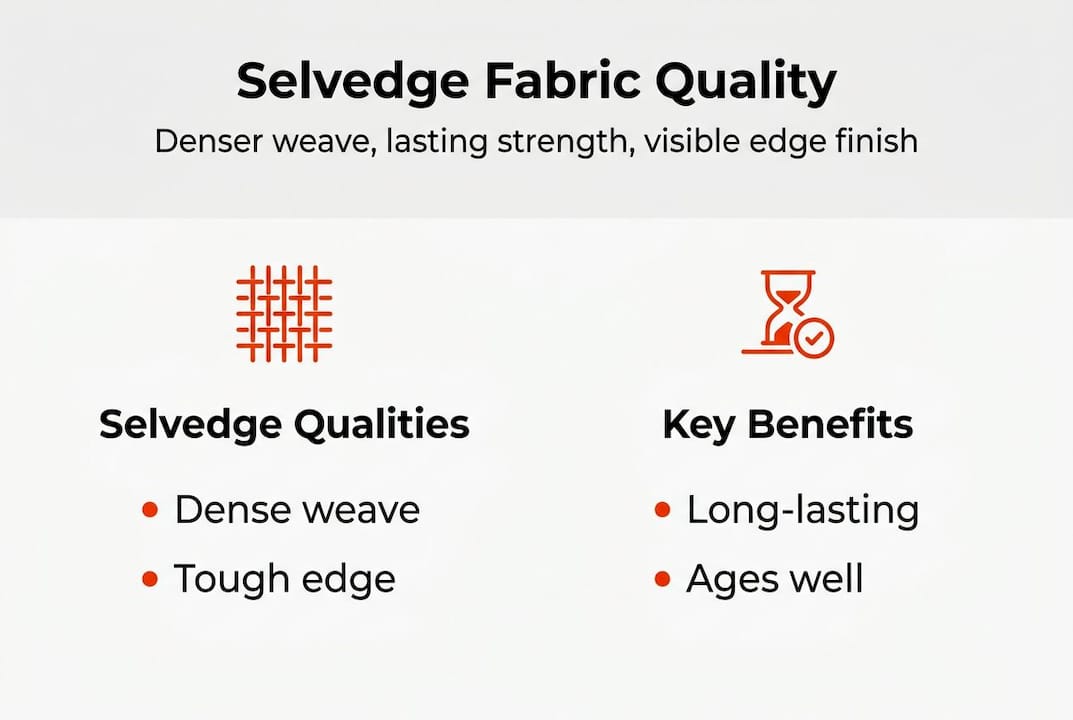
- It is heavier, more durable, and ages uniquely, developing character through wear.
- Authentic selvedge is narrower (28-32 inches) and more expensive due to slower, quality-focused manufacturing.
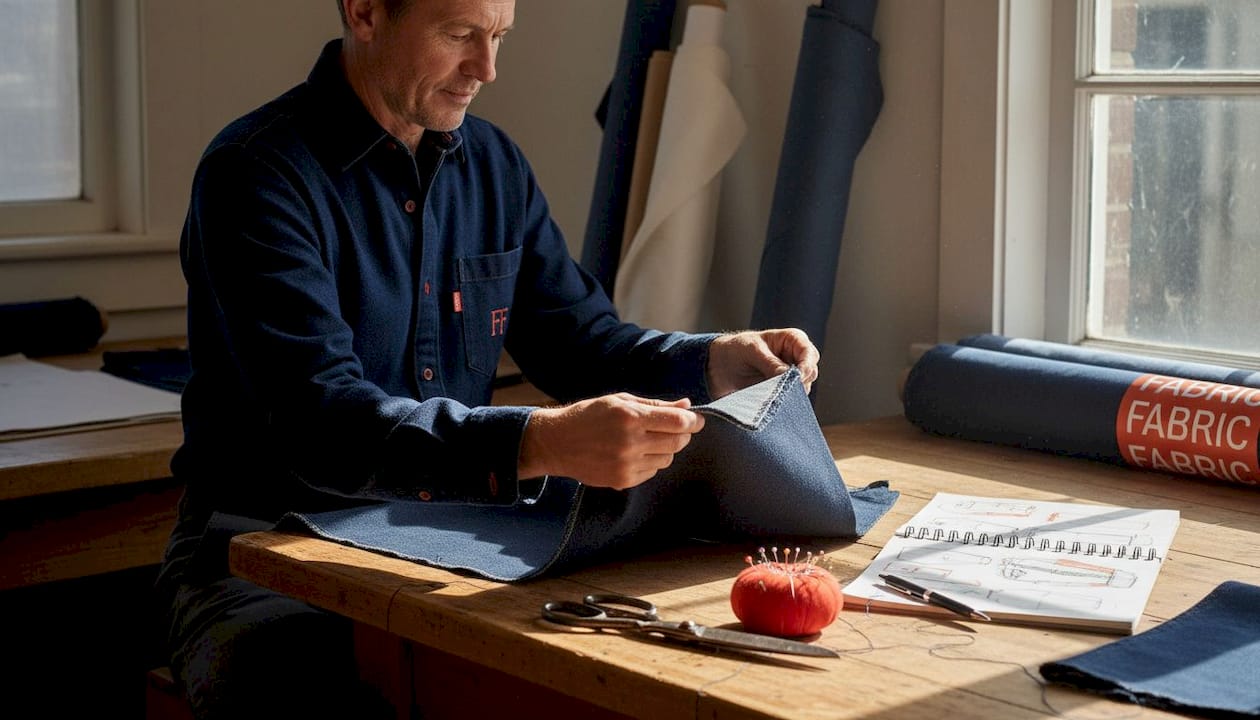
Not all fabric edges are created equal, and experienced crafters know this better than anyone. Pick up a bolt of true selvedge fabric and you’ll immediately notice something different: a clean, dense, almost architectural edge that looks finished before you’ve touched a pair of scissors. That edge isn’t cosmetic. It’s the result of a specific weaving method that produces stronger, denser, and more characterful fabric from start to finish. Whether you’re sewing a structured jacket, upholstering a chair, or building a wardrobe piece meant to last decades, understanding selvedge gives you a real advantage when sourcing and working with textiles.
| Point | Details |
|---|---|
| Selvedge defined | Selvedge is the finished edge of woven fabric that resists fraying and is created using traditional shuttle looms. |
| Superior fabric quality | Selvedge fabrics are denser, stronger, and develop distinctive aging, making them ideal for high-quality projects. |
| Spotting authentic selvedge | Look for a tightly woven edge and characteristic colored thread, which signals genuine selvedge construction. |
| Sourcing tips | Verify selvedge with edge inspection and reputable suppliers to ensure authenticity for your crafting needs. |
Selvedge (or selvage) is the self-finished edge of woven fabric, created during weaving to prevent fraying and unraveling. The word itself comes from “self-edge,” which tells you everything: the fabric finishes itself as it’s made, rather than being trimmed or treated afterward.
This edge forms on a traditional shuttle loom, where a single continuous weft thread loops back and forth across the warp threads. Because the thread never gets cut at the edge, it creates a tightly bound, sealed band along both sides of the fabric. You can recognize it by its density, its slight ridge, and often by a colored thread woven into the band itself, sometimes red, sometimes white or gold, depending on the mill.
Many crafters assume all fabrics have a selvedge. They don’t. Most modern fabric is cut from wide rolls produced on high-speed looms, leaving raw, fraying edges that need finishing. Selvedge is genuinely different, and the distinction matters for quality, durability, and how you work with the material.
Here’s how the main edge types compare:
| Edge type | How it’s formed | Fraying risk | Finish quality |
|---|---|---|---|
| Selvedge | Continuous weft loop on shuttle loom | None | Self-finished, dense |
| Cut edge | Trimmed from wide-loom roll | High | Requires finishing |
| Pinked edge | Cut with zigzag shears | Medium | Decorative, not sealed |
| Zigzag stitched | Machine stitched after cutting | Low to medium | Functional, added step |
| Serged edge | Overlocked after cutting | Low | Clean but separate process |
If you’re working with twill weave fabrics, selvedge construction is especially relevant because twill’s diagonal structure benefits enormously from the stability that a true selvedge edge provides.
Now that you know what the selvedge edge is, it’s important to understand how it’s made and why its production sets it apart from standard fabric manufacturing.
The key difference comes down to loom type. Traditional shuttle looms pass a single weft thread back and forth using a shuttle, creating that continuous, looping edge. Shuttle looms weave at roughly 150 picks per minute, producing narrower fabric (typically 28 to 32 inches wide) with a denser weave, a slightly slubby texture, and superior durability. Modern projectile looms, by contrast, fire weft threads across the loom at over 1,000 picks per minute, producing fabric up to 60 inches wide with cut edges on both sides.
| Feature | Shuttle loom | Projectile loom |
|---|---|---|
| Speed | ~150 picks/minute | 1,000+ picks/minute |
| Fabric width | 28 to 32 inches | Up to 60 inches |
| Edge finish | Self-finished selvedge | Raw, cut edge |
| Weave density | High | Standard |
| Texture | Slight slub, character | Uniform, smooth |
| Durability | Superior | Standard |
The trade-off is clear. Modern looms are built for volume and efficiency. Shuttle looms are built for quality and character. Mills that still operate shuttle looms are rare, and their output is limited, which is a big reason why selvedge fabric costs more.
“Selvedge fabric is stronger and denser, but requires a break-in period; mass-market production favors efficiency over character.”
Pro Tip: When shopping for selvedge online or at a fabric market, check the listed width. If the bolt is 58 to 60 inches wide, it almost certainly came off a modern loom and is not true selvedge. Genuine selvedge typically runs 28 to 32 inches wide.
Understanding loom differences is essential when you’re reading product listings. A good fabric sourcing guide will help you ask the right questions, and knowing what textile sourcing really involves means you won’t be fooled by marketing language that sounds premium but lacks substance.
Once you understand how selvedge fabrics are made, their physical properties and how those properties affect your projects become clear.
Selvedge fabrics are noticeably heavier and denser than their mass-market counterparts. Selvedge denim typically weighs 12 to 21 oz per square yard, compared to standard denim at 8 to 12 oz. Tensile strength runs 80 to 100 lbs per square inch versus 70 to 90 lbs for regular woven denim. That difference is meaningful when you’re building something meant to last.
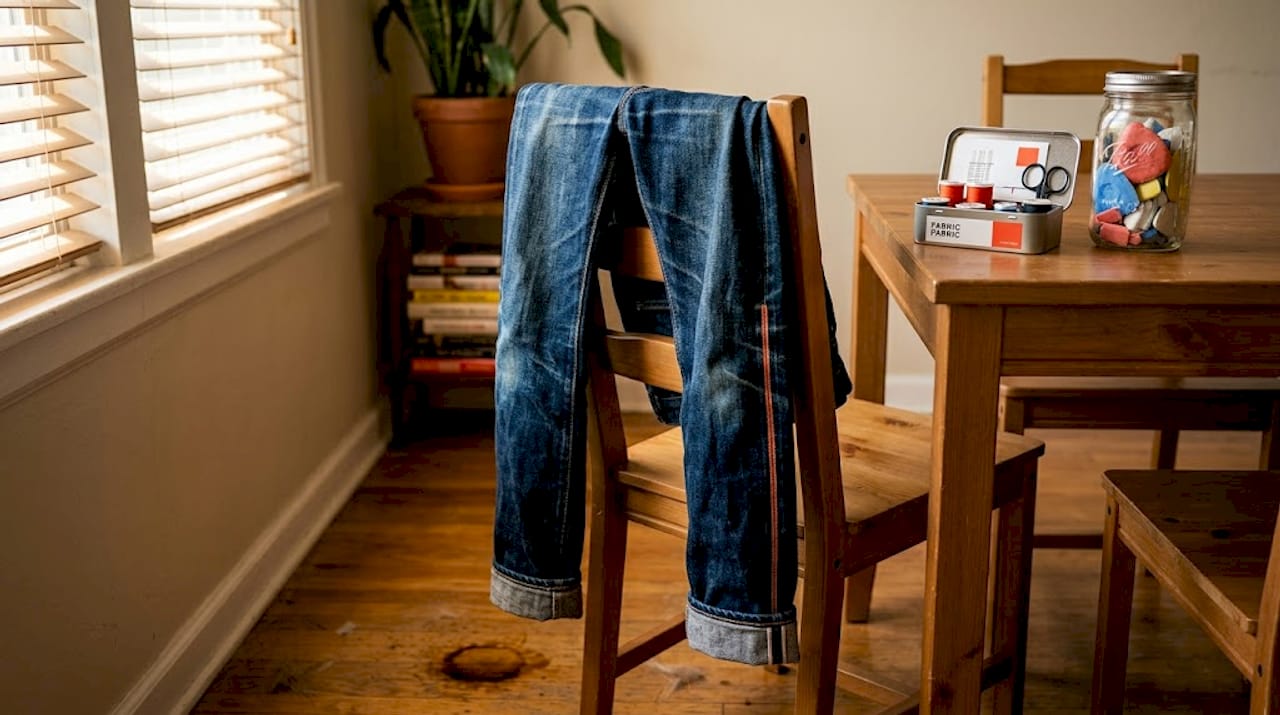
Beyond numbers, selvedge fabrics have a distinct feel. They start stiff, sometimes almost board-like, but they break in beautifully. With wear and use, they mold to the body or the furniture they’re covering, developing creases, fades, and a patina that reflects how they’ve been used. This is what textile enthusiasts call “character,” and it’s one of the main reasons serious crafters seek selvedge out.
Signs of quality in selvedge fabric:
Pro Tip: For home decor projects like upholstery or heavy curtains, opt for selvedge fabric in the 14 to 21 oz range. For apparel like structured jackets or trousers, 12 to 14 oz gives you durability without excessive stiffness. Lighter selvedge (under 12 oz) works beautifully for shirts and accessories where drape matters.
Knowing how to read these physical cues is a skill worth building. Resources on identifying fabric quality and evaluating fabric samples can sharpen your eye before you commit to a purchase.
The terms surrounding selvedge fabrics can be confusing, especially with “raw denim” and other descriptors floating around in product listings and fabric communities.
Here’s the clearest way to think about it: selvedge refers to the weaving method and edge finish, while raw refers to post-loom treatment. Raw denim is simply denim that hasn’t been washed or treated after weaving. Most selvedge denim is also raw, but not all raw denim is selvedge. You can have raw denim from a modern projectile loom with cut edges, and you can have selvedge denim that’s been washed and pre-softened.
Other terms worth knowing:
What to ask suppliers when shopping for selvedge:
Steps to verify authentic selvedge before buying:
If you’re shopping for quality denim fabric for a specific project, these steps will help you separate genuine selvedge from imitations that use the term loosely.
Now that you can spot selvedge and decode fabric lingo, here’s how to source it confidently for your creative projects.
Selvedge denim’s unique weave and durability make it especially sought after for clothing and home decor that require long-lasting, beautiful fabric. But sourcing it well takes a little strategy, especially when buying online where you can’t touch the bolt before committing.
Step-by-step sourcing guide:
Pro Tip: When calculating yardage for selvedge, remember the narrower width means you’ll need more fabric than a standard pattern assumes. Adjust your yardage by roughly 20 to 30 percent compared to what you’d buy in 58-inch wide fabric.
For larger projects or repeat sourcing, knowing how to approach sourcing bulk fabric and selecting fabric suppliers will save you time and money in the long run.
Here’s an honest take: not all selvedge is automatically better than every other fabric. The word has picked up a premium aura that some retailers exploit, slapping it on products without the substance to back it up. Quality means purpose and suitability, not just a label.
That said, when selvedge is genuine, it earns its reputation in ways that matter to crafters specifically. The break-in period isn’t a flaw. It’s the feature. A pair of jeans or a jacket made from authentic selvedge molds to you over months of wear, developing fades and creases that reflect your specific movements and habits. No two pieces age the same way. That’s something mass-market fabric simply cannot replicate.
For home decor, the density and durability of selvedge mean upholstered pieces hold their shape and structure far longer than those made with standard fabric. A well-chosen selvedge linen or denim can outlast multiple rounds of cheaper alternatives.
The caution we’d offer is this: buy selvedge when the project demands longevity, character, and quality. Don’t buy it because a listing uses the word. Use the verification steps in this article, ask the right questions, and let the fabric’s physical properties speak for themselves. A good understanding of fabric quality markers will always serve you better than brand trust alone.
Selvedge is worth it. Just make sure what you’re buying actually is selvedge.
For crafters ready to put their knowledge to work, the right fabric can make all the difference between a project that lasts and one that disappoints after a season.
At fabric-fabric.com, we carry a curated selection of high-quality fabrics suited for everything from structured apparel to statement home decor. Whether you’re looking for backdrop fabrics for a creative installation or browsing our full range of home decor fabric for upholstery and soft furnishings, our team understands what authentic quality looks like. We’re here to help you find fabric that fits your project’s specific demands, not just something that looks good in a listing photo. Explore our selection and shop with confidence knowing the details behind what you’re buying.
Check for a tightly finished, densely woven edge, often with a colored marker thread, running the full length of the fabric. The bolt width should also be 28 to 32 inches, not the standard 58 to 60 inches.
No. Selvedge refers to the weaving method and edge finish, while raw means unwashed after weaving. Most selvedge is raw, but you can find washed or sanforized selvedge as well.
Selvedge costs more because shuttle looms weave at roughly 150 picks per minute, far slower than modern looms, producing narrower, denser fabric that requires more time and skill to create.
Yes. Selvedge’s tensile strength of 80 to 100 lbs per square inch and denser weave structure make it significantly more durable than standard woven fabric over time.
Absolutely. Selvedge’s durability and unique weave make it ideal for structured jackets, upholstery, bags, home decor, and any project where long-lasting, characterful fabric is the goal.