

 Canadian Dollars

Linen Type Fabric: Your 2026 Application Guide
Posted by BLG on 2026 Jun 7th
Posted by BLG on 2026 Jun 7th

TL;DR:
- Linen fabric, made from flax fibers, is valued for its strength, breathability, and absorbency, with weave and weight determining its performance and feel. Choosing the right weave and GSM ensures suitability for specific projects like apparel, home decor, or upholstery, while blends can improve wrinkle resistance and softness. Proper pre-washing, selecting specifications carefully, and understanding fabric types help craft durable, beautiful linen items suited to numerous applications.
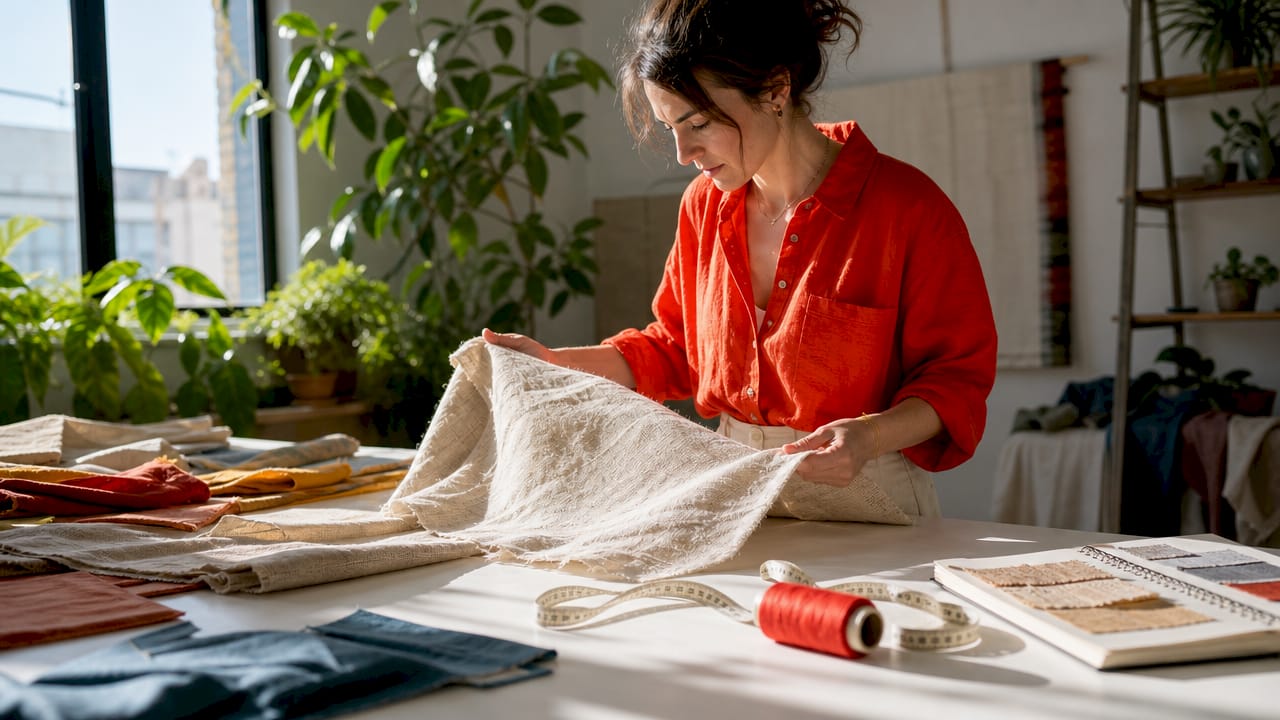
Linen type fabric is a natural textile made from flax plant fibers (Linum usitatissimum), recognized across fashion, home decor, and crafting for its strength, breathability, and absorbency. It dries faster than cotton, grows softer with every wash, and carries a distinctive textured appearance that synthetic fabrics cannot replicate. What most buyers don’t realize is that two pieces of linen can feel completely different from each other, not because of quality differences, but because of weave structure and fabric weight. Understanding those two variables is the key to choosing the right linen for any project.
Linen’s weave structure and GSM are the two most reliable predictors of how a fabric will behave in real use. The same flax fiber woven differently produces results that range from crisp and structured to soft and drapey. This is why shoppers who find linen “feels different than expected” are almost always reacting to weave differences they weren’t aware of when purchasing.
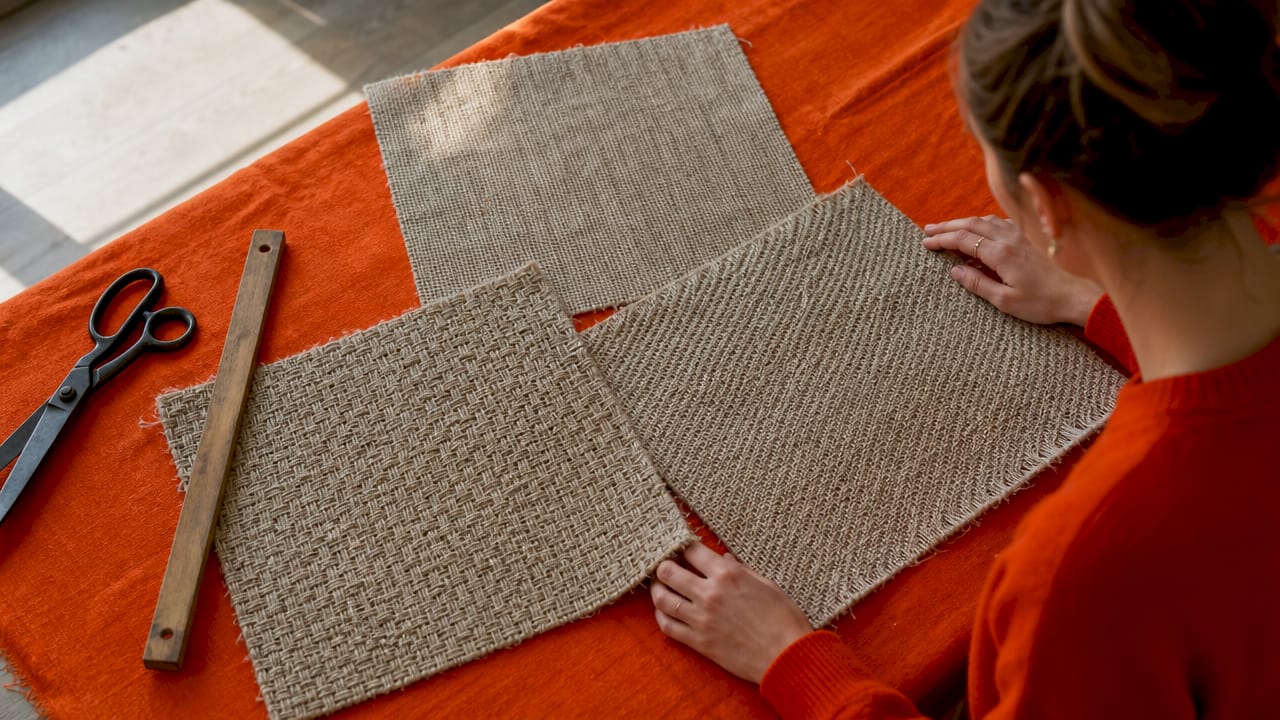
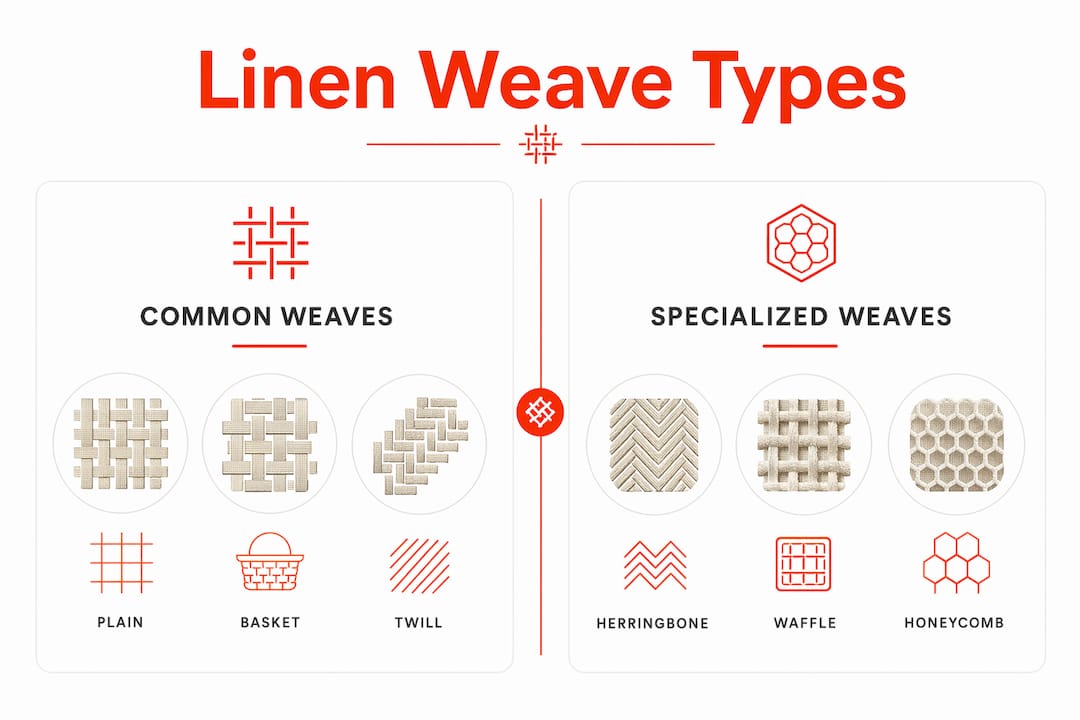
Plain weave is the most common linen construction. Threads cross over and under in a simple alternating pattern, producing a balanced, breathable fabric that works well for shirts, bed sheets, and table linens. It’s the workhorse of linen fabric types and the one most people picture when they think of linen.
Basket weave groups multiple threads together before crossing, creating a more open, textured surface. The result is an airy fabric with a casual look, well suited for throws, tote bags, and relaxed summer clothing. It has slightly less durability than plain weave but offers more visual interest.
Twill and herringbone weaves run threads diagonally across the fabric, producing a structured drape and a subtle surface pattern. These weaves are softer underhand than plain weave and hold their shape better, making them a strong choice for trousers, blazers, and structured dresses.
Specialized weaves serve specific functions. Waffle weave linen creates a honeycomb texture that dramatically increases surface area, making it exceptionally breathable and quick-drying. It’s the standard choice for bath towels and kitchen cloths, though high heat can flatten the texture over time. Jacquard and dobby weaves introduce decorative patterns directly into the fabric structure, used for decorative linens, napkins, and upholstery accents. Open weaves produce sheer, lightweight panels ideal for curtains and window treatments.
| Weave type | Texture | Best uses | Care note |
|---|---|---|---|
| Plain | Smooth, balanced | Shirts, sheets, table linens | Machine wash, low heat |
| Basket | Open, textured | Throws, bags, casual wear | Gentle cycle, air dry |
| Twill/Herringbone | Diagonal, soft drape | Trousers, blazers, dresses | Press while damp |
| Waffle | Honeycomb, airy | Towels, kitchen cloths | Avoid high heat |
| Jacquard/Dobby | Patterned, decorative | Napkins, upholstery, decor | Dry clean or hand wash |
| Open weave | Sheer, loose | Curtains, sheers | Delicate cycle |
Pro Tip: When ordering linen online, always request a swatch before committing to yardage. The same product name can describe fabrics with very different weave densities depending on the supplier.
GSM stands for grams per square meter and measures how much material is packed into a given area of fabric. For linen, weight categories range from 100 to 400 GSM, and each range behaves differently in terms of drape, durability, and wrinkle resistance. Choosing the wrong weight is one of the most common mistakes crafters and sewers make when working with linen for the first time.
Lightweight linen is the go-to for summer clothing. Blouses, sundresses, and loose shirts all benefit from the airy comfort this weight provides. The fabric drapes softly, breathes well, and moves with the body. The tradeoff is that it wrinkles more visibly and requires more careful handling during sewing due to its tendency to fray at cut edges.
Mid-weight linen is the most versatile category. It holds structure well enough for tailored garments like trousers and blazers while still offering enough drape for relaxed dresses and skirts. This weight also works well for home decor applications like pillow covers, light curtains, and table runners. Most of the linen fabric sold for general sewing falls into this range.
Heavyweight linen is built for durability. Upholstery, outerwear, tote bags, and structured home decor items all call for this weight. The fabric resists wear, holds its shape under stress, and wrinkles far less than lighter options. For anyone choosing heavyweight fabric for furniture or bags, linen in this range competes directly with canvas and duck cloth in terms of performance.
| Weight range | Category | Best uses | Key characteristic |
|---|---|---|---|
| 100 to 150 GSM | Lightweight | Blouses, summer dresses, scarves | Airy, soft drape |
| 150 to 250 GSM | Mid-weight | Trousers, blazers, pillow covers, curtains | Versatile, structured |
| 250 to 400 GSM | Heavyweight | Upholstery, bags, outerwear, rugs | Durable, wrinkle-resistant |
Pro Tip: Hold a fabric sample up to light. Lightweight linen will be semi-transparent; mid-weight will show some light through; heavyweight will block it almost entirely. This quick test helps you verify weight claims before buying.
Understanding fabric weight roles across different project types prevents costly mistakes and ensures the finished piece performs as expected.
Pure linen and blended linen are not the same product, and the differences matter for both performance and budget. Belgian and Irish linen represent the top tier of pure linen production, prized for their fine, consistent fiber quality and heritage manufacturing standards. Both are significantly more expensive than commodity linen but offer superior softness and longevity.
Beyond geography, linen comes in several specialty forms worth knowing:
Linen blends address the fiber’s two main drawbacks: cost and wrinkling. A linen-cotton blend reduces price, improves wrinkle resistance, and softens the fabric’s texture while retaining most of linen’s breathability. Linen-silk blends add a subtle sheen and a fluid drape, making them popular for evening wear and luxury home textiles. Linen-polyester blends are the most wrinkle-resistant option and the most affordable, though they sacrifice breathability and the natural feel that makes pure linen desirable.
For projects where linen’s properties are wanted but the budget or care requirements don’t fit, several linen alternatives for fabric are worth considering. Ramie is a natural bast fiber with a similar texture and sheen to linen. Cotton-linen lookalike weaves, often labeled as “linen-look” fabrics, use cotton or cotton-polyester in a plain or basket weave to mimic linen’s appearance. These alternatives work well for home decor and casual apparel where the tactile authenticity of true flax fiber is less critical.
Sustainability is a genuine advantage of pure linen. Flax requires less water and fewer pesticides than cotton, and linen fabric is fully biodegradable. For buyers prioritizing environmental impact, pure linen or linen-cotton blends are the stronger choice over linen-polyester options.
Matching linen to a project comes down to three factors: weave, weight, and intended use. Getting all three right produces a finished piece that looks and performs exactly as planned. Getting even one wrong leads to fabric that wrinkles in the wrong places, frays during construction, or feels stiff when it should drape.
Here’s a practical breakdown by project type:
Linen wrinkles easily due to the low elasticity of flax fibers. For projects where wrinkle resistance matters, choose a linen-cotton blend or a heavier weight, and iron the fabric while it’s still slightly damp for the cleanest results. Pre-washing also reduces future shrinkage and begins the softening process that makes linen more pleasant to wear over time.
A common mistake is buying linen by name without checking the weave or GSM. Two fabrics both labeled “natural linen” can feel completely different depending on these specifications. Always ask for or check the GSM and weave type before purchasing, especially for large projects where consistency matters.
Pro Tip: Order fabric swatches before buying yardage for any project over two yards. Fabric-fabric offers a range of linen options across weights and weaves, and seeing the material in person under your project’s lighting conditions prevents expensive surprises.
For a deeper look at the pros and cons of linen across different applications, that resource covers the tradeoffs in detail.
Selecting linen by weave structure and GSM weight gives you more reliable predictions for drape, texture, and project suitability than choosing by name alone.
| Point | Details |
|---|---|
| Weave determines feel | Plain weave is versatile; twill drapes better; waffle weave maximizes absorbency. |
| GSM guides project fit | Use 100 to 150 GSM for apparel, 250 to 400 GSM for upholstery and bags. |
| Blends solve specific problems | Linen-cotton reduces wrinkling; linen-silk adds drape; linen-polyester cuts cost. |
| Pre-wash before cutting | Pure linen shrinks 3 to 5 percent, so washing before sewing prevents sizing errors. |
| Specialty types serve niche uses | Belgian and Irish linen lead in quality; butcher’s linen suits rustic decor projects. |
I’ve worked with linen across dozens of projects, from lightweight summer blouses to heavyweight upholstery for a reading chair, and the fabric still catches me off guard sometimes. Not in a bad way. In the way that a material with genuine character does.
The biggest lesson I’ve learned is that linen rewards patience. Buyers who rush past the weave and weight specifications almost always end up frustrated, either with a fabric that wrinkles more than expected or one that feels too stiff for the garment they had in mind. The fix is simple: slow down and read the specs. A 120 GSM plain weave and a 280 GSM twill are both “linen,” but they are not interchangeable.
I’ve also found that linen blends get unfairly dismissed by purists. A good linen-cotton blend at 180 GSM can outperform pure linen for everyday garments because it holds up to machine washing without the aggressive wrinkling. For home decor projects where the fabric will be handled constantly, that tradeoff is worth making.
The one thing I’d push back on is the idea that linen is high-maintenance. Iron it damp, choose the right weight for the job, and wash it on a gentle cycle. That’s not complicated. What linen gives back in breathability, texture, and longevity makes the small amount of care it needs entirely worth it. If you haven’t experimented with waffle weave or herringbone linen yet, start there. Both will change how you think about what this fiber can do.
— kev
Fabric-fabric carries a broad selection of linen type fabrics across weights, weaves, and blends, so you can match the exact specification your project needs without guessing. Whether you’re sourcing lightweight plain weave for summer apparel or heavyweight linen for upholstery, the range covers both pure linens and practical blends. Browse the home decor fabric collection for linen options suited to curtains, pillow covers, table linens, and upholstery projects. For crafting and backdrop applications, the backdrop fabric category includes linen-look and natural linen options at accessible price points. Fabric-fabric also offers swatches, so you can verify weight and texture before committing to yardage.
Linen is made from the bast fibers of the flax plant (Linum usitatissimum). The fibers are extracted from the plant’s stem, spun into yarn, and woven into fabric.
Linen is 30% stronger than cotton, more breathable, and dries faster. It wrinkles more easily and costs more, but grows softer with each wash and lasts significantly longer.
Lightweight plain weave linen at 100 to 150 GSM suits blouses and summer dresses. Mid-weight twill or herringbone at 180 to 250 GSM works better for structured garments like trousers and blazers.
Linen blends like linen-cotton reduce wrinkling and improve washability, making them practical for everyday garments and home textiles. Pure linen offers superior breathability and longevity but requires more careful care.
Choose a heavier weight linen or a linen-cotton blend, iron the fabric while it’s still slightly damp, and avoid over-drying in a machine. Blending with cotton or viscose also reduces creasing at the fiber level.