

 US Dollar
How to choose eco-friendly fabric for projects 2026
Posted by BLG on 2026 Mar 17th
Posted by BLG on 2026 Mar 17th

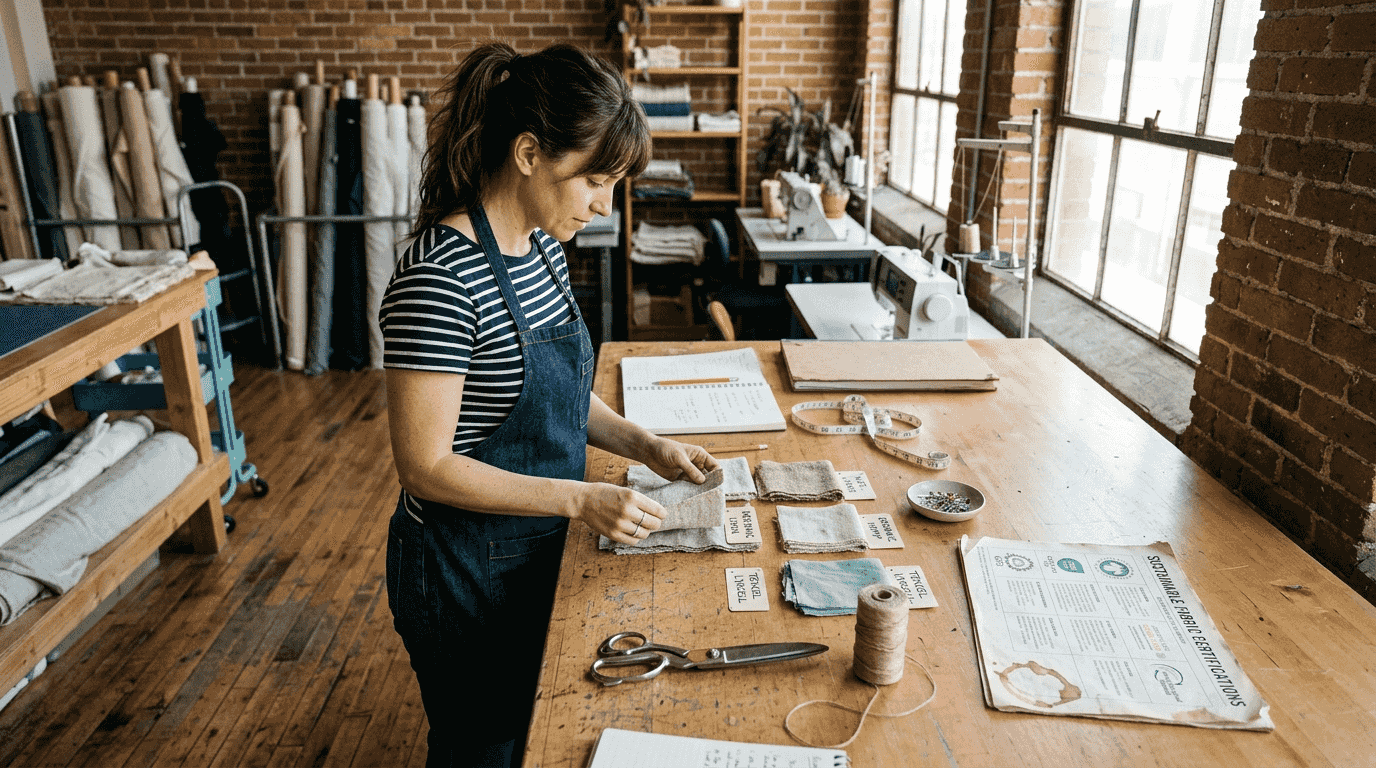
Choosing truly eco-friendly fabric feels overwhelming when vague sustainability claims flood the market. You want to make responsible choices for your sewing projects, but greenwashing makes it hard to separate genuine eco-fabrics from marketing hype. This guide cuts through the confusion by showing you exactly how to evaluate fabric certifications, compare environmental impacts, and select materials that align with your values. You’ll learn to spot misleading claims, understand which fabrics deliver real sustainability benefits, and confidently source textiles that minimize harm while maximizing quality and durability for your creative work.
| Point | Details |
|---|---|
| Certifications verify claims | GOTS, OEKO-TEX, and OCS provide third-party validation of environmental and social standards |
| Top eco-fabrics vary by use | Linen, hemp, TENCEL lyocell, and organic cotton offer strong sustainability profiles with different characteristics |
| Lifecycle matters most | Consider water use, chemical inputs, durability, and end-of-life impacts beyond just fiber origin |
| Greenwashing is widespread | Verify vague claims with certifications and lifecycle data rather than trusting marketing language |
| Upcycled fabrics win | Deadstock and recycled materials eliminate virgin resource extraction entirely |
Certifications provide the most reliable way to verify sustainability claims in a market saturated with vague green marketing. When you see certified labels, you’re getting third-party verification that specific environmental and social standards were met throughout production. This matters because fabric manufacturing involves complex supply chains where problems can hide at any stage.
The Global Organic Textile Standard (GOTS) requires 70-95% organic fibers, strict chemical bans, wastewater treatment, and ILO labor standards from farm to finished product. GOTS certification covers both environmental criteria like prohibited pesticides and toxic dyes, plus social requirements including fair wages and safe working conditions. When you choose GOTS-certified fabric, you’re supporting supply chains that protect both ecosystems and workers.
OEKO-TEX certification takes a different approach by focusing specifically on consumer safety. OEKO-TEX tests fabrics for harmful substances including heavy metals, formaldehyde, pesticides, and allergens that could affect your health. This certification doesn’t guarantee organic farming or low environmental impact, but it ensures the finished fabric won’t expose you to dangerous chemicals. It’s particularly valuable for items that contact skin directly.
The Organic Content Standard (OCS) verifies the percentage of organic material in a fabric without requiring the full environmental controls of GOTS. OCS works well for products containing organic fibers blended with other materials, giving you transparency about exactly what you’re buying. Think of it as a stepping stone certification that confirms organic content even when full GOTS certification isn’t achieved.
When selecting sustainable fabrics, prioritize these verified certifications over vague marketing terms:
Pro Tip: Screenshot certification labels and research the certifying body before purchasing. Legitimate certifications provide searchable databases where you can verify a supplier’s certification status and expiration date.
Different eco-friendly fabrics excel in different situations, so understanding their unique characteristics helps you match materials to your project needs. Natural plant fibers generally outperform conventional synthetics, but the processing methods and growing conditions create significant variation in environmental impact.
Linen and hemp stand out as exceptionally sustainable natural fibers that thrive without irrigation in many climates. Both plants grow quickly with minimal pest pressure, eliminating the need for synthetic pesticides that contaminate waterways. Linen and hemp require low water and pesticide inputs, and their strong fibers create durable fabrics that last for decades with proper care. Hemp actually improves soil quality while growing, making it ideal for regenerative agriculture systems.
TENCEL lyocell represents a breakthrough in manufactured fibers through its closed-loop production system. TENCEL lyocell uses closed-loop processes with 99% solvent recovery, meaning the chemicals used to dissolve wood pulp get recycled rather than released into the environment. The wood source comes from certified sustainable forests, and the resulting fabric offers a soft, breathable texture similar to cotton but with far lower environmental impact.
Organic cotton provides a familiar option that eliminates the massive pesticide load of conventional cotton farming. While organic cotton still requires substantial water compared to hemp or linen, it protects farmworker health and prevents toxic runoff into local ecosystems. The fiber quality often exceeds conventional cotton because healthier soil produces stronger plants. Look for GOTS certification to ensure true organic standards rather than just pesticide-free claims.
Recycled materials offer another path by giving existing fibers new life. Recycled cotton diverts textile waste from landfills and eliminates the need for virgin fiber cultivation. Recycled polyester similarly reduces petroleum extraction and energy use compared to virgin synthetic production. The tradeoff comes with potential microfiber shedding from synthetics and sometimes reduced durability in recycled fibers.
This comparison helps you evaluate different sustainable fabric examples for your specific needs:
| Fabric Type | Water Use | Durability | Chemical Inputs | Best Uses |
|---|---|---|---|---|
| Linen | Very Low | Excellent | Minimal | Apparel, home textiles |
| Hemp | Very Low | Excellent | Minimal | Sturdy apparel, bags |
| TENCEL Lyocell | Low | Good | Closed-loop | Drapey garments, linings |
| Organic Cotton | High | Good | None (certified) | General apparel, quilting |
| Recycled Cotton | Zero virgin | Moderate | Varies | Casual wear, crafts |
| Recycled Polyester | Zero virgin | Good | Varies | Activewear, outdoor gear |
Each fabric type serves different purposes, so consider your project requirements alongside environmental priorities. A sustainable fabrics ranking can provide additional perspective, but your specific use case should guide final selection.
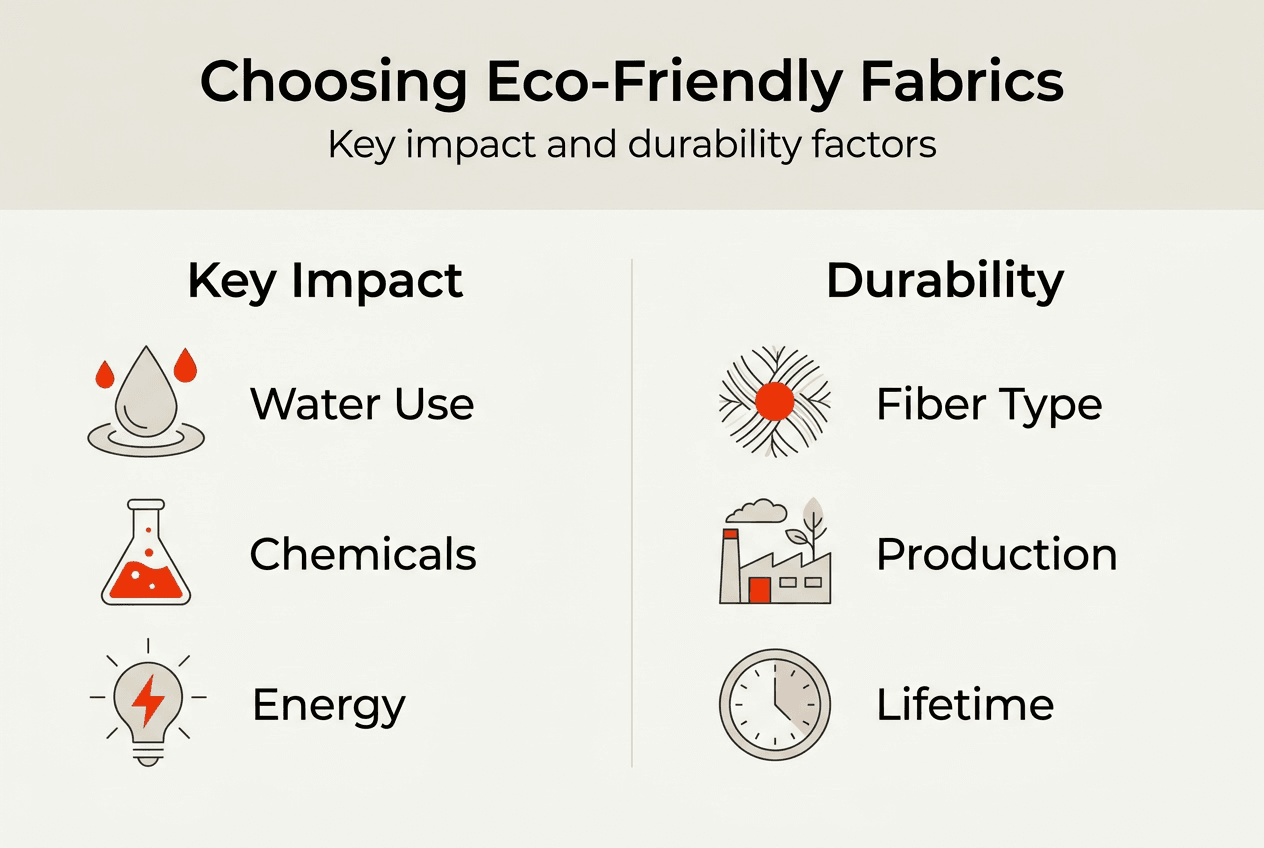
True fabric sustainability extends far beyond the fiber growing in a field. The complete lifecycle from cultivation through spinning, weaving, dyeing, use, and disposal creates environmental impacts at every stage. You need to think about this full picture rather than just focusing on whether a fiber is organic or natural.
Fabric production involves energy-intensive processes like spinning and weaving, then chemical-heavy dyeing and finishing treatments. Even eco-friendly fibers can become environmentally problematic if processed with toxic dyes or harsh chemical finishes. Water consumption during dyeing and finishing often exceeds the water used to grow the fiber itself. This is why certifications that cover the entire production chain matter more than just fiber origin.
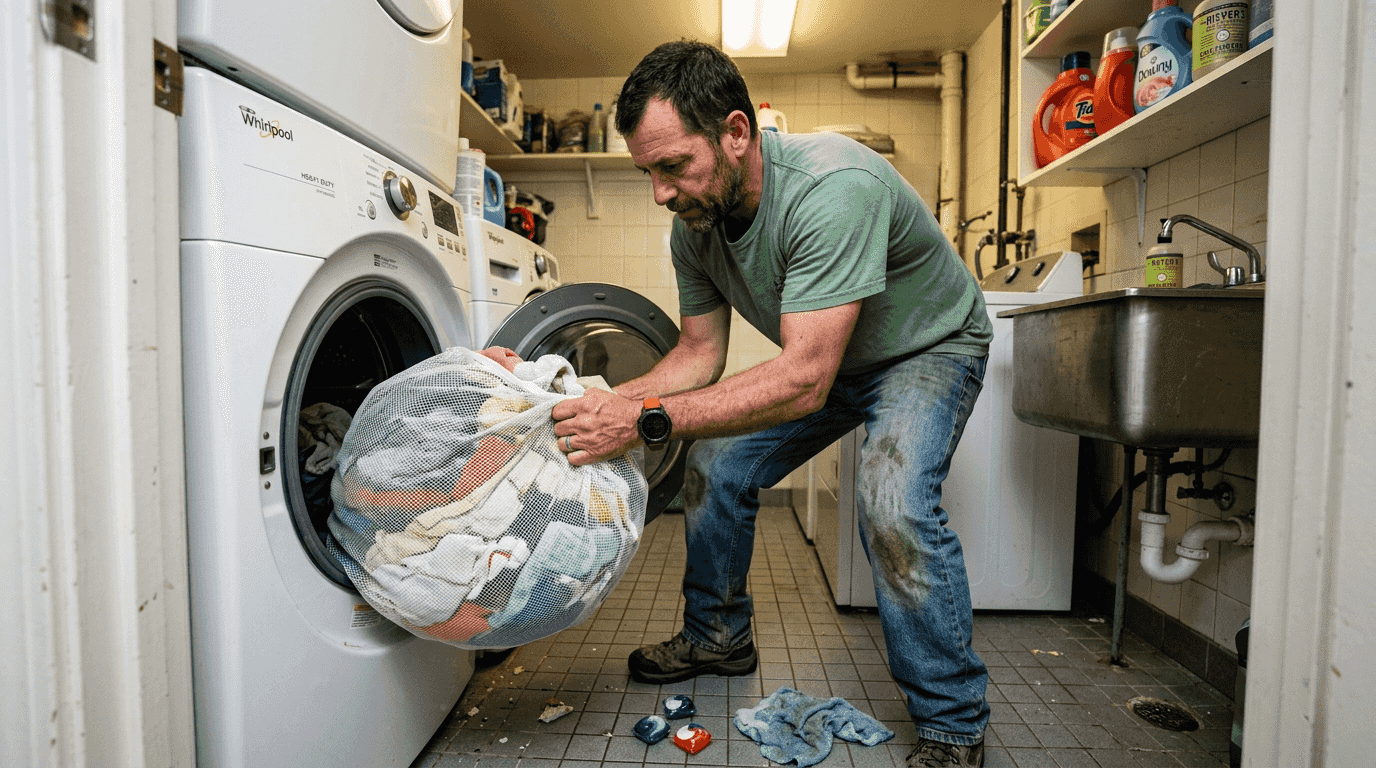
Microfiber pollution has emerged as a critical concern with synthetic fabrics. Every wash cycle releases thousands of tiny plastic particles that flow into waterways and eventually oceans. These microfibers persist in the environment, accumulate in marine life, and potentially enter our food chain. If you choose recycled polyester or other synthetics, install a microfiber filter on your washing machine and wash less frequently to minimize this pollution.
Wool produces methane unless sourced regeneratively, making it a complex choice despite being natural and biodegradable. Conventional wool production contributes to greenhouse gas emissions through sheep digestion and often involves overgrazing that degrades landscapes. If you select wool, seek out regenerative ranching certifications that prove the sheep actually improve soil health and sequester carbon. Otherwise, the climate impact may outweigh the natural fiber benefits.
Bamboo viscose represents another misleading option despite bamboo’s fast growth and low input requirements. Bamboo viscose is chemical-intensive like rayon and should be avoided unless certified TENCEL, because the conventional viscose process uses toxic chemicals like carbon disulfide that harm workers and pollute waterways. The bamboo plant’s sustainability gets erased by destructive processing. Always choose TENCEL-branded lyocell or modal made from bamboo instead of generic bamboo viscose.
Durability might be the most underrated sustainability factor. A fabric that lasts 10 years with proper care delivers far better environmental value than one that wears out in 2 years, regardless of fiber origin. Strong, long-lasting materials reduce the total resources consumed over time. Consider how you’ll care for the fabric and whether it can be repaired when damaged.
Key sustainability considerations beyond fiber choice include:
Pro Tip: Buy slightly heavier weight fabrics than you think you need. The extra durability pays environmental dividends over years of use, and quality fabric drapes better while resisting wear and pilling.
The sustainability of fabric lifecycle involves complex tradeoffs, so prioritize durability and verified low-impact processing alongside responsible fiber sourcing. Understanding fabric sustainability trends helps you stay current as the industry evolves.
Greenwashing has become so pervasive in fashion that you must actively verify every sustainability claim rather than trusting marketing language. Companies use vague terms like “eco,” “natural,” “green,” and “conscious” without defining what these words mean or providing evidence. These terms carry no legal requirements or third-party verification, making them essentially meaningless.
The scale of deceptive marketing is staggering. EU bans vague ‘sustainable’ claims; 96% of H&M sustainability claims found misleading in recent investigations. This means nearly every sustainability statement from major brands fails to hold up under scrutiny. Regulators are starting to crack down, but you can’t wait for enforcement to protect you from misleading information.
To verify sustainability claims, follow this checklist when evaluating fabric suppliers:
Suppliers committed to genuine sustainability will readily provide detailed information about their practices. Evasive answers or refusal to share data signals potential greenwashing. Companies with nothing to hide publish comprehensive sustainability reports with specific metrics and progress tracking.
Upcycled and deadstock fabrics offer the most ironclad sustainability credentials because they eliminate virgin resource extraction entirely. When you choose surplus fabric from canceled orders or textile waste diverted from landfills, you’re creating zero additional environmental impact from fiber production. These materials often come from high-quality production runs, giving you excellent fabric at lower prices while maximizing sustainability.
Deadstock fabric shopping requires flexibility since available materials change constantly based on what manufacturers have in surplus. You might not find the exact color or pattern you initially envisioned, but the environmental benefits justify adapting your creative vision. Many designers find that working with available deadstock materials sparks more creativity than starting with unlimited options.
“The fashion industry has weaponized sustainability language to the point where consumers can’t trust any claim without independent verification. Assume greenwashing until proven otherwise, and demand transparency at every step of the supply chain.” — Textile sustainability researcher
When using eco-friendly fabrics, combine certification verification with lifecycle thinking and preference for upcycled materials. This multi-layered approach protects you from misleading claims while supporting truly sustainable textile production. Resources to avoid greenwashing in fabrics continue evolving as regulations tighten and consumer awareness grows.
Now that you understand how to evaluate fabric sustainability, you need a reliable source for purchasing verified eco-friendly materials. Fabric-Fabric offers a curated selection of sustainable textiles including organic cotton, linen, hemp, and recycled fibers that meet rigorous environmental standards. The site makes it easy to find certified fabrics for your apparel and craft projects without spending hours researching individual suppliers.
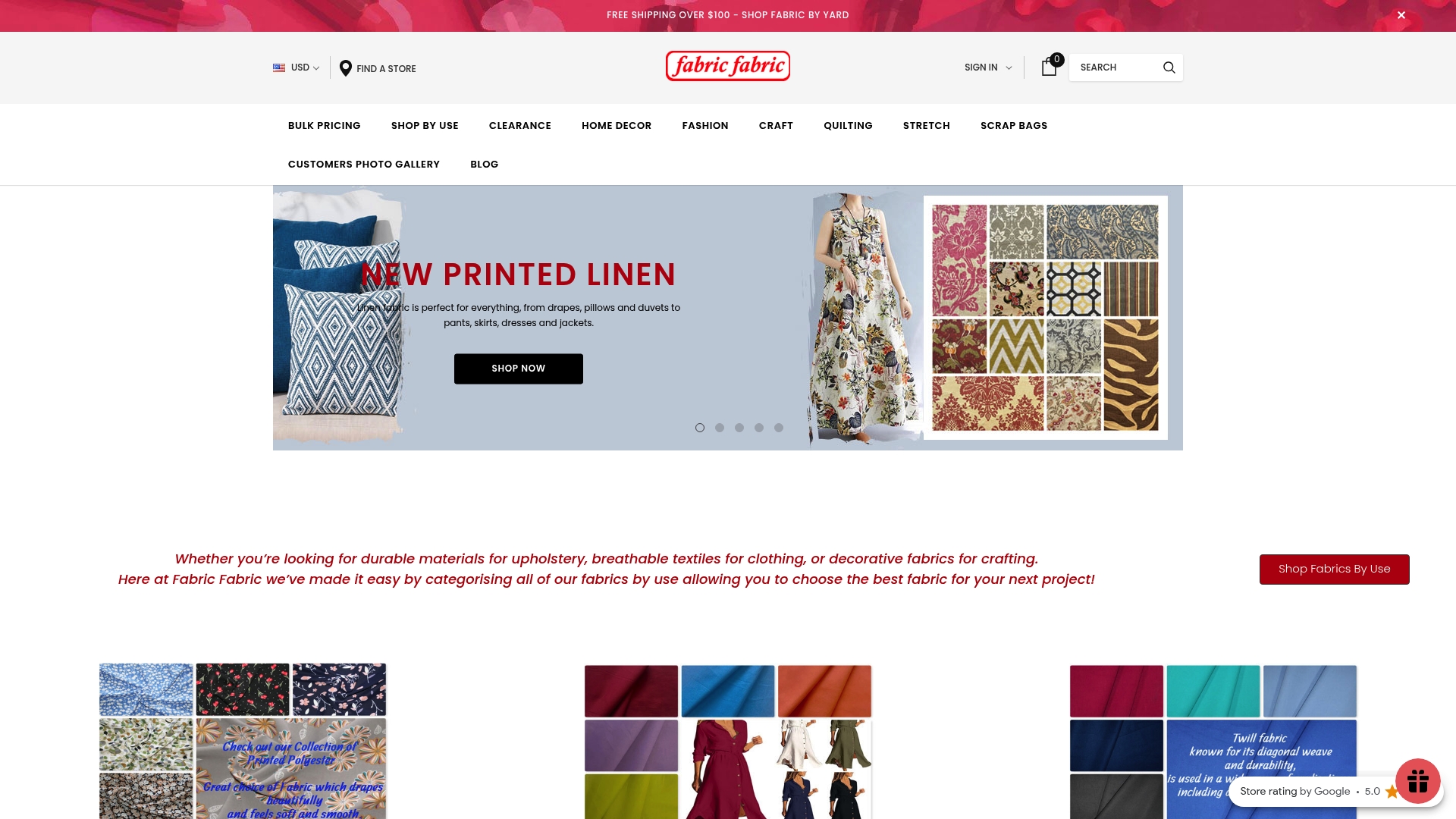
You’ll discover backdrop fabrics and home decor fabric options alongside apparel materials, all organized by use case to simplify your shopping experience. The platform includes deadstock and upcycled selections that eliminate virgin resource impacts while offering unique materials for creative projects. Browse the full collection at Fabric-Fabric to find sustainable textiles that match your values and project requirements.
Prioritize GOTS certification for comprehensive organic standards covering environmental and social criteria throughout production. OEKO-TEX certification verifies harmful substance testing to protect your health. OCS confirms organic fiber content percentages when full GOTS certification isn’t present. These third-party certifications provide reliable verification that vague marketing terms cannot match.
Recycled fabrics eliminate virgin resource extraction and reduce production emissions, making them excellent sustainability choices. However, recycled synthetics still shed microfibers during washing, and recycled natural fibers may have reduced durability compared to virgin materials. Balance recycled options with certified organic natural fibers based on your specific project needs, care requirements, and intended lifespan.
Focus exclusively on verified certifications like GOTS and OEKO-TEX rather than trusting vague marketing language. Request lifecycle assessment data and supply chain transparency from suppliers before purchasing. Choose upcycled or deadstock fabrics when possible to eliminate concerns about production impacts entirely. Research certification databases to verify claims independently rather than accepting supplier statements at face value.
Durability directly impacts total lifecycle environmental cost because longer-lasting fabrics reduce the frequency of replacement purchases. A durable fabric worn for 10 years consumes far fewer total resources than replacing a lower-quality version every 2 years. Prioritize strong construction, appropriate weight for intended use, and proper care practices to maximize fabric lifespan and minimize cumulative environmental impact over time.
TENCEL lyocell uses a closed-loop production process that recovers and recycles 99% of solvents, preventing chemical pollution. Regular viscose production releases toxic chemicals like carbon disulfide into the environment, harming workers and ecosystems. TENCEL also sources wood pulp from certified sustainable forests, while conventional viscose may contribute to deforestation. The dramatic difference in processing methods makes TENCEL substantially more sustainable despite both being cellulosic manufactured fibers.