

 Canadian Dollars

Guide to Sustainable Fabrics for Conscious Creators
Posted by BLG on 2025 Nov 8th
Posted by BLG on 2025 Nov 8th


More than 60 percent of textile creators say sustainability influences their material choices today. The shift toward eco-friendly fabrics is changing the way projects are planned and produced. Understanding how to assess, select, and verify sustainable fabric options matters for anyone who wants to minimize their environmental impact. This guide reveals practical steps and expert tips to help you make informed choices at every stage of your textile journey.
| Key Point | Explanation |
|---|---|
| 1. Assess project sustainability needs thoroughly | Conduct a detailed review of materials and processes, focusing on fabric origin, energy use, and waste production. |
| 2. Research eco-friendly fabric options | Explore sustainable materials like hemp and organic linen, documenting their environmental benefits for comparison. |
| 3. Evaluate supplier certifications | Investigate suppliers’ certifications to ensure sustainable and ethical practices in the production of textiles. |
| 4. Select fabrics aligned with sustainability goals | Choose innovative materials with minimal ecological impact and verify their performance through sample testing. |
| 5. Maintain verification and documentation | Develop a tracking system for assessing fabric sustainability and maintain transparency for ongoing improvement efforts. |
Every conscious creator must begin their sustainability journey by understanding their unique project requirements. When evaluating the environmental impact of your textile project, you need a strategic approach that considers multiple factors affecting sustainability. According to research from arxiv.org, creators can leverage a comprehensive framework that examines various stages of a project’s lifecycle to minimize ecological footprints.
To effectively assess your project’s sustainability needs, start by conducting a thorough inventory of your current materials and production processes. Consider these key evaluation points: fabric origin, manufacturing practices, transportation distances, energy consumption, and potential waste generation. The research suggests an autonomous approach where you systematically analyze each component of your textile project. For instance, arxiv.org highlights innovative textile analysis techniques that can help creators make more environmentally conscious decisions through advanced classification and sorting methods.
One critical tip for sustainability assessment is maintaining detailed documentation of your material choices and their environmental impacts. This record not only helps you track improvements but also provides transparency for environmentally aware consumers who are increasingly interested in understanding the sustainability journey behind their textiles. As you move forward, remember that sustainability is an ongoing process of continuous learning and incremental improvements.
Researching eco-friendly fabric options is a critical step for conscious creators committed to sustainable textile production. Understanding the environmental impact of different materials will help you make informed choices that align with your sustainability goals. According to North Penn Now, several organic fabrics offer remarkable sustainable properties that can transform your creative projects.
Start your research by exploring key sustainable fabric categories such as hemp, organic linen, bamboo, and recycled textiles. Eco Advice highlights these materials as having significant environmental benefits. When evaluating fabric options, consider factors like water usage, carbon footprint, production processes, and potential for recyclability. For instance, organic hemp requires minimal water and no pesticides, making it an excellent choice for environmentally conscious creators looking to select sustainable fabrics for every project.
One critical research tip is to document the environmental characteristics of each fabric you investigate. Create a comparison spreadsheet tracking metrics like water consumption, carbon emissions, and biodegradability. This systematic approach will help you make more informed decisions and potentially discover innovative materials that reduce your project’s ecological impact.
 Remember that sustainable fabric selection is an evolving journey of continuous learning and improvement.
Evaluating supplier certifications is a crucial step in ensuring the sustainability and ethical production of your textile materials. Understanding industry standards helps you make informed decisions that align with your environmental and social responsibility goals. According to Wikipedia, certifications like Oeko-Tex Standard 100 and Made in Green provide critical insights into textile safety and sustainable manufacturing practices.
When assessing potential suppliers, focus on comprehensive certification standards that cover multiple aspects of sustainable production. University of Fashion emphasizes the importance of looking beyond surface level claims and digging deep into a supplier’s environmental and social credentials. Key certifications to investigate include Organic Content Standard, Global Organic Textile Standard, and Fair Trade certifications. These standards evaluate everything from raw material sourcing to worker conditions and environmental impact.
A practical tip for thorough certification evaluation is creating a detailed checklist of key sustainability markers. Document each supplier’s certifications, their specific scope, and validity periods. This systematic approach will help you compare suppliers objectively and select sustainable fabrics for every project with confidence.
Remember that certification research is an ongoing process as industry standards continue to evolve and improve.
Selecting and purchasing sustainable fabrics requires a strategic approach that balances environmental responsibility with your specific project needs. Your goal is to make informed choices that minimize ecological impact while ensuring quality and performance. University of Fashion highlights innovative sustainable textile technologies that are transforming the way creators think about fabric selection.
Begin by exploring cutting-edge sustainable fabric options like Desserto, Evrnu, Flocus, and Pangaia bio-based fibers. These innovative materials offer unique sustainability characteristics that go beyond traditional textile production. When making your selection, consider factors such as material origin, production process, durability, and end of life recyclability. Prioritize fabrics that align with your project requirements while maintaining a minimal environmental footprint. For comprehensive guidance, refer to examples of sustainable fabrics for creative projects to broaden your understanding of available options.
One critical purchasing tip is to request sample swatches before committing to a large order. This allows you to assess fabric quality, texture, and performance firsthand. Create a comparison matrix that tracks not just cost, but also environmental impact, certification standards, and suitability for your specific project. Remember that sustainable fabric selection is an evolving journey of continuous learning and discovery.
Verifying the sustainability of your fabric choices goes beyond initial research and requires a systematic approach to assessment. Arxiv introduces the Sustainable Physicalization Practices Matrix as a structured framework for designers to critically evaluate and enhance the environmental impact of their projects. This approach provides a comprehensive method for conscious creators to measure their sustainability efforts.
Implement a detailed verification process by developing a comprehensive tracking system for your fabric selections. According to Arxiv, emerging technologies like AI-driven textile analysis can help creators make more informed decisions about material sustainability. Evaluate your fabrics across multiple dimensions including water usage, carbon footprint, production methods, and potential for recycling or upcycling. Consider creating a sustainability scorecard that rates each fabric based on key environmental metrics. When seeking additional insights, explore why use sustainable textiles for your projects to deepen your understanding.
A critical verification tip is maintaining transparency in your documentation. Record not just the sustainability metrics of your fabrics, but also your reasoning behind each selection. This approach not only helps you track your progress but also creates a valuable reference for future projects. Remember that sustainability verification is an ongoing process of continuous learning and improvement.
Choosing truly sustainable fabrics can feel overwhelming with so many factors to consider such as certifications, environmental impact, and fabric origins. After reading the Guide to Sustainable Fabrics for Conscious Creators you understand the importance of evaluating supplier credentials and verifying the sustainability of your selections. You want to make eco-friendly choices that align with your creative vision without compromising quality or functionality.
Explore a curated range of eco-conscious textiles at Fabric-Fabric designed to support your sustainability goals. With detailed product descriptions and clear information about material properties you can confidently select fabrics that meet the standards outlined in your sustainability journey. Start browsing now to discover options that balance beauty, performance, and environmental responsibility. Get inspired and take action today by visiting select sustainable fabrics for every project and find everything you need to bring your mindful projects to life.
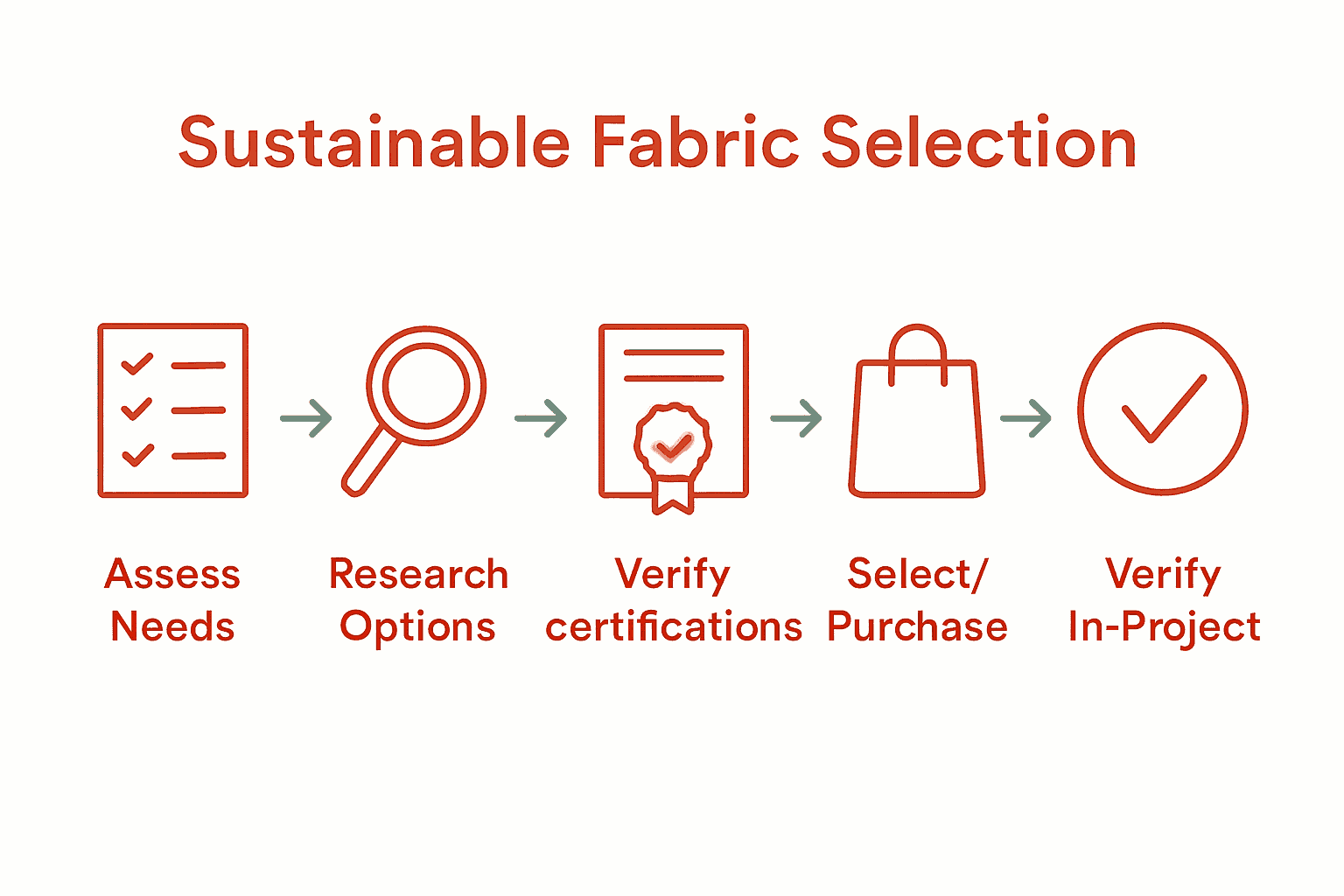
To assess your project’s sustainability needs, start by inventorying your current materials and production processes. Focus on factors like fabric origin, manufacturing practices, and waste generation to identify areas for improvement.
Consider fabric categories such as hemp, organic linen, bamboo, and recycled textiles for eco-friendly options. Research the environmental characteristics of these materials to identify which align with your sustainability goals.
Evaluate supplier certifications by researching comprehensive standards like Oeko-Tex and Global Organic Textile Standard. Create a checklist to document their certifications, scope, and validity to compare suppliers effectively.
When selecting fabrics, prioritize those with minimal environmental impact while meeting your project needs. Request sample swatches to assess quality and maintain a comparison matrix that tracks certification standards and sustainability metrics.
To verify fabric sustainability, develop a tracking system that evaluates fabrics based on water usage, carbon footprint, and recyclability. Utilize technologies like AI-driven textile analysis to enhance your assessment process and refine material choices accordingly.
Maintain detailed documentation of your fabric choices, including their sustainability metrics and your reasoning behind each selection. This creates a valuable reference for future projects and helps track improvements over time.