

 US Dollar

What Is Fabric Repeat and Why It Matters
Posted by BLG on 2026 Feb 2nd
Posted by BLG on 2026 Feb 2nd

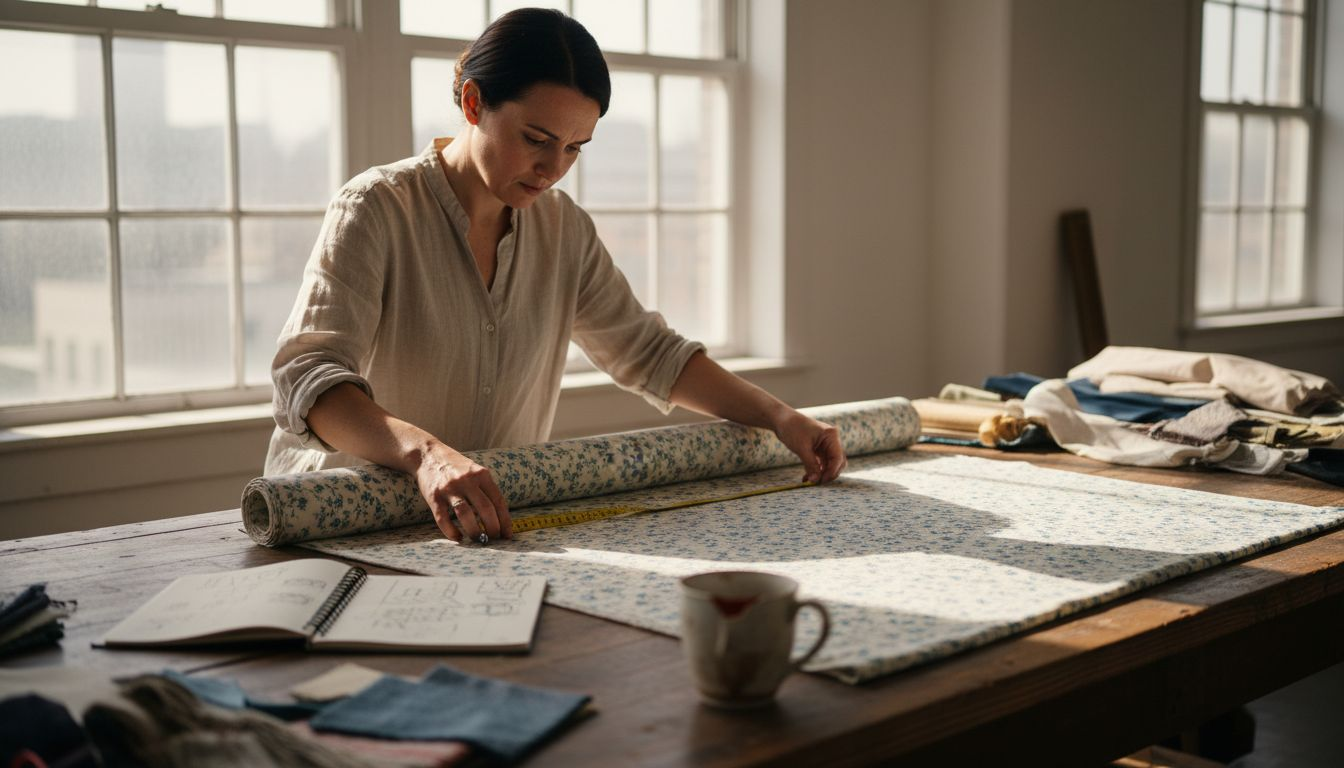
Selecting fabric for a new quilt or home decor project often means facing confusing patterns that never quite align the way you expect. For many American crafters, deciphering fabric repeat can be the difference between a seamless look and wasted material. Understanding how designs flow and repeat on fabric empowers you to make choices that suit your vision and reduce frustration. This guide breaks down common misconceptions and shows how repeat types affect your project from pattern matching to final appearance.
| Point | Details |
|---|---|
| Understanding Fabric Repeat | Fabric repeat is essential for design consistency in textiles, involving complex arrangements of patterns rather than simple repetition. |
| Types of Fabric Repeats | Different repeat styles such as straight, half-drop, brick, and mirror each serve specific aesthetic and functional purposes in design. |
| Impact of Repeat Size | The size of the fabric repeat significantly affects yardage requirements and design outcomes, necessitating careful planning for material usage. |
| Selecting Fabric Repeats | Choosing the right fabric repeat depends on project scale, intended use, and aesthetic harmony, requiring thorough evaluation before large purchases. |
Fabric repeat is a critical design concept in textile manufacturing that defines how a pattern or motif is arranged and reproduced across a fabric’s surface. At its core, repeated design arrangements ensure visual consistency and seamless pattern flow during textile production.
Understanding fabric repeat goes beyond simple repetition. It involves complex considerations about design placement, scale, and directionality. Many crafters and designers mistakenly assume that all fabric repeats must be perfectly symmetrical or uniform, when in reality, they can vary dramatically in complexity and style.
Common misconceptions about fabric repeat include:
Professional textile designers recognize that fabric repeat characteristics extend far beyond simple pattern reproduction. They carefully analyze how different repeat types will interact with cutting, sewing, and overall design composition. A sophisticated understanding of fabric repeat helps predict how patterns will align and appear in finished products.
Pro tip: Always measure and examine fabric repeat before starting a project to ensure your design elements will flow seamlessly and professionally.
Fabric repeat types are diverse and strategically designed to create visual harmony across textile surfaces. Textile design techniques reveal several distinctive repeat styles that professional designers utilize to achieve specific aesthetic and functional goals.
The primary fabric repeat styles include:
Each repeat style serves a unique purpose in textile production. Fabric layout techniques demonstrate how designers strategically choose repeat styles based on fabric type, intended use, and desired visual impact. For instance, a half-drop repeat can create a more dynamic and organic appearance compared to a standard straight repeat.
Professional textile designers carefully consider repeat placement and style to optimize fabric usage and pattern continuity. This involves analyzing how different repeat types interact with fabric cutting, sewing techniques, and overall design composition. Understanding these nuanced approaches helps predict how patterns will ultimately appear in finished garments or home textile products.
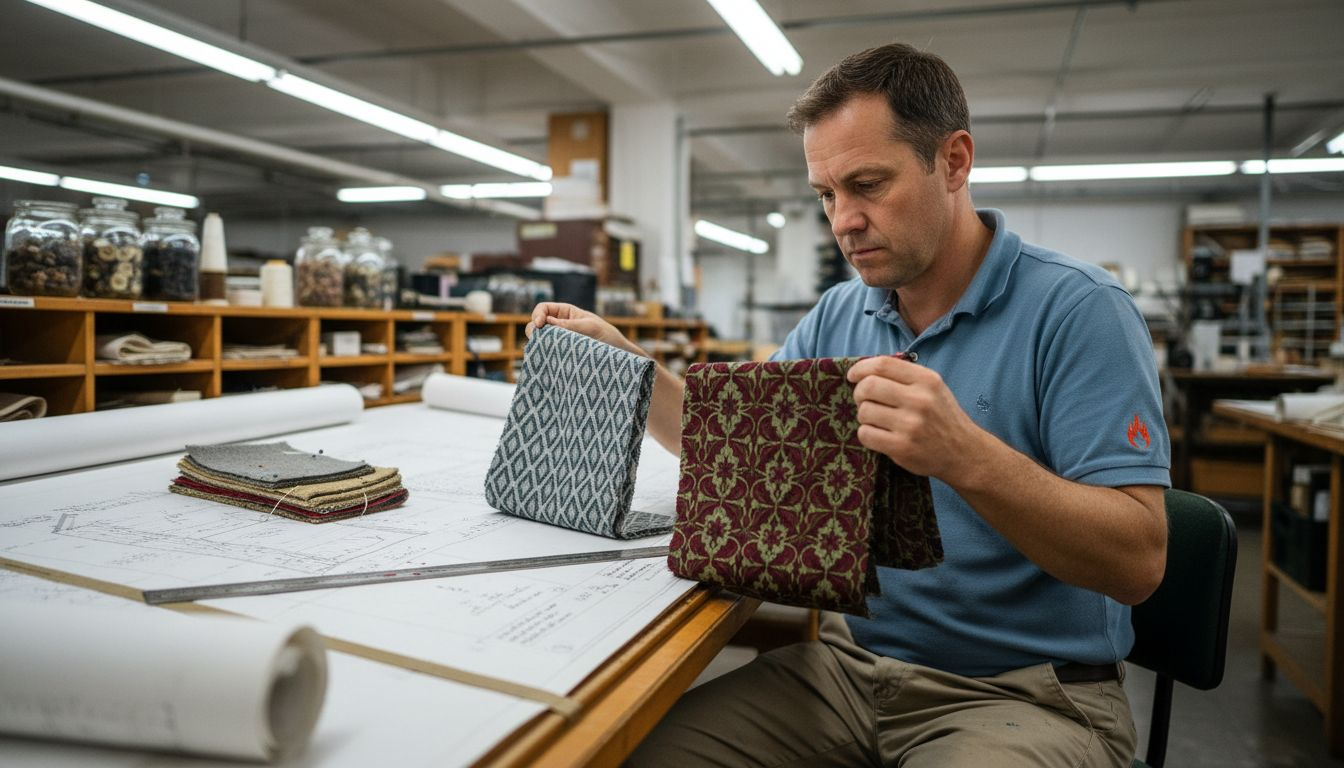
Pro tip: When selecting fabric, always examine the repeat style and size to ensure it matches your specific project requirements and design vision.
Below is a comparison of primary fabric repeat styles and their visual effects:
| Repeat Style | Pattern Alignment | Visual Impact | Common Uses |
|---|---|---|---|
| Straight Repeat | Direct side-by-side replication | Consistent, orderly appearance | Stripes, regular geometrics |
| Half-drop Repeat | Vertical stagger between units | Dynamic, less rigid look | Florals, organic designs |
| Brick Repeat | Horizontal offset (brick effect) | Balanced, contemporary feel | Tiles, modern motifs |
| Mirror Repeat | Flipped mirrored segments | Reflective, symmetrical style | Damask, baroque patterns |
Fabric repeat measurement requires precision and systematic approach to ensure accurate pattern alignment. Measuring textile dimensional changes involves specialized techniques that professional designers and manufacturers use to guarantee consistent design reproduction.
Step-by-step fabric repeat measurement process:
Professional textile experts emphasize the importance of measurement system reliability when determining fabric repeat dimensions. This involves using consistent measurement techniques and tools that can produce stable, reproducible results across different trials and operators.
Key considerations for accurate fabric repeat measurement include:
Pro tip: Always measure fabric repeat in multiple locations to account for potential variations and ensure the most accurate representation of the pattern.
Fabric repeat size plays a critical role in determining project requirements and design outcomes. Calculating fabric yardage needs involves understanding how pattern dimensions impact material consumption and visual aesthetics.
Key considerations for repeat size impact include:
Pattern layout techniques reveal that larger fabric repeats significantly increase material requirements. For example, a 12-inch pattern repeat might demand 25-40% more fabric compared to a 4-inch repeat when precise pattern alignment is necessary.
Designers and crafters must strategically plan fabric purchases by considering:
Pro tip: Always add an extra 10-15% fabric yardage when working with large pattern repeats to account for matching and potential cutting errors.
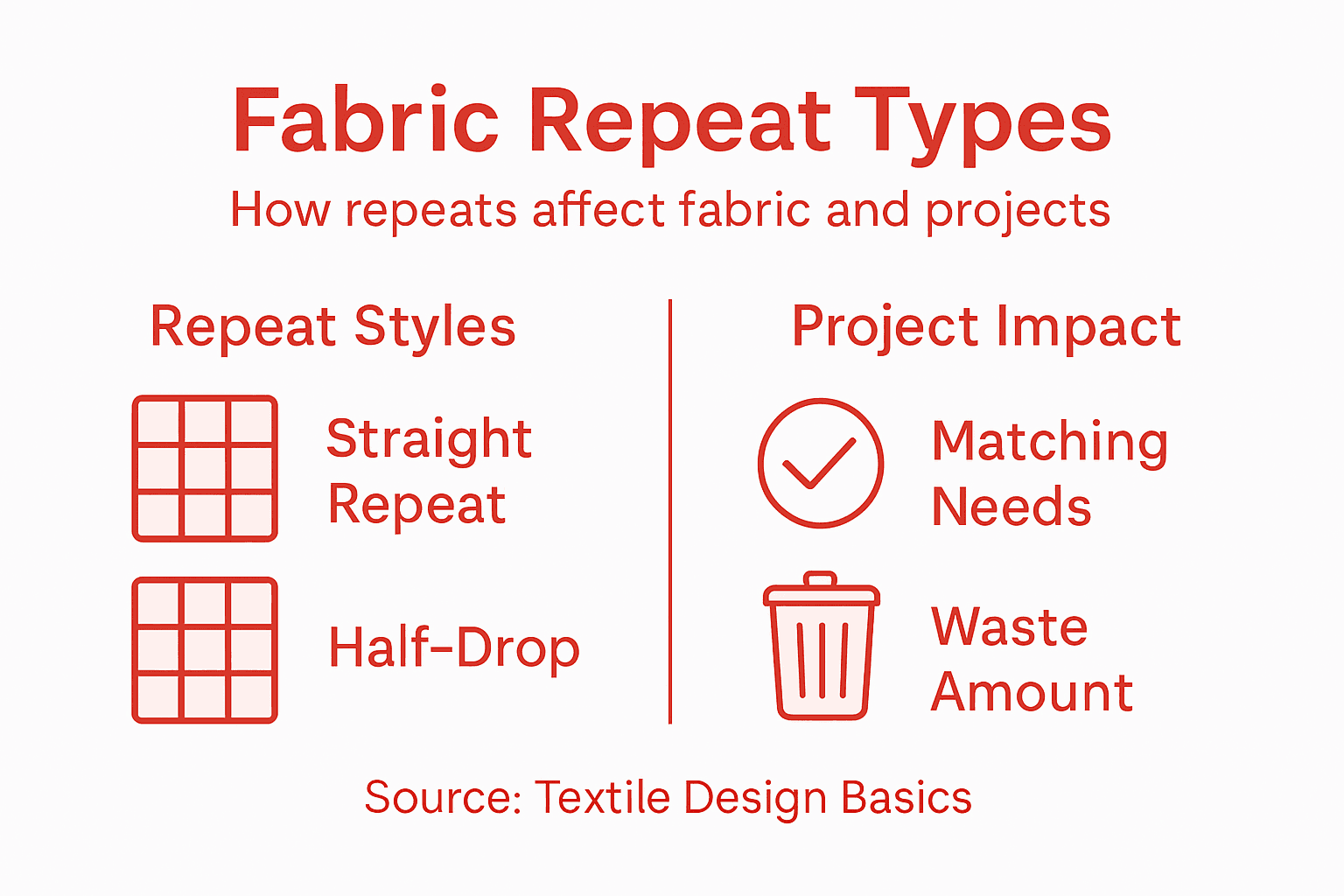
Here’s a summary of how repeat size influences fabric planning:
| Repeat Size | Matching Difficulty | Fabric Waste | Ideal Application |
|---|---|---|---|
| Small Repeat | Easy to align | Minimal | Quilts, small accessories |
| Medium Repeat | Moderate alignment | Some waste | Home decor, apparel |
| Large Repeat | Challenging to match | Significant | Feature walls, drapery |
Fabric repeat selection requires careful consideration of project scale and aesthetic goals. Quilting fabric strategies emphasize the importance of balance between pattern size and overall design harmony.
Key factors for selecting fabric repeats include:
Quilt design considerations reveal specific guidelines for repeat selection. Smaller repeats typically work best for intricate quilt designs, allowing easier pattern matching and piece alignment. In home decor, larger repeats can create bold statement pieces in spacious rooms, while smaller repeats provide subtle, sophisticated accents.
Professional designers recommend evaluating repeats through these strategic lenses:
Pro tip: Always create a small mock-up or layout before committing to a large fabric purchase to visualize how the repeat will actually appear in your final project.
Understanding fabric repeat is essential for anyone looking to create seamless, professional-looking designs in apparel, quilting, or home decor. Whether you are struggling with pattern alignment or trying to estimate fabric yardage, the challenges highlighted in “What Is Fabric Repeat and Why It Matters” show how vital it is to choose fabrics that fit your project’s specific repeat type and size. Without the right fabric, your carefully planned layouts can become frustrating and costly.

Discover how our extensive collection at Fabric-Fabric can simplify your selection process. We offer detailed product listings with clear descriptions that help you identify fabrics perfect for your design needs including seersucker, satin, lace, velvet, and sequins. Visit our site today to explore options tailored for quilting, home decor, or apparel projects. Don’t let fabric repeat challenges hold back your creativity. Shop now and take advantage of our seasonal sales and free shipping to get the ideal textiles for your work.
Fabric repeat refers to how a pattern or motif is arranged and reproduced on a fabric’s surface. It ensures visual consistency and seamless flow in textile production, involving factors like design placement, scale, and directionality.
Understanding fabric repeat is essential for designers as it impacts how patterns align in finished products. It helps in determining fabric usage, optimizing cutting techniques, and ensuring overall design composition flows harmoniously.
The primary types of fabric repeats include straight repeat, half-drop repeat, brick repeat, and mirror repeat. Each type has unique characteristics that affect the visual appearance and usage of the textile.
Larger fabric repeats require more material for matching, significantly increasing yardage needs. Understanding repeat size helps designers plan fabric purchases to ensure sufficient quantities for maintaining pattern continuity.