

 Canadian Dollars

Understanding What is Fabric Yardage for Professionals
Posted by BLG on 2025 Aug 26th
Posted by BLG on 2025 Aug 26th


Fabric yardage pops up in every corner of fashion and textiles and drives almost every design or manufacturing plan you see. Picture this. The average professional clothing manufacturer throws away up to 15 percent of fabric simply from cutting mistakes and planning errors. You might expect the measurement itself to be the main problem but the real story is about how knowing the right yardage can actually save money, reduce waste, and even support better business and a cleaner planet.
| Takeaway | Explanation |
|---|---|
| Understand fabric yardage measurements | Fabric yardage is measured in yards, with one yard equating to 36 inches or 0.9144 meters, ensuring consistency in the textile industry. |
| Accurate planning minimizes waste | Precise calculations of fabric yardage help reduce material waste by up to 15% during production, promoting sustainability in manufacturing processes. |
| Use standard techniques for measurement | Professionals should employ calibrated tools and standard tension during measurement to ensure accuracy across the textile industry. |
| Informed purchasing relies on labeling | Clear labeling of fabric yardage is required by regulations, helping consumers and professionals make informed decisions when purchasing material. |
| Material utilization impacts costs | Effective fabric yardage planning can improve economic efficiency by controlling production costs and minimizing surplus materials. |
Fabric yardage represents the fundamental measurement system used by professionals in textiles, fashion design, and manufacturing to quantify fabric length and purchase requirements. At its core, fabric yardage refers to the linear measurement of fabric sold by the yard, where one yard equals exactly 36 inches or 0.9144 meters.
In textile production and retail, fabric is typically sold in standard increments of yardage. This standardized approach allows designers, manufacturers, and consumers to accurately calculate material needs for various projects. According to the National Institute of Standards and Technology, the yard measurement has been precisely defined since 1959, ensuring consistent global understanding.
Professionals use fabric yardage for multiple purposes:
Fabric yardage serves as a critical metric across various sectors. In fashion design, a dress might require 2.5 yards of fabric, while an upholstery project could need 10 yards of material. Manufacturers and retailers use this measurement to standardize fabric sales, ensuring transparent and consistent transactions.
The Federal Trade Commission’s guidelines further regulate how fabric is sold, mandating clear labeling and measurement information. This ensures consumers and professionals can make informed purchasing decisions based on precise yardage specifications.
Whether you are a professional designer, hobbyist seamstress, or interior decorator, understanding fabric yardage is essential for successful project planning and material procurement.
Fabric yardage represents far more than a simple measurement in textile industries. It is a critical strategic component that directly impacts design precision, manufacturing efficiency, cost management, and environmental sustainability across multiple professional sectors.
In professional design environments, accurate fabric yardage calculations are fundamental to successful project execution. Designers must meticulously estimate material requirements to minimize waste, control production costs, and ensure optimal fabric utilization. According to the Fashion Institute of Technology’s curriculum, precise cut order planning and marker efficiency are essential skills in professional apparel manufacturing.
Key considerations for designers and manufacturers include:
Accurate fabric yardage planning extends beyond design considerations into significant environmental and economic domains. The textile industry generates substantial waste, with environmental data showing 17 million tons of textiles produced annually, underscoring the critical importance of efficient material management.
Professional textile practitioners recognize that precise yardage calculations can:
By understanding and implementing sophisticated yardage planning techniques, designers and manufacturers transform a simple measurement into a powerful tool for innovation, cost control, and environmental responsibility.
Measuring fabric yardage involves precise techniques that ensure accuracy and standardization across textile industries. Professionals utilize multiple methods to determine fabric length, width, and total material quantity with exceptional precision.
According to the National Institute of Standards and Technology, fabric yardage measurement follows rigorous standardized protocols. The fundamental unit remains one yard, equaling exactly 36 inches or 0.9144 meters, providing a consistent baseline for calculation.
Key measurement considerations include:
Textile professionals employ sophisticated calculation strategies to determine fabric requirements. These methods involve complex considerations beyond simple linear measurements, incorporating factors like fabric type, pattern complexity, and intended use.
Professional calculation approaches typically involve:
The National Institute of Standards’ Handbook 133 provides comprehensive guidelines for verifying measurement accuracy, ensuring that fabric yardage calculations meet stringent industry standards. By implementing these precise measurement techniques, designers and manufacturers can optimize material usage, reduce waste, and maintain high-quality production standards.
Fabric yardage encompasses more than simple linear measurement. It represents a complex system of understanding textile properties, manufacturing standards, and design requirements that professional practitioners must master.
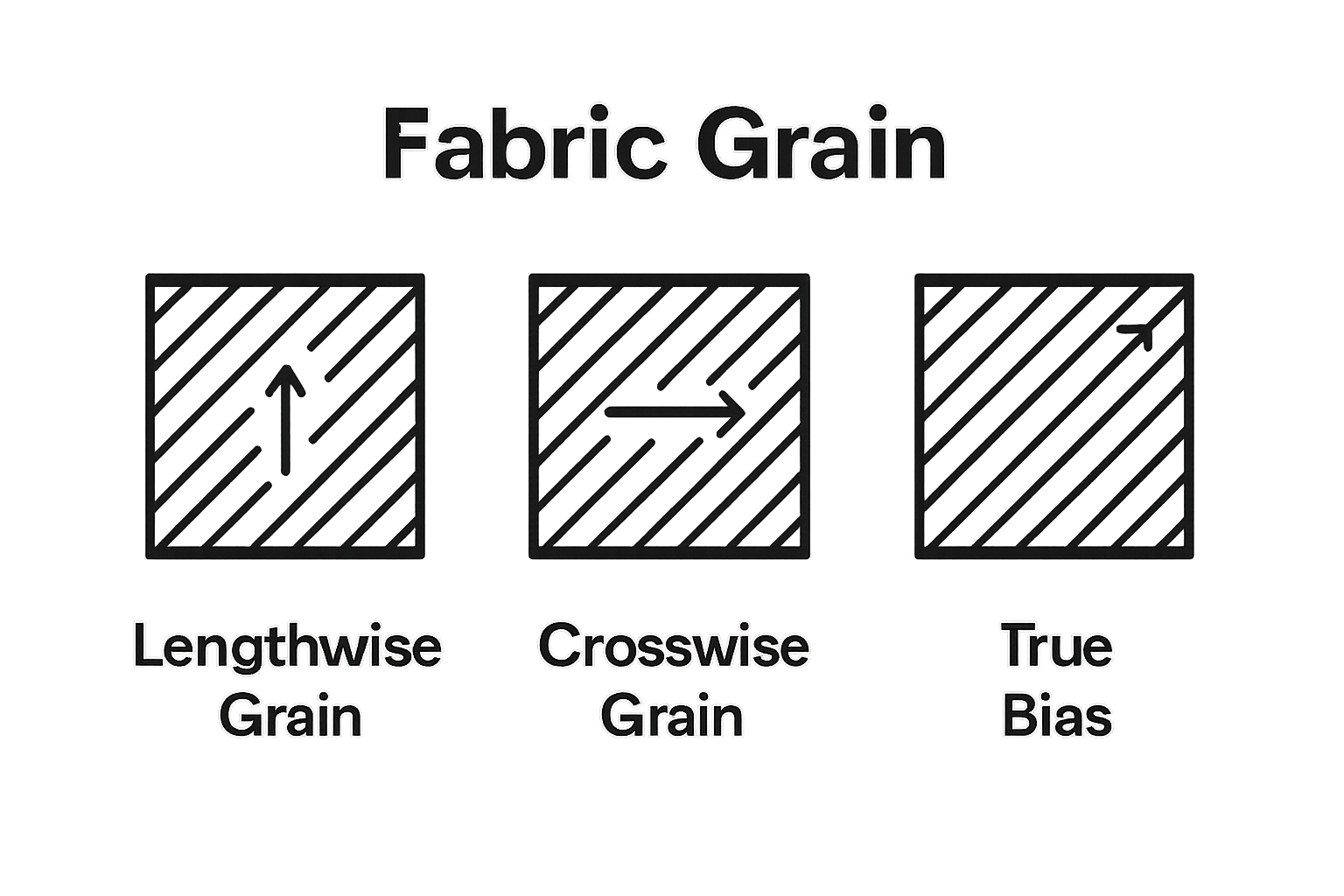
According to the University of Nebraska-Lincoln Cooperative Extension, understanding fabric grain is critical for effective yardage planning. Fabric grain refers to the direction of threads in woven textiles, which significantly impacts how material behaves during cutting and construction.
Key fabric grain types include:
Professional textile work requires absolute precision in measurement and unit conversion. The National Institute of Standards and Technology establishes exact conversion standards, defining one yard as precisely 0.9144 meters.
Critical conversion considerations include:
By comprehending these intricate concepts, textile professionals transform fabric yardage from a simple measurement into a sophisticated tool for design, production, and material management.
Fabric yardage transcends theoretical measurements, representing a critical component in sustainable manufacturing, economic efficiency, and environmental responsibility across multiple industries.
According to Louisiana State University’s Textiles program, professional apparel manufacturing typically discards 10-15% of initial fabric during cutting processes. This statistic underscores the profound economic and environmental implications of precise fabric yardage planning.
Key industrial applications include:
Environmental Protection Agency data reveals that 17 million tons of textiles were generated in 2018, with only 14.7% recycled. Sophisticated fabric yardage management represents a critical strategy for reducing textile waste and supporting sustainable manufacturing practices.
Significant sustainability considerations encompass:
This table presents important textile industry statistics related to fabric waste and sustainability mentioned in the article, helping professionals grasp the scale of material management challenges.
| Statistic | Value | Source/Context |
|---|---|---|
| Average fabric waste from cutting/manufacturing | 10-15% | Professional apparel manufacturing, LSU Textiles program |
| Annual U.S. textile production (2018) | 17 million tons | EPA data |
| Percentage of textiles recycled (2018) | 14.7% | EPA data |
| Waste reduction with precise yardage planning | Up to 15% | By minimizing errors and improving material management |
By understanding and implementing advanced fabric yardage techniques, industries can simultaneously address economic efficiency and environmental responsibility, transforming a seemingly technical measurement into a powerful tool for sustainable innovation.

Are you struggling to make precise fabric yardage calculations for your next professional project? Avoid wasted materials and missed deadlines by sourcing the exact fabrics you need. Our site offers an extensive selection of textiles—everything from specialized cotton and silk to durable velvet and polyester—catered for apparel, upholstery, and home decor applications. Professionals benefit from detailed product descriptions, clear measurements in yards, and options for both bulk and retail orders, addressing the challenges outlined in “Understanding What is Fabric Yardage for Professionals.”
Start exploring at https://fabric-fabric.com and discover how easy it is to find fabrics cut to your project’s specifications. Shop confidently with transparent pricing and expert guidance. Take action now to maximize every yard and let your next design excel in quality and efficiency.
Fabric yardage refers to the linear measurement of fabric sold by the yard, where one yard equals 36 inches or 0.9144 meters. It is essential for quantifying fabric length needed for various textile projects.
To calculate fabric yardage for a clothing project, measure the length and width of the fabric required, consider the complexity of the design and patterns, and factor in any fabric shrinkage or variations. Precise calculations minimize waste and ensure adequate material supply.
Understanding fabric grain is crucial because it affects how the material behaves during cutting and construction. The main types of fabric grain—lengthwise, crosswise, and true bias—impact the fit and drape of the final garment.
Improper fabric yardage planning can lead to significant waste in the textile industry, contributing to millions of tons of textile waste annually. Effective yardage management helps minimize this waste, supports sustainability efforts, and reduces the economic costs associated with excess material disposal.