

 US Dollar

Fabric Nap Explained: Why Direction Matters
Posted by BLG on 2026 Jan 8th
Posted by BLG on 2026 Jan 8th

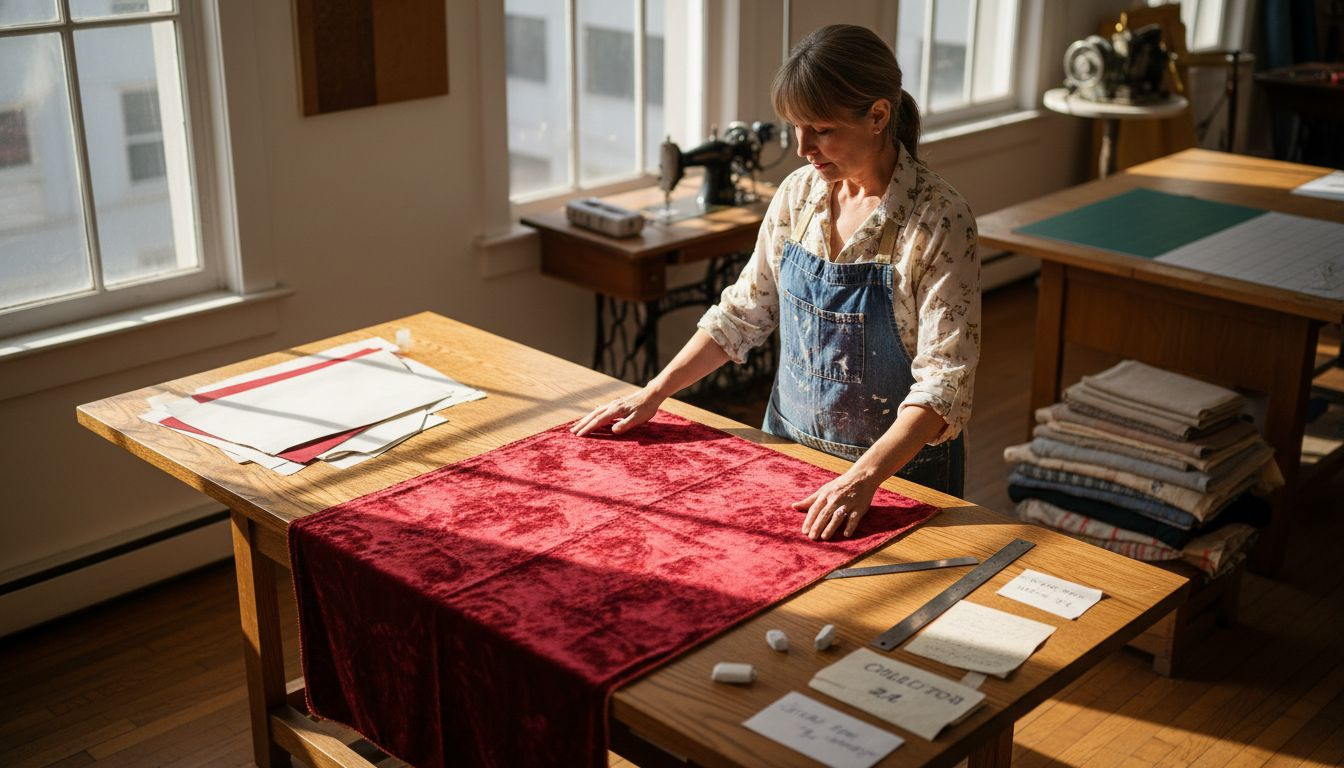
Most American home decor enthusiasts discover that even a minor fabric nap mismatch can make handcrafted pillows or throws look uneven. Understanding nap matters because it affects how colors shift and textures feel in every room. If you want smoother, more professional results for your sewing projects, grasping how nap works and using precise techniques transforms your fabric choices and elevates your finished pieces.
| Point | Details |
|---|---|
| Understanding Fabric Nap | Fabric nap affects both the appearance and texture of fabrics, making it essential for designers to align pattern pieces consistently. |
| Types of Napped Fabrics | Common napped fabric types include rough woven naps, piled naps, and raised naps, each offering unique textural experiences. |
| Cutting and Sewing Techniques | Proper cutting and sewing methods are crucial for maintaining the integrity of napped fabrics, with specific tools recommended to prevent texture distortion. |
| Common Mistakes | Misalignment of fabric nap can lead to noticeable visual inconsistencies; thorough preparation and testing can mitigate these issues. |
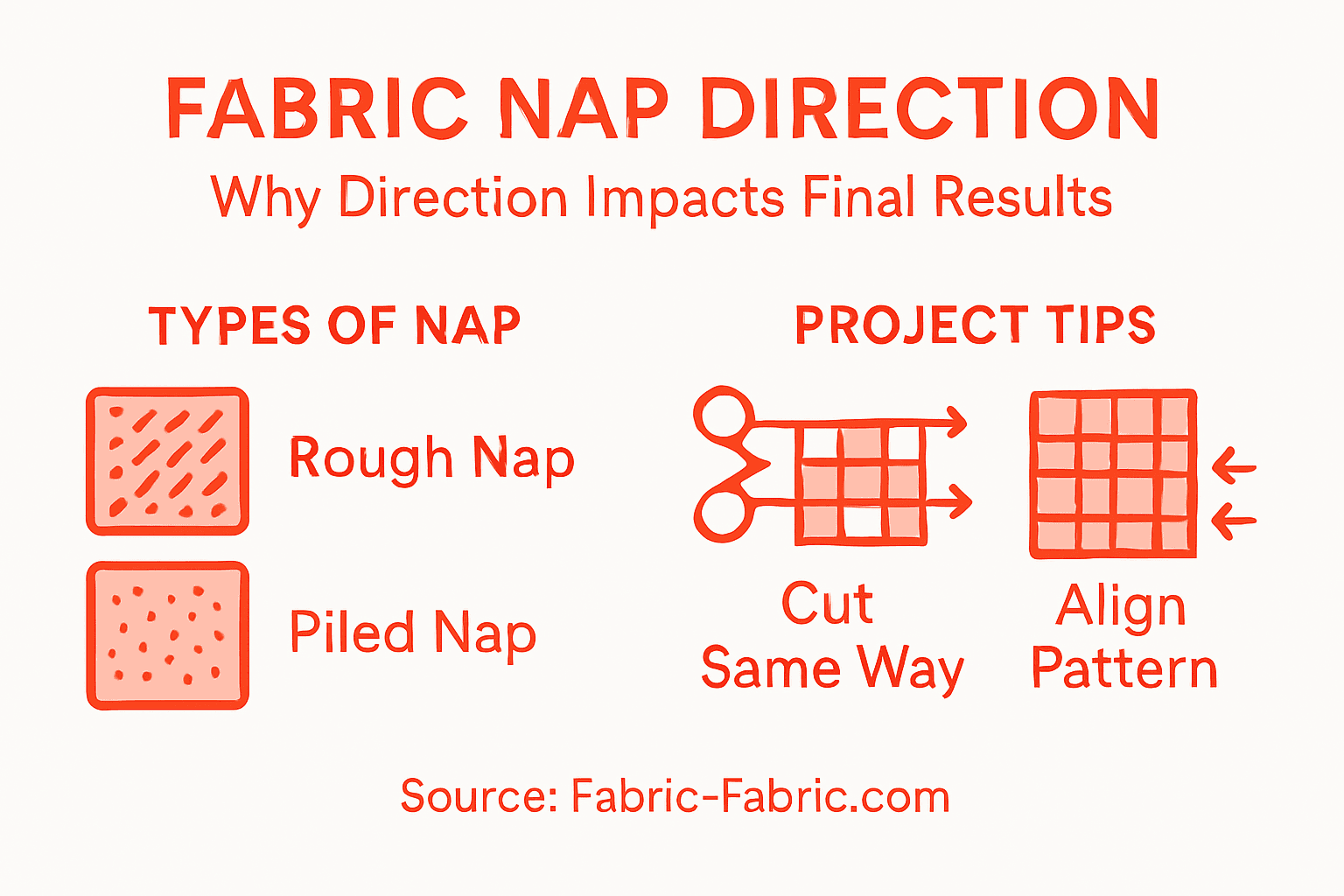
In textile manufacturing, fabric nap refers to the raised, fuzzy surface found on specific types of fabrics that creates a unique textural experience. Fabric finishing processes) involve raising fiber ends to generate surface texture, softness, and distinctive visual characteristics. This subtle yet crucial feature determines how a fabric looks and feels when touched from different angles.
Napped fabrics are characterized by fibers that lie in a specific direction, creating visual and tactile variations depending on orientation. Common examples include flannel, melton, serge, and brushed denim. The nap’s directionality means that when fabric pieces are cut and sewn together, careful attention must be paid to maintaining consistent fiber alignment to prevent noticeable color and texture variations.
Understanding nap is critical for sewists and designers because it significantly impacts the final appearance of a garment or home decor project. When cutting napped fabrics, all pattern pieces must be laid out in the same direction to ensure a uniform look. This means carefully tracking the fabric’s grain and ensuring that each section follows the same directional flow, preventing patches that appear lighter or darker based on fiber orientation.
Pro tip: Always mark the nap direction on pattern pieces with an arrow to guarantee consistent fabric alignment during cutting and assembly.
Fabric nap encompasses several distinct categories, with various fabric textures and finishing techniques creating unique surface characteristics. The primary types include rough woven nap, piled nap, and raised nap fabrics, each offering distinct visual and tactile experiences for designers and crafters.
Rough woven naps are created through shearing processes that smooth out fabric surfaces, while piled naps involve intricate weaving techniques that generate loops or raised surfaces. Classic examples of piled fabrics include velvet, velveteen, and corduroy. These fabrics feature extra yarns woven into the base material, creating a distinctive three-dimensional texture that catches light differently depending on the viewing angle.
Napped fabrics represent another fascinating category, with classic examples like flannel, melton, serge, camel’s hair, and brushed denim. These materials undergo specialized finishing processes that deliberately raise fiber ends, generating soft, warm textures perfect for winter clothing and cozy home accessories. Synthetic suedes and mohair also fall into this category, offering unique tactile experiences that blend traditional textile craftsmanship with modern material engineering.
Pro tip: When working with napped fabrics, always cut pattern pieces in the same direction to maintain a consistent visual appearance and prevent unexpected texture variations.
Here’s a quick comparison of common fabric nap types and their characteristics:
| Nap Type | Surface Texture | Example Fabrics | Best Uses |
|---|---|---|---|
| Rough Woven Nap | Smooth, subtle raised | Melton, serge | Outerwear, uniforms |
| Piled Nap | Deep, soft pile | Velvet, corduroy | Luxury garments, decor |
| Raised Nap | Soft, fuzzy surface | Flannel, brushed denim | Cozy clothing, bedding |
| Synthetic Nap | Even, engineered texture | Synthetic suede, mohair | Modern apparel, crafts |
Identifying fabric nap requires careful observation and tactile exploration. Textile experts recommend specific testing methods to determine whether a fabric has directional texture. The most straightforward technique involves folding the fabric right sides together and observing how the surface appears and feels when viewed from different angles.
To perform a comprehensive nap test, start by running your hand across the fabric surface in multiple directions. Napped fabrics will feel distinctly smoother when stroked in one specific direction, creating a noticeable difference in texture and sheen. Visual assessment is equally important. Hold the fabric under good lighting and tilt it slightly, watching how light reflects differently across its surface. A true napped fabric will show variations in color intensity and texture depending on the viewing angle.
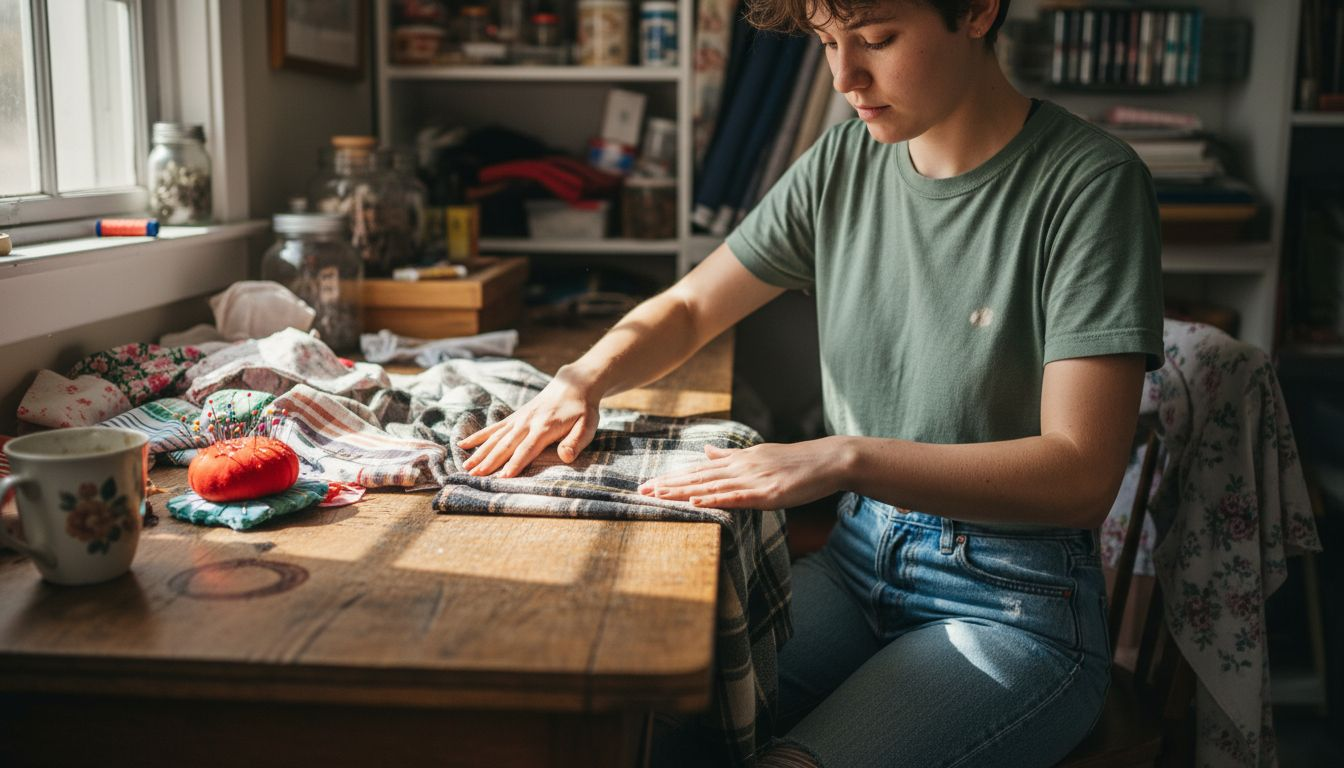
Professional sewists and designers use additional techniques to confirm nap direction. These include creating a small sample layout, cutting test pieces, and examining how pattern pieces interact when placed in different orientations. Some craftspeople recommend marking the nap direction directly on pattern pieces with an arrow, ensuring consistent fabric alignment throughout the cutting and sewing process. This method prevents unexpected color shifts and texture inconsistencies in the final garment or project.
Pro tip: Always purchase slightly more fabric than your pattern requires when working with napped materials, as the directional nature may demand more strategic cutting and layout.
Understanding the impact of nap direction is crucial for achieving professional-looking textile projects. Fabric texture fundamentally changes with directional alignment), creating significant visual and tactile variations that can make or break a design’s overall aesthetic. When pattern pieces are cut without considering nap direction, the result can be a garment with mismatched color intensities and inconsistent surface textures.
The most dramatic effects of nap direction manifest in light reflection and color perception. A single fabric piece can appear to change shade completely when pieces are oriented differently, creating an unintended patchwork effect. This phenomenon is particularly pronounced in fabrics like velvet, suede, and brushed denim, where raised fibers catch and reflect light in highly specific ways. Professional designers and sewists meticulously plan their cutting layouts to ensure that all pattern pieces follow the same nap direction, maintaining a uniform appearance.
Nap direction also impacts the functional performance of textile projects beyond mere aesthetics. Fabrics with consistent nap alignment demonstrate more even wear patterns, better durability, and improved structural integrity. Uneven nap can create unexpected stress points in garments, leading to premature fabric breakdown or unusual texture variations. This is especially critical in structured pieces like jackets, coats, and upholstery, where fabric behavior under movement and pressure can significantly influence the final product’s quality.
Pro tip: Create a small sample board with fabric nap direction marked to help visualize how light and texture will interact across your entire project before cutting the final pieces.
Successfully working with napped fabrics requires precision and specialized techniques. Professional sewing methods demand careful fabric handling to maintain the fabric’s unique textural qualities. Cutting napped materials begins with understanding directional grain and maintaining consistent fiber orientation across all pattern pieces, which prevents unexpected color variations and texture inconsistencies.
Sewing techniques for napped fabrics differ significantly from standard textile approaches. Specialized tools like walking feet, needle boards, and roller feet help prevent pile crushing and fabric shifting during construction. Stitch length should be slightly longer than typical, and presser foot pressure must be reduced to minimize fabric distortion. When possible, sewists should stitch in the same direction as the nap to ensure smooth, professional-looking results and prevent unwanted texture disruptions.
Cutting napped fabrics requires additional preparation and attention to detail. Pinning should occur within seam allowances to avoid leaving permanent marks on the fabric surface. For thick napped materials like faux fur or velvet, consider using pattern weights instead of pins to prevent pile compression. Marking nap direction with chalk or removable fabric markers helps maintain consistent orientation throughout the cutting and sewing process, ensuring a uniform appearance in the final garment or textile project.
Pro tip: Invest in a sharp, fresh needle appropriate for your specific napped fabric weight to minimize pile damage and achieve clean, professional stitching results.
The table below summarizes cutting and sewing tips for napped fabrics:
| Step | Key Consideration | Tool or Technique | Common Mistake |
|---|---|---|---|
| Cutting | Align nap direction | Pattern weights | Cutting against nap |
| Pinning | Avoid permanent marks | Pin in seam allowance | Pinning on fabric face |
| Sewing | Prevent pile crushing | Walking foot | Using short stitches |
| Marking | Show nap alignment | Chalk/markers | Fading or invisible lines |
Working with napped fabrics presents unique challenges that can derail even experienced sewists. Textile crafting requires strategic fabric management to prevent common pitfalls that compromise the final project’s quality. The most critical error is misaligning nap direction, which creates jarring visual inconsistencies and makes garments appear amateurish and poorly constructed.
Designers and home sewists frequently make mistakes when handling complex napped materials. Overly aggressive cutting techniques can crush delicate pile surfaces, while inappropriate seam finishes distort fabric texture and appearance. Thick napped fabrics like faux fur or velvet demand special attention, requiring lightweight facing materials, minimal decorative stitching, and strategic closure methods such as snaps or hand-sewn alternatives instead of traditional buttonholes.
Successful napped fabric projects rely on meticulous preparation and testing. Always create sample layouts and test sewing techniques on fabric scraps before committing to the final garment. Simple design silhouettes work best with napped fabrics, allowing the unique texture to become the focal point. Choosing appropriate needle sizes, reducing presser foot tension, and maintaining consistent stitch length are essential techniques that prevent fabric distortion and preserve the material’s inherent beauty.
Pro tip: Create a dedicated fabric swatch book documenting nap direction, recommended sewing techniques, and test results for different napped fabric types to build your technical expertise.
Crafting with napped fabrics like velvet, flannel, or brushed denim can be challenging because of the critical need to maintain consistent nap direction. The article highlights the frustration of misaligned nap causing uneven color and texture that spoil your project’s visual harmony. You want your garments or decor to radiate professional quality and lasting durability without the headache of guesswork or expensive mistakes.
At Fabric-Fabric.com, we understand those challenges and provide carefully described fabrics with clear details on texture and nap direction guidance. Whether you are searching for soft velvet for luxury apparel or cozy flannel perfect for winter wear, our extensive inventory combines quality with helpful usage insights.

Explore our selection today and experience how precise fabric choice and reliable descriptions can transform your sewing projects. Don’t risk costly errors — shop at Fabric-Fabric.com now and gain access to premium textiles designed to align perfectly with your creative vision. Start your successful fabric nap journey here and bring your ideas to life with confidence.
Fabric nap refers to the raised, fuzzy surface on certain fabrics that affects their texture and visual qualities. Understanding fabric nap is essential for sewists and designers as it impacts the final appearance and feel of garments and home decor projects.
To identify fabric nap direction, fold the fabric right sides together and feel how the texture changes when stroked in different directions. Napped fabrics will feel smoother in the direction of the nap.
When cutting napped fabrics, always lay out pattern pieces in the same direction as the nap. Use pattern weights instead of pins to avoid crushing the pile and mark the nap direction with chalk to maintain consistent orientation.
Common mistakes include misaligning the nap direction, cutting against the nap, and using aggressive cutting techniques that crush the fabric’s surface. Always test sewing techniques on scraps and choose simple designs that showcase the fabric’s unique texture.