

 US Dollar

Sofa Fabric Types: A Homeowner's Practical Guide
Posted by BLG on 2026 Aug 9th
Posted by BLG on 2026 Aug 9th

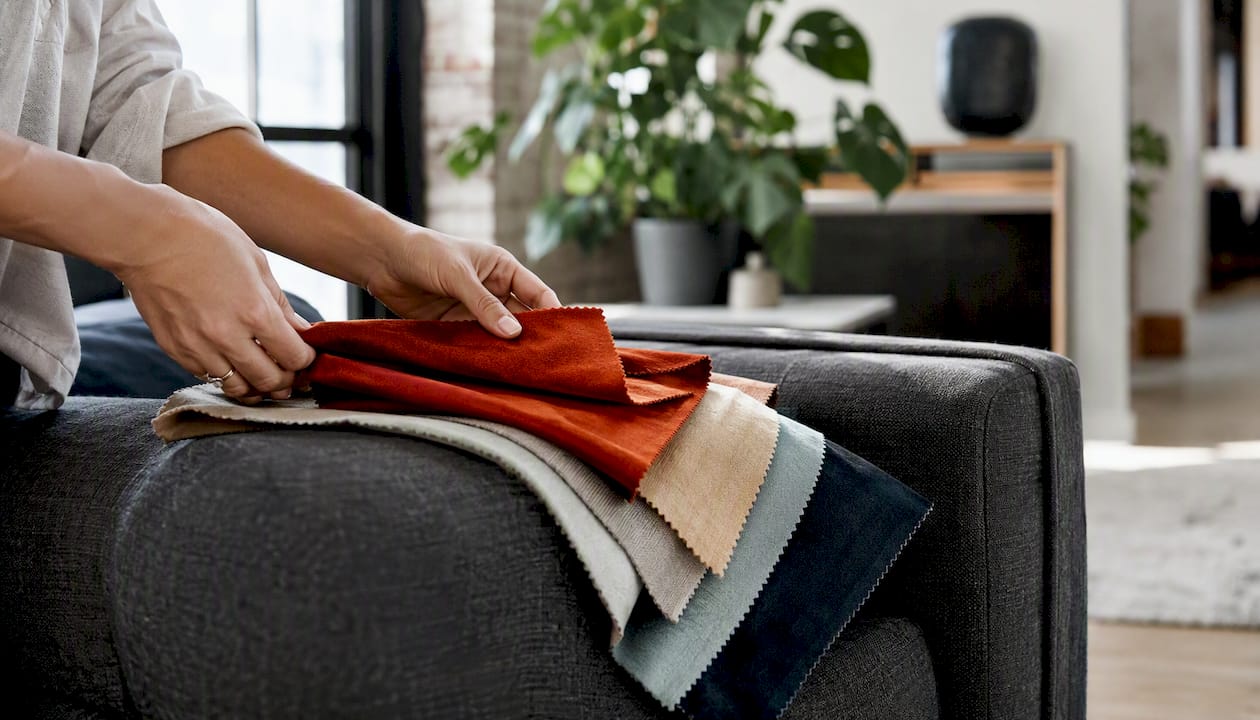
Performance synthetics, tight-woven synthetics, leather, and natural fibers are the four fabric families worth your attention when shopping for a sofa. For most households, the right choice comes down to one question: how hard will this couch actually work?
Choosing the right sofa fabric means matching fiber performance to your household’s actual daily demands, not just the room’s aesthetic.
| Point | Details |
|---|---|
| Prioritize performance for pets and kids | Performance fabrics and protected leather resist spills and claws better than any natural fiber. |
| Check rub counts for high-traffic sofas | Heavy-duty use needs fabrics rated for high durability; contract-grade fabrics exceed 30,000–100,000. |
| Test swatches in your own lighting | Spend 48 hours with a large swatch in the actual room before committing to a fabric. |
| Mid-tones hide wear best | Multi-tone weaves and mid-tone colors conceal everyday marks better than white or solid black. |
| Fabric-fabric for upholstery yardage | Browse the backdrop fabrics collection for upholstery-weight textiles sold by the yard with full fiber specs. |
Sofa upholstery fabrics fall into three practical buckets: natural fibers, standard synthetics, and engineered performance textiles. Leather sits in its own category. Each group makes a different trade-off between looks, durability, and how much maintenance you’re willing to do.
| Fabric family | Durability | Stain resistance | Typical cost | Best use case |
|---|---|---|---|---|
| Natural fibers (cotton, linen, wool) | Moderate | Low to moderate | Moderate to high | Formal, low-traffic rooms |
| Standard synthetics (polyester, nylon, olefin) | High | Moderate to high | Low to moderate | Family rooms, everyday use |
| Performance/engineered textiles | Very high | Very high | Moderate to high | Pets, kids, high-traffic spaces |
| Leather (full-grain, top-grain, bonded) | Very high | High (protected grades) | High | All households; especially easy-clean |
Quick decision triggers before you read further:
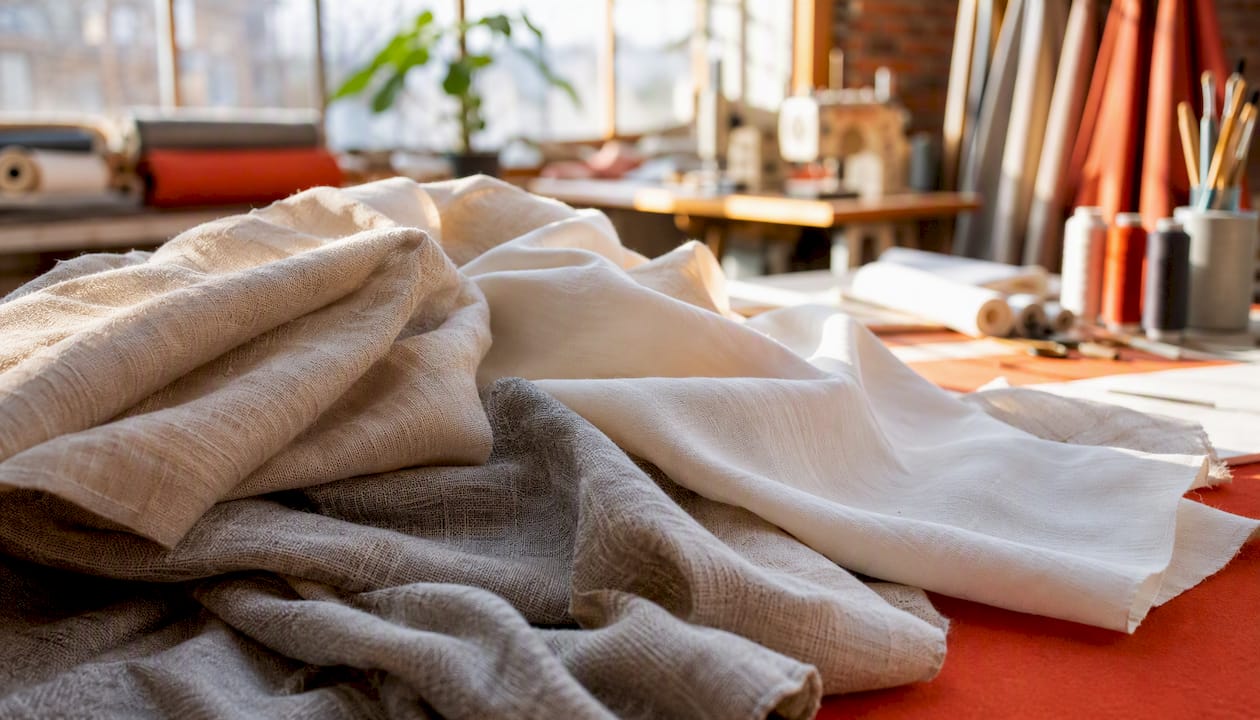
Cotton
Cotton is woven from natural plant fibers, which makes it breathable, soft, and comfortable year-round. According to The Spruce, cotton is reasonably durable but absorbs liquids and can pill over time. It takes dye well, so color options are wide.
Linen
Linen is a natural bast fiber with a crisp, relaxed texture that gets softer with age. It breathes well in warm climates. The trade-off is that it wrinkles readily and can set stains if you don’t act fast, a point The Spruce flags consistently.
Wool
Wool is naturally resilient and flame-resistant, with a texture that hides wear well. It’s warmer than cotton or linen, which makes it a good choice for cooler climates or rooms that don’t get direct sun.
Velvet
Traditional velvet is cut-pile fabric, often made from cotton, silk, or viscose. It’s rich-looking and soft, but the pile can crush and mark easily. For a more practical take, Hudson’s Furniture notes that performance velvet made from polyester offers durability significantly higher than natural velvets, offering the plush look with meaningfully better durability and stain resistance than natural velvets.
Chenille
Chenille has a caterpillar-like pile that feels soft and looks textured. It’s heavier than most wovens and tends to hold its shape well on seat cushions. The pile can snag on pet claws, though.
Bouclé
Bouclé is a looped-yarn fabric with a nubby, textured surface. It’s had a strong design moment in recent years. The loops catch pet claws and lint, so it’s better suited to low-traffic, pet-free rooms.
Polyester
Polyester is the workhorse of sofa upholstery. It resists fading, holds its shape, and is easy to clean. On its own it can feel slightly plasticky, but blended with natural fibers it mimics the look of cotton or linen at a fraction of the price.
Nylon
Nylon is one of the toughest synthetic fibers available. It resists abrasion better than most fabrics, which is why it shows up in contract and commercial upholstery. It’s rarely used alone on residential sofas but often blended with other fibers to add strength.
Microfiber
Microfiber is made from ultra-fine polyester or polyamide fibers woven into a tight structure. That tight weave is what makes it work: liquids bead on the surface rather than soaking in. The Spruce points out that microfiber repels liquids, resists staining, and vacuums clean easily, which is why it’s consistently recommended for households with kids and pets.
Rayon/Viscose
Rayon (also called viscose) is a semi-synthetic fiber made from wood pulp. It drapes beautifully and has a slight sheen, but it’s not built for hard use. It weakens when wet, which makes spills a real problem.
Olefin (polypropylene)
Olefin is a solution-dyed synthetic fiber, meaning the color is baked into the fiber itself rather than applied on the surface. This makes it highly fade-resistant and easy to clean with diluted bleach solutions. It’s commonly used in outdoor furniture and increasingly in indoor performance upholstery.
Acrylic
Solution-dyed acrylic (the fiber type used in Sunbrella-style fabrics) is engineered for UV resistance and moisture management. It’s the go-to for covered outdoor seating and sunrooms. Indoors, it offers excellent fade resistance and durability.
Full-grain and top-grain leather
Full-grain leather uses the entire hide surface and develops a patina over time. Top-grain leather is sanded and finished, which makes it more uniform and slightly more stain-resistant. StitchDesk’s upholstery guide notes that top-grain and full-grain leathers are exceptionally durable and can last decades with proper care, with protected/pigmented grades recommended for family use.
Bonded leather and faux leather (PU vinyl)
Bonded leather is made from leather scraps bonded to a backing. It looks like leather but peels and cracks within a few years. PU vinyl (faux leather) is more consistent and better for budget shoppers who want a wipe-clean surface without the full leather price.
Performance fabrics are engineered to resist stains and heavy wear. The key distinction is where the protection lives. Standard fabrics get a surface treatment applied after weaving, which wears off over time. True performance fabrics use solution-dyed fibers, where color and protective properties are built into the fiber itself before weaving begins. That means the protection doesn’t wash out or abrade away.
Practical benefits you get with a genuine performance textile:
Pro Tip: Solution-dyed acrylic fabrics (the type used in outdoor furniture) work extremely well indoors in sunrooms or south-facing rooms. They handle UV exposure and moisture better than most indoor-only performance fabrics, and many are bleach-cleanable.
One caveat worth knowing: Wirecutter points out that manufacturers sometimes label fabrics as “performance” without sharing specific rub counts or treatment details. Always ask for the fiber content and rub count before buying. A fabric marketed as performance with no supporting data is just marketing.
Start with use case, not aesthetics. The most common mistake is falling in love with a color or texture before asking whether the fabric can handle your household. Work through this checklist first:
Questions to ask a retailer or upholsterer before buying:
Red flags: No swatches available, cleaning code not listed, rub count unavailable, or a salesperson who can’t tell you the fiber content. These gaps make it impossible to compare fabrics objectively and often signal lower-quality goods.
For a deeper look at choosing the best sofa fabrics for your specific situation, Fabric-fabric’s practical guide walks through decision criteria room by room.
The single most important rule: act within the first 60 seconds of a spill. Blot (never rub) with a clean white cloth, lifting the liquid rather than spreading it. Rubbing pushes the stain deeper into the fiber and can damage pile fabrics permanently.
Basic cleaning rules by fabric family:
What not to use:
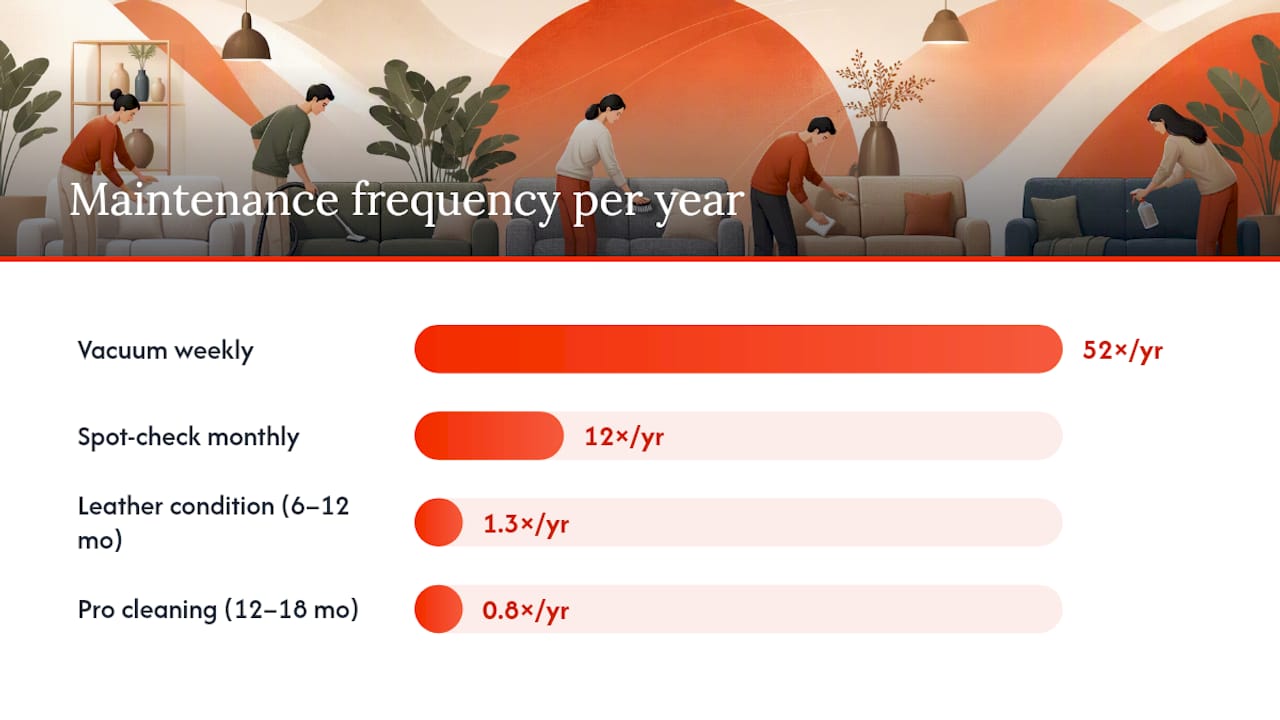
Maintenance schedule:
Pro Tip: Before using any cleaner on a new sofa, test it on a hidden seam or the underside of a cushion. Wait 10 minutes and check for color change, shrinkage, or texture damage. This one step prevents most cleaning disasters.
If you have pets, keeping furniture clean requires a slightly different routine: vacuum more frequently, use a lint roller on pile fabrics, and consider a washable slipcover for the highest-traffic seat.
Fabric grade is a retail pricing and quality tier system used by furniture manufacturers and upholstery suppliers. Higher grades generally mean better fiber quality, tighter weaves, and longer-lasting construction, though the exact scale varies by manufacturer. The more objective measure is the rub count.
Wyzenbeek vs. Martindale:
Practical duty thresholds (Wyzenbeek double rubs):
Performance and commercial fabrics deliver very high abrasion resistance suitable for heavy use, which translates to years of daily use before visible wear appears. A family room sofa with a 10,000 double-rub fabric will show wear noticeably faster than one rated at 40,000.
| Duty level | Wyzenbeek double rubs | Typical use case |
|---|---|---|
| Light | Under 9,000 | Decorative, low-use seating |
| Medium | 9,000–15,000 | Guest rooms, occasional use |
| Heavy | 15,000–30,000 | Daily family room sofas |
| Contract/performance | 30,000–100,000+ | Pets, kids, commercial spaces |
Always ask for the rub count on a spec sheet before purchasing. A fabric with no listed rub count is a fabric the manufacturer doesn’t want you to compare.
The choice between leather and textile upholstery comes down to how you live in your home, not which looks better in a showroom.
Leather strengths:
Leather weaknesses:
Fabric strengths:
Fabric weaknesses:
Who should choose leather: Households with dogs, anyone who wants a wipe-clean surface, buyers who prioritize longevity over softness, and people with dust allergies. Protected/pigmented leather is the practical choice for families, since it resists spills better than aniline-finished hides.
Who should choose fabric: Anyone who wants maximum color and texture options, households in cold climates where leather feels uncomfortable, and shoppers working with a moderate budget who still need durability.
Faux leather note: PU vinyl is a legitimate budget alternative for wipe-clean convenience. Bonded leather, however, peels within a few years and is worth avoiding entirely regardless of price.
Color and pattern choice matters more than most shoppers realize. Industry guidance consistently points to mid-tone colors and multi-tone weaves as the best at hiding everyday wear, pet marks, and minor staining. Pure white shows everything; solid black shows every hair and dust particle. A warm gray, taupe, or heathered weave sits in the sweet spot.
How to test swatches properly:
Pro Tip: Upholstery guides recommend testing swatches in home lighting for 48 hours before committing. A fabric that looks perfect in a showroom’s warm lighting can read completely differently under your living room’s daylight or LED bulbs.
Pet-specific fabric hacks:
For guidance on how fabric texture affects upholstery wear and appearance over time, Fabric-fabric’s texture guide covers pile height, weave structure, and what each means for long-term performance.
For a style-and-comfort balance that doesn’t sacrifice one for the other, it’s worth reading through the practical framing before you finalize a fabric choice.
The most common error I see is choosing a fabric based purely on how it photographs. Someone falls for a cream bouclé or a sage linen on a design blog, orders the sofa, and within six months they’re covering it with throws because it shows every mark. The fabric was never wrong for the look. It was wrong for the life.
The fix is simple but requires patience: bring home swatches before you commit to anything. Not the little 2-inch square the showroom hands you. Get a proper swatch, large enough to drape over your cushion, view it in your actual room lighting at different times of day. Sleep on it for 48 hours. Sit on it. Let the dog near it. That’s the only test that matters.
Cleaning codes are the other thing people skip. A sofa tagged “S” (solvent-only cleaning) in a household with kids is a maintenance nightmare waiting to happen. Check the code before you buy, not after the first spill.
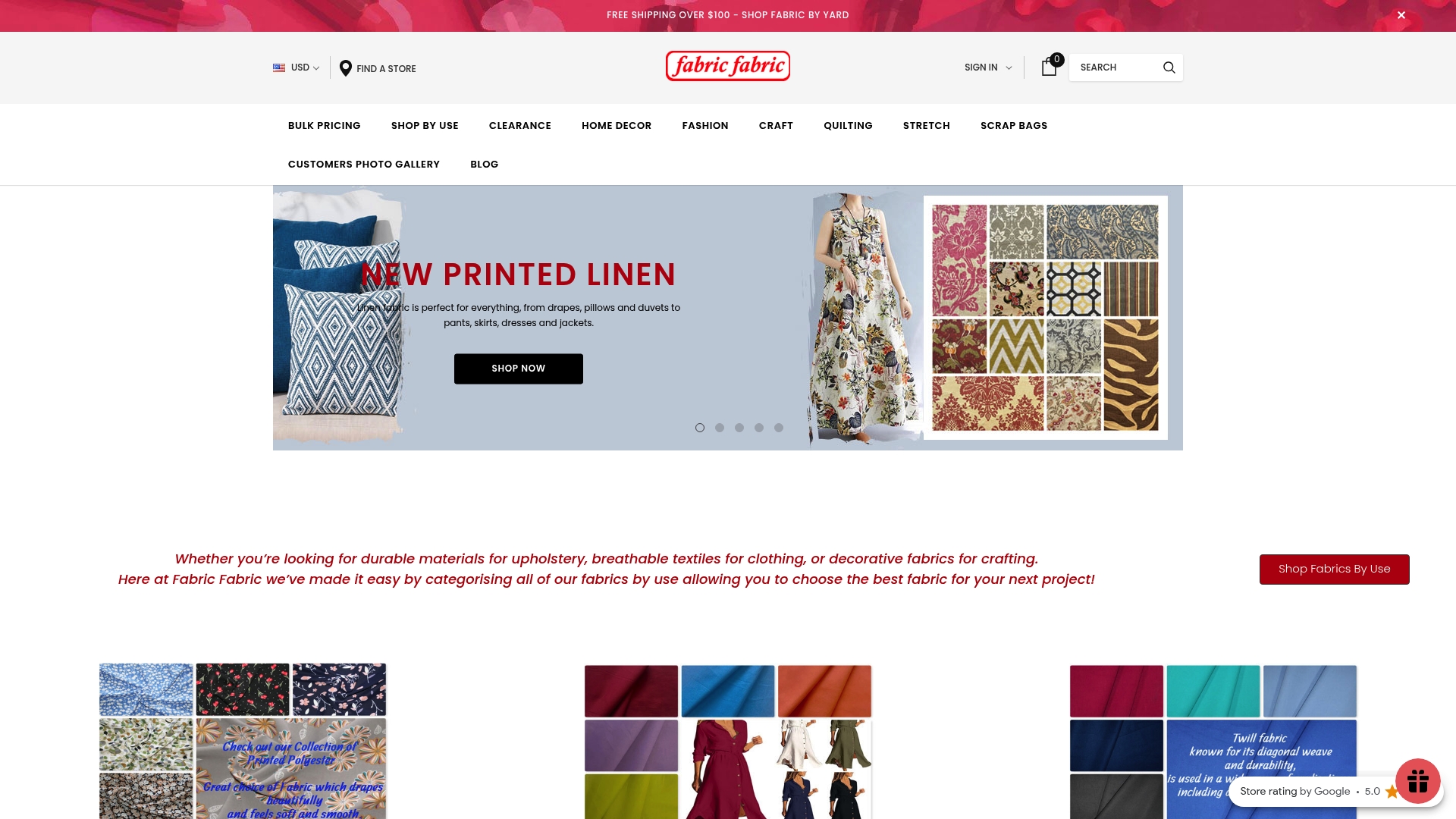
Fabric-fabric carries upholstery-weight textiles sold by the yard, with detailed product pages that list fiber content, weight, and recommended uses so you know exactly what you’re ordering. Whether you’re reupholstering a sofa yourself or sourcing material for a custom build, the backdrop fabrics collection gives you a range of options from everyday polyester blends to heavier woven textiles suited for high-traffic seating. Swatches are available on select products, and the site’s category filters let you sort by fabric type and intended use. Browse the collection, request swatches on the fabrics that interest you, and compare them in your own room before placing a full order.
These are the primary sources used to build the recommendations in this guide, each worth bookmarking if you want to go deeper on a specific topic.