

 US Dollar

7 Decorative Trim Ideas for Stunning Home and Fashion Projects
Posted by BLG on 2025 Dec 19th
Posted by BLG on 2025 Dec 19th

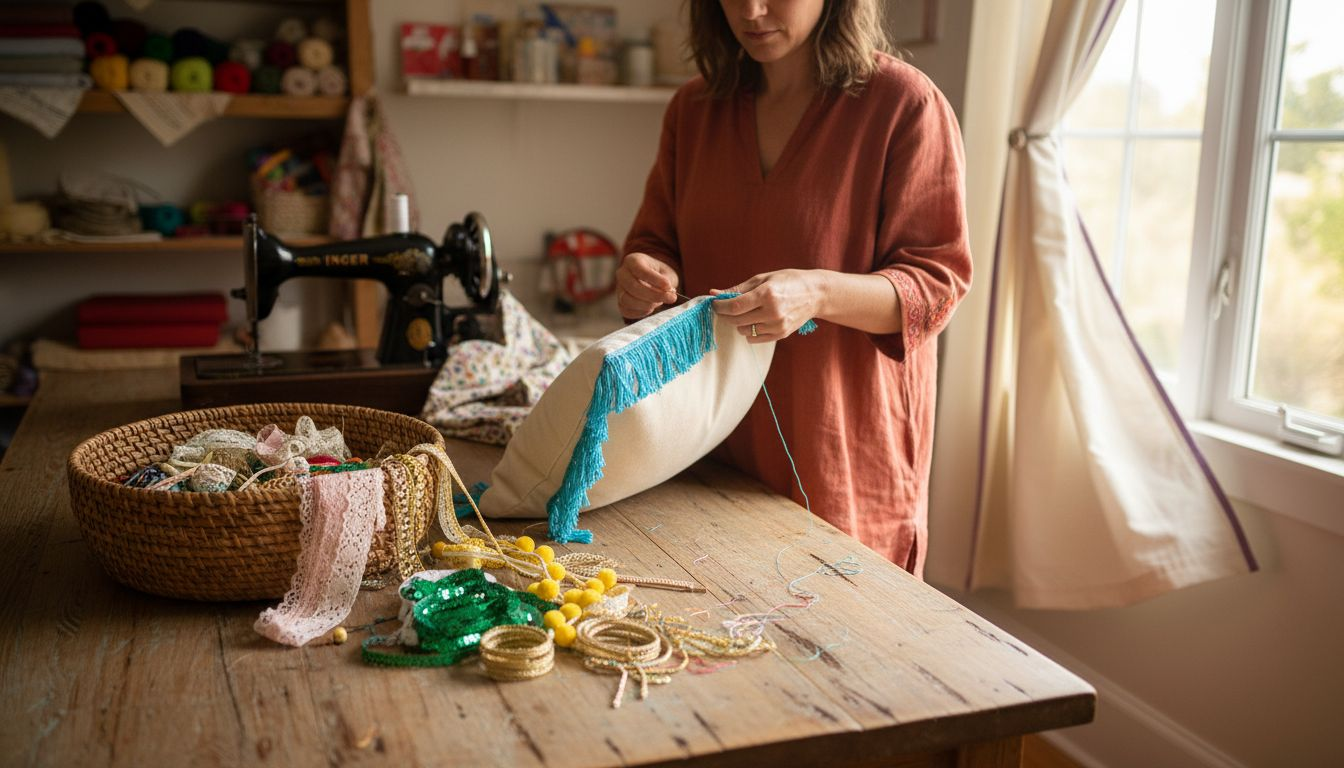
Over 60 percent of American DIY enthusiasts say that decorative trims are the secret to giving their creations a professional finish. Whether you are updating home decor or customizing fashion pieces, the right trim can transform your project from simple to outstanding. This guide explores how adding details like tassels, lace, piping, appliqué, sequins, pom poms, and bias tape can enhance texture, style, and individuality in every handmade piece.
| Takeaway | Explanation |
|---|---|
| 1. Use Decorative Trims for Texture | Incorporate tassels, fringe, lace, or ribbon to enhance movement and visual interest in projects. |
| 2. Select the Right Trim for Fabrics | Choose trims based on material weight and project purpose for optimal results. |
| 3. Personalize with Appliqué | Use fabric appliqués to add unique designs and character to your creations. |
| 4. Add Glamour with Beads and Sequins | Incorporate beaded or sequin trims to create luxe, eye-catching focal points. |
| 5. Finish with Bias Tape for Professionalism | Apply decorative bias tape to seam edges for durability and polished appearance. |
Tassel and fringe trims are the secret weapons of design that transform ordinary projects into extraordinary masterpieces. These decorative elements add movement, visual interest, and sophisticated texture to both home decor and fashion accessories.
Historically, passementerie techniques have celebrated the artistry of tassels and fringe, showcasing their versatility across different creative domains. Whether you are working on a throw pillow, a jacket, or a wall hanging, these trims can instantly elevate your design from basic to breathtaking.
When incorporating tassel and fringe trims, consider their weight, color, and material. Silk fringes create elegance, while wool tassels bring warmth. Metallic trims add glamour, and cotton fringes provide a relaxed bohemian feel. The key is matching the trim to your project’s overall aesthetic and intended mood.
For home projects, try adding fringe to curtain edges, pillow borders, or lampshade bottoms. In fashion, consider attaching tassels to handbag straps, jacket hems, or creating statement jewelry. The movement and texture these trims provide create visual drama and professional finishing.
Pro tip: Always purchase slightly more trim than you think you will need, as precise measurement and potential design adjustments can require extra material.
Lace and ribbon edges represent timeless embellishment techniques that instantly transform ordinary projects into sophisticated creations. These delicate trims add refinement and intricate detail to both fashion and home decor items.
Decorative edge treatments offer remarkable versatility in textile design, allowing crafters to elevate simple fabrics with elegant touches. Whether you are working with lightweight cotton, sturdy denim, or delicate silk, lace and ribbon edges can dramatically enhance the overall aesthetic.
For fashion applications, consider adding narrow lace trim to sleeve hems, necklines, or dress borders. In home decor, ribbon edges can transform plain curtains, pillow covers, and tablecloths into luxurious statement pieces. The key is selecting trims that complement your base fabric in both color and texture.
When applying lace or ribbon edges, pay attention to width and weight. Narrow, delicate trims work best on lightweight fabrics, while wider, more substantial trims suit heavier materials. Hand sewing allows for precise placement, but modern sewing machines with specialized attachments can also create professional results.
Pro tip: Always pre wash and press both your trim and base fabric before attaching to prevent uneven shrinkage or warping after the first cleaning.
Piping and cording are precision design techniques that transform ordinary projects into professional looking masterpieces. These subtle yet powerful decorative trims create crisp definition and visual interest across fashion and home decor applications.
Decorative trims like piping play a crucial role in defining style lines and enhancing aesthetic appeal, offering designers a sophisticated method of adding structure and visual complexity. Piping works by creating a raised, corded edge that draws the eye and emphasizes specific design elements.
In clothing design, piping can outline jacket lapels, highlight seams on tailored shirts, or accentuate pockets with a professional finish. For home decor, consider adding piping to throw pillow edges, chair cushions, or curtain borders to create a polished, intentional look. The key is selecting cord thickness and fabric color that complement your base material.
When working with piping, pay attention to fabric weight and trim width. Lightweight fabrics pair best with thin, delicate cording, while heavier materials can support thicker, more substantial trims. Precision is critical when sewing piping to maintain clean, sharp lines that elevate your project.
Pro tip: Always use a zipper foot when sewing piping to ensure tight, clean edges and maintain the trim’s dimensional quality.
Fabric appliqué trims represent an artistic technique that transforms ordinary surfaces into personalized, visually compelling spaces. These decorative elements allow crafters to add unique character and storytelling potential to both home decor and fashion projects.
Exploring creative fabric application methods can dramatically enhance design aesthetics through strategic placement and thoughtful material selection. Appliqué involves attaching one fabric piece onto another, creating intricate designs that reflect personal style and creative vision.
In home decor, consider applying fabric appliqué trims to throw pillows, curtain edges, lampshades, or even plain upholstered furniture. For fashion applications, appliqué can elevate simple garments by adding botanical motifs, geometric patterns, or meaningful cultural symbols to jackets, bags, or accessories.
Successful appliqué requires careful fabric selection and precise application techniques. Choose lightweight fabrics with minimal fraying for intricate designs, and heavier fabrics for bold, statement appliqués. Use fusible interfacing to stabilize delicate fabrics and ensure clean, professional looking edges.
Pro tip: Always pre wash and press both your base fabric and appliqué material to prevent uneven shrinkage and ensure a smooth, polished final result.
Beaded and sequin trims represent a luxurious approach to transforming ordinary projects into extraordinary visual statements. These sparkling embellishments bring instant glamour and sophisticated texture to fashion and home decor designs.
Decorative trims like beads and sequins play a critical role in elevating textile projects by adding dimension, light reflection, and intricate detail. These trims work exceptionally well for creating focal points and drawing the eye toward specific design elements.
In fashion, consider incorporating beaded trims along necklines, sleeve edges, or hemlines of evening wear and cocktail dresses. For home decor, sequin and beaded trims can transform throw pillows, curtain edges, table runners, and lampshades from simple to spectacular. Glass beads create elegant refinement, while metallic sequins introduce modern drama.
When selecting beaded or sequin trims, consider the base fabric weight and project purpose. Delicate chiffon pairs beautifully with lightweight glass beads, while sturdy upholstery fabrics can support heavier metal or crystal embellishments. Hand sewing allows for precise placement, but specialized sewing machine attachments can also produce professional results.
Pro tip: Always purchase 10 to 15 percent more trim than your project requires to account for potential breakage and precise positioning challenges.
Pom pom trims represent a playful design element that instantly injects personality and charm into textile projects. These bouncy, textured embellishments transform ordinary items into eye catching creations with their unique three dimensional appeal.
Decorative trims like pom poms can add unexpected whimsy to sewing and craft projects, offering designers a versatile way to create visual interest. Available in multiple sizes and colors, pom pom trims work equally well in children’s rooms, bohemian style spaces, and contemporary fashion designs.
In home decor, consider using pom pom trims on throw pillow edges, curtain hems, blanket borders, and lampshade bottoms. For fashion applications, attach small pom pom trims to jacket sleeves, dress hems, handbag straps, or create unique accessories like scarves and headbands. Smaller pom poms create subtle texture, while larger ones make bold statements.
When selecting pom pom trims, match the scale to your project. Tiny pom poms work well on delicate fabrics, while larger pom poms complement heavier materials like wool or upholstery textiles. Consider color coordination and texture to ensure a cohesive design.
Pro tip: Always test attach pom pom trims on a fabric scrap first to confirm color fastness and ensure the trim complements your base material.
Decorative bias tape transforms ordinary seam edges into polished, professional looking finishes that elevate the overall quality of textile projects. This versatile trim not only prevents fabric fraying but also adds a creative design element to garments and home decor items.
Seam finishing techniques like bias tape application provide essential durability and aesthetic enhancement to textile projects. Bias tape cut on a 45 degree angle allows the fabric to stretch and move naturally, creating smooth, flexible seam edges.
In fashion, use decorative bias tape to finish necklines, armholes, and hem edges on shirts, dresses, and jackets. For home decor, apply bias tape to pillow edges, quilts, table runners, and curtain borders. Select tape colors that complement or intentionally contrast with your base fabric to create visual interest.
When applying bias tape, choose between single fold and double fold varieties. Single fold works best for lightweight fabrics, while double fold provides more stability for heavier materials. Consider purchasing specialty presser feet for sewing machines to achieve perfectly aligned tape edges.
Pro tip: Always cut bias tape on a true 45 degree fabric grain to ensure maximum flexibility and prevent unwanted stretching during application.
Below is a comprehensive table summarizing the main techniques and tips for using decorative trims in textile projects discussed throughout the article.
| Technique | Application | Key Considerations |
|---|---|---|
| Tassel & Fringe Trims | Add to pillows, jackets, or wall hangings for texture and movement. | Consider the weight, color, and material to match your project’s aesthetic. |
| Lace & Ribbon Edges | Use on sleeve hems, necklines, curtains, and tablecloths for elegance. | Choose trims that complement base fabric in color and texture. Pre-wash and press trims and fabrics. |
| Piping & Cording | Outline lapels, seams, and cushions for definition and structure. | Match cord thickness and fabric color; use a zipper foot for precision. |
| Fabric Appliqué | Apply on pillows, curtains, jackets for personalized storytelling. | Select fabrics carefully; use fusible interfacing for stability. |
| Beaded & Sequin Trims | Embellish necklines and home decor for sparkle and glamour. | Match trim weight with fabric. Purchase extra for precision placement. |
| Pom Pom Trims | Enhance pillows, jackets, and accessories for a playful look. | Scale pom poms to fabric weight; test for color fastness. |
| Decorative Bias Tape | Finish seams on garments and decor for a professional touch. | Choose between single/double fold based on material weight; cut on true bias for flexibility. |
Adding texture and unique trims like tassels, lace, or pom poms can be challenging when you cannot find the perfect fabric to complement your vision. This article highlights the importance of choosing the right materials to enhance your home decor and fashion creations while solving common issues like matching weight, color, and style for a polished finish. Whether you aim for elegant lace edges or playful pom pom accents, success depends on sourcing high-quality fabrics and trims that bring your ideas to life.
Discover a wide range of exquisite fabrics and trims at Fabric-Fabric that make transforming your projects easy and inspiring. Our detailed listings for lace, sequins, satin, and velvet provide clear descriptions and usage tips tailored for both beginners and professionals. Start crafting extraordinary pieces today by exploring our collection or visiting our main site https://fabric-fabric.com. Don’t wait to add that perfect finishing touch that turns your vision into stunning reality.
Tassel and fringe trims can be added to edges of curtains, pillow borders, or lampshades to enhance visual interest. Start by selecting the right weight and color that matches your overall aesthetic for a stunning finish.
You can apply narrow lace trim to sleeve hems, necklines, or dress borders to add refinement. Choose trims that complement your fabric in both color and texture to create a cohesive look.
Piping and cording create defined edges that elevate your design. Use lightweight piping on delicate fabrics and thicker cording on heavier materials to achieve a polished, professional appearance.
When using fabric appliqué trims, focus on selecting lightweight fabrics for intricate designs and heavier ones for bold statements. Make sure to pre-wash both base fabric and appliqué material for the best results.
Beaded and sequin trims add dimension and sparkle, making your designs stand out. Experiment by incorporating these trims along necklines or hemlines to create eye-catching focal points.
Pom pom trims can add a playful touch to throw pillows, curtain hems, and lampshade edges. Match the size of the pom poms to your fabric to maintain design harmony and visual appeal.