

 US Dollar

Home Dyers: Fiber Reactive Dyeing for ISO 4–5 Washfast Cotton Color
Posted by BLG on 2026 Sep 12th
Posted by BLG on 2026 Sep 12th

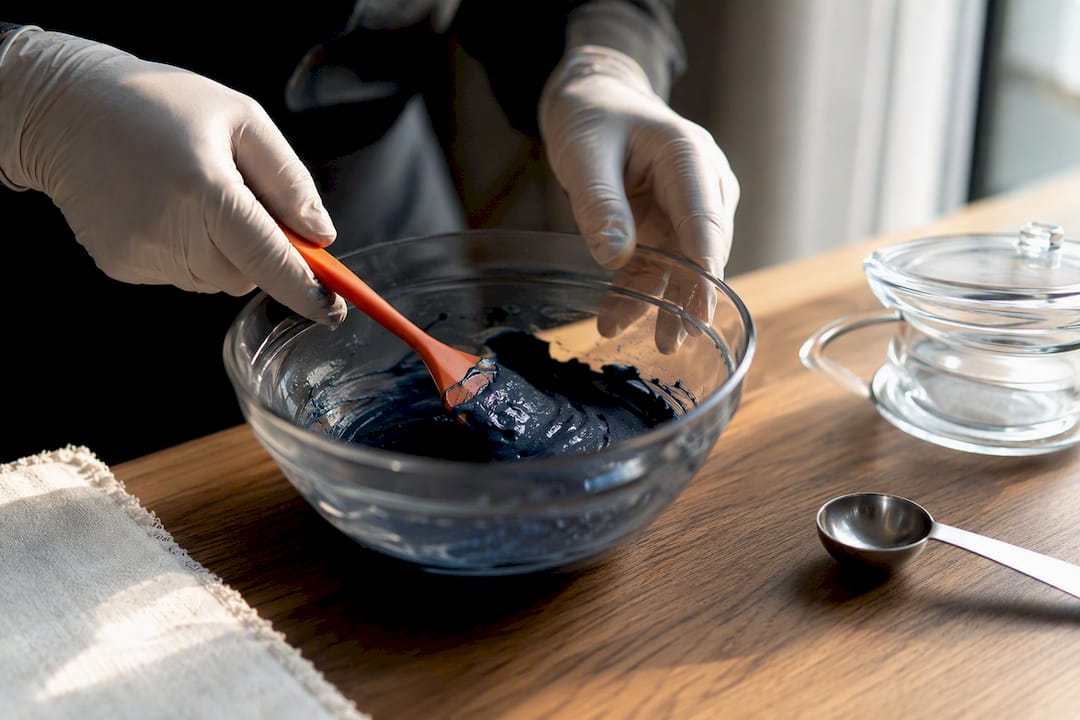
For home cotton fabric dyeing, fiber-reactive dye paired with a soda ash fixative gives you the most vibrant, wash-fast results of any method. Three things make or break the outcome: scour the fabric first to strip out sizing, dissolve your soda ash and dye completely before contact, and rinse in stages until the water runs clear. Skip any one of those and you get blotches, dull color, or dye that washes out in a month.
TL;DR:
- Proper fabric preparation, including a hot scour wash, is essential to prevent patchy and uneven dye results on cotton.
- Fiber-reactive dyes form a permanent bond with cotton, offering the best wash-fastness and color retention compared to all-purpose or natural dyes.
- Dissolving dye powder in a paste before adding to the bath avoids unsightly specks and ensures even dye uptake.
- Staging salt and soda ash additions during dyeing promotes uniform color, especially in cold-bath methods at 40-50°C.
- Hot rinsing and a final wash with detergent are critical to prevent bleeding and ensure dye longevity in future laundering.
Cotton is a cellulose fiber, and cellulose has a chemical structure that determines which dyes will actually stick to it long-term. Fiber-reactive dyes, the kind sold under names like Procion MX, form a covalent bond directly with those cellulose molecules once the bath reaches a pH of 10 to 11. That bond is why properly fixed reactive-dyed cotton earns ISO wash-fastness ratings of 4 to 5, meaning the color survives dozens of machine washes without fading. All-purpose dyes like Rit sit on the surface of the fiber instead of bonding into it, which is why they need hot water to penetrate at all and still tend to bleed and fade faster than a fiber-reactive job.
Natural dyes, made from plants, roots, or insects, can produce genuinely beautiful, muted tones, but cotton doesn’t take them well without a mordant, a metal salt that helps the dye grab onto the fiber. That’s an extra step most beginners skip, and skipping it means the color rinses out fast.
A quick breakdown of what to expect from each option:
If you’re dyeing a garment with polyester or nylon thread in the seams, expect that thread to stay its original color. Reactive dye only bonds to cellulose, so cotton/poly blends will come out dyed unevenly, with the cotton portion taking color and the synthetic portion staying pale or white.
Skipping prep is the single biggest reason home dye jobs come out patchy. New cotton fabric almost always carries a sizing agent or finish from the mill, and that coating blocks dye from reaching the fiber evenly. A hot scour wash, ideally around 140°F (60°C) with a detergent like Synthrapol, strips that layer off before the fabric ever touches dye.
Most recipes call for 1 to 3% dye by owf for medium shades, scaling up for deep colors like black or navy, based on practitioner dosing guidance.
Pro Tip: Never sprinkle dry dye powder straight into the bath. Undissolved granules land on the fabric as tiny dark specks that no amount of rinsing will fix. Always make a paste first.
This cold-bath fiber-reactive method is the workhorse recipe most quilters and garment dyers rely on, and it scales easily whether you’re dyeing a bandana or a few yards of yardage.
That final hot wash matters more than most beginners realize. It’s the step that removes excess dye that never bonded, and it’s what determines whether your finished piece bleeds in future laundry loads. For a deeper walkthrough of technique variations, our guide on mastering fabric dyeing covers more ground.
Fiber-reactive dye isn’t the only route, and sometimes it isn’t the right one for the project.
Pick fiber-reactive when you want the color to survive years of washing. Pick all-purpose dye or a natural dye when the look matters more than the longevity.
Splotches and pale patches almost always trace back to one of three causes: undissolved dye or soda ash, insufficient scouring, or fabric that got crowded in the bath and couldn’t move freely. If you spot undissolved specks after dyeing, a hot rewash with detergent sometimes lifts them; stubborn spots may need a small, careful re-dye of just that area.
Pro Tip: If you’re dyeing something with mixed fibers on purpose, like a cotton canvas tote with polyester webbing straps, expect a two-tone result unless you dye the straps separately with a disperse dye made for synthetics.
Wear rubber gloves any time you handle dye or soda ash, and put on a dust mask when measuring dye powder or soda ash, since both can irritate lungs and skin. Work in a room with good airflow, or crack a window, especially when mixing powders.
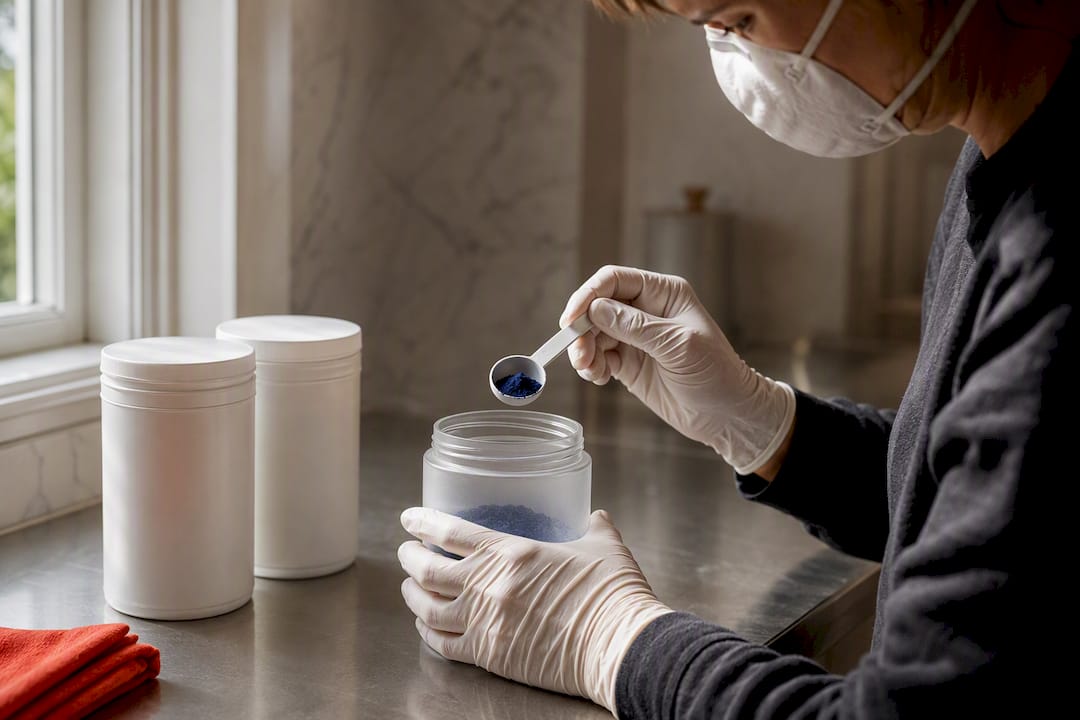
For disposal, dilute small amounts of spent dyebath with plenty of water before pouring it down the drain rather than pouring concentrated dye straight in. Store dye powders and soda ash in labeled, sealed containers well away from kids and pets.
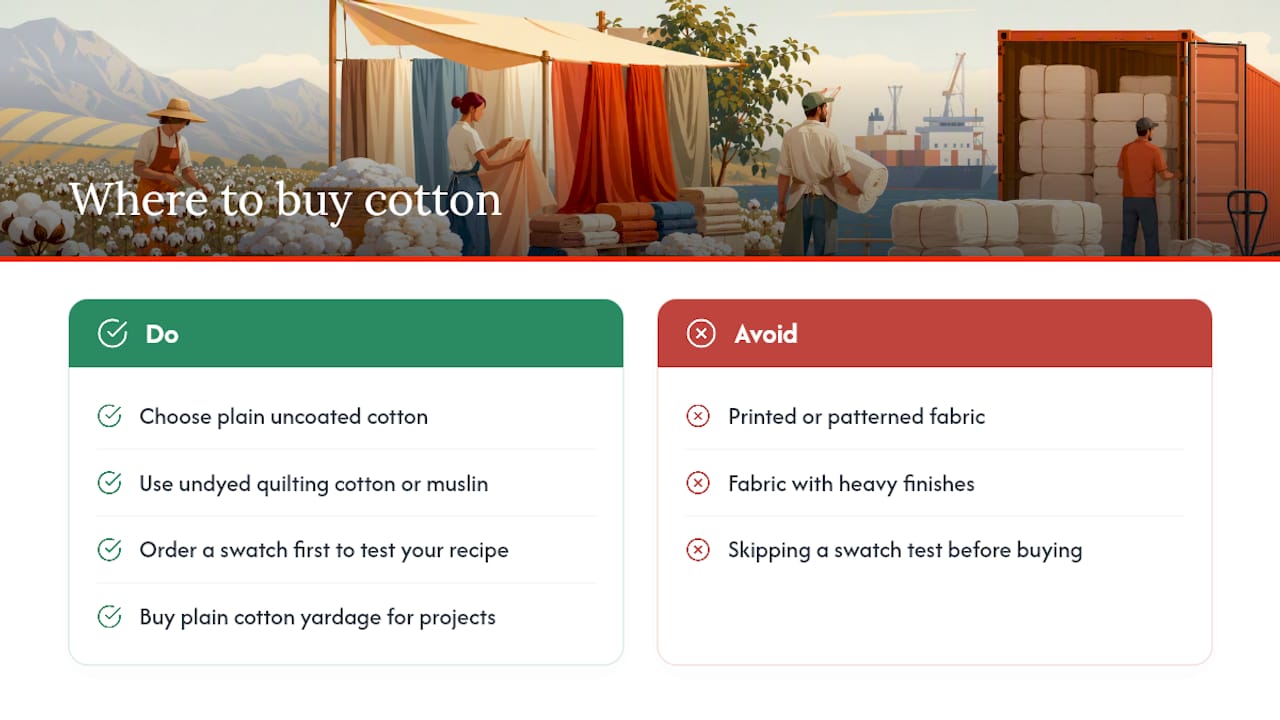
Plain, uncoated cotton takes dye far more evenly than fabric with printed patterns or heavy finishes, so look for undyed quilting cotton or muslin. Fabric-fabric’s quilting fabric selection includes plain cotton yardage suited to this kind of project, and ordering a swatch first lets you test your recipe before committing to full yardage. For more project ideas, browse the mastering fabric dyeing guide.
Most beginners overestimate how forgiving this process is and underestimate how much undissolved dye or skipped scouring will show up later. Start small: a bandana, a set of cloth napkins, or a fat quarter, not your favorite yard of fabric. Always test your exact recipe on a swatch before you commit to the full piece.
— kev
Fiber-reactive dyeing rewards fabric that starts out plain, uncoated, and consistent from edge to edge, which is exactly the gap between a craft-store remnant and yardage cut to order. Fabric-fabric’s quilting fabric collection gives you plain cotton by the yard, so you’re not fighting an unknown finish before you even mix a dyebath.
If your project leans toward tablecloths, napkins, or dyed accent pillows, the heavier weaves in the home decor fabric category hold saturated color well once fixed. Either way, order a swatch first. Testing your exact dye recipe on a small sample before committing to several yards saves you from ruining fabric you already paid for. Once your swatch comes back the shade you want, place your yardage order and dye with confidence.
This guide draws on procedural detail from TextileTuts’ fiber-reactive dye method, salt exhaustion research, Rit’s all-purpose dye instructions, and the National Cotton Council’s overview of dyeing processes.
Yes, 100% cotton is one of the easiest and most reliable fibers to dye because its cellulose structure bonds well with fiber-reactive dyes, producing wash-fast, vibrant color.
The most reliable method is a cold-bath fiber-reactive dye process using soda ash as a fixative, since it forms a permanent bond with cotton that survives repeated washing far better than all-purpose dyes.
Scour the fabric to remove sizing, dissolve fiber-reactive dye and soda ash separately, add fabric and salt to the bath in stages, then let it sit at lukewarm temperature around 40 to 50°C for 20 to 60 minutes before a thorough hot rinse and wash.
Use salt, not vinegar. Salt helps push reactive dye into cotton fibers, while vinegar is meant for protein fibers like wool and silk and does nothing to fix reactive dye on cotton.