

 US Dollar

Best Fabrics for Uniforms: 2026 Procurement Guide
Posted by BLG on 2026 Jul 18th
Posted by BLG on 2026 Jul 18th

TL;DR:
- Midweight poly-cotton blends are the standard for durable uniforms because they balance comfort, longevity, and ease of care. Choosing fabric based on workplace environment and washing requirements extends uniform life and reduces replacement costs. Proper fabric selection, testing, and maintenance are essential for effective and safe uniform programs.
Midweight poly-cotton blends are the industry baseline for general-duty uniforms, delivering the best balance of durability, breathability, and ease of care. Choosing the right uniform fabric affects replacement costs, staff comfort, and brand image every single day. The wrong material wears out fast, looks unprofessional after a few washes, and drives up procurement costs. This guide covers the top uniform materials by fabric type, weight, weave, and workplace environment so you can make a confident sourcing decision.
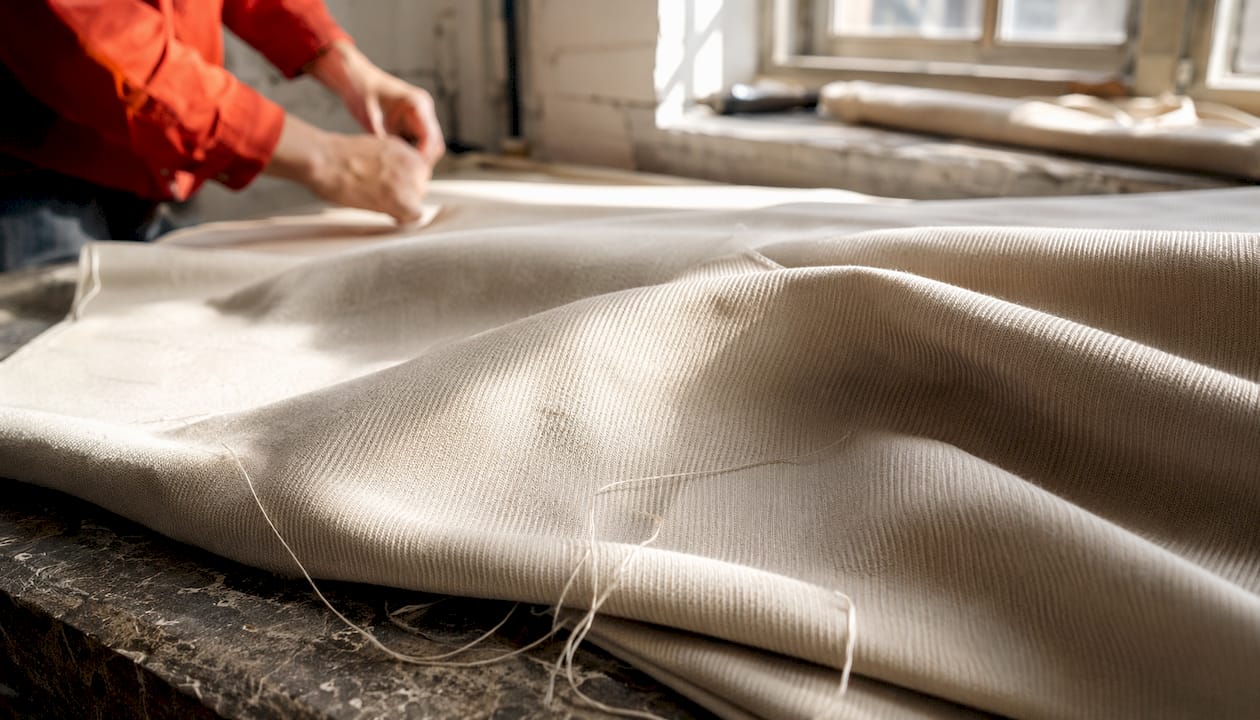
The best fabrics for uniforms are midweight 65/35 poly-cotton twill blends, ripstop fabrics, performance polyester, cotton-rich blends, and flame-resistant cotton. Each serves a different role, but poly-cotton blends consistently outperform single-fiber fabrics across durability, color retention, and wrinkle recovery. Selecting the right fabric starts with matching the material to the job function, not just the price tag.
The 65/35 poly-cotton twill is the most widely used fabric in general-duty uniforms. It reduces replacement frequency by 30% compared to 100% cotton. That figure translates directly into lower procurement costs over a uniform’s lifespan. The twill weave adds a diagonal texture that resists surface abrasion and holds its shape through repeated industrial washing.
Ripstop is woven with a reinforcing grid pattern that stops tears from spreading. It is the top choice for tactical, utility, and outdoor roles where fabric integrity under physical stress is non-negotiable. Ripstop fabrics are typically lighter than twill at the same durability level, which makes them practical for warm-climate field work.
Performance polyester moves moisture away from the skin and dries fast. It suits roles with high physical activity, such as warehouse staff, delivery workers, and hospitality teams in hot kitchens. The fiber holds color well and resists pilling, which keeps uniforms looking sharp longer.
Cotton-rich blends, typically 60% cotton or higher, prioritize natural comfort and breathability. Blends combine fiber strengths: cotton handles breathability and odor control while polyester contributes shape stability and wrinkle resistance. These blends suit front-of-house roles in hospitality, retail, and healthcare where comfort during long shifts is a priority.
Flame-resistant (FR) cotton blends are mandatory in industries with fire or heat exposure. FR-treated cotton lasts 50–100 washes before protection degrades, while inherently FR fibers maintain protection for the garment’s full life. Inherently FR fabrics cost more upfront but deliver better long-term value in high-risk environments.
Pro Tip: Always request documented test results for flame resistance. Marketing language like “fire-safe” means nothing without a certified test report from an accredited lab.
Fabric weight, measured in grams per square meter (gsm), is one of the most overlooked factors in uniform procurement. Fabric weights should match climate and job demands: 160–200 gsm for hot climates, 200–220 gsm for temperate conditions, and 240–280 gsm for heavy-duty or cold environments. Getting this wrong means staff either overheat in summer or wear out their uniforms in months.
Twill and poplin are the two most common weave structures in uniform fabrics. Twill produces a diagonal rib that adds texture, strength, and abrasion resistance. Poplin is a plain weave with a smooth, flat surface that looks more formal and is lighter in weight.
| Feature | Twill | Poplin |
|---|---|---|
| Texture | Diagonal rib | Smooth, flat |
| Durability | Higher abrasion resistance | Moderate |
| Appearance | Casual to smart-casual | Formal |
| Best use | Industrial, outdoor, utility | Office, front-of-house |
| Weight range | 200–280 gsm | 100–180 gsm |
Heavier fabrics in the 200–260 gsm range resist drum abrasion better and last longer under frequent washing. That makes them the right call for roles involving daily industrial laundering.
Pro Tip: If your uniforms go through commercial laundry more than three times per week, choose a fabric rated above 220 gsm. Lighter fabrics thin out and fade faster under that washing load.
Not every uniform faces the same conditions. The fabric that works perfectly for a hotel front desk will fail fast in a commercial kitchen. Matching the material to the environment is the single most effective way to extend garment life and protect staff.
Front-of-house staff in hospitality and retail need fabrics that look polished all day. Polyester-viscose blends in 65/35 or 70/30 ratios are the standard for hotel and restaurant front-of-house uniforms. These blends resist wrinkles, drape well, and launder easily at scale. TR blends (polyester-viscose) are the preferred choice when drape and a formal appearance matter most.
Kitchen environments demand a completely different approach. In kitchen settings, 100% cotton or flame-resistant treated cotton is the only safe choice, because polyester fabrics melt under intense heat. This is not a comfort preference. It is a safety requirement. Back-of-house staff also benefit from fabrics with high moisture absorption to manage heat and perspiration during long service periods.
Outdoor workwear must handle weather exposure, UV degradation, and physical abrasion. Ripstop fabrics and heavy twill blends above 240 gsm perform best in these conditions. Chemical resistance is an additional requirement in manufacturing and maintenance roles. For those environments, look for fabrics with documented chemical exposure ratings, not just general workwear labeling.
You can find guidance on uniform roles and materials across different industry sectors to help match fabric specs to job function before you commit to a bulk order.
Proper care is where uniform programs succeed or fail. A high-quality fabric purchased without a clear laundering protocol will degrade just as fast as a cheap one. Industrial washing requires fabrics to survive 50+ wash cycles with high-heat drying and chemical exposure. Fabrics without documented testing for these conditions fail prematurely and drive up replacement costs.
The fabric care guide for retailers covers practical laundering protocols that apply directly to uniform programs. Key care principles for uniform fabrics include:
Industrial washability is a technical requirement that must be verified by documented test results, not marketing claims. Ask suppliers for ISO 15797 or equivalent test data before signing a uniform contract.
Midweight poly-cotton blends are the most practical and cost-effective uniform fabric for most industries, with specialist materials required for safety-critical and high-heat environments.
| Point | Details |
|---|---|
| Poly-cotton twill is the baseline | 65/35 blends cut replacement frequency by 30% vs. 100% cotton. |
| Match weight to climate and role | Use 160–200 gsm for hot climates and 240–280 gsm for heavy-duty conditions. |
| Kitchen roles need FR or 100% cotton | Polyester melts under intense heat, making it a safety risk in kitchens. |
| Demand documented test results | Industrial washability must be verified by certified test data, not marketing claims. |
| Stretch fabrics need specialist elastomers | Standard spandex fails after 50 industrial cycles; use high-temp modified fibers instead. |
Most uniform procurement mistakes happen at the same point: the initial cost comparison. Managers see a lower price per unit on a 100% cotton or lightweight polyester option and approve the order. Twelve months later, the replacement cycle kicks in and the total cost is higher than the more durable blend would have been. Prioritizing initial cost over cost-per-wear consistently leads to higher long-term replacement expenses.
The second mistake I see regularly is buying stretch uniforms without checking the elastomer spec. A uniform with standard spandex looks great on day one. After 50 industrial washes, the waistbands are shot and the fit is gone. The fix is simple: ask for the fiber composition of the stretch component, not just the outer shell fabric.
The third issue is treating fabric choice as a one-size-fits-all decision. A hotel running both front-of-house and kitchen staff cannot use the same fabric across both teams. The front desk needs TR blends for appearance. The kitchen needs FR cotton for safety. Mixing those up is not just a comfort problem. It is a liability problem.
My practical advice: build a fabric sourcing checklist before you talk to any supplier. Know your wash frequency, your climate, your safety requirements, and your budget per wear cycle. Suppliers will always recommend what they have in stock. You need to know what you actually need before that conversation starts.
— kev
Sourcing the right uniform fabric at scale requires more than a catalog search. Fabric-fabric carries a broad selection of poly-cotton blends, performance textiles, and specialty fabrics suited to the durability and appearance standards covered in this guide.
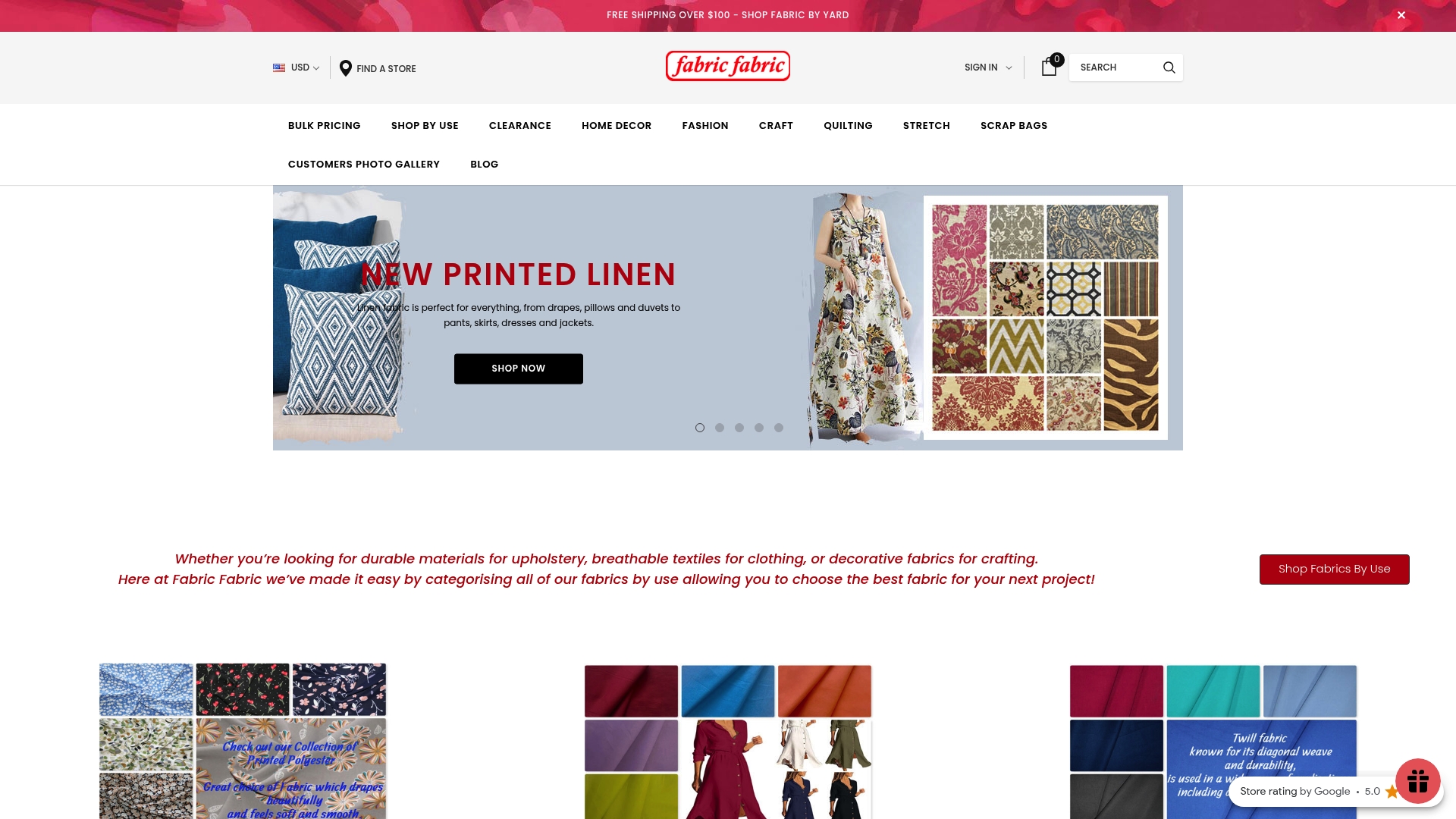
The fabric selection at Fabric-fabric includes options across weight categories and weave types, making it practical to match materials to specific roles without ordering from multiple suppliers. Whether you need a midweight twill for general-duty staff or a heavier blend for outdoor teams, the range covers the core uniform fabric categories. Browse the full selection and request fabric details directly to match your procurement specs.
The 65/35 poly-cotton twill is the best all-purpose uniform fabric. It reduces replacement frequency by 30% compared to 100% cotton and handles industrial washing reliably.
Choose twill for industrial, outdoor, or utility roles where abrasion resistance matters. Choose poplin for formal or front-of-house roles where a smooth, lightweight appearance is the priority.
Kitchen staff should wear 100% cotton or flame-resistant treated cotton. Polyester fabrics melt under intense heat, making them unsafe in commercial kitchen environments.
Quality uniform fabrics must survive at least 50 industrial wash cycles with high-heat drying and chemical exposure. Ask suppliers for ISO 15797 or equivalent test documentation to confirm this.
Stretch fabrics work in industrial uniforms only if the elastomer is specifically designed for high-temperature laundering. Standard spandex loses 50–60% of its elastic performance after 50 industrial cycles at high heat.