

 US Dollar

Types of Performance Fabrics: Your 2026 Complete Guide
Posted by BLG on 2026 Jun 30th
Posted by BLG on 2026 Jun 30th

TL;DR:
- Performance fabrics are engineered textiles that provide functional properties like moisture management, abrasion resistance, and stain repellence for sports, outdoor, and home use. Choosing fabrics such as polyester, nylon-spandex, olefin, and acrylic based on their test data ensures durability and suitability for specific conditions, rather than relying on marketing claims. Quality depends on fiber content, construction, and verified standards like Martindale ratings, making test data essential for long-lasting, effective performance textiles.
Performance fabrics are textiles engineered to deliver specific functional properties, including moisture management, abrasion resistance, stain repellence, and structural durability, across athletic wear, outdoor gear, and home upholstery. The types of performance fabrics you choose determine how long a garment lasts, how comfortable it feels under stress, and how well it holds up to real-world conditions. Core fiber types like polyester, nylon, acrylic, and olefin form the foundation of most high-performance materials. Industry benchmarks like Martindale abrasion testing and ASTM D3786 burst strength separate genuinely durable textiles from fabrics that only look the part.
Polyester is the most widely used performance fiber in the world, and for good reason. Polyester filament withstands 20,000 to 40,000+ abrasion cycles in Martindale testing, outperforming natural fibers like cotton in both durability and color retention. That number means a polyester sofa or athletic jersey holds its surface integrity through years of heavy use, not just months.
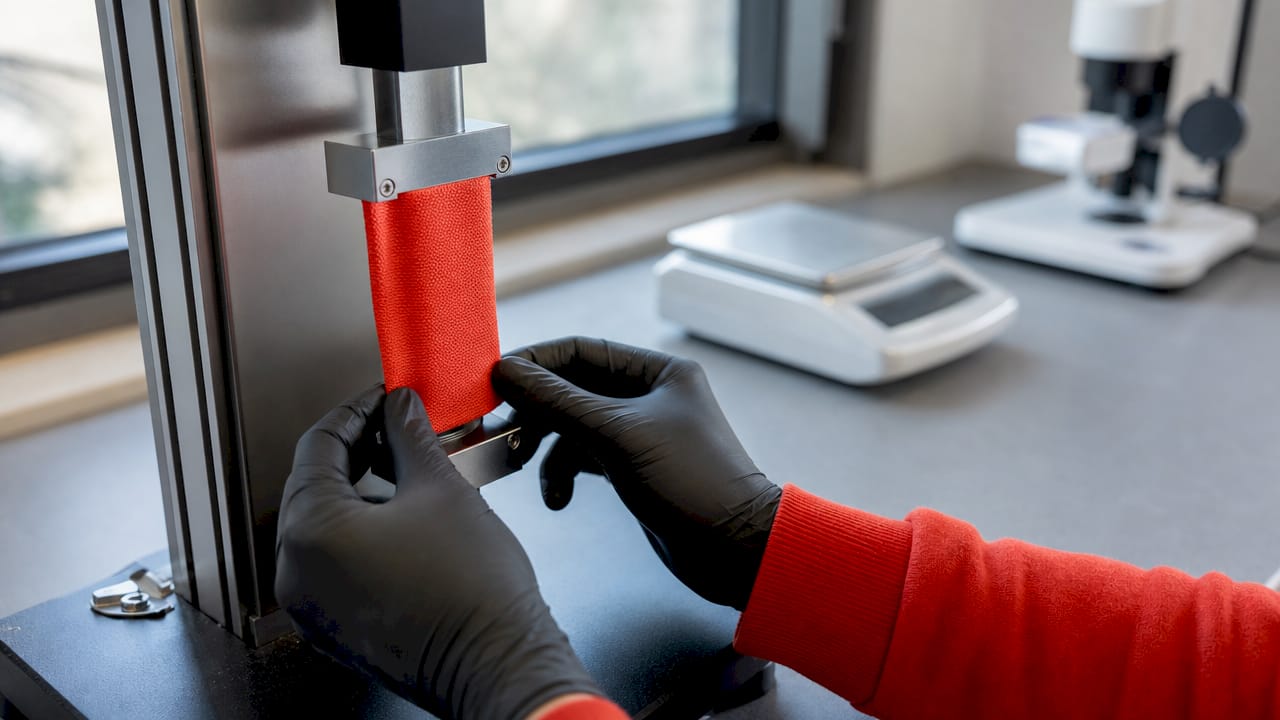
Polyester’s moisture management is equally strong. The fiber pulls sweat away from skin and pushes it to the fabric surface, where it evaporates quickly. That push-pull moisture system makes polyester the default choice for running shirts, cycling kits, and gym wear where cotton would become heavy and uncomfortable.
Common polyester blends and their strengths include:
Pro Tip: When buying polyester performance fabric for upholstery, check the Martindale rating on the product listing. Anything below 15,000 cycles is not suited for heavy-use furniture.
Nylon-spandex tricot is the go-to fabric for high-compression activewear. These blends typically weigh between 200 and 250 GSM and often exceed 100 psi burst strength according to ASTM D3786 standards. That combination of weight and burst strength means the fabric holds its shape under repeated stretching without tearing or bagging.
Nylon contributes the structural strength in these blends. Spandex, which can stretch up to five times its original length and snap back without distortion, adds the compression and recovery. Together they create a fabric that moves with the body rather than against it.
Key advantages of nylon-spandex blends:
Yoga pants, dance leotards, competitive swimwear, and cycling shorts all rely on nylon-spandex construction. Understanding GSM and burst strength before purchasing helps you match the fabric’s technical specs to the physical demands of your activity.
Olefin, also called polypropylene, is one of the most underrated functional fabric types in the upholstery market. Olefin excels in stain and fade resistance, repelling water and sunlight, which makes it a top choice for furniture that needs to last in high-traffic or outdoor settings. Its synthetic fiber structure means liquids bead on the surface rather than absorbing into the weave.
Olefin is also solution-dyed, meaning the color is added to the fiber before it is woven rather than applied as a surface treatment. That process locks in color at the molecular level, so fading from UV exposure is minimal even after years of direct sunlight. For outdoor furniture cushions or sunroom sofas, olefin outperforms most woven alternatives.
Practical uses where olefin performs best:
Pro Tip: Olefin has a lower melting point than polyester. Keep it away from heat sources and avoid high-temperature steam cleaning, which can distort the fiber structure.
Acrylic is the synthetic fiber that most closely mimics the feel of wool, but without wool’s weight or maintenance demands. Acrylic fibers are lightweight, soft, and resist shrinking, stretching, and wrinkling, which makes them practical for upholstery that needs to look good over time without constant care. Unlike natural wool, acrylic does not absorb moisture, so it dries faster and resists mildew in humid environments.
For indoor and outdoor furniture, acrylic holds its color well under UV exposure and maintains its soft hand feel even after repeated cleaning. It works particularly well in blended upholstery fabrics where softness and durability need to coexist. Acrylic is also commonly used in outdoor awnings, marine canvas, and patio furniture covers.
The fiber’s resistance to wrinkling means acrylic upholstery keeps a clean, tailored appearance without the need for ironing or steaming. That makes it a practical choice for formal living room furniture or commercial hospitality seating where appearance standards are high.
Specialty performance fabrics like GORE-TEX and POLARTEC represent the upper tier of functional fabric types for outdoor use. GORE-TEX and POLARTEC fabrics provide specialized waterproof breathability and insulation respectively, making them the standard for cold or wet environment gear. GORE-TEX uses a microporous membrane that blocks liquid water while allowing water vapor from sweat to escape. POLARTEC uses a high-loft fleece construction that traps warm air close to the body.
Choosing between these specialty fabrics depends on activity intensity and climate:
The push-pull layering system, where a moisture-wicking base layer moves sweat outward and a breathable outer shell blocks external moisture, is the most effective approach to managing body temperature in variable outdoor conditions.
Eco-friendly versions of these specialty fabrics are also gaining ground. Recycled POLARTEC fleece and bluesign-certified performance textiles reduce chemical and water use in manufacturing without sacrificing technical performance.
Selecting the right fabric means matching technical specs to the actual demands of your use case. Fiber content, fabric construction, and finishes work together to create functional textiles tailored for specific uses. No single fiber does everything well.
The table below compares key performance fabric options across the most common use cases:
| Use case | Best fabric type | Key metric to check |
|---|---|---|
| High-sweat athletic wear | Polyester or nylon-spandex | Moisture-wicking rating, GSM 150–220 |
| Compression sportswear | Nylon-spandex tricot | Burst strength >100 psi (ASTM D3786) |
| Pet-friendly upholstery | Olefin or faux leather | Martindale cycles >30,000 |
| Outdoor furniture | Acrylic or solution-dyed olefin | UV resistance, water repellency rating |
| Cold weather outdoor gear | POLARTEC fleece | Warmth-to-weight ratio, loft rating |
| Wet weather outerwear | GORE-TEX membrane | Waterproof rating (mm), breathability (g/m²/24h) |
The most common mistake buyers make is trusting marketing language over test data. Terms like “performance,” “technical,” and “athletic” carry no standardized meaning. A fabric labeled “performance” with no Martindale rating or GSM specification tells you nothing about how it will hold up.
Cotton is rejected for heavy sweating in athletic contexts because it absorbs moisture and gains weight, slowing movement and causing chafing. Synthetic fibers manage moisture without absorbing it. For upholstery, the same logic applies: a fabric that absorbs spills instead of repelling them will stain and degrade faster regardless of how it looks on the shelf.
For a deeper look at how synthetic and natural fibers compare in sofa fabric selection, the tradeoffs between comfort and durability become especially clear in high-traffic home settings.
Performance fabric selection is determined by fiber content, construction method, and finish, not by marketing terms, and matching those technical properties to your specific use case is the only reliable path to long-term satisfaction.
| Point | Details |
|---|---|
| Polyester leads in durability | Martindale ratings of 20,000–40,000+ cycles make it the top choice for athletic wear and upholstery. |
| Nylon-spandex suits compression needs | Burst strength above 100 psi (ASTM D3786) and 200–250 GSM weight support high-movement activewear. |
| Olefin and acrylic protect upholstery | Solution-dyed olefin resists UV and stains; acrylic adds softness without sacrificing durability. |
| Specialty fabrics require layering | GORE-TEX and POLARTEC work best as part of a push-pull moisture management system, not as standalone solutions. |
| Test data beats marketing labels | Always check GSM, Martindale cycles, and burst strength ratings before purchasing any performance textile. |
After years of working with performance textiles across athletic, upholstery, and outdoor applications, the single biggest mistake I see buyers make is letting marketing language do the work that test data should do. A fabric described as “ultra-performance” with no Martindale rating, no GSM specification, and no fiber content breakdown is a red flag, not a selling point.
The fabrics that consistently deliver are the ones where the manufacturer publishes actual numbers. Polyester with a confirmed 30,000-cycle Martindale rating will outlast a vaguely labeled “premium performance blend” every time. Nylon-spandex with a documented burst strength above 100 psi will hold its compression through a full season of training. Numbers are honest. Adjectives are not.
I also think buyers underestimate the role of fabric construction relative to fiber content. A knit construction in polyester gives you stretch and breathability for gym wear. A woven construction in the same fiber gives you wind resistance and structure for outerwear. Same fiber, completely different performance outcome. Understanding fabric construction and performance before you buy saves you from expensive mistakes.
My practical advice: write down the specific conditions your fabric will face before you shop. High sweat, UV exposure, pet claws, chlorine, cold temperatures. Then match those conditions to documented test standards. That process takes ten minutes and eliminates most bad purchases.
— kev
Fabric-fabric carries a range of performance textiles suited for both home and activewear projects, from durable upholstery options to functional athletic materials.
Whether you are sourcing fabric for a sofa reupholstery project, outdoor cushion covers, or a custom athletic garment, the home decor fabric collection at Fabric-fabric includes options built for real-world durability. Each product listing includes fiber content and usage guidance so you can match the right textile to your specific needs without guesswork. For projects where visual impact matters as much as function, the backdrop fabric range offers durable textiles with strong aesthetic appeal. Browse by use case, filter by fabric type, and find the right material for your next project.
Polyester and olefin are the most durable performance fabrics for general use. Polyester withstands 20,000 to 40,000+ Martindale abrasion cycles, while olefin resists stains, UV fading, and moisture without surface treatments.
Polyester and nylon-spandex blends are the best choices for moisture-wicking activewear. Both fibers use a push-pull system to move sweat away from skin and allow it to evaporate quickly, unlike cotton which absorbs and retains moisture.
GSM stands for grams per square meter and measures fabric weight. Higher GSM generally means a denser, more durable fabric; nylon-spandex activewear typically falls in the 200–250 GSM range for compression applications.
GORE-TEX is worth the investment for activities involving sustained rain, snow, or wind exposure. Its microporous membrane blocks liquid water while allowing sweat vapor to escape, which no standard water-repellent coating can replicate at the same level.
Check the Martindale abrasion rating before buying. Fabrics rated above 30,000 cycles, such as solution-dyed olefin or faux leather, resist scratching and staining well enough for homes with pets or young children.