

 Canadian Dollars

Best Fabrics for Beginners: Your 2026 Starter Guide
Posted by BLG on 2026 Jun 20th
Posted by BLG on 2026 Jun 20th

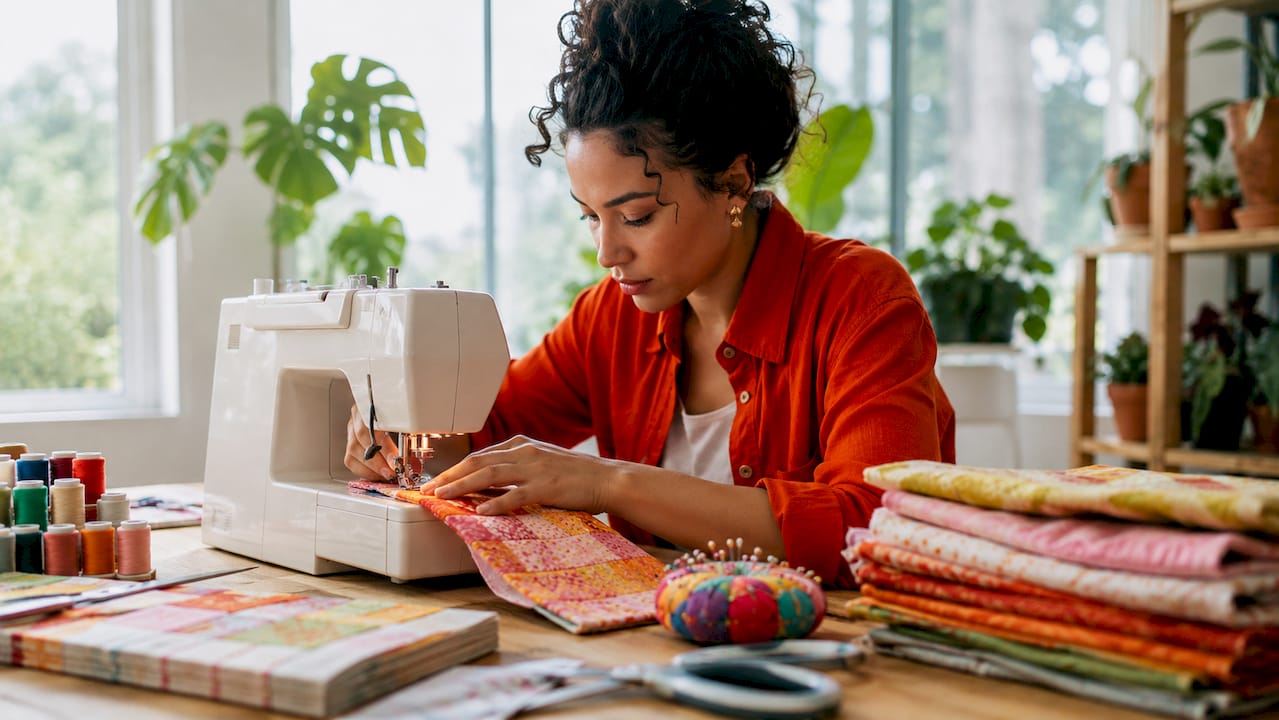
TL;DR:
- Stable, medium-weight woven fabrics like quilting cotton and linen blends are ideal for beginner sewists because they hold their shape and respond well to pressing. Avoid slippery, stretchy, or fraying fabrics until you gain more sewing experience. Using the right tools and fabric choices boosts confidence and leads to polished first projects.
Stable, medium-weight woven fabrics are the best fabrics for beginners because they hold their shape, cut cleanly, and forgive the small mistakes every new sewist makes. Quilting cotton, cotton poplin, and linen blends top every expert list for good reason. They behave predictably under a sewing machine needle, respond well to pressing, and are widely available at accessible price points. Pair the right fabric with sharp scissors and quality thread, and your first project will look far more polished than you expect.
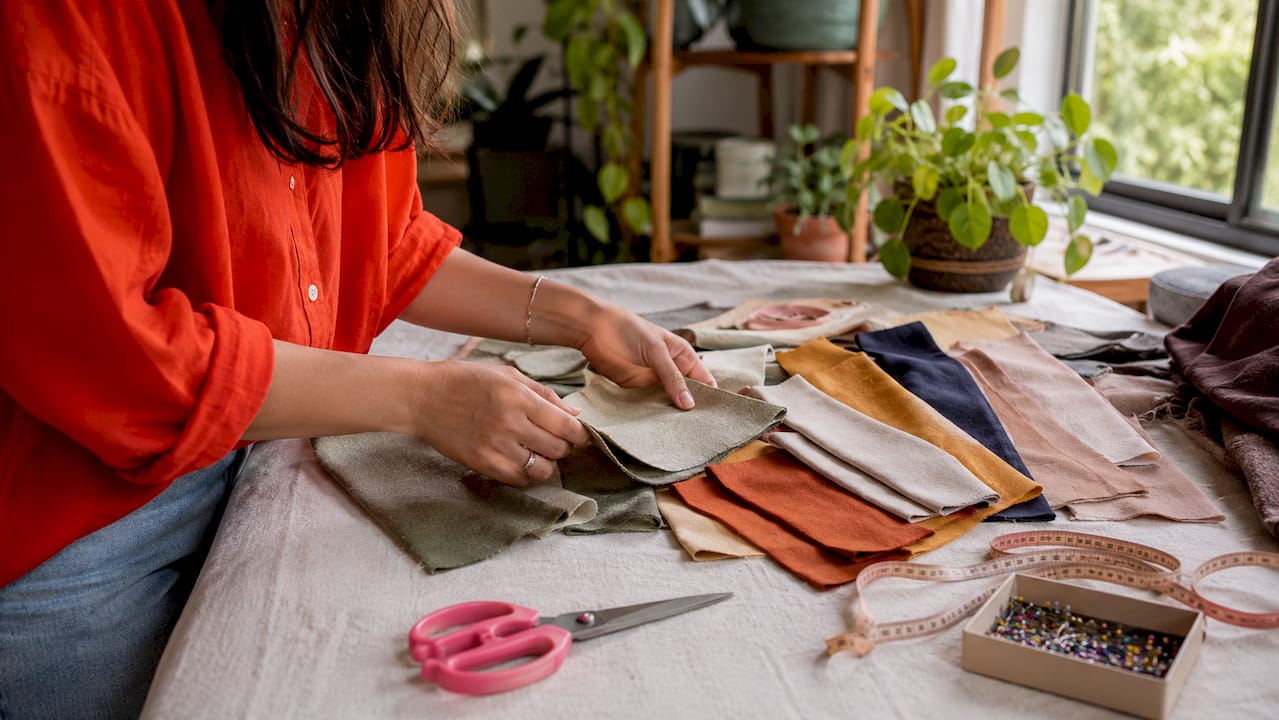
Quilting cotton is the single best starting fabric for beginners. Cotton is stable, forgiving, and easy to handle, which is why it appears on every recommended fabrics for sewing list. It breathes well, absorbs moisture, and responds predictably to both needles and scissors. You can press a crisp crease into it with a steam iron, which is a foundational skill in garment construction.
Quilting cotton’s tight plain-weave holds crisp creases after pressing and does not fray excessively at cut edges. That means your seam allowances stay manageable while you learn. Fabric-fabric carries an extensive range of quilting cotton by the yard in hundreds of prints and solids, making it easy to find something you actually want to sew.
Cotton poplin is a plain-weave fabric with a slightly smoother surface than quilting cotton. Its tight weave makes it one of the most stable easy sewing fabrics available. Poplin cuts cleanly, feeds evenly through a machine, and holds a seam without puckering. It works for everything from simple tote bags to beginner blouses.
The surface finish makes poplin slightly more polished than quilting cotton, so finished projects look professional even when your technique is still developing. Read more about poplin’s properties before you buy to understand thread count and weight differences between varieties.
Pro Tip: Buy a half-yard of poplin and a half-yard of quilting cotton in the same color. Sew a simple seam in each. You will immediately feel the difference in hand and drape, which helps you choose the right fabric for each future project.
Pure linen has a reputation for being difficult, but medium-weight linen blends are beginner-friendly, breathable, and wrinkle far less than pure linen. Linen blends reduce creasing while maintaining linen’s relaxed drape, making them an excellent second fabric after you have sewn a few cotton projects. They are especially good for warm-weather garments and home decor items like pillow covers and curtain panels.
Experts recommend linen blends for early garment projects because they combine durability with a forgiving hand. The fabric does not slip under the presser foot, and it presses beautifully. Explore the linen blend options at Fabric-fabric to find weights suited to your first garment project.
Cotton canvas is a heavier plain-weave fabric that gives bags, pouches, and home decor projects real structure. It does not shift during cutting or sewing, which makes it one of the most forgiving beginner sewing materials for three-dimensional projects. A tote bag sewn in cotton canvas holds its shape without any interfacing, which removes one variable for new sewists.
The trade-off is weight. Canvas is stiffer than quilting cotton, so it is less suited to garments. Use it for your first tote bag, a simple zipper pouch, or a set of placemats. The fabric’s firmness actually makes it easier to sew straight seams because the material does not shift.
Cotton flannel is a brushed plain-weave fabric with a soft surface that grips itself slightly during sewing. That grip prevents the fabric from sliding around on your cutting mat or under the presser foot. Flannel is ideal for baby items, pajama pants, and simple scarves. Its forgiving nature makes it one of the best textiles for beginners who want a cozy, tactile project.
One care note: flannel shrinks significantly in the first wash. Pre-wash and dry your flannel before cutting to avoid a finished project that no longer fits. After pre-washing, flannel behaves very predictably and is a pleasure to sew.
Muslin is an unbleached, loosely woven cotton fabric sold at very low prices per yard. Its purpose in a beginner’s toolkit is practice. Sew your first seams on muslin before cutting into fabric you care about. Test your machine tension, practice pressing, and make your first pattern mistakes on muslin where the cost is minimal.
Muslin also works as a toile, which is a test garment sewn in cheap fabric to check fit before cutting the real material. Professional sewists use toiles at every skill level. Starting this habit early saves you from ruining expensive fabric on a pattern that does not fit.
Certain fabrics will frustrate you before you have the skills to handle them. Avoid these until you have mastered basic seams and pressing:
Nearly every first attempt with slippery or stretch fabrics results in stitching issues like puckered seams and uneven stitches. Starting with stable woven fabrics prevents that frustration entirely.
Fabric weight measured in GSM (grams per square meter) directly affects how fabric behaves under the presser foot. Medium-weight fabrics in the 100–150 GSM range are optimal for beginners. They are heavy enough to stay flat during cutting but light enough to feed smoothly through a standard home sewing machine.
Weave structure matters just as much as weight. Plain weave fabrics cut cleanly, hold shape, and fray less than looser weaves, which is why quilting cotton and poplin dominate beginner recommendations. Twill weave fabrics like denim and chino offer slightly more drape and good recovery after stitching, making them a solid step up once you are comfortable with plain weaves.
| Fabric | Weave | Approx. GSM | Best for |
|---|---|---|---|
| Quilting cotton | Plain | 100–130 | Quilts, bags, simple garments |
| Cotton poplin | Plain | 100–120 | Blouses, skirts, accessories |
| Linen blend | Plain | 120–150 | Garments, home decor |
| Cotton canvas | Plain | 200–300 | Bags, home decor, structure |
| Cotton flannel | Brushed plain | 130–160 | Pajamas, baby items, scarves |
Pro Tip: When shopping in person, fold the fabric in half and let it drape over your hand. A fabric that falls softly but holds the fold is in the medium-weight range. A fabric that collapses completely is likely too light for a beginner project.
The right tools matter as much as the right fabric. A beginner sewing toolkit should include dedicated sharp fabric scissors, a seam ripper, a flexible measuring tape, and all-purpose polyester thread. Quality fabric scissors alone can cost $50–$100, but they make a measurable difference in cut edge accuracy.
Use your fabric scissors only on fabric. Cutting paper dulls the blades quickly, and dull scissors drag and distort fabric edges. A seam ripper is not a sign of failure. Every sewist uses one constantly, and having a sharp one makes corrections fast and clean.
Different projects demand different fabrics. Choosing the right match from the start prevents a mismatch between what the fabric can do and what the project needs.
A simple tote bag works best in quilting cotton or canvas. Both fabrics have enough body to hold the bag’s shape without extra support. Custom throw pillow covers suit quilting cotton, linen blends, or even a heavier canvas. For your first garment, cotton poplin or a linen blend gives you the drape a garment needs while remaining stable enough to sew accurately. The step-by-step sewing guide at Fabric-fabric pairs specific projects with fabric recommendations to take the guesswork out of your first few makes.
Avoid stretch fabrics until you have sewn at least five projects in stable wovens. Once you are ready to try knits, start with interlock rather than jersey. Interlock is a double-knit fabric that stretches less and is far more stable under the needle than single-knit jersey.
The best fabrics for beginners are stable, medium-weight plain-weave cottons and linen blends in the 100–150 GSM range, paired with sharp tools and correct needle sizes.
| Point | Details |
|---|---|
| Start with quilting cotton | It is stable, forgiving, and widely available for every beginner project type. |
| Stay in the 100–150 GSM range | Medium-weight fabrics feed evenly through a machine and do not shift during cutting. |
| Avoid silk, rayon, and stretch knits | Slippery and stretchy fabrics cause puckering and uneven stitches before skills are developed. |
| Invest in sharp fabric scissors | Dedicated fabric scissors in the $50–$100 range improve cut accuracy from your first project. |
| Match fabric to project type | Use canvas for bags, poplin or linen blends for garments, and muslin for practice. |
New crafters walk into a fabric store and reach for the silk charmeuse or the drapey rayon because it looks beautiful. I understand the impulse completely. But that choice sets you up for a genuinely discouraging first experience, and discouragement is the main reason people quit sewing after one project.
The fabrics that teach you the most are the ones that cooperate. Beginners often assume expensive or designer fabrics produce better results, but the opposite is true at the start. A yard of quilting cotton in a print you love will teach you more in an afternoon than a yard of silk will teach you in a week of frustration.
My honest advice: buy three yards of quilting cotton in a pattern that excites you, and make something you will actually use. A tote bag, a pillowcase, a simple skirt. Finish it. Press it. Wear it or use it. That finished object builds the confidence that carries you to harder fabrics and more complex projects. Success for beginners hinges more on mastering pressing and matching tools to fabric than on having a large supply of materials. One good fabric, the right needle, and a sharp pair of scissors will take you further than a full stash of the wrong choices.
— kev
Fabric-fabric stocks a wide selection of beginner-friendly fabrics including quilting cotton, linen blends, cotton canvas, and cotton poplin, all available by the yard with clear weight and usage descriptions. Whether you are making your first tote bag or a simple home decor piece, the backdrop fabrics collection offers stable, medium-weight options that are ready to cut and sew. For home projects, the home decor fabric range includes canvas and linen blends that work perfectly for pillows, curtains, and table linens. Free shipping thresholds and seasonal discounts make it easy to stock up without overspending on your first few yards.
Quilting cotton is the best fabric for absolute beginners. It is stable, easy to cut, and responds predictably to needles and scissors without slipping or stretching.
Beginners should avoid silk, rayon, chiffon, and high-stretch knits. These fabrics slip, fray aggressively, or distort under the presser foot, causing puckered seams and uneven stitches.
GSM stands for grams per square meter and measures fabric weight. Medium-weight fabrics in the 100–150 GSM range are optimal for beginners because they stay flat during cutting and feed evenly through a sewing machine.
Pure linen can be challenging, but medium-weight linen blends are beginner-friendly. They wrinkle less than pure linen and offer good drape and breathability for early garment projects.
Muslin is an inexpensive cotton fabric used for practice and test garments called toiles. Sewing your first seams or testing a pattern in muslin saves you from making costly mistakes in fabric you care about.