

 US Dollar

Best Fabric for Drapes: A Room-by-Room 2026 Guide
Posted by BLG on 2026 Jul 6th
Posted by BLG on 2026 Jul 6th

TL;DR:
- The best drapery fabrics balance visual appeal, light control, and durability for specific rooms. Natural fibers like silk, velvet, linen, and cotton blends each suit different environments, with polyester being the most practical for high-traffic areas. Fabric weight and lining choices greatly influence a curtain’s performance, insulation, and longevity.
The best fabric for drapes is defined by how well it balances visual appeal, light control, and practical durability for your specific room. Industry standards consistently name silk, velvet, cotton blends, linen, and polyester as the top drapery fabrics, each suited to different environments and budgets. Fabric weight and lining choice shape performance just as much as the face fabric itself. Getting these three elements right means your drapes will look polished, last longer, and actually work for the room they’re in.
The top materials for curtains fall into six main categories, each with a clear performance profile.
Silk is the most luxurious option available. It drapes beautifully, catches light with a natural sheen, and signals high-end interior design instantly. The trade-off is real: silk demands careful upkeep and degrades quickly when exposed to direct sunlight. Silk works best in formal dining rooms or bedrooms where light exposure is controlled.
Velvet delivers warmth, visual weight, and excellent light blocking. It suits traditional and maximalist interiors well. The downside is maintenance. Velvet attracts dust and can develop musty odors in humid climates without regular vacuuming and airing. Reserve velvet for cooler, drier rooms where its insulating properties shine.
Cotton and cotton-polyester blends are the workhorses of the drapery world. Cotton is soft, breathable, and easy to dye in a wide range of colors. Cotton-polyester blends combine cotton’s softness with polyester’s durability and colorfastness, making them ideal for busy households with kids or pets.
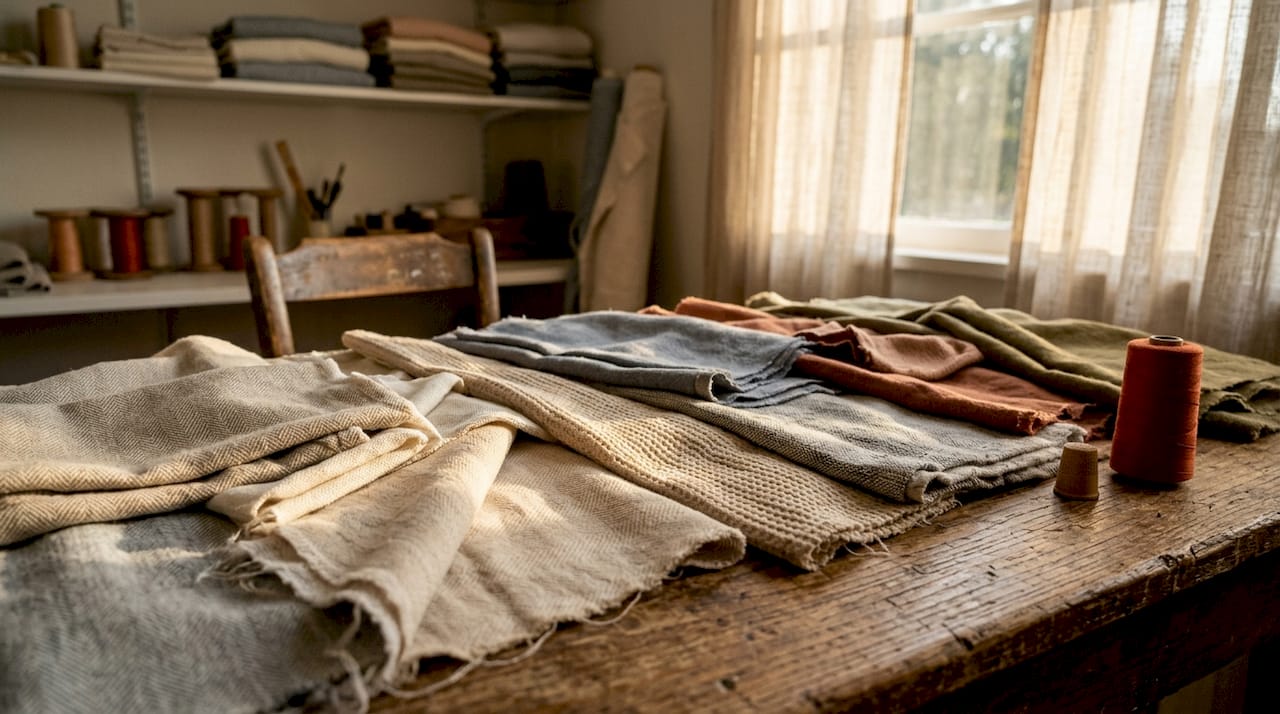
Linen brings a relaxed, natural texture that suits casual and coastal interiors. It handles bright light well and ages gracefully. The catch is that linen wrinkles easily and requires special care. Many decorators embrace the wrinkles as part of linen’s character, but if you want crisp, structured drapes, linen is not your best choice.
Polyester is the most practical fabric option for most homeowners. It is 100% synthetic, wrinkle-resistant, and holds color well over time. Polyester ranks highest for durability and ease of care among all curtain fabrics. It costs less than natural fibers and tolerates machine washing, which makes it a strong choice for high-traffic rooms.
Pro Tip: If you want the look of silk without the upkeep, choose a polyester satin weave. It mimics silk’s sheen at a fraction of the cost and holds up to sunlight far better.
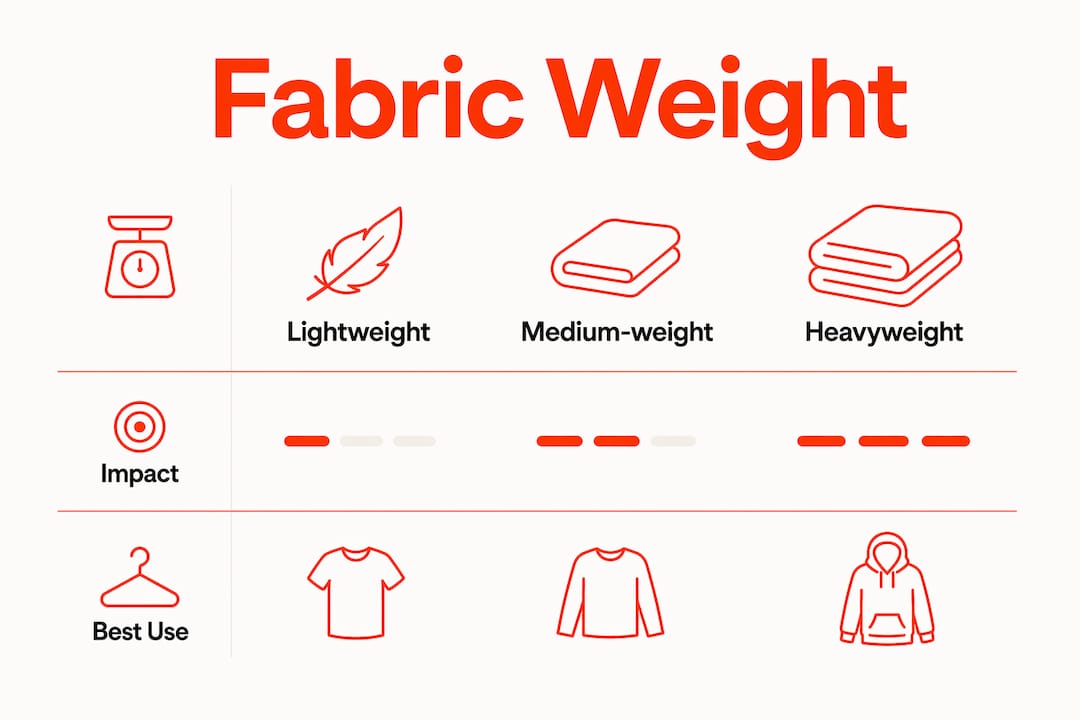
Fabric weight is measured in grams per square meter (GSM) and directly determines how a curtain hangs, how much light it blocks, and how well it insulates a room. Understanding weight categories helps you match fabric to function before you buy a single yard.
| Weight category | GSM range | Light control | Best use |
|---|---|---|---|
| Lightweight | Under 150 gsm | Soft, diffused light | Sheers, layered looks, bright rooms |
| Medium-weight | 150–300 gsm | Moderate opacity | Living rooms, dining rooms, daily use |
| Heavyweight | Over 300 gsm | Near-total blocking | Bedrooms, media rooms, north-facing rooms |
Lightweight fabrics like voile and sheer linen let natural light filter through softly. They create an airy, relaxed atmosphere but offer little privacy or insulation. They work best layered behind heavier drapes.
Medium-weight fabrics cover the widest range of everyday needs. Cotton, linen, and mid-weight polyester blends all fall here. They hang well without requiring interlining, offer reasonable privacy, and suit most living spaces without feeling heavy or oppressive.
Heavyweight fabrics like velvet exceed 300 gsm and provide insulation, sound absorption, and strong light blocking. This makes them the right call for bedrooms, home theaters, and any room where you need to control both light and temperature. A room-by-room fabric guide can help you match weight categories to specific spaces in your home.
Pro Tip: Always check the GSM of a fabric before ordering. A fabric labeled “velvet” can range from 250 to 600 gsm depending on pile density. The heavier the velvet, the better it insulates and the fuller it hangs.
For a deeper look at how weight categories translate to real-world performance, the complete guide to fabric weights breaks down the differences with practical examples.
Room orientation is the practical starting point for fabric selection, not an afterthought. The direction your windows face determines how much light, heat, and moisture your drapes must handle every day.
Climate adds another layer to the decision. High-humidity rooms like bathrooms or coastal homes need fabrics that resist mildew and dry quickly. Synthetic blends and treated polyesters handle moisture far better than untreated linen or velvet. In coastal environments, salt air accelerates fabric degradation, so prioritize fabrics with tight weaves and moisture-resistant finishes.
Lining is the most overlooked factor in drapery performance. The face fabric gets all the attention, but the lining determines how well your drapes actually function day to day.
Standard lining is a plain cotton or polyester backing sewn to the face fabric. It adds body, improves how the fabric hangs, and protects the face fabric from sunlight. Standard lining suits most living rooms and dining rooms where full blackout is not needed.
Interlining sits between the face fabric and the standard lining. It adds significant weight and insulation, creating fuller, more structured drapes. Interlining adds fullness and insulation and is the technique used in high-end custom drapery to achieve that hotel-suite look. It works especially well with medium-weight face fabrics that need extra body.
Blackout lining delivers near-total light blocking. It is the right choice for bedrooms, nurseries, and media rooms where light control is the primary goal. Blackout lining also adds a layer of thermal insulation, which helps regulate room temperature.
UV-blocking lining is a specialized option for rooms with intense sun exposure. It acts as a barrier that prevents UV rays from reaching the face fabric. This is particularly valuable for silk and linen drapes in south-facing or west-facing rooms.
Thermal lining combines the functions of interlining and blackout lining. It is the heaviest option and works best in rooms that need both insulation and light control, such as north-facing bedrooms in cold climates.
Most well-dressed curtains feature at least two layers, combining a sheer or lighter face fabric with a heavier lining. This layered approach gives you control over light, privacy, and insulation without committing to a single heavy fabric.
The best drapery fabric combines the right weight, face material, and lining for your room’s orientation, climate, and daily use.
| Point | Details |
|---|---|
| Match fabric to room orientation | North-facing rooms need heavy fabrics; south-facing rooms suit light, breathable options. |
| Weight determines performance | Fabrics under 150 gsm diffuse light; fabrics over 300 gsm block light and insulate. |
| Polyester leads for practicality | Polyester is wrinkle-resistant, colorfast, and machine washable, making it ideal for busy homes. |
| Lining is not optional | Standard, interlining, or blackout lining dramatically improves drape, insulation, and fabric longevity. |
| Natural fabrics need UV protection | Silk and linen fade within months in direct sun without a UV-blocking lining. |
Most decorators, myself included, have watched homeowners fall in love with a fabric swatch and order yards of it without asking a single question about the room. The color is perfect. The texture feels right in the store. Then the drapes go up and within six months the fabric has faded, the drape looks limp, or the room is either too bright or too dark.
The single most common mistake is choosing fabric by color alone. Color is the last thing to consider, not the first. Start with orientation, then weight, then lining, then face fabric, and finally color. That order sounds counterintuitive because color is what you see first in a store. But a beautiful silk drape in a west-facing room without UV lining is a $500 mistake waiting to happen.
The second mistake is skipping the lining to save money. A good lining costs a fraction of the face fabric but doubles the functional life of the drape. I have seen mid-range cotton blends with quality interlining outperform expensive silk drapes that were hung unlined. The lining is where the real performance lives.
Blended fabrics deserve more credit than they get. A cotton-polyester blend is not a compromise. For most homes, it is the right answer. It handles washing, resists fading, and drapes well without needing interlining. Save the silk and velvet for rooms where you can control the environment and commit to the maintenance.
— kev
Finding the right fabric is easier when you can see the full range in one place. Fabric-fabric carries premium drapery fabrics including luxury velvets, polyester blends, cotton options, and linen-look textiles suited to every room orientation and budget.

The collection includes fabrics across all weight categories, from lightweight sheers to heavyweight velvet, so you can match weight to function without guessing. Fabric-fabric also stocks home decor fabrics by the yard at accessible price points, making it practical to order samples before committing to a full window treatment. Whether you are making drapes for a sun-drenched south-facing living room or a north-facing bedroom that needs insulation, the right fabric is in the catalog.
Polyester is the most durable fabric for drapes. It resists wrinkles, holds color well over time, and tolerates machine washing better than any natural fiber.
Linen works well in casual and coastal interiors where a relaxed, natural look is the goal. It wrinkles easily and requires special care, so pair it with a UV-blocking lining in sun-exposed rooms.
Choose velvet for north-facing or cooler rooms where insulation and light blocking matter most. Choose cotton or cotton blends for everyday rooms where easy care and color variety are the priority.
Most drapes perform significantly better with a lining. Standard lining improves drape and protects the face fabric, while blackout and thermal linings add light control and insulation that the face fabric alone cannot provide.
Light, breathable fabrics like linen or sheer cotton work best for south-facing windows. Pair them with a UV-blocking lining to prevent fading from sustained direct sunlight.