

 US Dollar

Why Use Recycled Fabrics for Eco-Friendly Projects
Posted by BLG on 2026 Feb 5th
Posted by BLG on 2026 Feb 5th

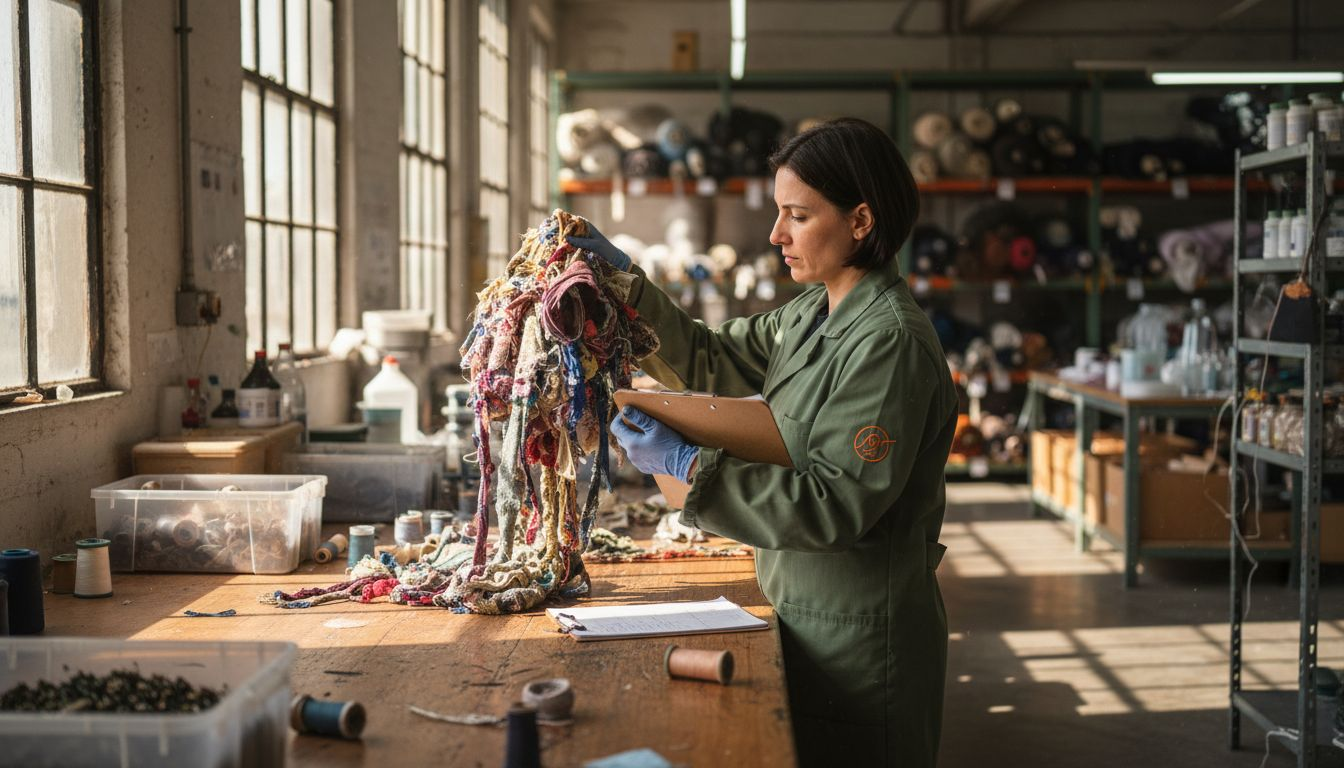
Sorting through sustainable textile options can feel overwhelming when you want your projects to be both stylish and eco-friendly. Many North American makers are surprised by the complexity and misconceptions surrounding recycled fabrics, especially as they gain popularity in home decor and apparel. This guide clears up common myths and highlights how repurposing discarded textiles into new materials can make a real difference for both your creative ventures and the environment.
| Point | Details |
|---|---|
| Recycled Fabrics Promote Sustainability | Recycled fabrics repurpose discarded materials, significantly reducing waste and environmental impact. |
| Misconceptions Abound | Many consumers mistakenly believe recycled textiles are of lower quality or more expensive than new materials. |
| Diverse Material Types Exist | Key types of recycled textiles include Wool, Polyester, Cotton, and Nylon, each with specific uses. |
| Economic Viability is Increasing | Technological advancements have made recycled fabrics more cost-competitive with traditional textiles, enhancing their adoption. |
Recycled fabrics represent a transformative approach to textile production that repurposes existing materials into new textile products. These innovative materials primarily come from discarded clothing and textiles within the municipal solid waste stream, offering a sustainable alternative to traditional fabric manufacturing. Textile recycling data from the EPA reveals that in 2018, approximately 17 million tons of textiles were generated in the United States, with only a 14.7% recycling rate.
The process of creating recycled fabrics involves several key steps:
Despite growing interest, several persistent myths continue to circulate about recycled fabrics. Sustainable fashion research highlights that many consumers mistakenly believe recycled textiles are significantly more expensive or lower in quality compared to virgin materials. In reality, recycled polyester has become increasingly price-competitive, challenging these long-standing misconceptions.
Common Myths About Recycled Fabrics:
Understanding the nuanced reality of recycled fabrics requires recognizing both their potential and limitations. While they aren’t a complete solution to environmental challenges, recycled textiles represent an important step toward more sustainable manufacturing practices.
Pro tip: When exploring recycled fabrics, request samples to personally assess quality and performance before committing to larger purchases.
Recycled textiles represent a diverse and innovative approach to sustainable material production, offering multiple pathways for transforming discarded fabrics into valuable new resources. Recycled wool technologies demonstrate the remarkable potential of textile recycling, showcasing how traditional materials can be reimagined and repurposed through advanced processing techniques.
Key categories of recycled textiles include:
Recycled Polyester has emerged as a particularly significant sustainable textile option. Innovative recycling methods allow manufacturers to transform post-consumer plastic waste into high-performance yarns, reducing dependence on virgin fossil resources. This process involves mechanically breaking down plastic materials, melting them, and reforming them into new textile fibers with comparable strength and durability to virgin polyester.
Wool Recycling Techniques offer another compelling example of textile sustainability. Closed-loop and open-loop recycling methods enable wool to be reprocessed multiple times, creating new garments or repurposing fibers for industrial applications like insulation. These approaches extend the material’s lifecycle and significantly reduce environmental impact.
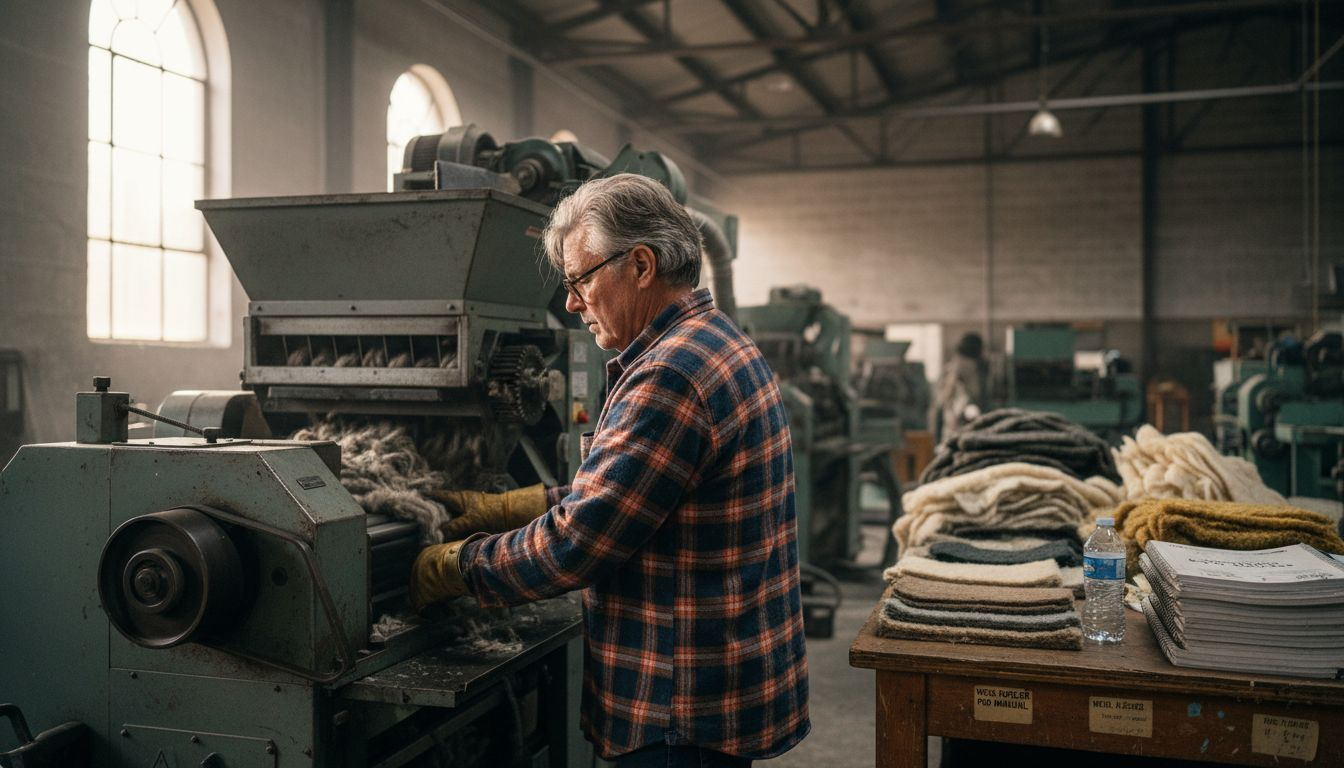
Here’s a comparison of major recycled textile types and their typical use cases:
| Recycled Textile Type | Source Material | Common End Uses |
|---|---|---|
| Wool | Used garments | New clothing, insulation |
| Polyester | Plastic waste | Activewear, upholstery |
| Cotton | Old textiles | Denim, home fabrics |
| Nylon | Industrial scrap | Swimwear, outerwear |
| Blended Fabrics | Mixed fibers | Bags, accessories |
Emerging Recycled Textile Categories:
Pro tip: When selecting recycled textiles, examine the specific recycling process and verify the material’s performance characteristics to ensure it meets your project requirements.
Recycled fabric production represents a complex and innovative process that transforms discarded textiles into valuable new materials. Textile recycling technologies involve multiple sophisticated stages that convert waste materials into functional, high-quality fabrics through intricate mechanical and chemical processes.
The recycling process typically follows these key stages:
Mechanical Recycling Methods involve physically breaking down textile fibers through shredding and re-spinning processes. This approach works particularly well with natural fibers like cotton and wool, where materials can be mechanically transformed without significant chemical intervention. Textile afterlife strategies demonstrate how discarded clothes can be converted into industrial materials or reprocessed into new textile products.
Chemical Recycling Techniques offer an advanced alternative for synthetic fabrics. These methods involve breaking down polymer chains to their fundamental molecular components, effectively recreating virgin-quality fibers. This approach allows for more complex textile transformations, particularly with challenging synthetic materials like polyester and nylon.
Key Recycling Technologies:
Pro tip: Research the specific recycling method used for your chosen fabric to understand its environmental impact and performance characteristics.
Textile recycling represents a powerful approach to addressing environmental challenges in the fashion and manufacturing industries. Sustainable material strategies demonstrate significant potential for reducing the ecological footprint of textile production through innovative recycling techniques.
Key Environmental Benefits of Textile Recycling:
Greenhouse Gas Reduction plays a crucial role in the environmental impact of textile recycling. By transforming waste materials into new fabrics, manufacturers can substantially lower the carbon emissions associated with traditional textile production. Comprehensive recycling research reveals that recycling processes can dramatically cut greenhouse gas emissions compared to virgin material production.
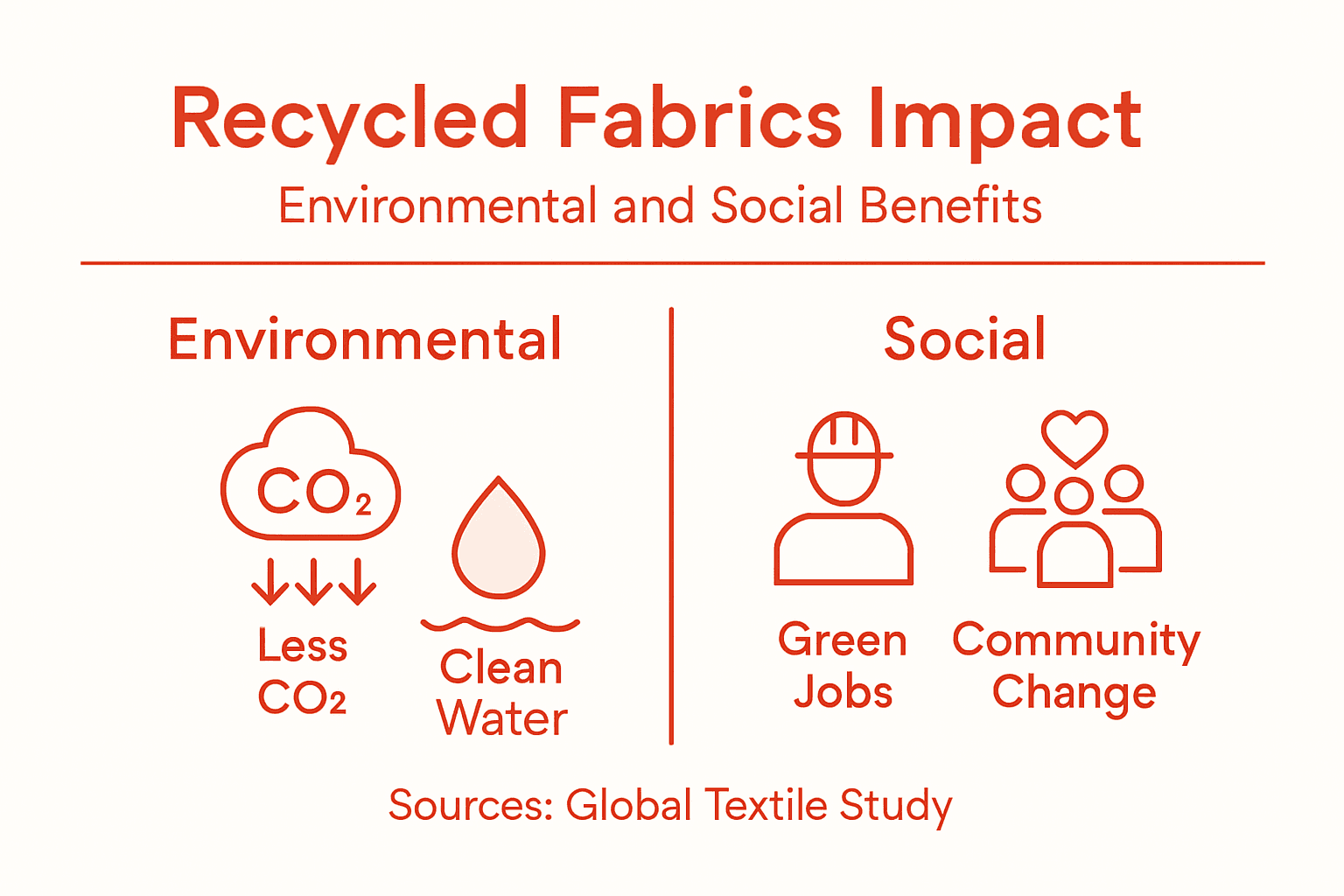
Social Implications of textile recycling extend beyond environmental considerations. The recycling ecosystem creates new economic opportunities, particularly in communities that can develop infrastructure for collecting, sorting, and processing discarded textiles. This approach supports circular economic models that generate jobs and promote sustainable development.
Critical Social Impact Areas:
This summary outlines environmental and social impact advantages of textile recycling:
| Area | Impact Highlights | Example Benefit |
|---|---|---|
| Environmental | Lower carbon emissions | Less CO2 in atmosphere |
| Social | New job creation | Economic growth in regions |
| Resource Use | Reduced water & chemical use | Less pollution, conservation |
| Waste | Landfill waste minimized | Cleaner environments |
Pro tip: Investigate local textile recycling programs to understand how your community can contribute to sustainable textile ecosystems.
Recycled fabrics have evolved significantly, addressing historical concerns about cost and performance. Recycled textile economics demonstrate that technological advancements have made recycled materials increasingly competitive with traditional textile production methods.
Key Economic Considerations:
Cost Dynamics have transformed dramatically in recent years. What was once considered an expensive alternative has now become increasingly price-competitive, particularly for synthetic materials like polyester. Textile recycling research indicates that initial higher investment costs are offset by long-term environmental and economic benefits.
Performance Challenges remain a critical consideration for manufacturers and designers. While recycled fabrics have made substantial improvements, variability in fiber quality can still present obstacles. Factors such as fiber length, contamination levels, and processing methods directly impact the final textile’s strength, durability, and aesthetic qualities.
Primary Performance Considerations:
Pro tip: Request comprehensive material testing reports when considering recycled fabrics to ensure they meet your specific performance standards.
Choosing between recycled and conventional fabrics requires careful evaluation of multiple factors beyond simple material composition. Fabric selection strategies reveal complex considerations that extend far beyond initial perceptions of environmental impact.
Key Comparative Factors:
Environmental Footprint represents the most significant distinguishing factor between recycled and conventional fabrics. Recycled materials typically demonstrate substantially lower carbon emissions and reduced resource consumption compared to virgin textile production. Chemical processing, energy use, and raw material extraction play critical roles in determining the overall ecological impact of fabric production.
Certification Standards provide crucial transparency in fabric selection. Recycled textile verification through global standards like the Recycled Claim Standard help consumers and manufacturers make informed decisions about material sourcing. These certifications ensure accountability by verifying recycled content percentages and confirming responsible production practices.
Comparative Performance Considerations:
Pro tip: Request detailed material certifications and third-party lifecycle assessments when comparing recycled and conventional fabric options to make the most informed sustainable choice.
Choosing recycled fabrics is a powerful step toward reducing environmental impact while creating beautiful and durable products. If you are looking to embrace sustainability and want textiles that align with the eco-conscious values highlighted in this article, explore our extensive selection of fabrics designed for ethical fashion and creative craftsmanship. Whether you need high-quality materials for apparel or innovative textiles for your next project, our fashion collection offers a variety of options that support your green goals.
Start transforming your ideas into environmentally responsible creations today by shopping with us at fabric-fabric.com. Dive into fabrics that balance performance and sustainability, and take advantage of our expert descriptions and helpful suggestions to ensure your project succeeds without compromise. Don’t wait – join the movement toward a greener future through smarter fabric choices now. Also, check out our specialized Fashion - Pocketing Fabric to complete your garment projects with sustainable, supportive materials.
Recycled fabrics are made from repurposed materials, primarily discarded textiles and garments, transformed into new textile products, offering a sustainable alternative to traditional fabric manufacturing.
Using recycled fabrics significantly reduces environmental impact by lowering CO2 emissions, conserving natural resources, and minimizing landfill waste, making them a more eco-friendly choice for various projects.
The production of recycled fabrics involves collecting used textiles, sorting them by fiber type, cleaning, and then processing them through mechanical or chemical methods to create new materials that maintain strength and quality.
No, recycled fabrics, particularly materials like recycled polyester and wool, can achieve comparable quality and performance to virgin materials, often used effectively in various applications like activewear, clothing, and home textiles.