

 Canadian Dollars

Why Use Lining Fabric? Enhancing DIY Home Decor
Posted by BLG on 2026 Jan 15th
Posted by BLG on 2026 Jan 15th

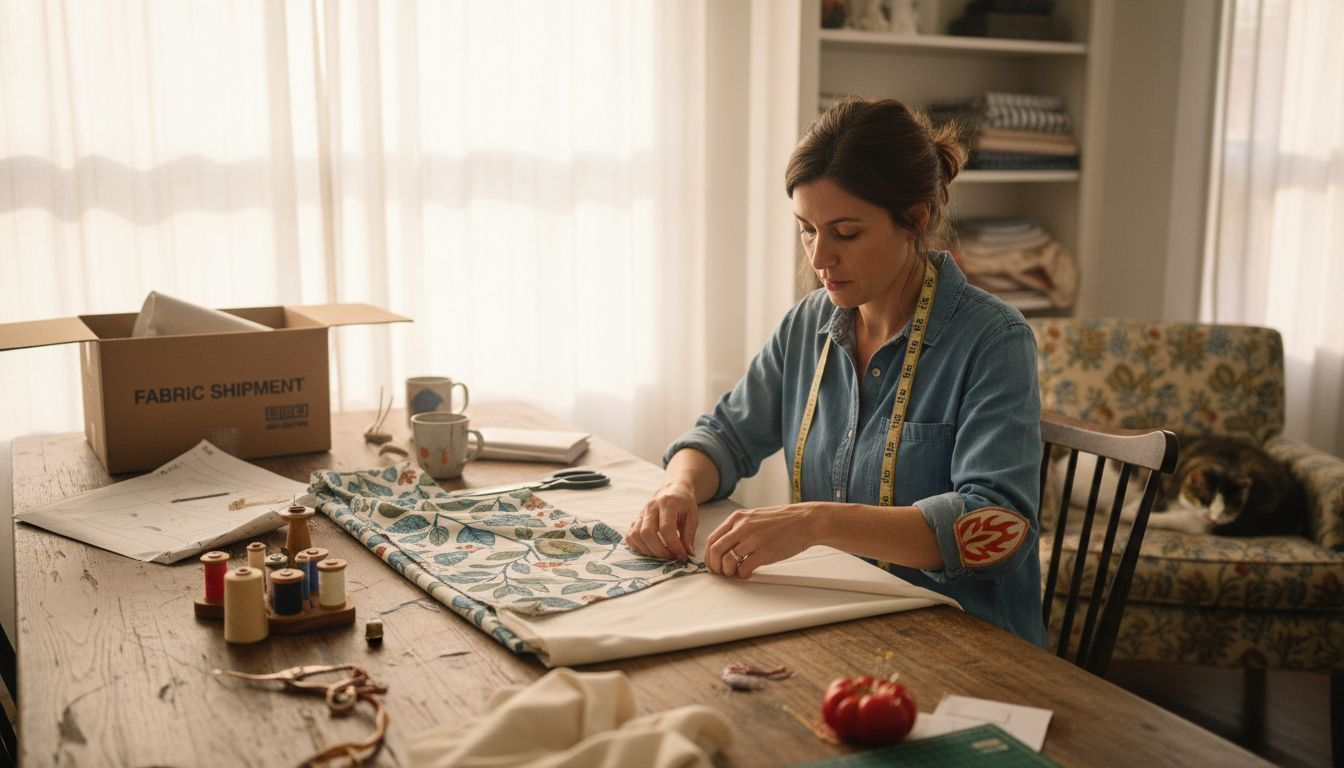
Most American DIY decorators overlook one simple upgrade that can dramatically improve their home sewing projects. Nearly 80 percent of finished textiles rely on lining fabric for enhanced durability and a flawless finish. Whether you want your curtains to drape beautifully or hope for a professional look in handmade garments, choosing the right lining transforms results. This guide breaks down myths about lining fabric and shows practical ways to select options that boost comfort, longevity, and style in every project.
| Point | Details |
|---|---|
| Lining Fabric Importance | Lining fabric enhances durability, comfort, and style in garments and home decor, serving essential functional roles. |
| Material Variability | Different materials such as polyester, cotton, silk, and mesh offer unique benefits tailored to specific projects and conditions. |
| Cost and Care Considerations | Selecting linings involves balancing cost, care requirements, and project needs, with synthetic options usually being budget-friendly. |
| Alternative Techniques | Exploring alternatives like underlining and interlining can provide similar benefits with reduced costs and complexity for DIY projects. |
Lining fabric is an essential interior layer designed to transform and enhance home decor and garment projects. Supportive inner fabric acts as a critical component that provides structural integrity, comfort, and a polished aesthetic to various textile applications.
At its core, lining fabric serves multiple practical purposes beyond simple decoration. It conceals raw edges, adds durability, and creates a smooth interior surface that makes garments and home textiles more comfortable and professional looking. Common lining materials include polyester taffeta, Bemberg Cupro, Sherpa, and mesh fabrics, each offering unique characteristics suited to different project requirements.
Contrary to popular misconceptions, lining fabric is not just a decorative afterthought. It plays a crucial role in maintaining garment shape, reducing wear and tear, and improving overall wearability. Synthetic fabrics like viscose, rayon, and polyester are particularly effective in creating linings that minimize wrinkles and provide structural support.
Pro tip: When selecting lining fabric, always consider the weight, drape, and intended use of your project to ensure optimal performance and comfort.
When selecting lining fabrics for home decor and sewing projects, understanding the unique characteristics of different materials is crucial. Common lining fabric types range from polyester and cotton to luxurious silk and practical mesh, each offering distinct advantages for specific applications.
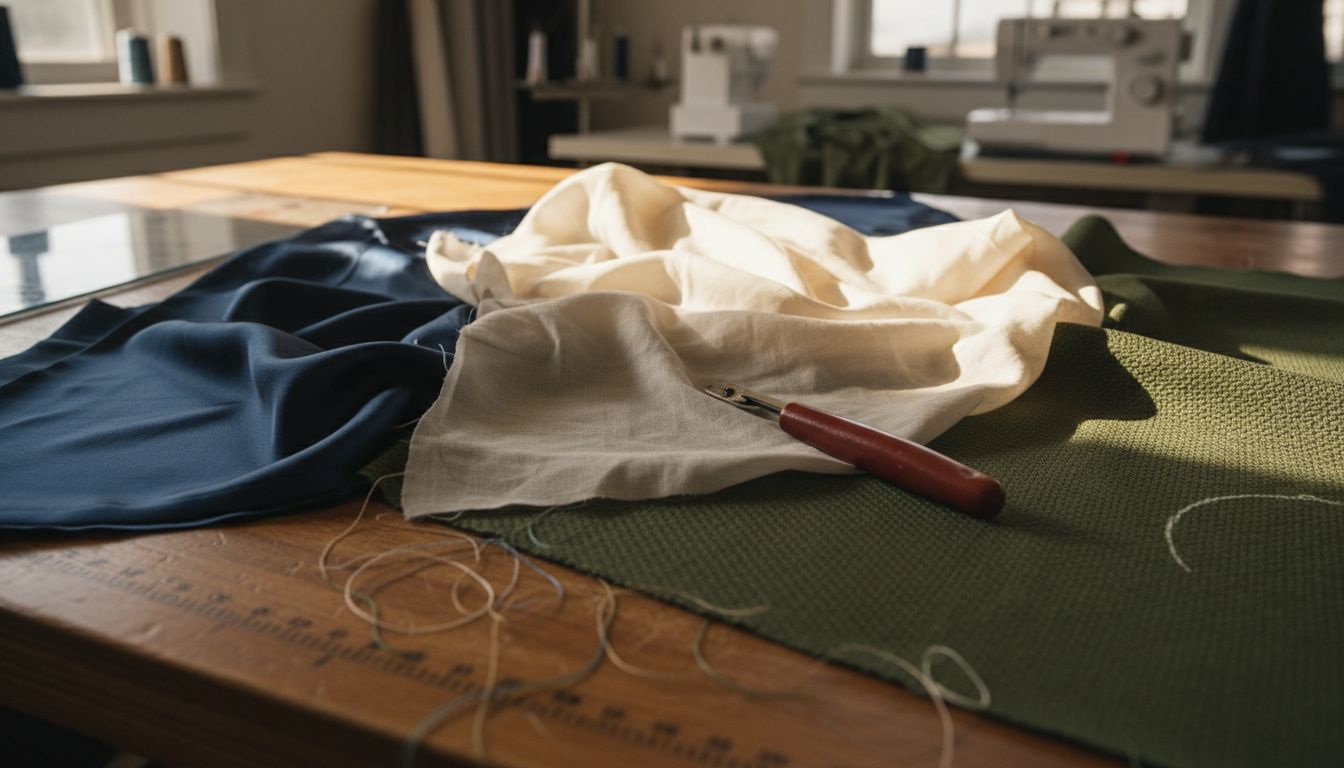
Synthetic Linings like polyester are incredibly popular due to their exceptional durability and crease resistance. They provide a smooth, lightweight interior that works well in garments and home textiles. How to Select Lining Fabric becomes easier when you understand the performance characteristics of each material.
Natural fabric linings offer unique benefits for specific projects. Cotton provides breathability and comfort, making it ideal for summer clothing and lightweight home decor items. Silk and satin linings add a touch of luxury, creating a smooth, elegant finish that elevates the overall quality of your sewing project. Mesh fabrics are excellent for creating ventilation and lightweight structure in athletic wear or summer garments.
Comparison of Lining Fabric Types:
Pro tip: Always pre-wash your lining fabric to prevent shrinkage and test its compatibility with your main fabric before completing your final project.
Here’s how popular lining fabrics compare for key sewing and decor needs:
| Fabric Type | Best Use Case | Care Difficulty | Typical Cost Range |
|---|---|---|---|
| Polyester | Everyday garments and drapery | Easy (machine wash) | Low to moderate |
| Cotton | Summer clothing and curtains | Easy (machine wash) | Low |
| Silk | Luxury fashion and fine decor | High (dry clean) | High |
| Mesh | Sportswear, breathable panels | Easy (machine wash) | Low |
Lining fabrics play a critical role in transforming home decor and garment projects through their multifaceted performance characteristics. Lining fabrics serve multiple functions that go far beyond simple aesthetic considerations, providing essential structural and practical benefits to textiles.
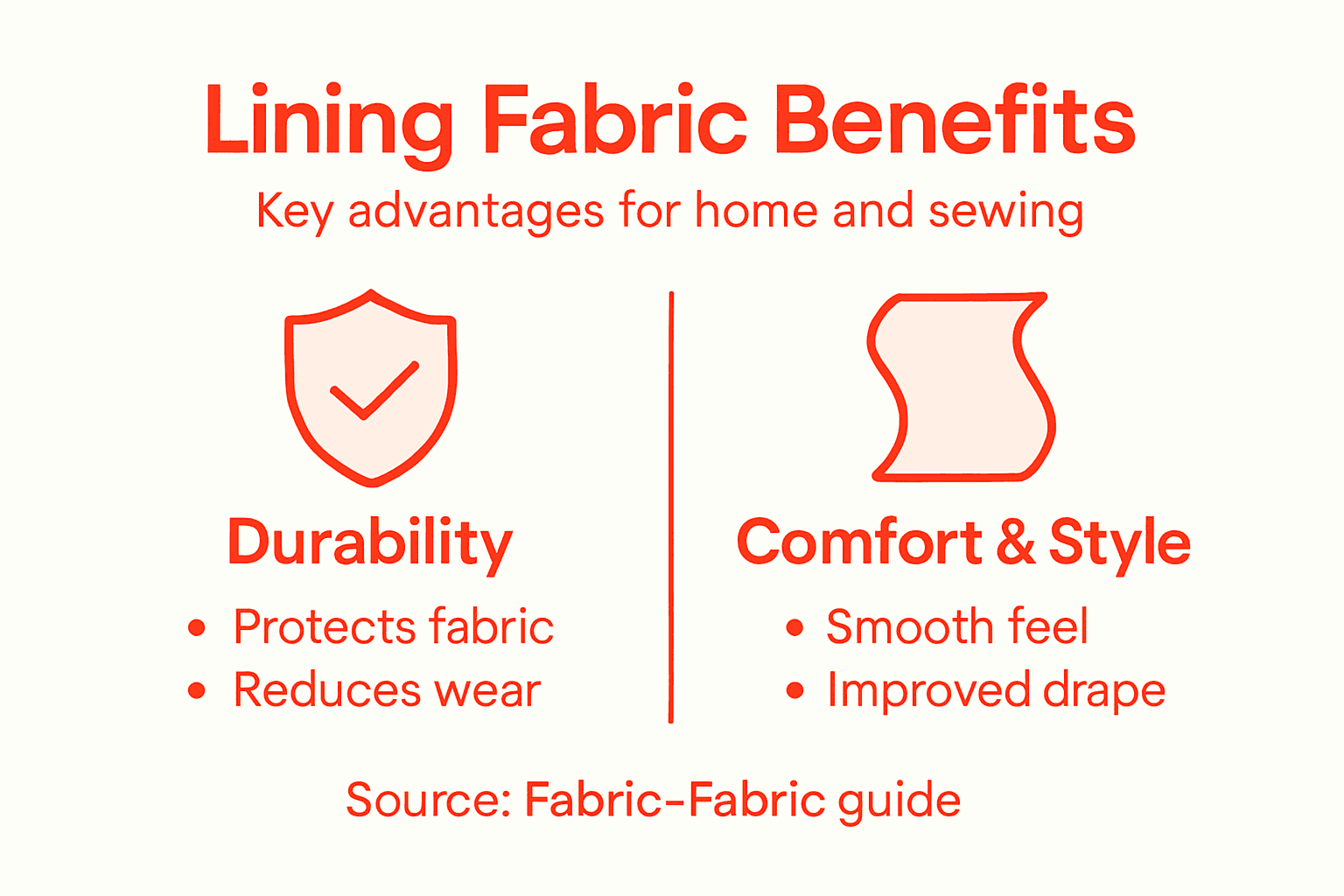
Durability is a primary function of lining fabrics. By creating a protective inner layer, linings shield the outer fabric from direct wear and tear, significantly extending the lifespan of garments and home textiles. This protective barrier prevents friction, reduces stretching, and maintains the original shape of the material, ensuring your projects look pristine even after repeated use.
Comfort and Style are equally important aspects of lining fabrics. Specialized textile features can include moisture-wicking properties, temperature regulation, and antibacterial protection. These innovative characteristics transform linings from mere background elements to essential components that enhance the wearer’s experience. Stylistically, linings provide a neat, polished interior finish that conceals construction details and elevates the overall quality of the project.
Key Performance Benefits of Lining Fabrics:
Pro tip: Select lining fabrics that complement both the functional requirements and aesthetic goals of your specific home decor or garment project.
Choosing the right lining fabric is a nuanced process that requires careful consideration of multiple factors beyond simple appearance. Home decor projects demand linings that not only complement the aesthetic but also provide functional benefits like structural support, protection, and enhanced performance.
Material Selection plays a critical role in lining effectiveness. Natural fibers like cotton offer breathability and soft texture, while synthetic materials such as polyester provide superior durability and resistance to environmental factors. For curtains and upholstery, fabric selection depends on specific project requirements including sunlight exposure, room humidity, and desired visual impact.
Key considerations for home decor lining selection include weight, color coordination, and functional performance. Heavier linings can provide insulation and protect fabrics from UV damage, while lighter linings enhance softness and prevent transparency. Color matching or intentional contrast can dramatically influence the room’s overall design aesthetic, transforming a simple textile into a statement piece.
Lining Fabric Selection Checklist:
Pro tip: Always obtain fabric samples and test how different lining materials interact with your primary fabric before making a final selection.
Lining fabric risks and costs extend beyond simple material selection, requiring careful consideration of multiple factors that impact project quality and budget. While linings offer significant benefits, they also introduce complexity and potential challenges for DIY home decor enthusiasts.
Cost Considerations play a critical role in lining fabric selection. Premium lining materials like silk can significantly increase project expenses, while synthetic options provide more budget-friendly alternatives. Understanding fabric performance trade-offs becomes essential when balancing quality, durability, and overall project economics.
Alternative techniques offer creative solutions for projects with specific constraints. Underlining can add opacity and structure without full lining, while interlining provides targeted insulation and body. These approaches allow DIY creators to achieve similar benefits with potentially lower costs and reduced complexity. Synthetic and natural fabric alternatives each present unique advantages depending on the specific home decor project requirements.
Potential Risks of Lining Fabrics:
Alternative Techniques:
This summary outlines how lining techniques impact home decor projects:
| Technique | Impact on Appearance | Impact on Function | Suitability |
|---|---|---|---|
| Full Lining | Smooth and polished look | Maximum protection, warmth | Curtains, suits |
| Underlining | Adds subtle opacity | Improves structure only | Sheer fabrics |
| Interlining | Not visible externally | Adds significant warmth | Winter drapes |
| Selective Lining | Improves targeted areas | Balances cost and benefit | Pillows, details |
Pro tip: Test fabric samples and calculate total project costs before committing to a specific lining approach to avoid unexpected expenses and performance issues.
Choosing the right lining fabric is essential to solving common challenges like durability, comfort, and achieving a polished finish in your DIY home decor projects. Whether you need fabrics that protect upholstery, add structure to curtains, or enhance the comfort of your cushions, understanding the distinct functions of linings can transform your creations from ordinary to extraordinary. Bold choices like polyester for durability or cotton for breathability ensure your work not only looks professional but lasts longer with enhanced comfort.
Explore a wide range of high-quality lining fabrics and textiles at Fabric-Fabric designed specifically to meet your project goals. Take advantage of expert guidance on How to Select Lining Fabric and find options tailored for home decor excellence. Start creating durable and stylish pieces today by shopping the full collection at Fabric-Fabric Online Store. Don’t wait to upgrade your DIY projects with linings that add structure, protection, and comfort all in one place.
Lining fabric is an inner layer used in garments and home textiles that provides structural integrity, comfort, and a polished look. It helps conceal raw edges, adds durability, and enhances the overall aesthetic of projects.
Common lining fabrics include polyester taffeta, Bemberg Cupro, cotton, silk, and mesh. Each type has its unique characteristics, such as durability, breathability, and comfort, making them suitable for different applications.
Lining fabric enhances comfort by reducing skin friction, minimizing wear and tear, and providing a smooth inner surface. Many synthetic linings also have moisture-wicking and temperature-regulating properties, which increase the wearability of garments.
Consider factors like the weight, color, and intended use of the fabric. Heavier linings offer insulation, while lighter ones enhance softness. Always test fabric samples to ensure compatibility with your main fabric before making a final selection.