

 US Dollar

Why Use Hand Dyed Fabrics for Unique Quilts
Posted by BLG on 2026 Feb 18th
Posted by BLG on 2026 Feb 18th

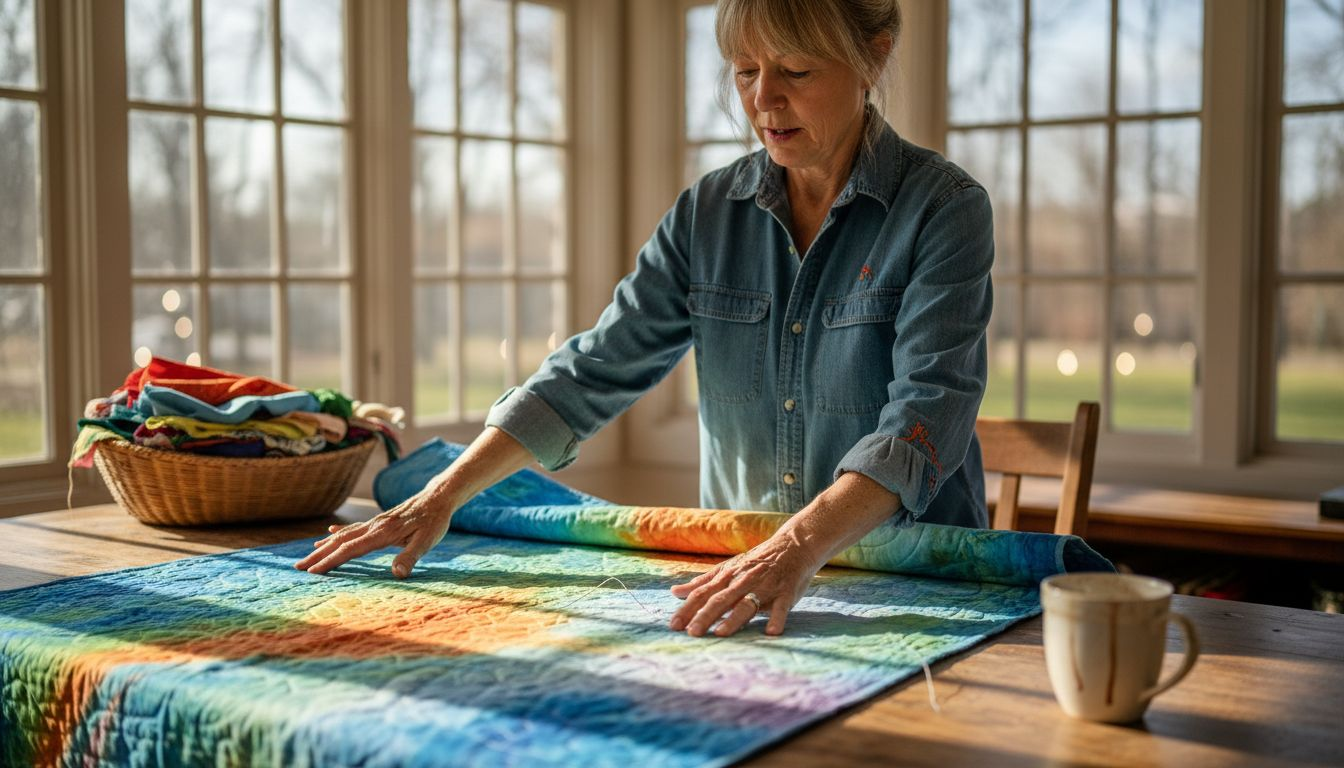
Finding that perfect, vibrant fabric often means searching for something truly unique. For many North American quilters, hand dyed fabrics offer more than just striking colors—they bring a story of craftsmanship and sustainable artistry to every project. Crafters get the chance to work with distinctive color variations and environmentally friendly materials, making each quilt both beautiful and responsible. Discover how hand dyed textiles can transform your quilting experience while honoring tradition and supporting small-scale artisans.
| Point | Details |
|---|---|
| Hand Dyed Fabrics Unique Characteristics | Hand dyed fabrics showcase natural color variations and artistic expression, making them distinct and desirable for quilting and crafting. |
| Sustainability Benefits | Hand dyeing supports lower environmental impact through reduced water usage and minimal chemical pollutants compared to mass production. |
| Practical Considerations | When using hand dyed fabrics, always test for color fastness and prepare fabrics by pre-washing to maintain design integrity. |
| Artisan Techniques and Value | Choose hand dyed materials to embrace cultural craftsmanship and unique storytelling through fabric, enriching your quilting projects. |
Hand dyed fabrics represent a unique textile art form where artisans manually apply color to fabric using specialized techniques. Traditional dyeing methods involve applying pigments directly onto textiles through meticulous, personalized processes that differ dramatically from industrial manufacturing approaches.
Unlike mass-produced fabrics, hand dyed textiles feature distinctive characteristics that make them prized by crafters and quilting enthusiasts. Key differences include:
Many quilters mistakenly believe hand dyed fabrics lack durability or color consistency. However, skilled artisans often use sophisticated techniques to ensure remarkable color fastness. Natural dye techniques involving mordants can create exceptionally stable, rich colors that maintain their vibrancy over time.
Fabric color origins range from plant-based dyes like indigo and madder to mineral and animal-derived pigments, each offering unique aesthetic qualities. Professional hand dyers carefully select materials and application methods to achieve specific color effects and textile characteristics.
Pro tip: When selecting hand dyed fabrics for quilting, always request color fastness testing and ask about the specific dyeing techniques used to ensure long-lasting, vibrant results.
Hand dyeing encompasses a rich array of artistic techniques that transform textiles through creative color application. Various hand dyeing methods range from intricate resist techniques to direct color immersion, each producing distinctive fabric designs and textures.
The primary hand dyeing techniques include:
Natural dye sources provide quilters with an incredible palette of environmentally friendly coloration options. These materials include plant-based pigments like indigo and madder, insect-derived colors such as cochineal, and mineral-based dyes that offer unique, rich hues.
Color extraction methods involve carefully boiling plant materials, using mordants to fix pigments, and applying specialized techniques to ensure color stability. Professional hand dyers understand how different fibers interact with various dye sources, creating vibrant and long-lasting textile designs.
Here’s a visual summary of common hand dyeing techniques and the unique effects they create:
| Technique | Visual Impact | Skill Level |
|---|---|---|
| Tie-dye | Bold, circular patterns | Beginner-friendly |
| Shibori | Geometric, complex designs | Intermediate |
| Batik | Detailed motifs, crisp lines | Advanced |
| Dip dyeing | Smooth ombré gradients | Beginner |
| Immersion dyeing | Even, solid coloration | Beginner |
Pro tip: Experiment with multiple dyeing techniques on sample fabrics before committing to a full quilting project to understand how different methods create unique color and texture effects.
Unique artistic qualities define hand dyed fabrics, setting them apart from mass-produced textiles. These fabrics embody a profound connection between artisan creativity and textile design, offering quilters an opportunity to incorporate truly distinctive elements into their projects.
The distinctive features of hand dyed fabrics include:
Intricate pattern techniques like bandhani and tie-dye demonstrate the incredible artistic potential of manual fabric coloration. Each piece becomes a canvas where the artisan’s skill transforms fabric through intentional and unpredictable color interactions.
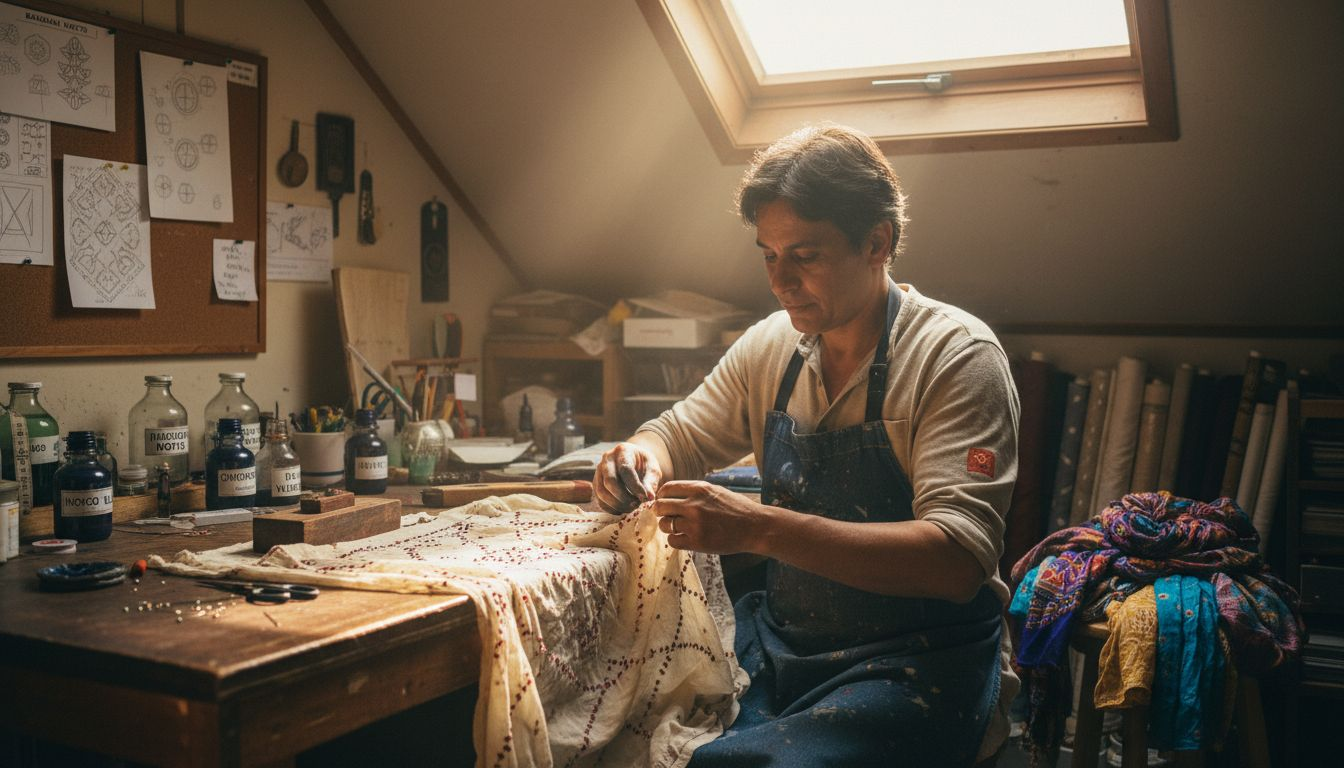
Textile storytelling emerges through these hand dyeing methods, where every fabric carries the marks of its creation. Quilters appreciate how these textiles transcend mere color application, becoming functional art pieces that celebrate individual creativity and cultural heritage.
Pro tip: Collect hand dyed fabric samples from different artisan techniques to build a diverse palette that adds visual complexity and personal narrative to your quilting projects.
Textile sustainability challenges represent a critical consideration for modern quilters seeking environmentally responsible crafting practices. Hand dyeing offers a more sustainable alternative to industrial textile coloration, minimizing the ecological footprint associated with traditional fabric production.
Key environmental benefits of hand dyeing include:
Natural dye sources provide quilters with an opportunity to create textiles that are not just visually unique, but also environmentally conscious. Plant-based and mineral pigments offer a renewable alternative to petroleum-based synthetic dyes, dramatically reducing the environmental impact of textile production.
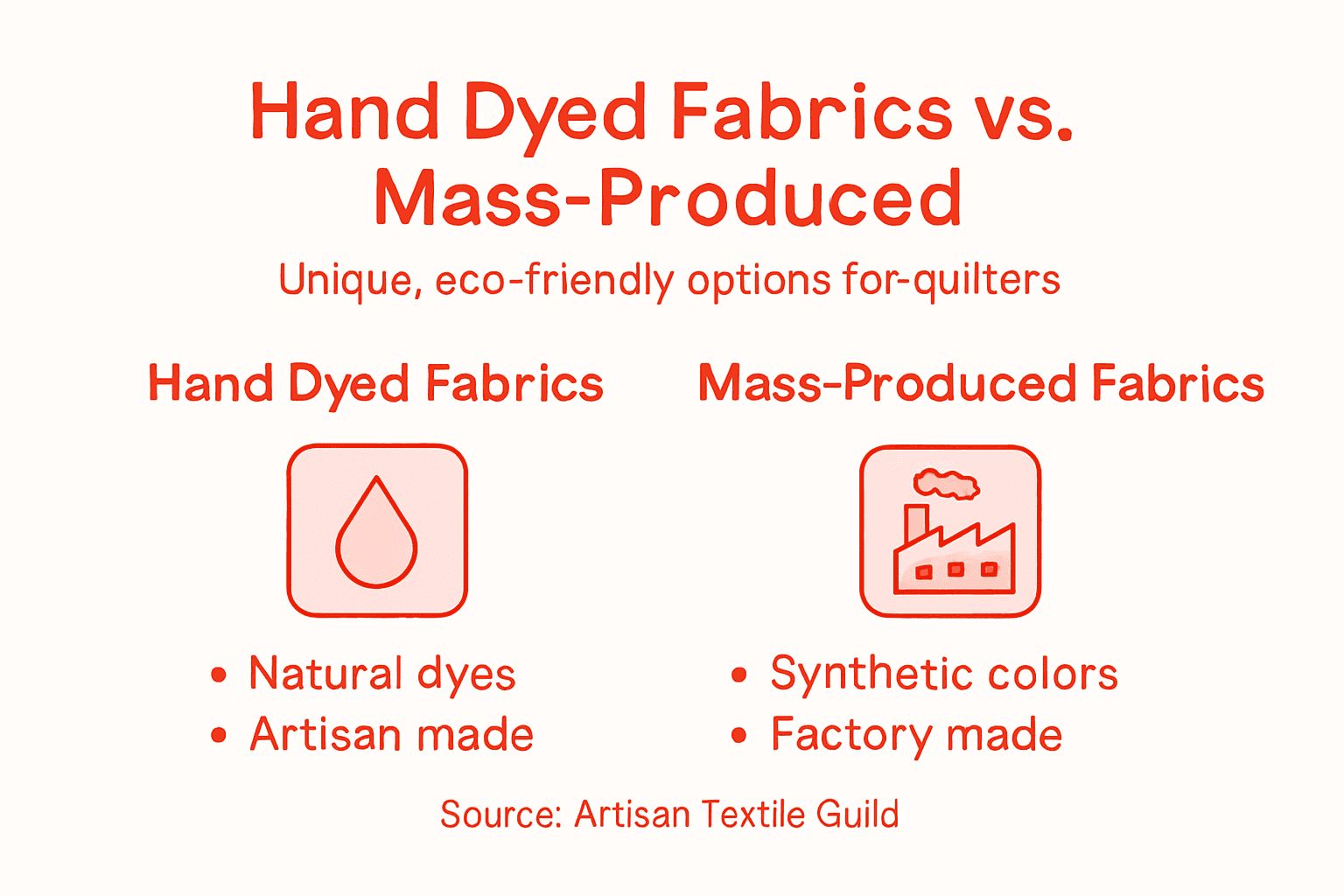
Quilters can actively contribute to sustainable textile practices by choosing hand dyed fabrics that prioritize ecological considerations. These textiles represent more than just a creative choice - they embody a commitment to reducing industrial environmental burden and supporting traditional craftsmanship.
The following table highlights key sustainability factors when choosing hand dyed fabrics:
| Sustainability Aspect | Hand Dyed Fabrics | Mass-Produced Fabrics |
|---|---|---|
| Water Usage | Often minimized by artisans | Typically very high |
| Chemical Safety | Relies on natural or safe mordants | Frequent synthetic chemicals |
| Community Support | Benefits local craftspeople | Supports large industries |
| Waste Generation | Minimal, managed locally | Significant, often global |
Pro tip: Research local artisan dyers who use organic, locally sourced materials to maximize the environmental benefits of your hand dyed fabric selections.
Textile production methods reveal stark differences between hand dyed and mass-produced fabrics that go far beyond simple aesthetic variations. Industrial textile manufacturing prioritizes efficiency and uniformity, while hand dyeing celebrates individual creativity and nuanced craftsmanship.
Key comparative characteristics include:
Color Consistency:
Environmental Impact:
Cultural Significance:
Artistic expression distinguishes hand dyed fabrics as more than just textile products. Handmade textile traditions carry inherent value through their imperfections, representing a connection to cultural heritage that machine-produced fabrics cannot replicate.
Quilters seeking depth, character, and sustainability increasingly recognize hand dyed fabrics as superior alternatives to mass-produced textiles. These fabrics offer not just visual uniqueness, but a profound narrative of craftsmanship and environmental consciousness.
Pro tip: Always test hand dyed fabric samples for color fastness and compatibility with your specific quilting technique before integrating them into larger projects.
Hand quilting techniques require patience, practice, and understanding of fundamental skills that transform hand dyed fabrics into stunning quilted masterpieces. Beginners should approach quilting as a journey of creative exploration, embracing both technical precision and artistic improvisation.
Key practical tips for working with hand dyed fabrics include:
Needle Selection:
Thread Considerations:
Tension Management:
Quilting pattern selection plays a critical role in enhancing hand dyed fabric’s unique characteristics. Techniques like Baptist fan quilting or freehand designs can complement the organic, unpredictable nature of hand dyed textiles, creating visual depth and artistic narrative.
Fabric preparation remains crucial when working with hand dyed materials. Always pre-wash and press fabrics to prevent unexpected shrinkage or color bleeding, ensuring your final quilt maintains its intended design and color integrity.
Pro tip: Create a small test square using your hand dyed fabric and planned quilting technique to preview how colors and stitches will interact before committing to your full project.
Discover how the unique color variations and artistic qualities of hand dyed fabrics can transform your quilts into true masterpieces. Many quilters face the challenge of finding fabrics that offer both vibrant individuality and lasting quality. By choosing hand dyed textiles, you embrace subtle gradients, rich textures, and a meaningful story behind each piece, elevating your crafting experience.
Explore a curated collection that supports sustainability and artisan craftsmanship. Find exquisite options like our Fashion - Linen Fabric - Handkerchief Linen selection or add a refined touch with fabrics great for home projects at Home Decor - Linen fabric - Handkerchief Linen.
Ready to bring unmatched beauty and depth to your quilting projects? Visit fabric-fabric.com today and start selecting unique hand dyed fabrics that tell your creative story. Don’t wait because your next one-of-a-kind quilt deserves fabrics as exceptional as your vision.
Using hand dyed fabrics enhances the visual and artistic quality of quilts, providing unique color variations and textures that are not achievable with mass-produced fabrics. They allow for greater artistic expression and customization in quilting projects.
Hand dyed fabrics feature unique color variations, irregularities, and a connection to traditional craftsmanship, while mass-produced fabrics are uniform and predictable. Hand dyed fabrics also have a lower environmental impact due to less chemical processing and reduced water usage.
Yes, skilled artisans use techniques that ensure hand dyed fabrics are durable and colorfast. Techniques involving mordants create stable, vibrant colors that maintain their integrity over time, challenging the misconception that hand dyed fabrics are less durable.
You can experiment with various hand dyeing techniques such as tie-dye, shibori, batik, dip dyeing, and immersion dyeing. Each technique offers unique color applications and patterns that can enhance your quilting designs.