

 US Dollar

Why Select Organic Textiles for Eco-Conscious Design
Posted by BLG on 2026 Jan 28th
Posted by BLG on 2026 Jan 28th


Finding truly sustainable textiles can leave even the most passionate designer second-guessing every fabric choice. Clear definitions and credible certifications have become non-negotiable for those dedicated to responsible sourcing. By understanding what makes a textile genuinely organic and debunking widespread myths, designers and home decorators can feel confident selecting materials that support authentic environmental stewardship and human well-being.
| Point | Details |
|---|---|
| Importance of Certifications | Always request official certification documentation when purchasing organic textiles to ensure genuine sustainability. |
| Understanding Organic Textiles | Not all naturally derived fibers qualify as organic; look for third-party certifications and traceability. |
| Sustainability Benefits | Organic textiles help preserve biodiversity, reduce pollution, and promote human health through chemical-free practices. |
| Financial Considerations | While organic textiles may have higher initial costs, they offer long-term savings and value in sustainable practices. |
Organic textiles represent a critical evolution in sustainable design, moving beyond traditional fabric production to prioritize environmental responsibility and ethical manufacturing. Unlike conventional textiles, organic textiles are produced using methods that minimize ecological impact and protect human health throughout the entire supply chain.
The Global Organic Textile Standard provides a comprehensive framework for defining what truly constitutes an organic textile. According to this internationally recognized standard, organic textiles must meet rigorous criteria that encompass every stage of production:
Common myths surrounding organic textiles often stem from misunderstandings about certification and production standards. Many consumers mistakenly believe that any naturally derived fiber automatically qualifies as organic, which is not the case. Textile authentication processes reveal that genuine organic textiles require comprehensive verification beyond simple material origin.
Designers and consumers should be aware of key distinguishing factors that separate authentic organic textiles from conventional alternatives. These include third-party certifications, transparent supply chain documentation, and verifiable environmental standards that go far beyond surface-level sustainability claims.
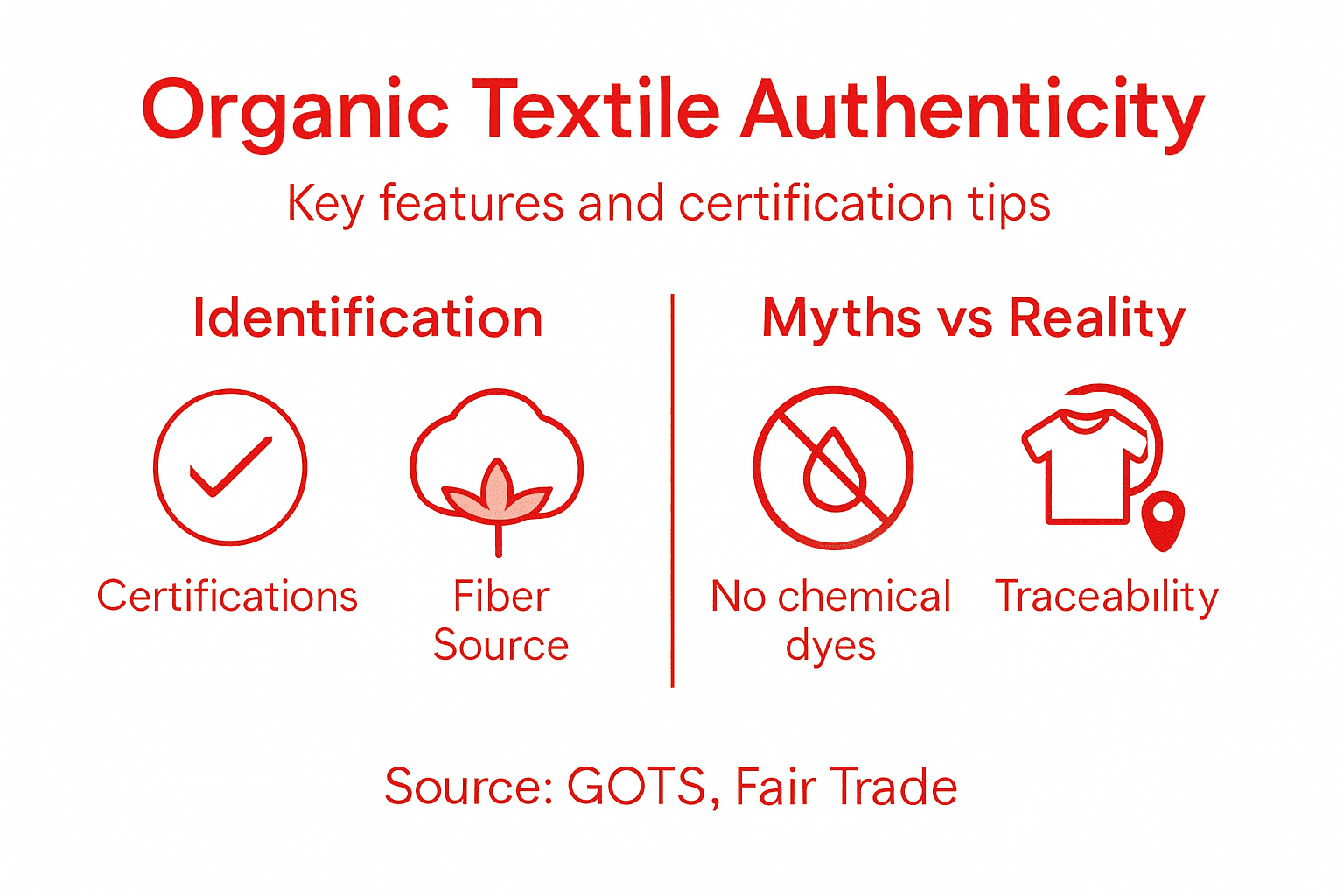
Pro tip: Always request official certification documentation when purchasing organic textiles to ensure you’re receiving genuinely sustainable materials.
The landscape of organic textiles continues to evolve, with sustainable fiber production becoming increasingly sophisticated and diverse. Organic fiber trends demonstrate a significant shift towards environmentally responsible textile manufacturing, highlighting innovative materials that prioritize ecological integrity.
According to the Global Organic Textile Standard, several key organic textile types are anticipated to dominate sustainable design in 2026:
Plant-based and animal-based organic fibers each offer unique characteristics that appeal to eco-conscious designers. Organic textile production requires rigorous certification processes that ensure no toxic chemicals, pesticides, or genetic modifications compromise the fabric’s sustainability.
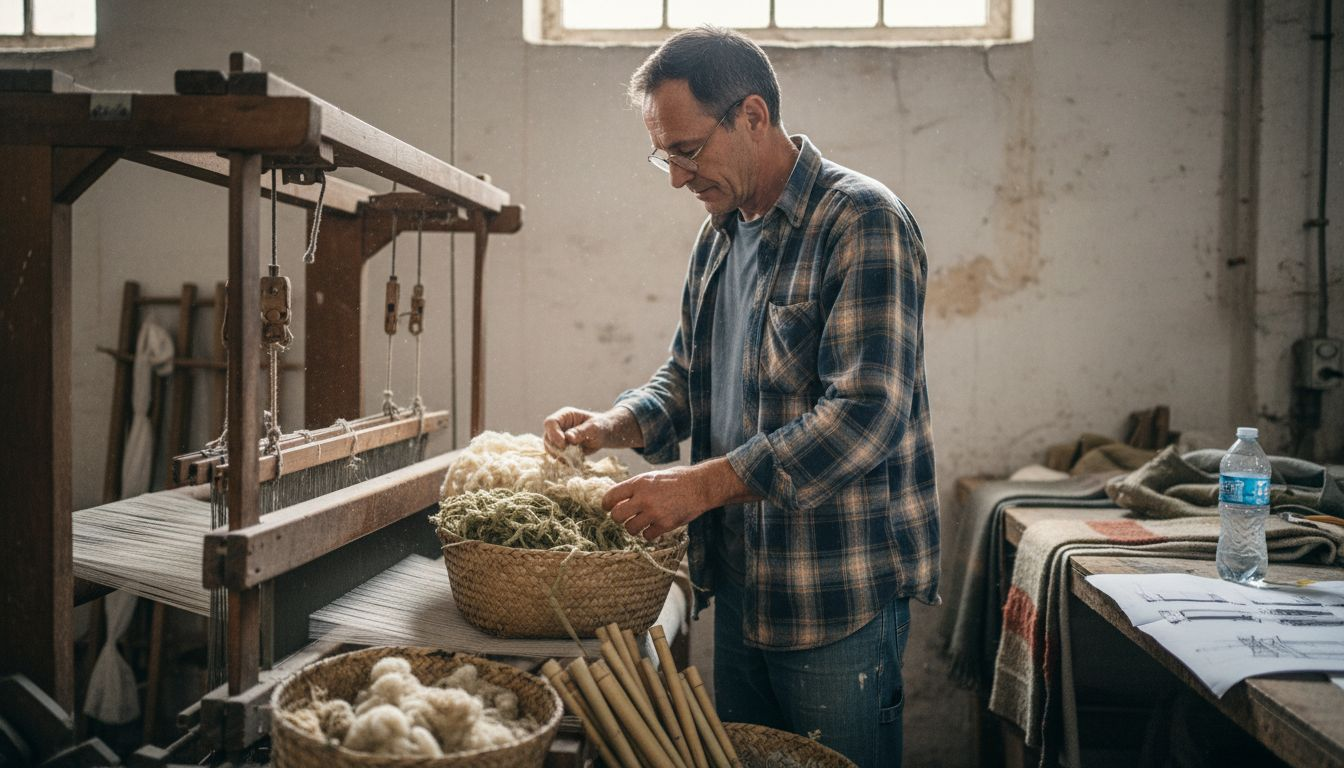
Moreover, these organic textiles are not just environmentally responsible but also deliver superior quality and performance. Designers can select materials that reduce ecological footprints while maintaining exceptional aesthetic and functional standards.
Here’s a summary comparing major organic textile types in terms of sustainability and performance:
| Textile Type | Sustainability Highlights | Unique Performance Traits |
|---|---|---|
| Organic Cotton | Low pesticide use, renewable | Soft, versatile, breathable |
| Hemp Fabric | Minimal water, fast growth | Durable, UV resistant |
| Organic Wool | Ethical animal care, biodegradable | Warm, moisture wicking |
| Linen | Biodegradable, efficient farming | Lightweight, cooling |
| Organic Silk | Eco-friendly sericulture | Smooth, luxurious texture |
Pro tip: Research the specific certification standards for each organic textile type to ensure authentic sustainable sourcing.
Organic textiles represent far more than an aesthetic choice—they are a critical pathway to environmental conservation and human well-being. Sustainable textile practices demonstrate a holistic approach that addresses both ecological preservation and human health protection.
The core sustainability benefits of organic textiles include:
Organic fiber production dramatically reduces chemical exposure risks for farmers, textile workers, and end consumers. By prohibiting toxic substances throughout the manufacturing process, these textiles create a safer ecosystem for human interaction and environmental sustainability.
Health implications extend beyond immediate production environments. Organic textiles minimize potential allergen exposure, reduce skin irritation risks, and provide a cleaner alternative to conventionally produced fabrics. These materials represent a comprehensive approach to wellness that considers environmental and personal health as interconnected systems.
Pro tip: Request third-party certification documentation when purchasing organic textiles to verify their authentic sustainability credentials.
Ethical textile production relies on comprehensive certification systems that ensure transparency, environmental responsibility, and social accountability. Sustainable textile certifications play a critical role in transforming industrial practices and consumer expectations across the global design landscape.
Key certification standards include:
Global Organic Textile Standard provides the most rigorous framework for verifying organic textile production. This certification demands strict environmental criteria, social responsibility standards, and comprehensive supply chain traceability, ensuring that every stage of textile manufacturing meets exceptional ethical benchmarks.
Certification goes beyond simple compliance—it represents a commitment to systemic change in textile production. These standards create accountability mechanisms that protect workers, minimize environmental impact, and provide designers with transparent, responsible material sourcing options.
Pro tip: Always request detailed certification documentation and verify the authenticity of organic textile claims before making purchasing decisions.
Compare how leading certification systems impact ethical textile production:
| Certification | Main Focus | Impact on Industry |
|---|---|---|
| GOTS | Full supply chain, organic | Raises global standards |
| OEKO-TEX | Chemical safety, human ecology | Improves consumer trust |
| bluesign | Environmental, worker safety | Reduces production risks |
| Fair Trade | Labor fairness, compensation | Supports wage improvement |
| USDA Organic | Agricultural practices | Ensures purity of fibers |
Sustainable textile production involves nuanced economic considerations that extend far beyond simple price comparisons. Organic textile economics reveal complex financial dynamics that challenge traditional manufacturing assumptions.
Key financial tradeoffs between organic and conventional textiles include:
Textile market analysis demonstrates that while organic textiles currently have higher upfront expenses, growing market demand is gradually offsetting these additional costs. Designers and manufacturers can expect increasingly competitive pricing as sustainable production scales and becomes more efficient.
The economic model for organic textiles represents an investment in systemic change, prioritizing long-term environmental and social benefits over short-term financial metrics. By supporting sustainable practices, designers contribute to a more resilient and responsible textile ecosystem that generates value beyond immediate monetary considerations.
Pro tip: Consider the total lifecycle cost of textiles, not just the initial purchase price, when evaluating sustainable material investments.
Designers and crafters face the challenge of finding genuine organic textiles that meet strict sustainability and ethical standards. The article highlights the importance of certified materials like those complying with the Global Organic Textile Standard to ensure your projects do not contribute to environmental harm or health risks. When you prioritize fabrics with transparent sourcing and verified certifications, you elevate both the impact and integrity of your designs.
Discover an extensive selection of quality fabrics at Fabric-Fabric crafted for apparel, home decor, quilting, and more. Our easy-to-navigate platform makes it simple to find the perfect sustainable material that aligns with your eco-conscious values. Whether you need versatile organic cotton, delicate lace, or durable upholstery fabrics, our detailed product descriptions and customer-focused service help you shop confidently.
Start creating with organic textiles now and make a difference in the world of design.
Explore authentic organic textile options today at Fabric-Fabric and take advantage of seasonal discounts and free shipping offers. Visit our homepage and browse collections tailored to support your sustainable projects while enjoying a smooth shopping experience designed with your needs in mind.
Organic textiles are fabrics produced using methods that prioritize environmental responsibility and ethical manufacturing, often certified through rigorous standards such as the Global Organic Textile Standard (GOTS).
Organic textiles offer numerous benefits including reduced environmental impact, elimination of harmful chemicals, support for biodiversity, and improved health for farmers, workers, and consumers.
To verify if a textile is genuinely organic, look for third-party certifications such as GOTS, OEKO-TEX, or Fair Trade, and request the official certification documentation when making a purchase.
Organic textiles often provide superior quality and performance, as they are sourced sustainably without toxic chemicals. They maintain exceptional aesthetic and functional standards while being kinder to the environment.