

 US Dollar

What Is Voile Fabric and Why It Matters
Posted by BLG on 2026 Feb 24th
Posted by BLG on 2026 Feb 24th

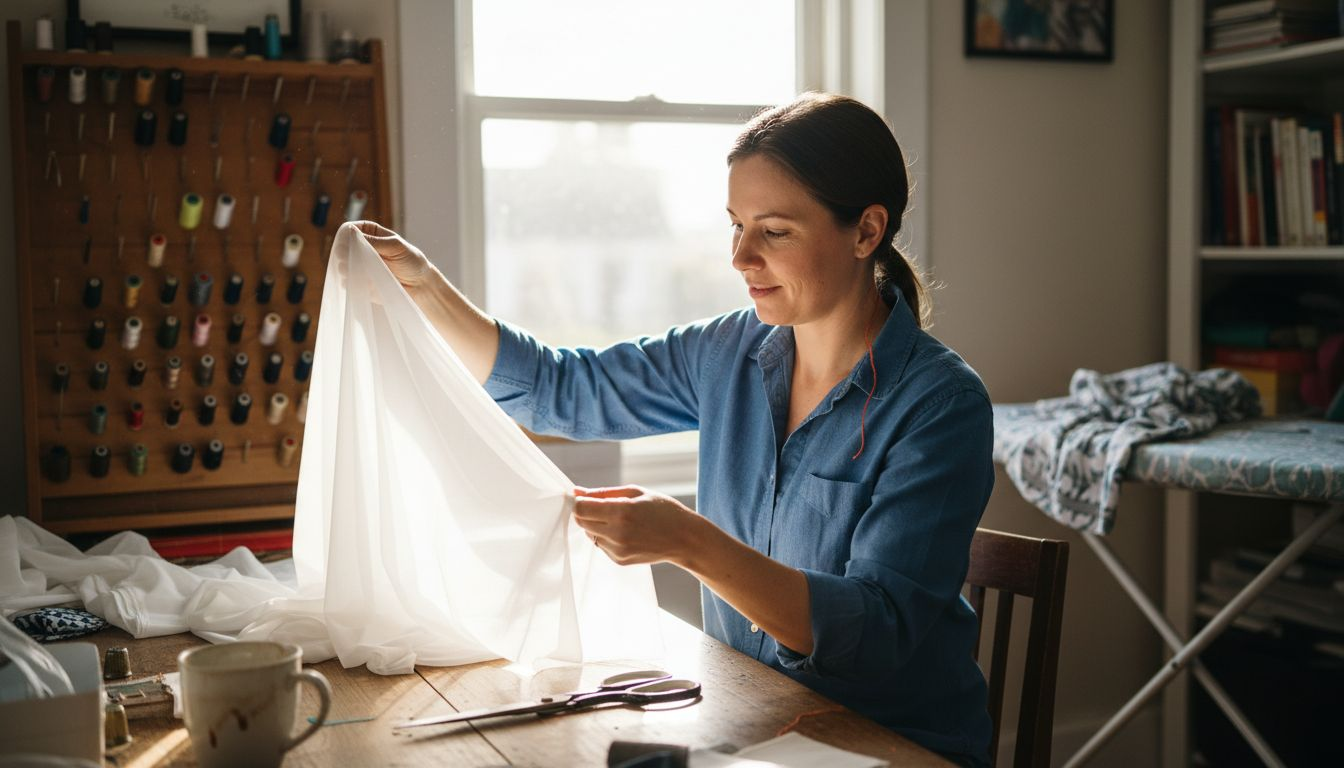
Choosing the right fabric can make or break your sewing project, especially when you want that perfect mix of elegance and everyday durability. For home decor enthusiasts and crafters across North America, understanding the true nature of lightweight, breathable woven voile fabric goes beyond just picking a pretty sheer off the bolt. Whether you are sewing window treatments, summer apparel, or delicate accessories, knowing how voile stands apart from muslin, chiffon, and lace helps you avoid costly mistakes and achieve professional-looking results.
| Point | Details |
|---|---|
| Understanding Voile Fabric | Voile is a lightweight, breathable fabric distinguished by its crisp texture and semi-transparent quality, making it ideal for home decor and summer apparel. |
| Common Misunderstandings | Many confuse voile with heavier sheers like chiffon and organza, but voile maintains structure and is durable for regular use. |
| Material Varieties | Voile is available in cotton, polyester, silk, and blends, each offering different benefits in terms of care, appearance, and application. |
| Choosing the Right Voile | Consider the balance of breathability, weight, and care required for your project to select the most suitable voile type. |
Voile is a lightweight, breathable woven fabric made primarily from cotton or cotton blends. The name comes from its veil-like appearance—thin, delicate, and semi-transparent. It’s designed to diffuse light while allowing air to flow through, making it perfect for home decor projects where you want privacy without complete darkness.
The fabric’s structure sets it apart from other sheer materials. Fine, high-twist yarns create that distinctive crisp feel and delicate appearance you notice immediately when you touch voile. Unlike softer sheers such as chiffon, voile maintains a structured, almost crisp hand despite its lightweight nature.
What makes voile practical for crafters and home decorators:
Many people mix up voile with other lightweight fabrics, and that confusion costs them time and money. The most common mistake? Confusing voile with heavier sheer fabrics like organza or chiffon. These materials have completely different feels and draping qualities.
Voile is lighter and crisper than you might expect. Semi-transparent fabric materials like voile have a distinct plain weave that gives them structure, not the flowy softness of chiffon. This matters when you’re selecting fabric for a project—voile won’t drape the same way.
Another misconception: people assume voile is too delicate for regular use. That’s not accurate. The high-twist yarn structure gives voile surprising durability despite its lightweight feel. You can wash it regularly without worry, unlike some delicate sheers.
Some crafters confuse voile with muslin or lace, thinking they’re interchangeable. They’re not. Voile has a smooth, plain weave surface, while these fabrics have entirely different textures and purposes.
Voile stands out because it combines a crisp hand with semi-transparent qualities—it’s structured, not flowy, making it ideal for projects requiring both elegance and durability.
When you’re shopping for voile at a fabric retailer, ask specifically for plain weave voile to avoid confusion with other sheers. The staff at specialized fabric shops can help you confirm you’re getting genuine voile, not a substitute that won’t perform the way you expect.
Pro tip: Before purchasing voile for your project, hold it up to light to confirm the semi-transparent quality and run your fingers across it to feel that signature crisp texture—this simple check prevents costly buying mistakes.
Here’s an at-a-glance guide to common misconceptions about voile and the facts that correct them:
| Misconception | Reality | Impact on Project |
|---|---|---|
| Voile is too delicate for daily use | Voile is durable, withstands regular washing | Enables use in everyday items |
| Voile drapes like chiffon | Voile is crisp with more structure | Projects retain intended shape |
| Voile is interchangeable with muslin or lace | Voile is smooth and semi-sheer, muslin/lace have different textures | Ensures proper material selection |
| All sheer fabrics are similar | Each has unique structure and care needs | Reduces costly purchase mistakes |
Voile comes in several material varieties, each with distinct characteristics that affect how the fabric performs. Your choice depends on what you’re making and what qualities matter most for your project. Understanding these differences helps you select the right voile for your specific needs.
Cotton voile is the most popular choice for home decor and apparel projects. It’s breathable, soft against skin, and naturally comfortable for summer garments. The lightweight nature makes it perfect for curtains and window treatments where you want filtered light without heaviness.
The downside? Cotton voile wrinkles easily and requires regular ironing to maintain its crisp appearance. If you’re hand-sewing curtains or upholstery pieces, cotton voile is forgiving and pleasant to work with. The fabric breathes exceptionally well, making it ideal for warm climates.
Polyester voile offers practical advantages that appeal to busy crafters and decorators. It resists wrinkles naturally, so your finished projects stay looking fresh without constant maintenance. The fabric is dimensionally stable, meaning it won’t shrink unexpectedly in the wash.
Polyester voile appears frequently in home décor applications because of its durability and low-maintenance requirements. It doesn’t have the softness of cotton, but it holds its shape better over time. For projects that need to withstand regular washing and use, polyester voile performs reliably.
Silk voile is the luxury option for high-end fashion and special projects. The fabric drapes beautifully with an ethereal, graceful movement that cotton and polyester can’t match. Silk provides a natural sheen that adds elegance to any design.
Silk voile is less common in everyday crafting because of its cost and delicate nature. It requires careful handling and specialized care when washing. If you’re creating something truly special, silk voile delivers unmatched refinement.
Blended voile materials combine two or more fibers to balance the best qualities of each type. Cotton-polyester blends offer cotton’s softness with polyester’s wrinkle resistance and durability. These blends meet the practical demands of mass-market production while maintaining comfort.
Blends work well when you want compromise between care requirements and fabric feel. A 65% cotton, 35% polyester blend, for example, gives you easier maintenance than pure cotton without sacrificing all the softness. Many commercial curtain fabrics use blended voile for exactly this reason.
| Type | Best For | Care | Cost |
|---|---|---|---|
| Cotton | Apparel, breathability | Requires ironing | Moderate |
| Polyester | Home décor, durability | Low maintenance | Budget-friendly |
| Silk | Luxury items, drape | Delicate | Premium |
| Blends | Practical projects | Minimal ironing | Moderate |
Choose cotton voile when comfort and breathability matter most, polyester when durability and easy care win, and silk only if you’re willing to invest in both cost and care.
Pro tip: Before committing to a large project, purchase a small piece of your chosen voile type and wash it using your planned method—this simple test reveals how each material will behave over time and prevents expensive mistakes on finished pieces.
Below is a summary of how various voile types perform across key attributes:
| Voile Type | Breathability | Durability | Appearance |
|---|---|---|---|
| Cotton | Excellent airflow | Moderate, wrinkles easily | Soft matte finish |
| Polyester | Good, less than cotton | Highly durable, holds shape | Subtle sheen, less soft |
| Silk | Very high, luxurious feel | Delicate, needs care | Elegant natural sheen |
| Blend | Balanced, depends on blend | Improved vs. pure cotton | Mix of softness and luster |
Voile fabric stands out because of specific physical properties that make it behave differently from other textiles. Understanding these characteristics helps you know exactly what to expect when you work with voile in your projects.
Plain weave construction is what gives voile its signature look and feel. Fine threads twisted tightly together create that crisp texture you notice when you handle the fabric. The high-twist yarns provide both structure and flexibility, so voile feels delicate but performs durably.
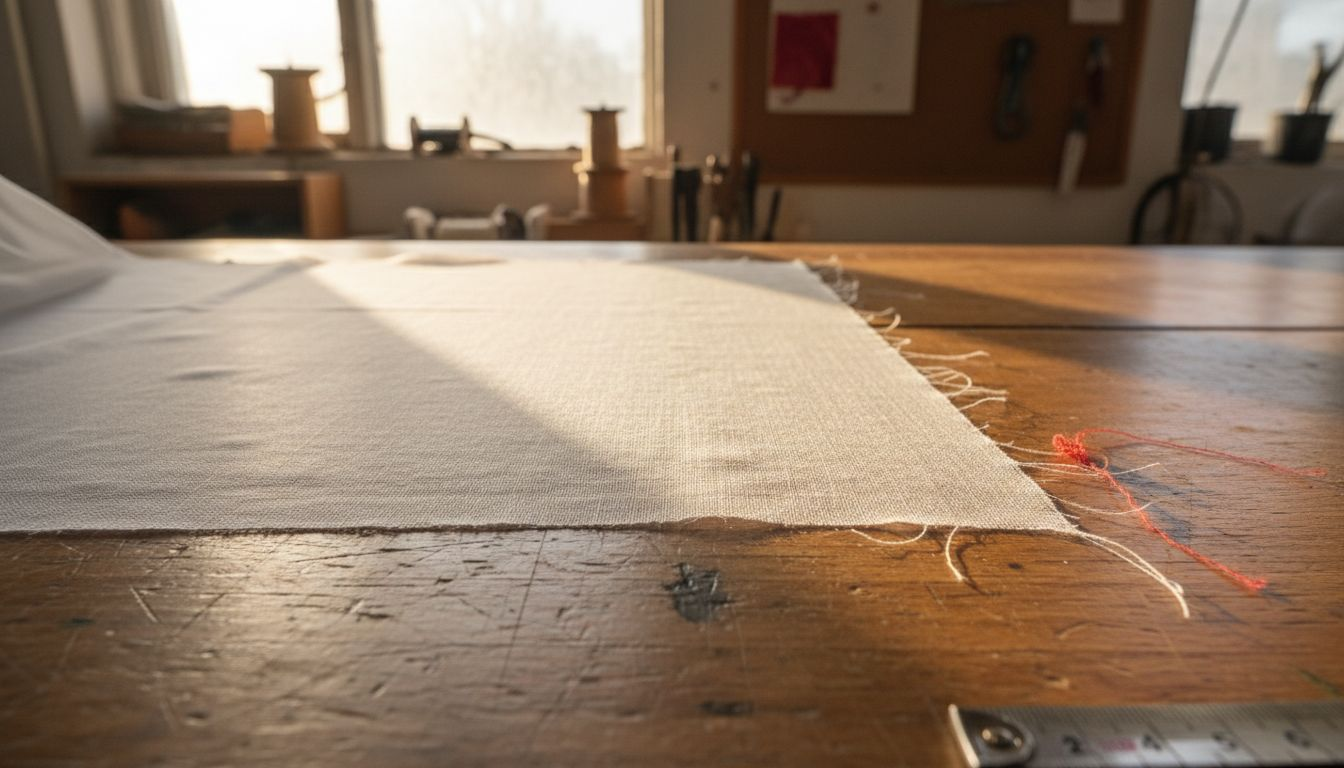
The weave creates a fabric with fine thread count, resulting in semi-sheer transparency without sacrificing strength. This balance between delicacy and durability makes voile practical for real-world use. You get visual elegance without constant worry about tearing during normal handling.
Voile excels at air circulation and moisture wicking, which is why it dominates summer apparel and warm-climate home décor. The lightweight construction means your finished pieces won’t feel heavy or suffocating. Curtains made from voile filter harsh sunlight while allowing gentle air flow throughout your space.
For crafters working on garments, this breathability translates to comfort. Shirts, dresses, and blouses made from voile feel breezy against skin, making them ideal for warm weather projects. The fabric won’t cling or trap heat the way denser materials do.
High-twist yarns create subtle sheen that catches light beautifully without being shiny or reflective. This adds visual interest and sophistication to any project. The sheen comes from the yarn structure itself, not from chemical finishes.
Voile demonstrates excellent color retention through washing and sunlight exposure. This means your dyed or printed voile projects maintain their vibrancy longer than many competing fabrics. Colors stay true, which matters when you’re designing a specific color scheme.
Don’t let the delicate appearance fool you. Voile remains reasonably strong and flexible despite its lightweight nature. The high-twist yarn structure provides durability that prevents easy tearing during normal use and construction.
This flexibility allows voile to drape gracefully without wrinkling excessively (except cotton voile, which wrinkles more readily). The fabric responds well to folding, sewing, and reshaping without permanent damage.
Voile delivers the rare combination of looking delicate while actually performing durably—that’s why experienced crafters trust it for both visible and functional projects.
Pro tip: Test your specific voile type’s actual shrinkage by measuring a small unwashed swatch, washing it using your chosen method, and measuring again—this one-time test prevents finished projects from shrinking unevenly after completion.
Voile fabric shows up in countless projects because it solves real problems for sewers, crafters, and decorators. Once you understand where voile works best, you’ll recognize opportunities to use it in your own work.
Summer garments represent the most common use for voile in apparel. The fabric’s breathability makes it perfect for blouses, dresses, and shirts that need to keep you cool without clinging. Voile drapes beautifully around the body while allowing air circulation against your skin.
Scarf and accessory projects benefit from voile’s elegant appearance and ease of handling. The fabric cuts cleanly, sews smoothly, and doesn’t require specialized equipment or techniques. Even beginner sewers can create professional-looking garments from voile without frustration.
Why voile dominates warm-weather fashion:
Curtains and draperies are where voile truly shines in home décor. The semi-transparent nature allows light diffusion—you get soft, filtered sunlight instead of harsh glare. At the same time, voile provides privacy because people outside can’t see directly into your space.
This balance between light control and privacy makes voile the ideal choice for living rooms, bedrooms, and offices. The fabric hangs beautifully without excessive bulk, and it won’t block your windows with heavy folds. Voile drapery panels create an elegant, refined look that complements virtually any interior design style.
Window treatment advantages:
Voile works wonderfully for decorative and functional accessories beyond basic apparel. Handkerchiefs, table runners, decorative panels, and layered textile art all benefit from voile’s elegant appearance and workability.
The fabric’s semi-sheer quality adds visual interest when layered. You can create depth and dimension by combining voile with other materials. Crafters appreciate that voile doesn’t require special handling during construction, unlike some delicate fabrics.
Common accessory projects using voile:
Voile bridges the gap between pure function and pure beauty—it solves practical problems while looking sophisticated enough for your most elegant projects.
Consider breathability and weight when deciding if voile suits your specific project. If you need air circulation and lightweight feel, voile is your answer. For projects requiring heavy structure or opacity, look elsewhere.
Think about care requirements too. Cotton voile looks stunning but requires ironing. Polyester voile stays crisp with minimal effort. Silk voile delivers luxury but demands careful handling.
Pro tip: Create a small sample by sewing voile scraps into a mini curtain panel or garment piece and place it in your actual space—this real-world test shows you exactly how the fabric will perform and look in your specific lighting and décor before committing to a full project.
When you’re standing in the fabric shop deciding between similar sheer materials, knowing the differences matters. Each alternative has distinct strengths, and picking the wrong one can derail your project. Understanding how voile compares helps you make confident choices.
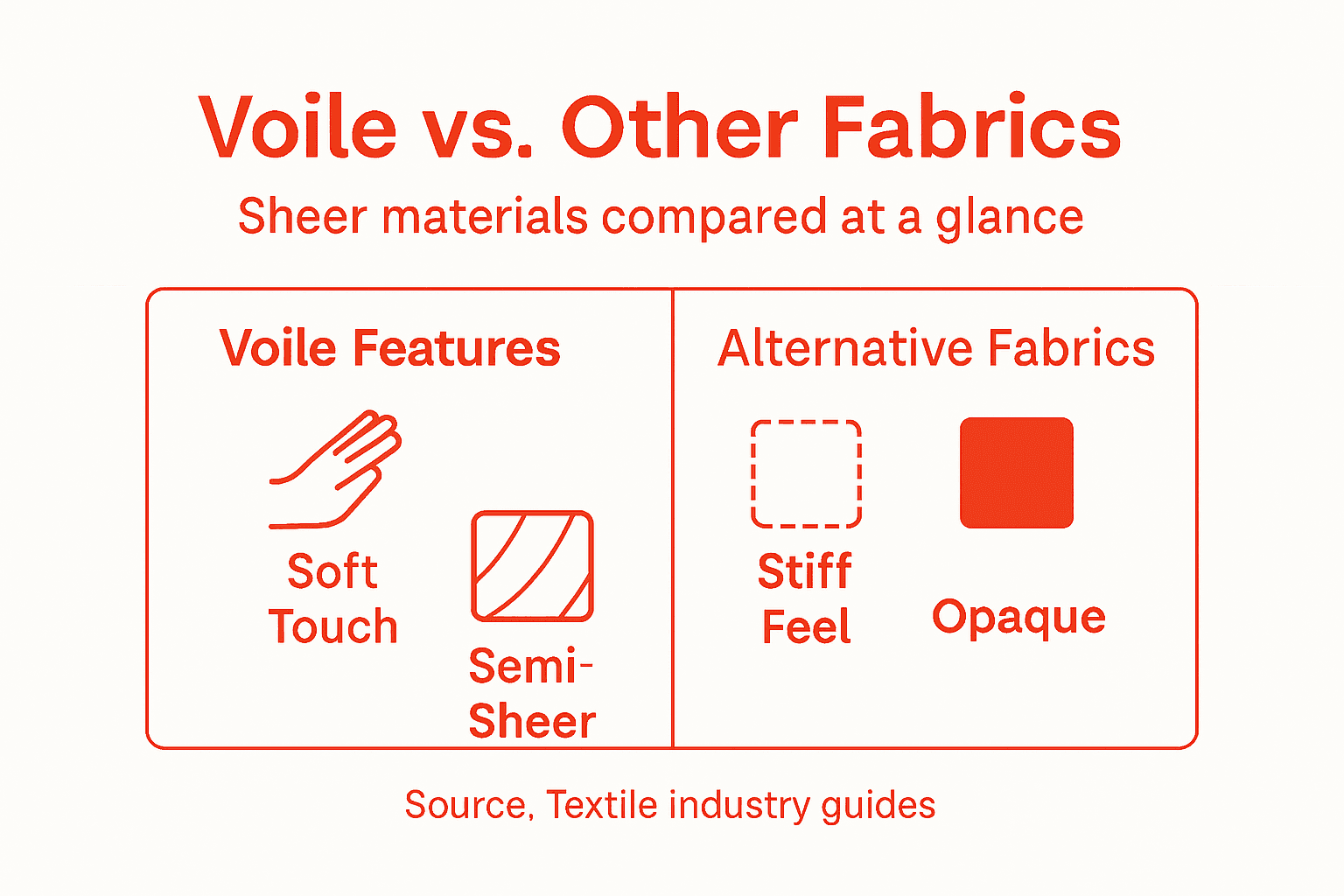
Chiffon looks similar to voile but behaves completely differently when you work with it. Chiffon is softer and more fluid, creating beautiful flowing drapes for evening wear and delicate projects. Voile, by contrast, maintains more structure and crispness even when hung loosely.
Chiffon is trickier to sew because it shifts during cutting and slips under the needle. Voile cuts cleanly and feeds predictably through your machine. If you’re new to sewing sheers, voile is far more forgiving than chiffon.
When to choose each:
Organza is stiffer and more structured than voile, making it ideal for projects that need to hold their shape. It creates dramatic volume in skirts and stands up well on its own. Organza has a crisp, almost papery feel that’s very different from voile’s softer hand.
Organza is harder to work with because of its stiffness and tendency to fray. Voile remains more manageable while still providing structure. The choice depends on whether you need dramatic shape (organza) or balanced structure with softness (voile).
Lawn is crisper than voile but less sheer. Batiste is more transparent and delicate than voile but doesn’t have voile’s structured feel. Voile’s balance between opacity and structure makes it the versatile middle ground.
Lawn works better for lightweight, opaque garments like summer shirts. Batiste suits projects where extreme delicacy matters more than structure. Voile wins when you want both sheerness and form holding together.
| Fabric | Structure | Softness | Opacity | Ease of Sewing | Best Uses |
|---|---|---|---|---|---|
| Voile | Medium | Medium | Semi-sheer | Easy | Summer wear, curtains, versatile projects |
| Chiffon | Low | High | Sheer | Difficult | Evening gowns, flowing designs |
| Organza | High | Low | Sheer | Difficult | Structured silhouettes, volume |
| Lawn | Medium | Medium | Opaque | Easy | Lightweight shirts, opaque garments |
| Batiste | Low | High | Very sheer | Medium | Delicate, transparent items |
Ask yourself three questions before choosing fabric. First, what structure level does your project need? Second, how much sheerness do you want? Third, what’s your sewing skill level?
Voile answers these questions with balanced middle-ground solutions. You get more structure than chiffon, softer feel than organza, and easier sewing than either. For most home décor and general sewing projects, voile solves the equation.
Voile is the Swiss Army knife of sheer fabrics—it won’t give you the extreme specialty qualities of alternatives, but it delivers exactly what most projects actually need.
Pro tip: Order small swatches of both voile and any alternative you’re considering, hold them in your actual lighting, and test sewing a few seams to feel how each behaves—this tactile comparison eliminates guesswork and prevents wrong purchases.
Struggling to find the right sheer fabric that balances elegance, durability, and breathability? Understanding the unique qualities of voile can transform your sewing or home decor projects with its crisp texture and semi-transparent beauty. Whether you want to create lightweight curtains that gently filter light or summer apparel that stays cool and stylish voile fabric offers the ideal solution for both.
Explore our extensive collection of Voile Plain Sheer Fabrics to find the cotton, polyester, or blended voile that fits your project’s needs. For those seeking different sheer fabric types, our Chiffon Fabric category also provides elegant alternatives. Ready to elevate your creations with fabric that performs beautifully and looks stunning Shop now at fabric-fabric.com and enjoy quality textile solutions designed for crafters, decorators, and professionals alike.
Voile is a lightweight, breathable woven fabric primarily made from cotton or cotton blends. It is semi-transparent, allowing light to diffuse while providing some privacy. Voile combines a crisp texture with durability, making it an ideal choice for home decor and summer apparel.
Voile has a structured, crisp hand that differentiates it from the softer drape of chiffon and the stiffer nature of organza. While chiffon emphasizes flow and movement, and organza is ideal for dramatic shapes, voile provides a balanced structure suitable for various projects.
Yes, voile is durable and can be washed regularly, particularly cotton and polyester blends. Cotton voile may require ironing to maintain its crisp appearance, while polyester voile is low maintenance and resists wrinkles.
Voile is perfect for summer apparel like blouses and dresses, as well as window treatments like curtains that need both light diffusion and privacy. It also works well for delicate textile crafts and home decor accessories, providing an elegant touch without overwhelming bulk.