

 US Dollar

What Is Tulle Fabric? 85% Choose Durable Nylon & Polyester
Posted by BLG on 2026 Mar 3rd
Posted by BLG on 2026 Mar 3rd

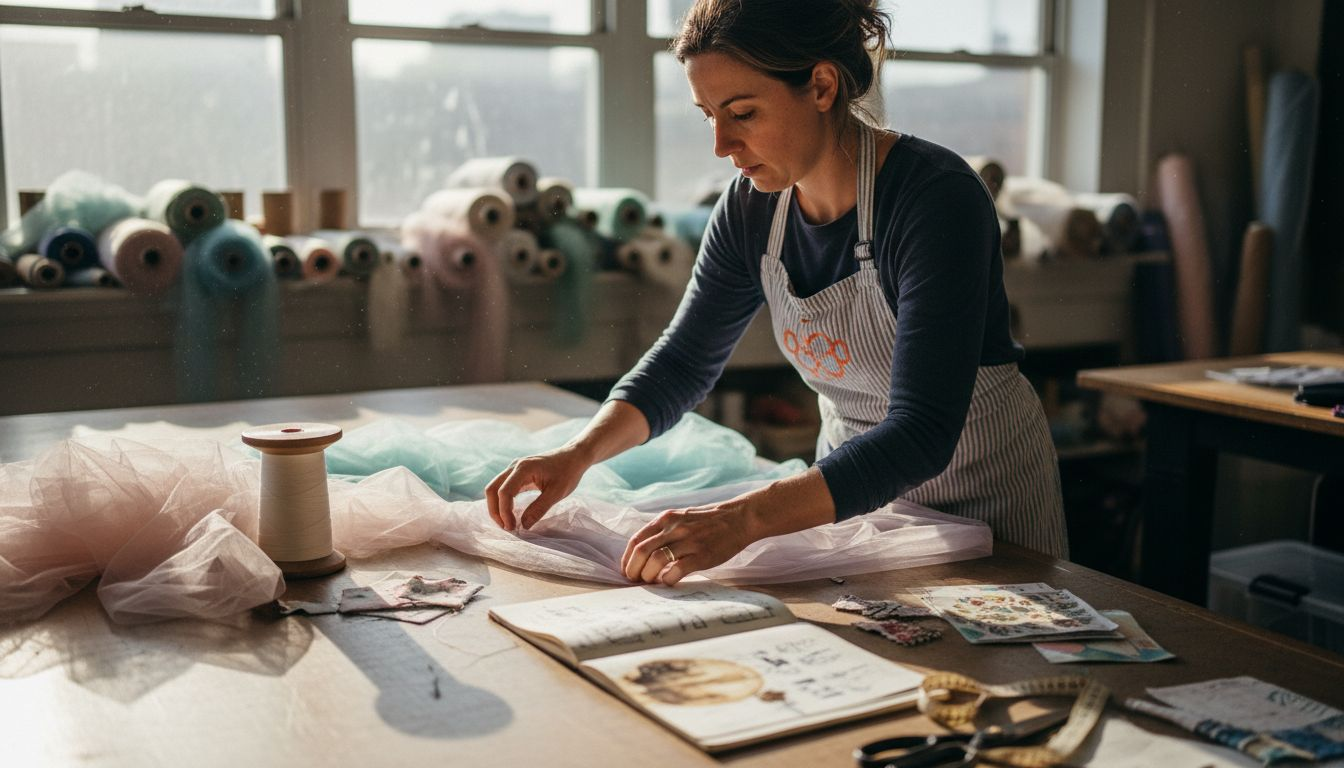
You might think tulle tears at the slightest touch, but nylon tulle has tensile strength averaging 1.2 kN/m, supporting repeated handling without damage. This guide explains tulle’s fiber types, structure, and applications. You’ll learn how to select and care for tulle for apparel, crafts, and home decor, ensuring your projects look stunning and last.
| Point | Details |
|---|---|
| Tulle fabric is a lightweight mesh made from silk, nylon, or polyester | Fiber choice determines texture, durability, and care requirements |
| Nylon and polyester tulles dominate the market with durability and ease of care | Synthetic options offer affordability and resistance to wear |
| Different tulle types suit apparel, crafting, or home decor based on stiffness and texture | Match mesh size and drape to project needs for best results |
| Proper handling maintains tulle’s appearance and longevity | Hand washing and careful storage prevent mesh damage |
| Common myths about tulle’s fragility and care are debunked | Synthetic tulles are more durable than widely believed |
Tulle is a lightweight, fine netted fabric made with a mesh weave that creates its characteristic open structure. The mesh weave determines tulle’s stiffness and texture, making it ideal for projects requiring volume without weight. Traditional fiber is silk, but nylon and polyester are dominant today, transforming tulle from a luxury fabric into an accessible material for crafters.
Silk tulle is valued for softness and sheerness but is expensive. It drapes beautifully and feels luxurious against skin, making it the premium choice for bridal veils and high-end garments. However, the high cost and delicate care requirements limit its everyday use.
Synthetic tulles made from nylon and polyester offer durability and affordability. These materials hold their shape well and resist the wear that might damage silk. They’re perfect for projects that need repeated handling or washing. You can explore tulle fabric basics to understand how fiber composition impacts your project outcomes.
Key characteristics of tulle by fiber type include:
Fiber type and weave properties create distinct tulle varieties, each suited to specific applications. Understanding these differences helps you choose the right material for your project.
Silk tulle is the finest, softest option with exceptional sheer quality. It drapes elegantly and feels weightless, but silk costs 3 to 4 times more than polyester and requires dry cleaning. The delicate fibers demand gentle handling and professional care, limiting practical everyday use.
Nylon tulle is affordable, durable, and holds shape remarkably well. It’s the workhorse of the tulle family, resisting deformation even with heavy use. Hand washing is recommended to preserve the mesh structure and prevent damage from machine agitation. You’ll find nylon tulle maintains its crisp appearance through multiple projects.
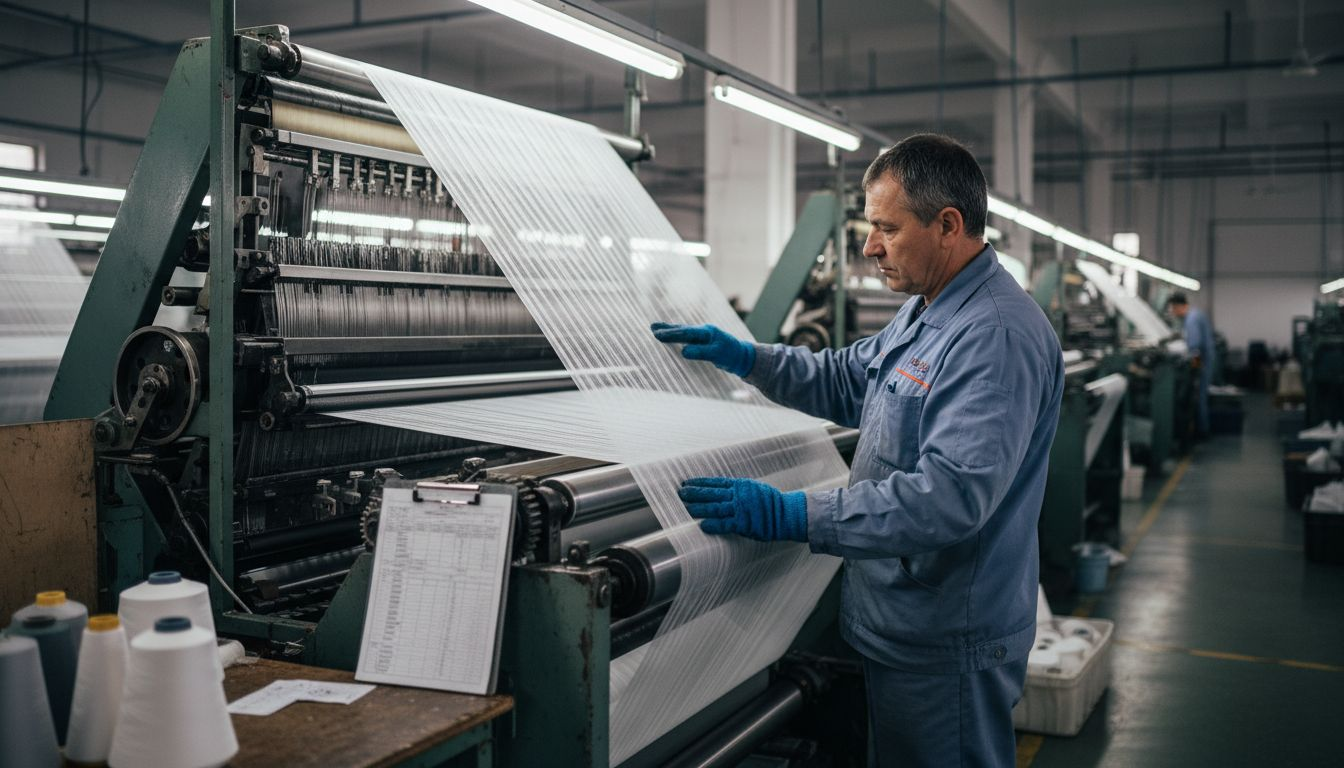
Polyester tulle offers cost-effective, wrinkle-resistant performance with easy care. It’s the most forgiving option for beginners and high-volume crafting. Hand washing keeps it looking fresh without special treatment. The material bounces back from compression, making it ideal for storage and transport.
Mesh size and weave tightness affect stiffness and drape significantly. Tighter weaves create stiffer fabric that holds volume, while looser weaves flow more naturally. This property determines whether your project stands out or drapes softly.
Pro Tip: Choose mesh size based on desired project volume or flow. Fine mesh creates delicate, flowing effects perfect for veils. Wider mesh produces structured, voluminous results ideal for tutus and event decorations.
Here’s how the main tulle types compare:
| Tulle Type | Cost | Durability | Care Required | Best For |
|---|---|---|---|---|
| Silk | High | Delicate | Dry cleaning | Bridal veils, luxury garments |
| Nylon | Medium | Excellent | Hand wash | Structured skirts, crafts |
| Polyester | Low | Very Good | Hand wash | Home decor, high-volume projects |
Care requirements differ significantly by fiber type. Silk needs professional dry cleaning to prevent damage. Nylon and polyester tolerate gentle hand washing with mild detergent. Understanding these needs prevents costly mistakes and extends fabric life.
Common characteristics across tulle types:
Explore different types of tulle to see how texture and fiber impact your creative vision. Compare options side by side using resources like this fabric types comparison to build your material knowledge.
Matching fabric properties to project needs ensures your finished piece performs as intended. Consider your project goal: softness for dresses, volume for tutus and crafts, or translucence for home decor.
Fine silk tulles are ideal for delicate bridal veils and dresses. The soft hand and natural drape create romantic, flowing garments that move gracefully. If budget allows and you want premium quality for a special occasion, silk delivers unmatched elegance.
Rigid nylon and polyester tulles suit structured skirts and voluminous crafts. These materials hold their shape without collapsing, creating the full, dramatic silhouettes that define tutus and costume pieces. They maintain structure even after extended wear.
Soft synthetic tulles work well for curtains and lampshades. They diffuse light beautifully while remaining practical for home environments. The easy care properties make them perfect for decor that needs occasional cleaning.
Care needs influence choice significantly. Silk requires dry cleaning, adding ongoing maintenance costs. Synthetics can be hand washed at home, reducing long-term expenses and simplifying upkeep. Factor this into your decision, especially for items needing frequent cleaning.
Pro Tip: Layer tulles with varied stiffness to achieve complex texture or volume. Combine a soft underlayer with stiffer outer layers to create depth and visual interest without excessive bulk.
Follow this selection process:
Key selection factors include:
Browse choosing tulle fabric options to see how different properties serve various applications. Apply principles from general fabric selection tips to refine your tulle choices.
Tulle extends far beyond apparel into creative home and craft projects. Its lightweight nature and visual appeal make it surprisingly versatile.
Use tulle as sheer curtains to gently diffuse light while maintaining privacy. The mesh structure softens harsh sunlight without completely blocking it, creating a warm, inviting atmosphere. Synthetic tulles hold up well to sun exposure and occasional washing.
Create decorative lampshades that soften glare and add texture. Wrapping tulle around existing frames or building custom shades produces elegant lighting fixtures. The fabric’s translucence creates beautiful ambient effects when illuminated.
Tulle is popular in event decorations for adding volume and visual interest without heaviness. Drape it across ceilings, wrap it around columns, or create fabric backdrops. Its light weight simplifies installation and reduces structural requirements.
Craft projects benefit from tulle’s workability and structure. Making wreaths, bows, and gift wrap accents leverages stiff tulles for maintained form. The material ties, gathers, and shapes easily while holding position.
Tulle reduces material weight by up to 60% compared to heavier fabrics, supporting sustainable decor choices. This reduction matters for temporary installations and seasonal decorations that require significant yardage.
Practical creative project ideas using tulle:
Discover more home decor tulle uses to inspire your next project. Apply insights from guides on selecting home decor fabrics to make informed material choices.
Several myths about tulle persist despite evidence to the contrary. Clearing up these misunderstandings helps you use tulle confidently.
Myth: Tulle easily tears. Fact: Synthetic tulles are durable and resistant to tearing under normal use despite common belief of fragility. The mesh construction distributes stress across the fabric, preventing localized failure points.
Nylon tulle demonstrates tensile strength that withstands repeated handling in crafting and garment construction, challenging assumptions about delicate mesh fabrics.
Myth: Silk tulle is the most common and best choice. Fact: Silk is rare and costly; most crafters and designers use nylon or polyester. The synthetic options dominate the market because they deliver performance at accessible prices. Silk remains a specialty material for specific high-end applications.
Myth: Tulle can be machine washed like regular fabric. Fact: Tulle requires gentle hand washing or dry cleaning based on fiber type. Machine agitation can catch and stretch the mesh, causing permanent deformation. The delicate structure needs careful handling to maintain appearance.
Main misconceptions and facts:
Understanding the reality behind tulle durability myths empowers you to handle the fabric appropriately without excessive caution.
Proper care techniques extend tulle’s life and maintain its appearance through multiple uses.
Hand wash nylon and polyester tulles gently with mild detergent and air dry flat to avoid damage. Fill a basin with cool water, add a small amount of gentle soap, and swish the fabric without aggressive scrubbing. Rinse thoroughly and lay flat on a towel to dry, reshaping as needed.
Silk tulle requires delicate dry cleaning due to fiber sensitivity. Professional cleaners have the expertise and equipment to clean silk without causing shrinkage or texture changes. Don’t attempt home washing on silk tulle.
Store rolled or hung to prevent wrinkles and protect the mesh structure. Rolling tulle loosely around a cardboard tube prevents creases. Hanging works well for shorter lengths. Avoid folding, which creates permanent crease lines in the mesh.
Avoid ironing hot or making direct contact with the iron. Use steam from a distance to release wrinkles, or place a pressing cloth between the iron and tulle if you must use low heat. High temperatures can melt synthetic fibers instantly.
Pro Tip: Use garment bags for long-term storage to prevent snagging and dust accumulation. The protective barrier keeps tulle clean and shields delicate mesh from catching on other stored items.
Handle carefully to avoid stretching or deforming the mesh weave. Support the fabric’s weight when moving it rather than pulling from one edge. The open structure can distort if stressed unevenly.
Essential care practices:
Tulle’s material properties offer some environmental advantages while presenting typical synthetic fabric challenges.
Tulle’s low material weight reduces fabric waste in temporary decor and crafts by up to 60%. Using less raw material per project lowers resource consumption. This efficiency particularly matters for event decorations that serve short-term purposes.
Synthetic tulles made from nylon and polyester have larger environmental footprints than natural fibers but last longer and require less frequent replacement. The durability extends usable life, potentially offsetting initial production impacts. However, these materials derive from petroleum and don’t biodegrade readily.
Here’s how tulle types compare environmentally:
| Factor | Silk Tulle | Nylon Tulle | Polyester Tulle |
|---|---|---|---|
| Raw Material | Natural protein fiber | Petroleum derived | Petroleum derived |
| Production Energy | Moderate | High | High |
| Biodegradability | Yes | No | No |
| Durability | Lower | Higher | Higher |
| Lifecycle Impact | Moderate | Higher initial, lower replacement | Higher initial, lower replacement |
Choosing lighter fabrics like tulle supports sustainable crafting by minimizing raw material use per project. The material efficiency becomes especially significant in large-scale applications like event styling or theatrical productions.
Consider these sustainability factors when selecting tulle:
Explore sustainable fabric options to understand how different materials impact the environment. Learn more about sustainable fabrics for crafting to make informed choices across your projects.
Now that you understand tulle’s properties and applications, finding the right fabric for your project becomes the next step.

Fabric-Fabric offers a wide range of premium tulle fabrics suitable for apparel, crafting, and home decor projects. Browse delicate silk tulles for special occasion garments and durable synthetic options that withstand repeated handling. The curated selection includes various mesh sizes, stiffness levels, and colors to match your creative vision. Complement your tulle projects with coordinating backdrop fabrics perfect for events and photography. Explore the complete tulle fabric options to find exactly what your project needs. Shop confidently knowing you’re selecting from expert-curated home decor fabrics that deliver quality and performance.
Choose silk tulle for the softest, most luxurious drape with natural sheen. If budget is a concern, fine nylon tulle offers excellent quality at lower cost with similar appearance. Consider the veil length and desired stiffness when selecting mesh size.
Avoid machine washing nylon tulle as agitation can stretch and damage the mesh structure. Hand wash gently in cool water with mild detergent, then air dry flat. This method preserves the fabric’s shape and texture through multiple cleanings.
Yes, polyester tulle excels in home decor applications due to wrinkle resistance and easy care. It works beautifully for curtains, lampshades, and event decorations. The material maintains appearance with minimal maintenance and costs less than natural fiber alternatives.
Silk production requires labor-intensive sericulture and specialized processing. The natural fiber’s limited availability and premium qualities like superior drape and softness command higher prices. Silk tulle costs three to four times more than polyester equivalents.
Handle tulle gently and support its weight evenly rather than pulling from edges. Use sharp scissors or rotary cutters for clean cuts that don’t stress fibers. Work on smooth surfaces to prevent snagging, and consider using fabric weights instead of pins when possible.