

 US Dollar

What is Poplin? Understanding This Versatile Fabric
Posted by BLG on 2025 Sep 30th
Posted by BLG on 2025 Sep 30th

Poplin is everywhere you look, from crisp dress shirts to elegant curtains. Yet most people have no idea this fabric’s DNA traces all the way back to 15th century France, where it was first spun from silk and wool in Avignon. That’s surprising since modern poplin is now made from everything from cotton to rayon and brings a level of strength, color retention, and wrinkle resistance that outperforms fabrics many consider superior.
| Takeaway | Explanation |
|---|---|
| Poplin originated in 15th century France. | The fabric was first known as ‘papeline’ in Avignon, combining silk and wool in its initial form. |
| Poplin offers exceptional breathability and wrinkle resistance. | These characteristics make it ideal for dress shirts and summer clothing, enhancing comfort and style. |
| Versatile use in fashion and home decor. | Poplin is suitable for items like lightweight jackets, curtains, and upholstery, catering to various design aesthetics. |
| Durability supports sustainable consumption. | The longevity of poplin reduces the need for frequent replacements, aligning with budget-conscious and eco-friendly practices. |
| Distinct ribbed texture differentiates poplin from other fabrics. | Its unique weave provides a refined look while ensuring structural integrity, making it a preferred choice across projects. |
Poplin represents a versatile fabric with a fascinating historical trajectory and distinctive textile characteristics. This woven textile combines exceptional durability with a smooth, refined appearance that makes it popular across fashion, home decor, and craft applications.
The fabric traces its origins to 15th century France, specifically the papal city of Avignon. Originally called ‘papeline’, poplin was initially crafted from a combination of silk and wool, reflecting the sophisticated textile techniques of medieval European weavers. According to historical textile research, the fabric’s name derives directly from its geographical birthplace, signaling its deep cultural roots.
Poplin distinguishes itself through a unique plain weave technique characterized by fine, tightly woven crosswise ribs. These subtle horizontal ridges create a distinctive texture that sets poplin apart from other fabrics. Textile experts note that modern poplin can be manufactured from multiple fibers, including:
The signature ribbed texture emerges from weaving techniques where thicker weft threads cross finer warp threads, producing a smooth yet subtly textured surface. This construction gives poplin its characteristic crisp hand feel and excellent draping properties.
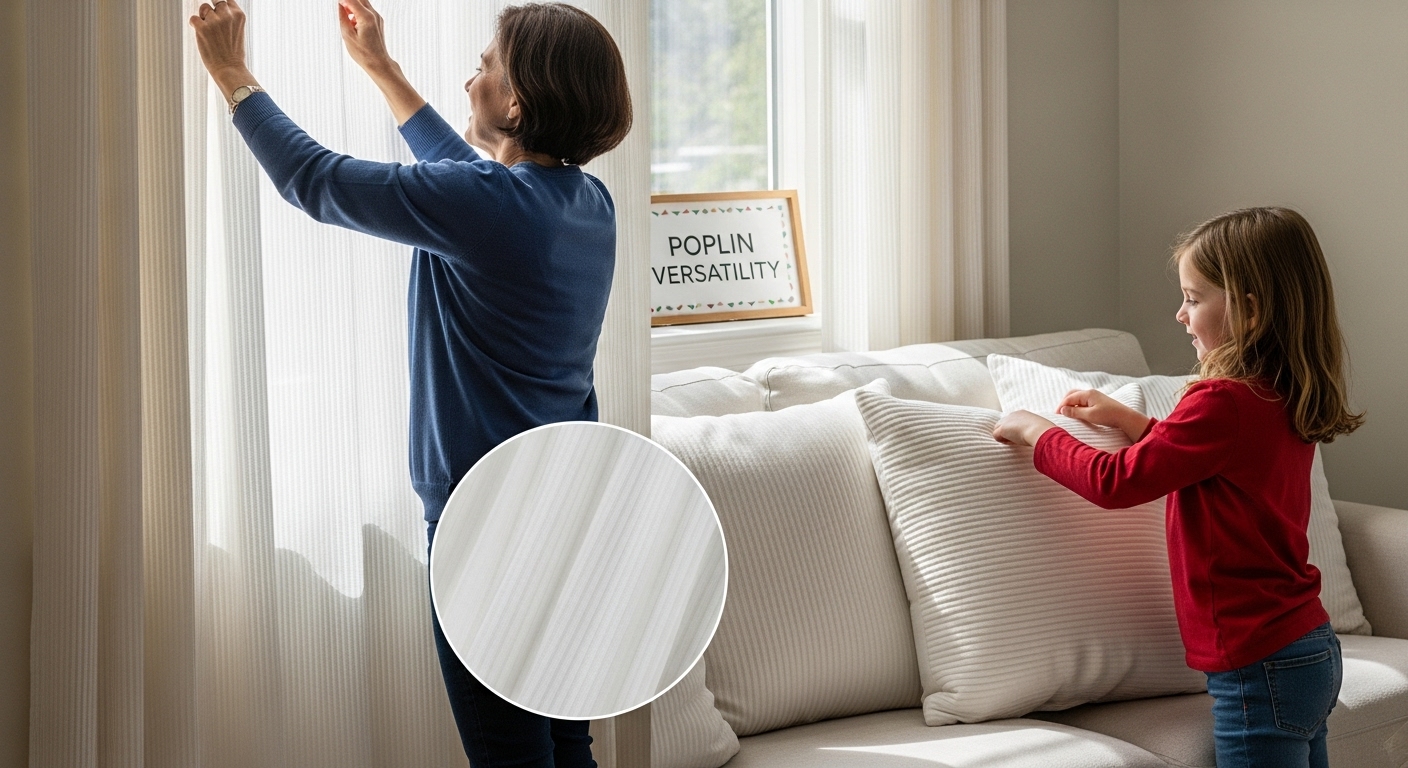
Today, poplin has transcended its historical origins to become a versatile fabric used in numerous contexts. Its lightweight nature and smooth finish make it ideal for dress shirts, summer clothing, lightweight jackets, and even home decor items like curtains and bedding. The fabric’s ability to hold color well and resist wrinkles further enhances its contemporary appeal, making it a favorite among designers and manufacturers seeking a reliable, attractive textile.
Poplin transcends mere fabric classification to become a strategic textile choice for designers, crafters, and homemakers seeking versatility and aesthetic appeal. Its unique properties position it as a critical material across multiple creative and functional domains.
The exceptional qualities of poplin make it a preferred fabric for professionals and hobbyists alike. According to textile performance research, poplin offers remarkable benefits that elevate its utility beyond traditional textile expectations. Its lightweight structure combined with structural integrity allows for crisp silhouettes in clothing and clean lines in home decor applications.
Key Performance Characteristics:
Poplin demonstrates remarkable adaptability across diverse design scenarios. In fashion, it translates complex design concepts into wearable garments with clean, structured appearances. Home decor professionals leverage its consistent texture to create sophisticated curtains, upholstery, and decorative elements that maintain professional aesthetic standards.
Fashion design experts highlight poplin’s unique ability to balance structural integrity with visual softness. This makes it particularly valuable for creating garments and home textiles that require both form and fluidity.
Beyond aesthetic appeal, poplin represents an economically intelligent textile choice. Its durability ensures longer product lifecycles, reducing replacement frequency and supporting more sustainable consumption practices. The fabric’s ability to maintain color and shape through multiple wash cycles makes it an environmentally conscious selection for budget aware consumers seeking quality textiles that withstand regular use.
Poplin embodies the intersection of practical functionality and design elegance, offering creators and consumers a textile solution that delivers performance without compromising visual sophistication.
The creation of poplin involves sophisticated textile engineering that transforms raw fibers into a distinctive, high-performance fabric. Understanding its manufacturing process reveals the intricate craftsmanship behind this versatile textile.
Textile manufacturing experts explain that poplin’s signature characteristic emerges from a specialized plain weave technique. Unlike standard fabric production, poplin requires a precise interaction between warp and weft threads, creating its renowned ribbed texture.
Core Weaving Principles:
The quality of poplin begins with meticulous fiber selection. Modern manufacturers can utilize various fiber types, including natural and synthetic materials. Cotton remains the most traditional and popular choice, prized for its breathability and comfort. Synthetic fibers like polyester are increasingly integrated to enhance durability and reduce wrinkling.
Contemporary poplin production leverages advanced technological processes that ensure consistent quality and performance. Manufacturers employ sophisticated weaving machinery capable of creating precise thread tensions and maintaining uniform rib formations. These advanced techniques allow for greater customization in fabric weight, texture, and finish.
The result is a fabric that balances structural integrity with aesthetic elegance, meeting the diverse demands of fashion designers, home decorators, and textile enthusiasts. Each poplin fabric represents a careful orchestration of fiber selection, weaving technique, and manufacturing precision.
Poplin emerges as a remarkably adaptable textile, offering creative possibilities across multiple domains. Its unique structural characteristics enable makers, designers, and hobbyists to transform this fabric into an impressive range of functional and aesthetic projects.
Textile design experts recognize poplin as an exceptional material for creating structured yet comfortable clothing. Its crisp texture makes it ideal for constructing:
The fabric’s ability to maintain shape while providing breathability allows designers to craft garments that look polished and feel comfortable across different environments.
Poplin transcends clothing applications to become a premier textile for home styling. Its smooth surface and color retention properties make it perfect for creating refined interior elements. Home decorators frequently utilize poplin for:
The fabric’s versatility allows it to complement various design aesthetics, from minimalist modern to classic traditional settings.
Crafters appreciate poplin for its predictable behavior and ease of manipulation. Whether creating quilts, tote bags, or intricate sewing projects, the fabric provides a stable foundation that supports creative experimentation. Its medium weight ensures structural integrity while remaining lightweight enough for intricate detailing.
Beyond traditional applications, poplin represents a textile that bridges functional requirements with creative expression. Its adaptability makes it an essential material for professionals and hobbyists seeking a reliable, attractive fabric that can transform innovative design concepts into tangible, high-quality results.
Understanding poplin’s distinctive characteristics requires comparing its unique properties against other common textile weaves. Each fabric type offers specific advantages, but poplin stands out through its remarkable combination of structural integrity and versatile performance.
Fabric specialists highlight the fundamental differences in fabric construction that distinguish poplin from alternative textiles. While many fabrics share similar appearances, their underlying weave structures dramatically impact performance and aesthetic qualities.
Comparative Fabric Characteristics:
Poplin differentiates itself through superior performance metrics that make it more adaptable than many competing fabrics. Its unique weave provides enhanced breathability, wrinkle resistance, and color retention compared to similar textile options. The fabric maintains structural integrity while offering greater flexibility across different project requirements.
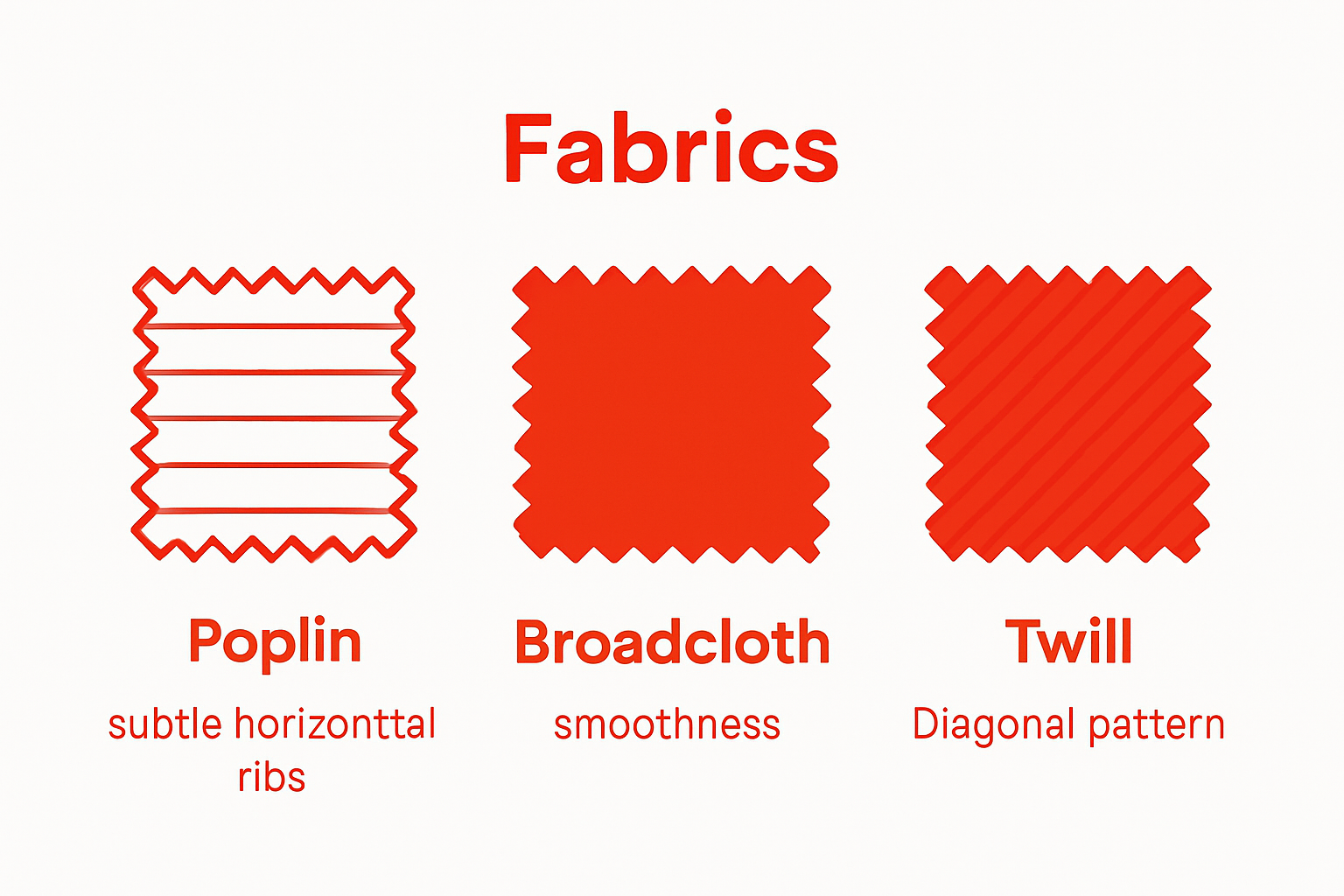
The subtle horizontal ribs in poplin create a distinctive visual texture that sets it apart from completely smooth fabrics. This characteristic allows designers and creators more nuanced options for garment construction and decorative applications. While broadcloth offers a flat appearance and twill provides more pronounced texture, poplin strikes an elegant balance between structure and visual interest.
To help you quickly compare poplin to other commonly used fabrics, the table below highlights key differences in weave, texture, and uses based on the article’s descriptions.
| Fabric Type | Weave/Texture | Weight | Common Uses | Distinctive Features |
|---|---|---|---|---|
| Poplin | Horizontal ribbed texture | Medium | Dress shirts, jackets, curtains | Breathable, wrinkle resistant |
| Broadcloth | Smooth surface, tighter weave | Medium | Shirts, formal wear | Flat appearance |
| Oxford | More textured, basket weave | Heavy | Button-down shirts, casual wear | Heavier feel |
| Twill | Diagonal weave pattern | Varied | Trousers, jackets | Strong diagonal lines |
| Chambray | Softer, relaxed texture | Light | Shirts, summer clothing | Denim look, soft finish |
Ultimately, poplin represents a sophisticated textile choice that combines technical performance with aesthetic versatility. Its ability to transcend traditional fabric limitations makes it an exceptional material for professionals and hobbyists seeking reliable, high-quality textiles.
Are you inspired by the versatility and performance of poplin, but struggling to find the perfect fabric for your next apparel, home decor, or crafting project? Many makers face the challenge of sourcing durable, attractive textiles that match the standards discussed in our article—from crisp dress shirts to elegant curtains. At Fabric-Fabric.com, we understand how important it is to work with fabrics that truly deliver on both style and functionality.
Ready to turn your knowledge into reality? Visit Fabric-Fabric.com today and browse our wide range of premium poplin and other fabric types, all described with clear usage suggestions and practical details. Benefit from exclusive discounts and find exactly what your project needs. Shop now and bring your creative ideas to life with quality textiles you can trust.
Poplin is a versatile fabric commonly used in fashion for dress shirts, summer clothing, and lightweight jackets. It’s also popular in home decor for items like curtains, bedding, and upholstery due to its smooth finish and durability.
Poplin is known for its crisp texture, lightweight properties, and subtle horizontal ribbed appearance. It’s breathable, wrinkle-resistant, and retains color well, making it ideal for various applications.
Poplin is created through a specialized plain weave technique that involves finer warp threads and thicker weft threads, resulting in its unique ribbed texture. Modern manufacturing may use various fibers, including cotton, wool, silk, and synthetics.
Poplin features a medium weight with horizontal ribs, making it distinct from broadcloth, which has a tighter, smoother weave, and twill, which has a diagonal weave pattern. Poplin offers better breathability and flexibility compared to heavier fabrics like oxford and twill.