

 US Dollar

What is lyocell? Discover this sustainable fabric's benefits
Posted by BLG on 2026 May 4th
Posted by BLG on 2026 May 4th

TL;DR:
- Lyocell is a sustainable cellulose fiber produced through a closed-loop process that recovers 99% of chemicals used. It offers superior strength, moisture management, and biodegradability compared to viscose and other plant-based fabrics. However, environmental benefits depend on certified sourcing and manufacturing standards, making transparency essential in choosing lyocell fabrics.
Eco-friendly fabric shopping can feel like navigating a maze. Bamboo, viscose, modal, lyocell — they’re all plant-based, all marketed as “green,” yet they’re not remotely the same. Lyocell stands apart from the pack in ways that genuinely matter if you care about what your creative projects are made of. Unlike viscose, which relies on harsh, open-loop chemical processing, lyocell is produced using a closed-loop solvent system that recovers and reuses up to 99% of its processing chemicals. That’s not a marketing claim. It’s a verifiable manufacturing distinction that changes everything about this fiber’s environmental profile.
| Point | Details |
|---|---|
| Lyocell defined | Lyocell is a cellulose fiber made via a closed-loop, eco-friendly process using non-toxic solvents. |
| Environmental impact | Lyocell has a lower water and carbon footprint compared to viscose or modal, and fibers biodegrade quickly. |
| Usage versatility | Lyocell is perfect for eco-conscious home decor, apparel, and crafting projects thanks to its softness and moisture control. |
| Sourcing matters | Look for lyocell made from certified sustainable wood to ensure maximum environmental benefit. |
Lyocell is a cellulose fiber made primarily from wood pulp, most commonly sourced from fast-growing eucalyptus trees. Eucalyptus requires no irrigation and no pesticides in most growing regions, which gives lyocell an impressive head start on sustainability before a single thread is spun.
The fiber itself has a set of physical properties that make it genuinely useful for crafting, sewing, and home decor projects. You get a fabric that drapes beautifully, feels soft against the skin, and manages moisture better than cotton. It’s not just soft for a sustainable fabric; it’s soft by any standard.
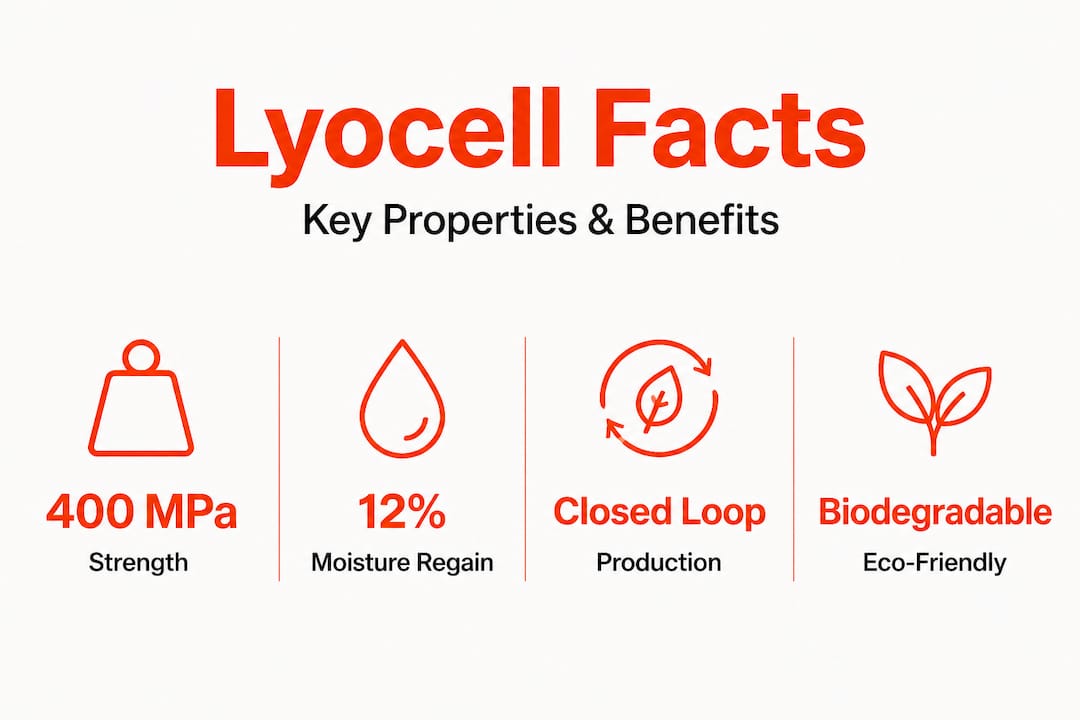
Here’s a quick look at how lyocell’s technical specs compare to other common fibers:
| Fiber type | Density (g/cm³) | Tensile strength (MPa) | Moisture regain | Biodegradable |
|---|---|---|---|---|
| Lyocell | 1.5 | ~400 | ~12% | Weeks (compost) |
| Cotton | 1.54 | ~300 | 8.5% | Months |
| Viscose | 1.52 | ~260 | 13% | Months |
| Polyester | 1.38 | ~170 | 0.4% | 200+ years |
These empirical benchmarks show that lyocell’s tensile strength of roughly 400 MPa and 12% moisture regain place it ahead of cotton and viscose in both durability and breathability. That makes it well-suited for projects where you want a fabric that holds its shape while staying comfortable.
Lyocell also fits naturally among sustainable textile examples that crafters are increasingly exploring, particularly for apparel and home textiles that need both performance and a lighter environmental footprint.
Key physical characteristics of lyocell:
Pro Tip: Look for TENCEL-branded lyocell when shopping. Understanding what TENCEL means helps you verify the sourcing and processing standards behind the fabric you’re buying. It’s a transparency signal, not just a brand name.
If you’re new to sustainable fabric selection, the broader eco-friendly textile guide can help you build context around where lyocell fits in the larger landscape of responsible materials.
With the fundamentals of lyocell established, let’s look at how this innovative fiber is actually produced and why that process matters from an environmental standpoint.
The production of lyocell follows a precise sequence that distinguishes it sharply from older cellulose fiber technologies like viscose. Here’s the process broken down into clear steps:
The key distinction here is the closed loop. A closed-loop process means the chemical solvent doesn’t escape into wastewater or the atmosphere. Compare that to viscose, where non-toxic solvents closed-loop vs. viscose’s toxic carbon disulfide open-loop process creates documented environmental and health hazards for workers and nearby ecosystems.
Here’s how the three major regenerated cellulose fibers stack up on environmental production metrics:
| Factor | Lyocell | Modal | Viscose |
|---|---|---|---|
| Solvent type | Non-toxic (NMMO) | Non-toxic | Toxic (CS₂) |
| Loop type | Closed (99% recovery) | Semi-closed | Open |
| Water use | Low | Medium | High |
| Carbon footprint | Low | Medium | High |
| Chemical discharge | Minimal | Low | Significant |
“Lyocell’s closed-loop solvent recovery system represents a genuinely different model for cellulose fiber production, one that viscose and traditional rayon simply cannot match in terms of minimizing toxic chemical release into the environment.”
If you’ve been weighing the choice between viscose vs lyocell, this comparison makes the sustainability gap between them concrete and measurable rather than vague.
Understanding how lyocell is produced leads naturally to the big question: just how green is it, and what should you watch out for as a sustainability-minded creator?
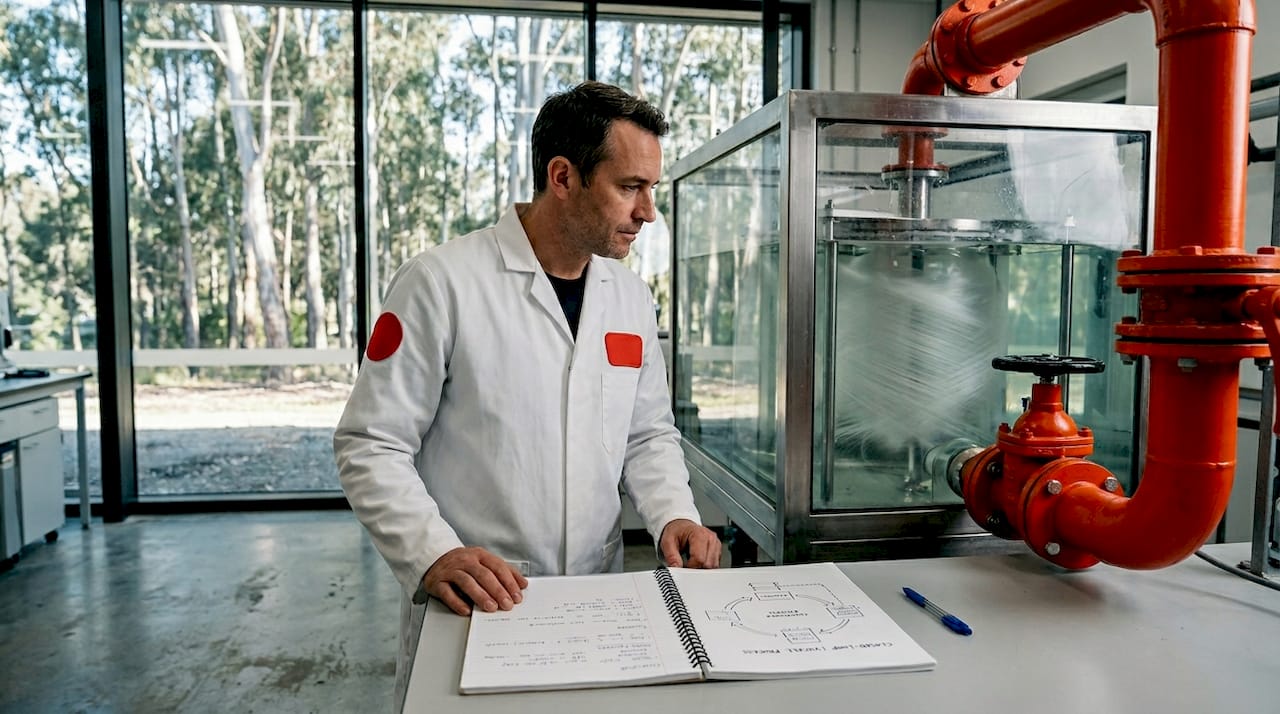
The environmental case for lyocell is strong. TENCEL lyocell production uses at least 50% less carbon emissions and water than conventional alternatives, and the fibers are fully biodegradable and compostable. That’s not a negligible difference. In practical terms, a pair of lyocell curtains you compost at end of life breaks down in weeks under the right conditions, while polyester alternatives sit in landfill for two centuries.
Certifications to look for when purchasing lyocell:
The limitations are real too, and worth knowing before you commit to lyocell for a project. The fiber can fibrillate when wet if untreated, which means tiny surface fibers lift and create a fuzzy, slightly pilled appearance after washing. Some lyocell fabrics are treated to prevent this; some are not. You also need to verify that the wood pulp was sourced from certified forests, because not every producer meets that bar.
Quick pros and cons of lyocell:
Pros:
Cons:
Pro Tip: Before you buy, always check product labels or retailer descriptions for FSC or PEFC certification. A guide to sustainable fabrics can help you read those labels accurately so you’re not relying on vague “eco” marketing language.
For context on how lyocell compares to completely different sustainable material categories, browsing other eco-friendly materials like cork or hemp gives you a wider picture of your options.
Armed with the facts about lyocell’s strengths and limitations, let’s look at how you can put this fabric to work in your next project.
Lyocell’s combination of softness, moisture management, and natural drape makes it one of the most versatile sustainable fabrics available to crafters and sewists today. It performs especially well in applications where comfort and breathability matter as much as visual appeal.
Moisture-managing applications in humid climates or activewear projects are ideal use cases, because lyocell absorbs and releases moisture efficiently without holding dampness against the skin or the surface it’s protecting. That makes it a practical choice for bedroom textiles, including sheets and pillowcases, as well as window treatments in rooms where humidity fluctuates.
Project ideas where lyocell excels:
When it comes to sewing with lyocell, a few practical steps will save you frustration:
Use a sharp microtex or universal needle (size 70/10 or 80/12) to avoid snagging the fine fibers. Always pre-wash your lyocell before cutting, because it can shrink by 3 to 5 percent on first wash. If you’re working with a lightweight lyocell, handle it minimally to avoid stretching on the bias. Press with a medium iron temperature and use a pressing cloth to protect the surface.
For guidance on selecting sustainable fabrics that fit both your project requirements and your values, comparing lyocell to other natural options by weight, weave, and finish helps you find the right match without guesswork.
Pro Tip: Blending lyocell with cotton or linen adds structural durability to projects that need more body. A 70/30 lyocell-cotton blend gives you the best of both: lyocell’s softness and moisture performance alongside cotton’s familiar weight and washability. You can also check out animal-free textile options if you want to keep your entire project free from animal-derived materials.
Most articles about lyocell follow a predictable path: describe the closed loop, praise TENCEL, mention biodegradability, and call it a day. That narrative is not wrong, but it’s incomplete in ways that matter to anyone trying to build a genuinely sustainable creative practice.
Here’s what often gets glossed over: not all lyocell facilities operate at the same environmental standard. The closed-loop solvent recovery system is the defining feature of lyocell production, but energy use at the spinning and finishing stages varies considerably between manufacturers. Some facilities still rely heavily on non-renewable energy sources, which means the carbon advantage of lyocell over viscose shrinks when energy sourcing is factored in. The fiber isn’t automatically green just because it uses a better solvent.
Transparency is where the real work happens. A producer who openly discloses wood sourcing certifications, solvent recovery rates, and energy sourcing is a fundamentally different proposition from one that simply labels a product “lyocell” without any supporting documentation. When you’re choosing fabric with sustainability trends in mind, demanding that level of disclosure is a reasonable standard to hold.
The moisture management aspect of lyocell also deserves more credit than it usually gets in sustainability discussions. In practical crafting and home decor terms, a fabric that performs well over years of use without needing replacement is a sustainability win that doesn’t show up in any production emissions calculator. Lyocell’s durability and comfort mean that textiles made with it simply last longer in real use, reducing the frequency of replacement and the consumption that goes with it.
The honest picture of lyocell is this: it’s among the best options available for cellulose fiber sourcing and production, but “best available” is not the same as “perfect.” Treat it as a strong default choice for sustainable projects while continuing to ask questions about sourcing and manufacturing from every supplier you work with.
If this overview has you ready to start working with lyocell, you don’t need to search far for quality options. At fabric-fabric.com, you’ll find a curated selection of sustainable and stylish fabrics sold by the yard, including lyocell and TENCEL options that work beautifully for sewing, home decor, and craft projects of every scale.
Whether you’re sourcing fabric for a bedroom refresh, a new garment, or an ambitious DIY project, browsing the home decor fabric collection gives you a clear starting point for finding materials that match both your aesthetic vision and your sustainability values. For creative projects that need versatile, visually striking textiles, the backdrop fabric options section is worth exploring too. Quality sustainable fabric is available, accessible, and ready to use.
TENCEL is a branded lyocell fiber produced by Lenzing AG, but the term “lyocell” refers to the fiber category itself, regardless of which manufacturer produces it.
Lyocell typically has a significantly lower environmental impact than viscose or modal, primarily because lyocell uses non-toxic solvents in a closed-loop process rather than the toxic, open-loop methods used for viscose production.
Lyocell is ideal for bedding, curtains, apparel, and activewear because its moisture-managing applications in humid climates make it consistently comfortable and breathable across a wide range of uses.
Machine-washable lyocell should be washed on a gentle cycle in cold water and line-dried to preserve the fiber structure, prevent fibrillation, and maintain the fabric’s natural drape over time.
Only lyocell made from certified sustainable wood sourcing verified by FSC or PEFC standards can be considered reliably sustainable; always check product labeling before purchasing.