

 Canadian Dollars

What is Flannel? Understanding Its Fabric and Uses
Posted by BLG on 2025 Sep 26th
Posted by BLG on 2025 Sep 26th


Flannel is everywhere from your favorite winter shirt to plush bedding that feels like a warm hug on a cold morning. Most people think flannel is simply about softness and warmth, nothing more. Yet the secret lies in its structure. Flannel’s napped finish traps tiny air pockets, turning a single layer into an unexpected heat shield that can rival bulkier fabrics. That’s just one reason this fabric has stayed popular for centuries and there’s a lot more beneath the surface than you might expect.
| Takeaway | Explanation |
|---|---|
| Flannel is a versatile fabric. | It can be used in clothing, bedding, and home decor due to its adaptability. |
| Flannel offers exceptional warmth and comfort. | The napped surface traps air, providing insulation that retains body heat, making it ideal for cold weather. |
| Flannel has various material compositions. | Common types include cotton, wool, and synthetic, each offering unique benefits such as softness or affordability. |
| Flannel is historically significant. | Originating in 17th century Wales, it evolved from a practical textile to a global fashion staple. |
| Flannel’s structure impacts its uses. | Its weaves and napping processes enhance insulation and durability, affecting suitability for different applications. |
Flannel is a unique textile with a rich history and distinctive qualities that set it apart from other fabrics. Britannica defines flannel as a soft, woven fabric that has been cherished for generations due to its exceptional warmth and comfort.
Traditionally, flannel was crafted exclusively from wool, providing exceptional insulation for workers and outdoor enthusiasts. Today, the fabric has evolved to include multiple material compositions
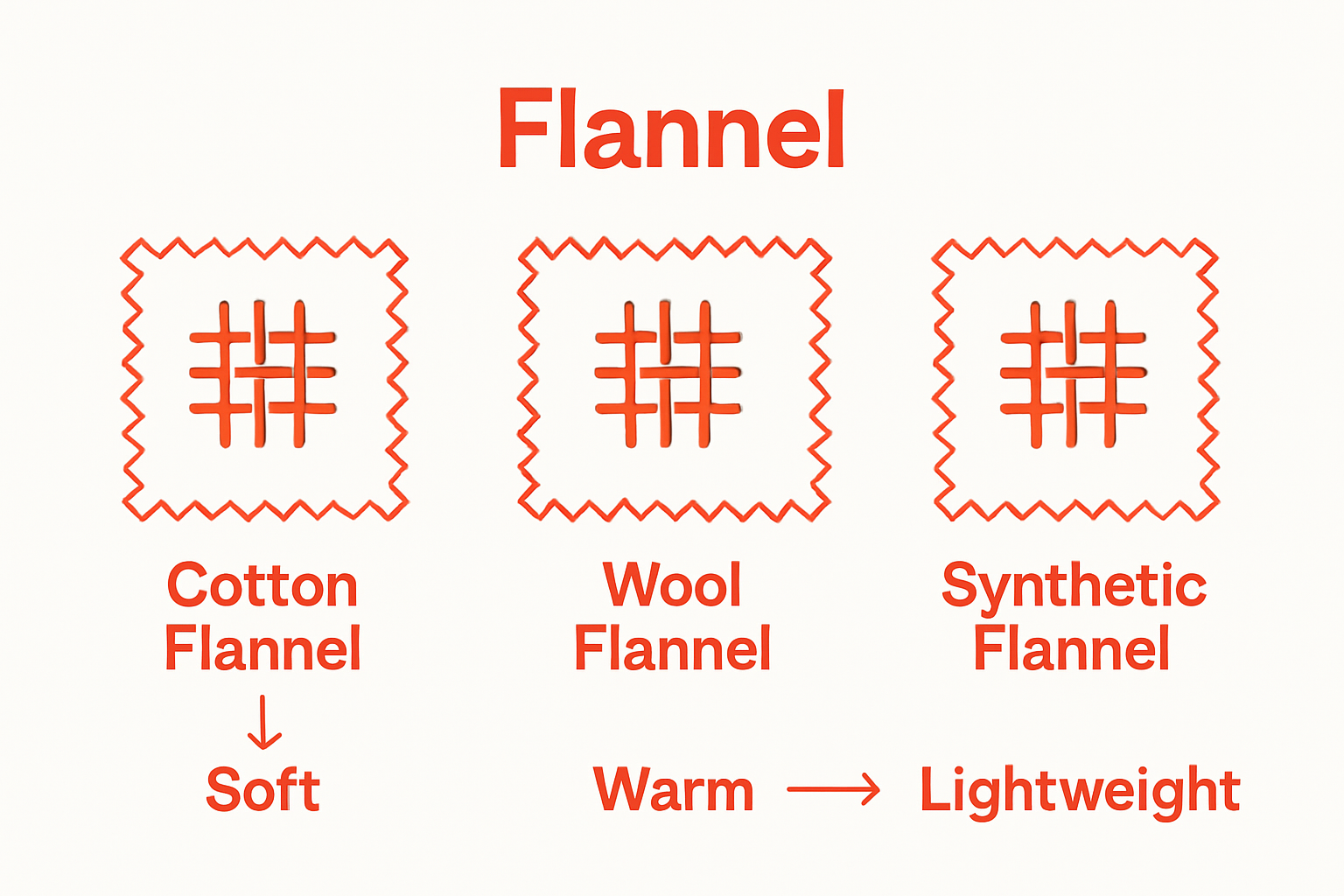
Here is a comparison of common flannel material types, summarizing their composition and unique qualities for easier selection.
| Flannel Type | Composition | Key Qualities |
|---|---|---|
| Cotton Flannel | 100% Cotton | Soft, breathable, ideal for clothing and bedding |
| Wool Flannel | 100% Wool | Superior warmth, durable, traditional material |
| Synthetic Flannel | Polyester or Blends | Lightweight, more affordable, maintains warmth |
| Cotton-Wool Blend | Cotton & Wool Mix | Balanced softness and insulation, versatile |
 :
:
The hallmark of flannel is its napped surface, created through a specialized brushing process that raises fine fibers from the base fabric. This technique generates the signature soft, fuzzy texture that makes flannel instantly recognizable and incredibly comfortable.
Flannel stands out from other fabrics through several unique characteristics. Textile Learner highlights that its napped finish not only provides aesthetic appeal but also functional benefits. The raised fibers trap air, creating an insulating layer that helps retain body heat.
The fabric can be woven in different patterns, including plain weave and twill weave, which impacts its texture and appearance. Twill weave flannel, for instance, features a diagonal ribbed texture that adds visual interest and structural strength to the material.
When selecting flannel, crafters and designers appreciate its versatility. The fabric works wonderfully for winter clothing, cozy blankets, comfortable bedding, and even home decor elements like throw pillows and curtains. Its ability to provide warmth without excessive weight makes it a preferred choice for multiple applications.
The following table outlines the unique structural features and benefits that distinguish flannel from other textiles.
| Feature | Description | Benefit to User |
|---|---|---|
| Napped Surface | Raised by brushing to create a fuzzy finish | Enhances softness & warmth |
| Air-Pocket Insulation | Fibers trap air within the fabric | Retains body heat |
| Weave Patterns | Plain and twill weaves control texture & strength | Aids durability & appearance |
| Lightweight Feel | Warm without being bulky | Suitable for many applications |
| Soft Handfeel | Gentle against skin | Increases comfort |
Flannel has secured its place as a beloved fabric across multiple domains, from fashion to home decor. Its enduring popularity stems from a combination of practical benefits and aesthetic appeal that transcends generations and cultural boundaries.
Scientific American explains that flannel’s unique construction provides exceptional thermal insulation. The raised fibers create tiny air pockets that trap heat close to the body, making it an ideal material for cold weather clothing and home textiles.
The fabric’s softness contributes significantly to its comfort factor. Unlike many synthetic materials that can feel stiff or scratchy, flannel offers a gentle, almost therapeutic touch against the skin. This makes it particularly appealing for:
Flannel’s adaptability sets it apart from more specialized fabrics. Designers and crafters appreciate its ability to transition seamlessly between fashion, home decor, and utility applications. Its robust nature means flannel garments and textiles can withstand repeated washing and wear without significant degradation.
Textile School notes that the fabric’s weave structure contributes to its long lasting quality. Whether made from cotton, wool, or synthetic blends, flannel maintains its structural integrity and aesthetic appeal over time.
Beyond its practical attributes, flannel carries cultural symbolism. It represents comfort, ruggedness, and a connection to traditional craftsmanship. From lumberjack shirts to cozy cabin blankets, flannel evokes a sense of authenticity and timeless style that resonates with people across different backgrounds.
The fabric’s popularity in fashion cycles demonstrates its ability to remain relevant. Designers continually reinvent flannel, creating everything from high fashion runway pieces to casual streetwear, proving that its appeal is both functional and fashionable.
Britannica reveals that flannel has a fascinating historical trajectory rooted in the rugged landscapes of Wales during the 17th century. What began as a practical wool fabric for working populations has transformed into a global textile phenomenon with deep cultural significance.
The origins of flannel can be traced to Welsh textile workers who needed a durable, warm fabric to withstand harsh weather conditions. Wool from local sheep was meticulously woven and brushed to create a soft yet robust material that could protect workers from cold and moisture.
During the Industrial Revolution, flannel production underwent significant technological advancements. Mechanized looms and improved textile processing techniques allowed for:
Textile History Review documents how flannel transitioned from a regional Welsh textile to a globally recognized fabric. As European colonization and trade expanded, flannel found its way into diverse cultural contexts, adapting to local needs and preferences.
The 19th and 20th centuries saw remarkable transformations in flannel production. Cotton and synthetic fibers gradually complemented wool, offering lighter weight and more affordable alternatives. This diversification made flannel accessible to broader populations and expanded its use across multiple industries.
Flannel evolved from purely utilitarian workwear to a symbol of cultural identity and fashion statement. Iconic groups like lumberjacks, farmers, and later musicians and counterculture movements embraced flannel as more than just clothing but as a representation of authenticity and rugged individualism.
Today, flannel continues to reinvent itself. Fashion designers regularly incorporate flannel into collections, celebrating its rich texture and versatile aesthetic. From high fashion runways to casual streetwear, the fabric maintains its timeless appeal while continuously adapting to contemporary style trends.
Flannel is more than just a fabric type it represents a sophisticated textile engineering process that transforms ordinary woven materials into extraordinary, comfortable textiles. Textile School explains that the magic of flannel lies in its unique manufacturing technique.
The initial stage of creating flannel begins with fundamental weaving techniques. Manufacturers typically use two primary weave structures:
These foundational weaves determine the initial fabric characteristics, providing a canvas for the transformative napping process that follows.
The base weave influences the fabric’s initial strength, drape, and potential for texture enhancement.
The defining characteristic of flannel emerges during the napping technique, a specialized mechanical process that dramatically alters the fabric’s surface. Textile engineers use fine metal brushes to systematically raise and soften surface fibers, creating the signature fluffy texture associated with flannel.
During napping, fibers are gently lifted and aligned in a uniform direction. This process serves multiple critical functions:
The napping process is not merely aesthetic but represents a sophisticated approach to thermal engineering. By creating microscopic air pockets between raised fibers, flannel generates an exceptional insulating layer that traps body heat effectively.
Manufacturers can control the intensity of napping to achieve different fabric weights and textures. Lighter napping produces a subtle, smooth flannel, while more aggressive techniques create a more pronounced, fuzzy surface. This flexibility allows flannel to be engineered for diverse applications, from lightweight shirts to heavy winter blankets.
Flannel transcends traditional fabric boundaries, offering remarkable versatility across multiple domains. Textile School highlights its exceptional adaptability in both personal and professional contexts.
In the fashion world, flannel represents more than just a material it symbolizes comfort, style, and cultural expression. Designers leverage its unique properties to create garments that blend functionality with aesthetic appeal.
Flannel clothing spans diverse style categories:
Professional fashion designers appreciate flannel for its ability to transition between rugged utility wear and sophisticated urban fashion. Its texture and warmth make it particularly popular in autumn and winter collections.
Beyond clothing, flannel plays a significant role in home textile design. Its soft texture and insulating properties make it an ideal material for creating cozy interior environments. Crafters and interior designers utilize flannel in multiple home applications:
Flannel’s utility extends into specialized industrial and professional domains. Its durability and thermal properties make it valuable in contexts ranging from medical applications to professional workwear.
Industrial professionals appreciate flannel for its:
From rugged outdoor equipment to refined interior design, flannel continues to demonstrate its remarkable adaptability. Its enduring popularity stems from an extraordinary ability to merge comfort, functionality, and aesthetic appeal across multiple disciplines.
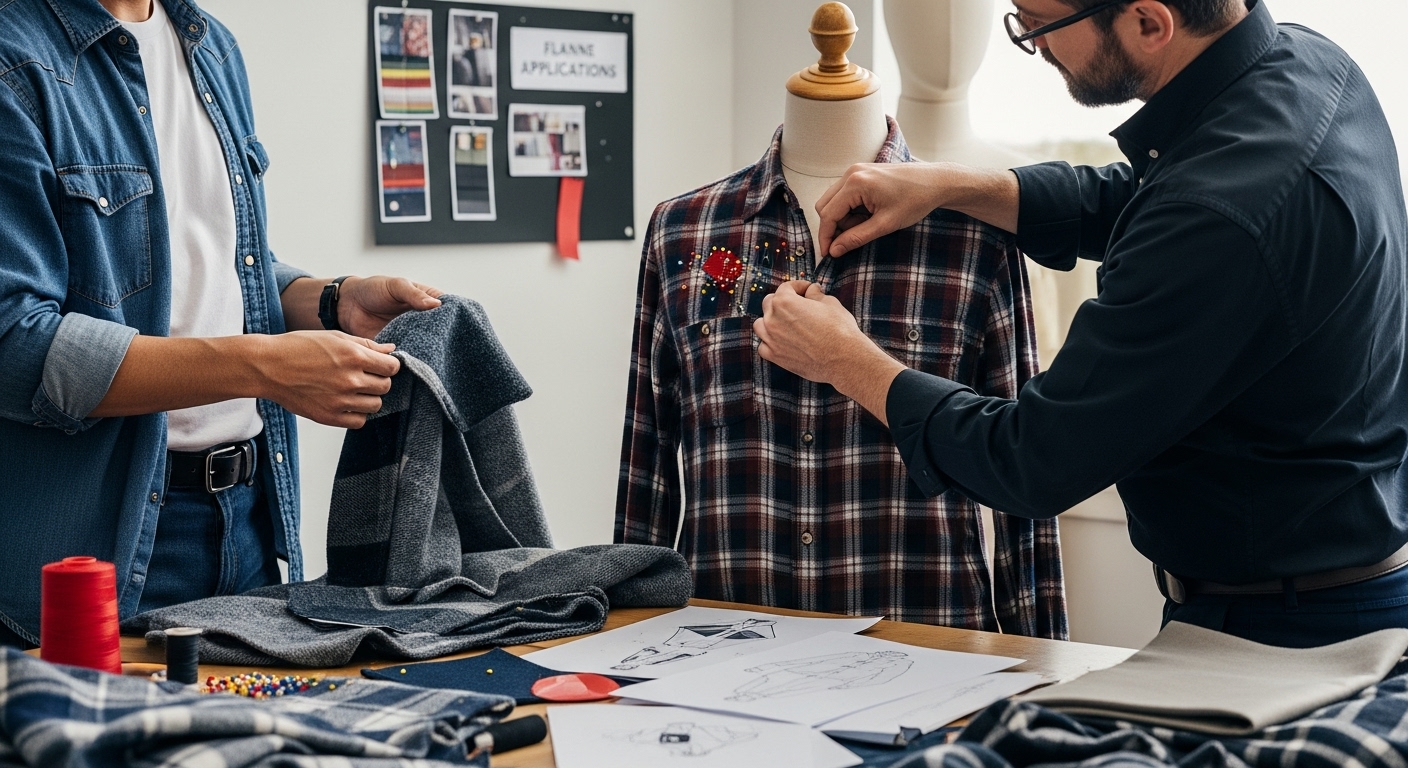
Are you searching for that perfect fabric that combines warmth, softness, and long-lasting durability for your clothing, home decor, or craft projects? After reading about flannel’s unique napped texture and its ability to deliver comfort and style, it is time to experience these qualities for yourself. Many makers and designers struggle to find materials that are both cozy and reliable, especially when transitioning from inspiration to finished project. Our site bridges that gap by offering a wide variety of premium textiles perfect for every application described in this article.
Transform your ideas into reality today. Visit fabric-fabric.com to shop flannel and many other quality fabrics, each with detailed descriptions and expert usage tips. Do not wait to add softness and warmth to your next project. Explore your options now and enjoy exclusive discounts available for a limited time.
Flannel can be made from various materials including cotton, wool, and synthetic fibers. Traditional flannel was crafted exclusively from wool, while modern flannel often incorporates cotton for softness and breathability.
Flannel clothing offers exceptional warmth and comfort due to its soft, napped surface that retains heat. It’s ideal for cold weather apparel like pajamas, shirts, and outerwear, and is often preferred for its gentle touch against the skin.
Flannel is created through a weaving process using plain or twill weaves, followed by a napping technique that raises fibers, resulting in a soft, fuzzy texture. This napping process enhances its thermal insulation properties.
Flannel is widely used in home decor for creating cozy items like blankets, curtains, cushion covers, and bedding. Its soft texture and insulating qualities make it suitable for enhancing comfort in living spaces.