

 US Dollar

Deadstock Fabric: Everything You Need to Know
Posted by BLG on 2025 Oct 30th
Posted by BLG on 2025 Oct 30th

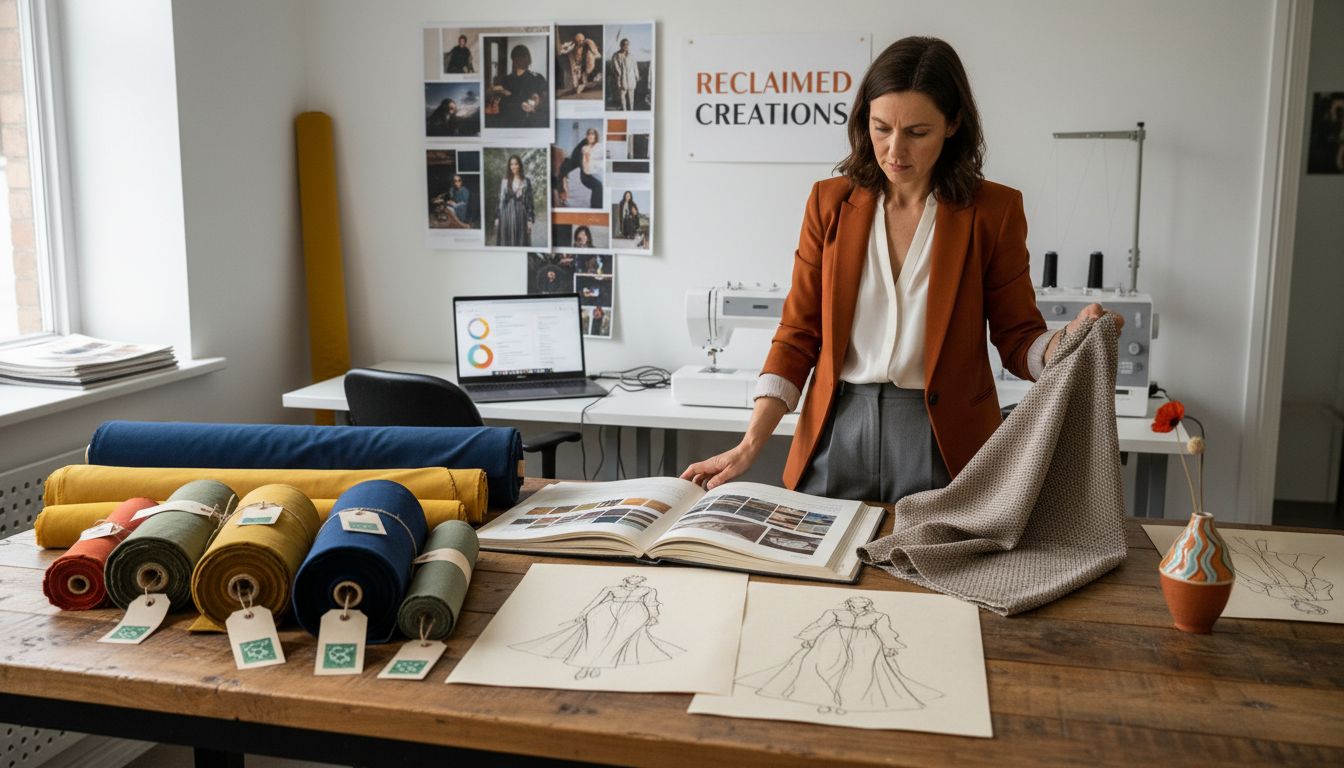
Did you know the global fashion industry discards over 92 million tons of textile waste every year? Deadstock fabric is often seen as a hidden treasure for eco-savvy crafters and designers, but what really sets it apart is the mystery and myth surrounding its sustainability and quality. Learning the real story behind deadstock fabric can help you avoid common misconceptions and make creative choices that truly matter.
| Point | Details |
|---|---|
| Understanding Deadstock | Deadstock fabric refers to surplus textiles from overproduction and manufacturing errors, but not all are sustainable. |
| Diverse Fabric Types | Deadstock includes a variety of natural and synthetic fibers, offering numerous options for creative projects. |
| Benefits of Usage | Utilizing deadstock helps reduce textile waste, conserve resources, and provides unique design opportunities. |
| Risks and Considerations | Challenges include quality inconsistencies, limited quantities, and potential greenwashing practices in the market. |
Deadstock fabric represents surplus textile materials left unused after standard production processes, typically resulting from overproduction, manufacturing errors, or canceled fashion and textile orders. According to Wave PLM, these materials often emerge from scenarios where brands or manufacturers produce more fabric than initially required.
Contrary to popular belief, deadstock fabrics are not automatically synonymous with sustainability. While reusing these materials can prevent textile waste, not all deadstock fabrics are environmentally friendly. Core Fabric Store highlights an important nuance: some textile mills intentionally overproduce, knowing they can sell excess materials as deadstock, which challenges the assumption of inherent ecological benefits.
Key myths surrounding deadstock fabric include:
Understanding these nuances helps crafters, fashion designers, and textile enthusiasts make informed decisions when considering deadstock fabrics for their creative endeavors.
Deadstock fabrics represent a diverse world of textile materials, spanning multiple fiber types, weaves, and production origins. According to Dress24h, these fabrics emerge from various production scenarios, including over-ordering, canceled orders, end-of-roll remnants, and prototype sampling.
Natural and synthetic fibers both play significant roles in deadstock fabric composition. Accio highlights an impressive range of materials, from lightweight cotton voile to luxurious polyester fabrics. The diversity allows crafters and designers multiple options for their creative projects.
Key types of deadstock fabrics include:
Understanding this wide spectrum of deadstock fabrics empowers creators to make informed, sustainable, and creative textile choices for their unique projects.
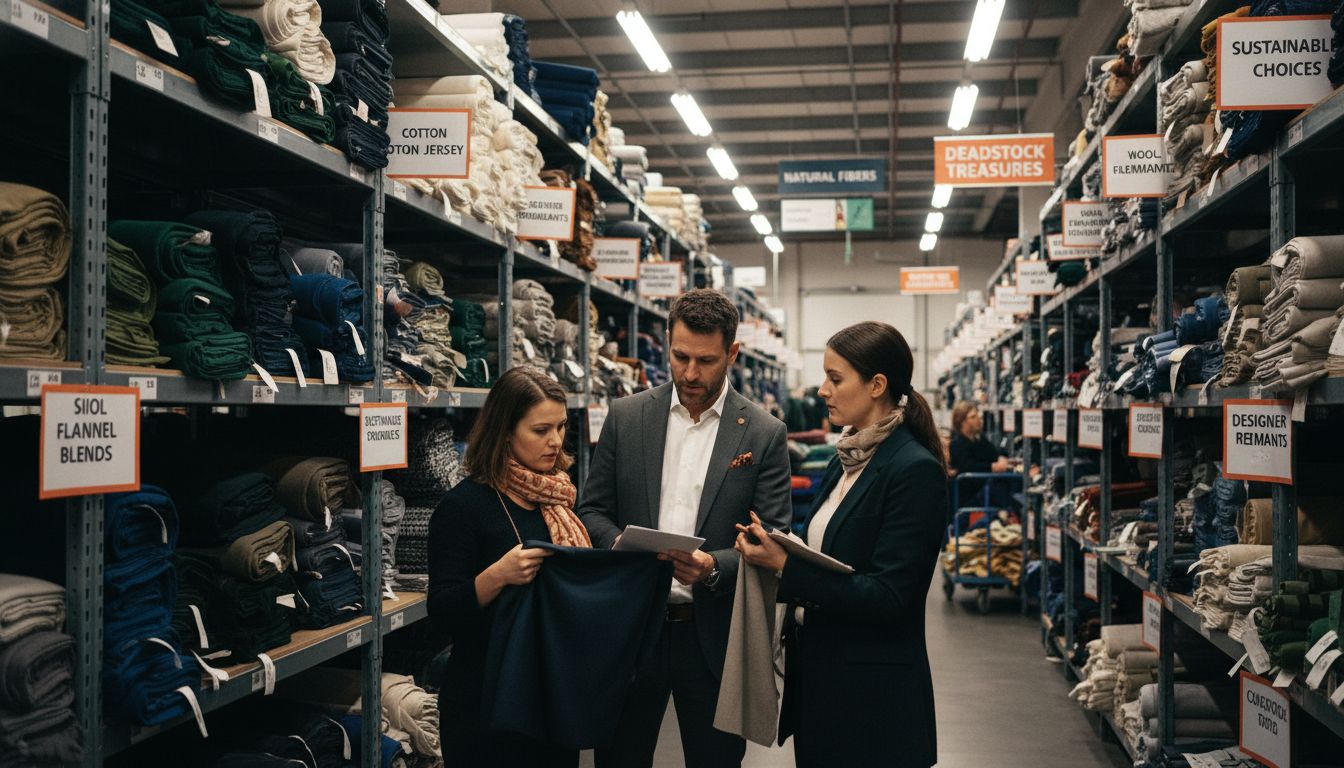
Deadstock fabric sourcing is a complex process that involves rescuing unused textile materials from various points in the production and retail ecosystem. Madi and Pip explains that these materials primarily come from fashion designers and fabric mills, often resulting from overproduction or discontinued product lines that would otherwise be destined for landfills or incineration.
The sourcing channels for deadstock fabrics are remarkably diverse. According to Franky Dune, these materials can emerge from multiple origins, including unsold retailer inventory, manufacturer overproduction, and test fabrics used during prototyping. This variety ensures that designers and crafters have access to a wide range of unique textile materials that might otherwise go to waste.
Key sourcing and utilization methods for deadstock fabric include:
By strategically sourcing and repurposing these fabrics, designers and crafters can create unique products while simultaneously reducing textile waste and promoting a more sustainable approach to material consumption.
Deadstock fabric represents a powerful approach to sustainable textile consumption, offering significant environmental and creative advantages. Guaja Studio highlights that utilizing these materials prevents unused textiles from ending up in landfills or being incinerated, effectively conserving critical resources like water, energy, and raw materials.
The broader impact of deadstock fabric extends beyond waste reduction. Fibre2Fashion emphasizes that this practice directly addresses the textile industry’s overproduction problem by repurposing surplus materials. This approach not only reduces waste but also represents an emerging sustainable sourcing trend that is gaining significant traction among environmentally conscious designers and brands.
Key benefits of deadstock fabric include:
By choosing deadstock fabrics, crafters, designers, and small businesses can make a meaningful contribution to sustainable fashion while accessing unique and high-quality textile materials.
Deadstock fabric purchasing requires careful navigation of potential challenges and pitfalls. Recovo warns that designers often encounter significant obstacles, including limited material availability and inconsistent fabric quality that can complicate large-scale collection planning.
Good Maker Tales highlights critical risks in the deadstock fabric market, particularly the concerning practice of greenwashing. Some textile mills deliberately overproduce fabrics specifically to sell them as deadstock, undermining genuine sustainability efforts and potentially misleading well-intentioned designers and crafters.
Key risks and considerations when working with deadstock fabrics include:
To mitigate these risks, carefully inspect fabrics, verify sourcing authenticity, and maintain flexible design expectations when working with deadstock materials.
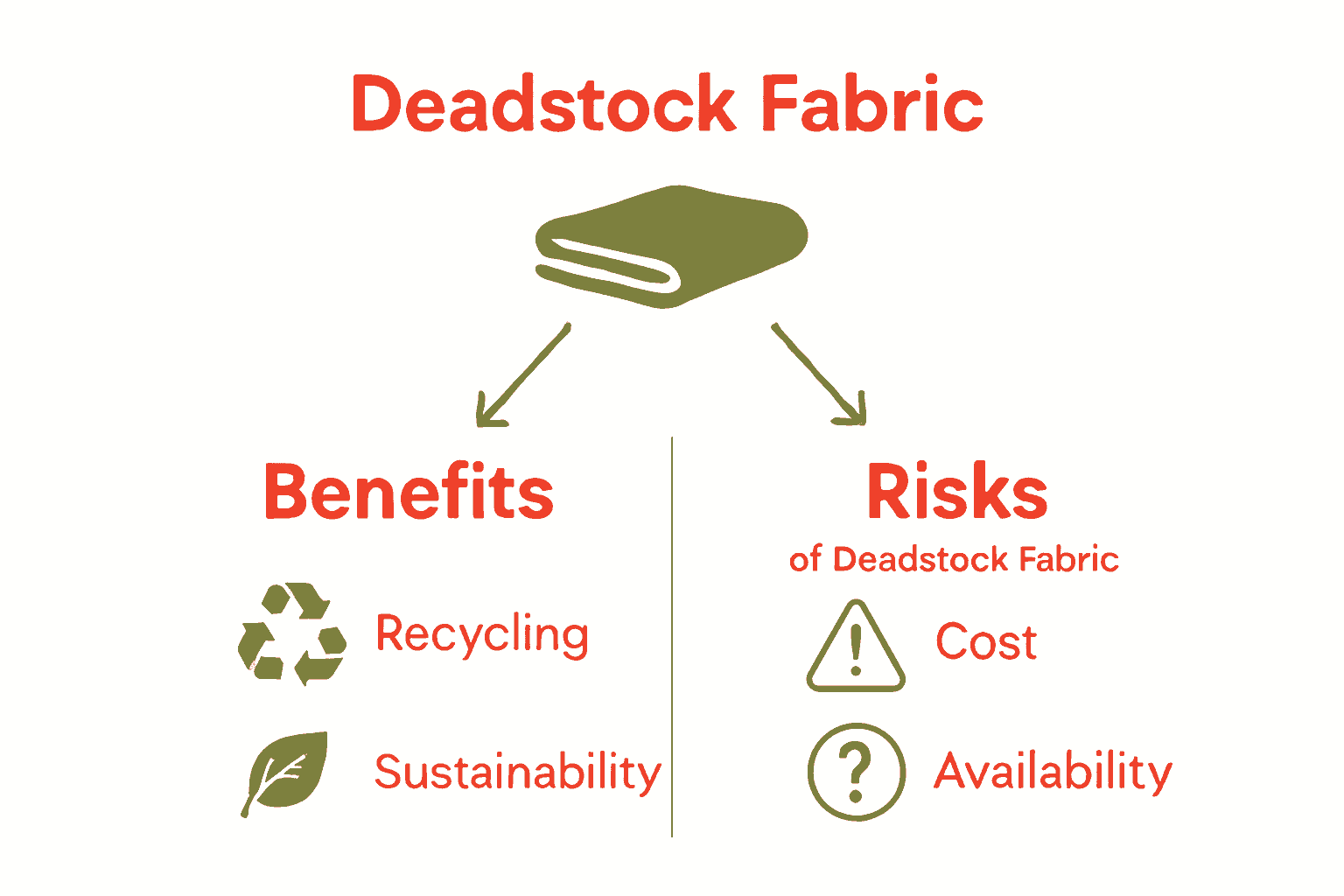
Here’s a summary of the key benefits and risks of using deadstock fabric:
| Aspect | Benefits | Risks and Challenges |
|---|---|---|
| Environmental Impact | Reduces waste Conserves resources |
Risk of greenwashing |
| Material Quality | High-end options possible Unique selections |
Quality inconsistencies |
| Availability | Wide variety Specialty and designer remnants |
Limited quantities Design match limitations |
| Cost | Often more affordable than new fabric | Price inflation due to intermediaries |
| Creative Potential | Enables unique, one-of-a-kind projects | Restricted selection |
If you are exploring the world of deadstock fabric, you already understand the challenges of sourcing unique and sustainable materials while avoiding inconsistent quality and greenwashing. Many crafters and designers want to create standout projects but struggle with limited fabric quantities or unclear sourcing. At Fabric-Fabric, we understand these needs and offer an extensive selection of premium textiles, including versatile options like seersucker, satin, lace, and velvet that are perfect for apparel, quilting, and home décor. Our user-friendly site makes it easy to find the right fabric with transparent product details so you can shop confidently.
Start harnessing creative freedom today by exploring our curated fabric collections at Fabric-Fabric where quality meets affordability. Don’t let uncertainty hold your projects back. Visit our homepage now to discover materials that inspire your best work and enjoy seasonal discounts and promotions for a limited time.
Deadstock fabric refers to surplus textile materials left unused after standard production processes, often due to overproduction, manufacturing errors, or canceled orders.
Not all deadstock fabrics are eco-friendly. While reusing these materials can prevent waste, some may contain synthetic fibers or chemicals that do not align with sustainable practices.
Deadstock fabrics include natural fibers like cotton and silk, synthetic fibers like polyester and nylon, blended fabrics, and specialty materials such as designer samples and unique prints.
Risks include quality inconsistencies, limited quantities that may not support large projects, potential greenwashing practices, inflated prices from intermediaries, and restricted selection that may not align with current design trends.