

 Canadian Dollars

What Is Cotton Poplin Fabric Like? A Clear Guide
Posted by BLG on 2026 Jun 28th
Posted by BLG on 2026 Jun 28th

TL;DR:
- Cotton poplin is a lightweight, crisp fabric made from tightly woven cotton fibers with subtle horizontal ribs. It is commonly used for shirts, uniforms, pillowcases, and craft projects due to its durability and smooth finish. Proper pre-washing and careful ironing are essential to maintain its appearance and prevent shrinking or wrinkling.
Cotton poplin is defined as a lightweight, tightly woven plain-weave fabric made from cotton fibers, known for its smooth surface, subtle horizontal ribbing, and crisp hand feel. If you’ve ever worn a dress shirt that felt cool, structured, and polished all at once, you were almost certainly wearing poplin. Understanding what is cotton poplin fabric like matters whether you’re planning a tailored shirt, a set of pillowcases, or a craft project. This guide covers the weave structure, fiber blends, common uses, and care requirements so you can make a confident choice before you buy.
Cotton poplin is a plain weave fabric with one defining structural quirk: the warp yarns are finer than the weft yarns. That difference in yarn thickness creates the fabric’s signature fine horizontal ribbing. The ribs are subtle enough that the surface still looks smooth, but they give poplin a slight texture you can feel when you run your fingers across it.
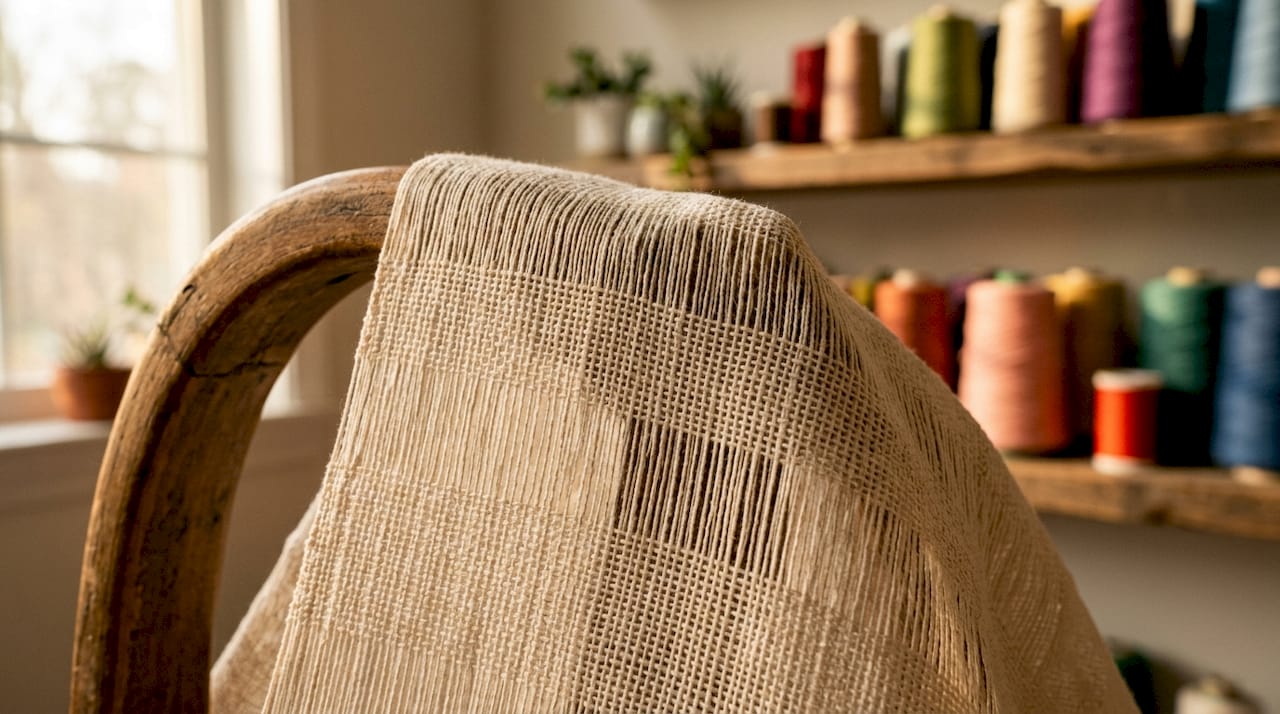
The weave produces a crisp, polished surface that holds its shape well. Poplin’s plain weave with finer warp and thicker weft yarns delivers tensile strength and a subtle texture unique among plain weaves. That strength is why poplin resists abrasion better than looser cotton weaves like voile or lawn.
A typical cotton poplin weighs 90–150 GSM, placing it firmly in the lightweight category. That weight range means the fabric drapes cleanly without going limp. Thread counts span from 40s to 120s, with higher counts producing a softer, more refined surface.
| Feature | Cotton poplin | Cotton twill | Broadcloth |
|---|---|---|---|
| Weave type | Plain weave | Diagonal weave | Plain weave |
| Surface texture | Fine horizontal ribs | Diagonal lines | Very smooth, no ribs |
| Crispness | High | Medium | Medium to high |
| Best use | Shirts, structured garments | Pants, jackets | Dress shirts, linings |
Pro Tip: Run your fingernail lightly across the fabric before buying. On genuine poplin, you’ll feel faint ridges running horizontally. If the surface is completely flat with no texture, it’s likely broadcloth.
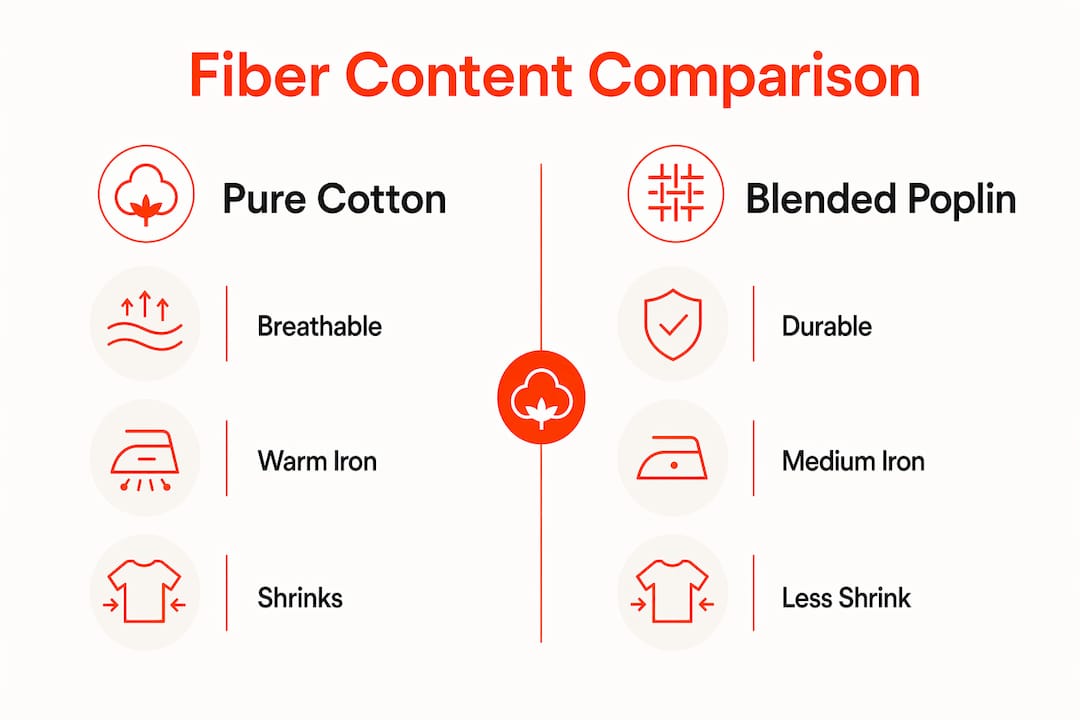
100% cotton poplin is the standard for breathability and natural drape. Cotton fibers absorb moisture and allow air to circulate, making the fabric comfortable in warm weather. The trade-off is that pure cotton poplin wrinkles easily and can shrink on its first wash if you skip pre-washing.
Fabric manufacturers address those drawbacks with two main approaches:
The fiber content directly affects how you care for the fabric. Pure cotton needs a warm iron to look sharp. Poly-cotton blends often come out of the dryer nearly wrinkle-free. Stretch variants with elastane should be washed in cold water to preserve the elastic fibers over time.
Pro Tip: Check the care label for elastane content before ironing. Elastane degrades under high heat, so always use a medium setting and a pressing cloth on stretch poplin.
What is poly poplin fabric, specifically? It’s a poplin woven primarily from polyester fibers rather than cotton, often used for event backdrops, costumes, and craft projects where cost and wrinkle resistance matter more than breathability.
Poplin’s crispness and smooth surface make it ideal for shirts, collars, and tailored garments requiring defined lines. That structural quality is the reason poplin dominates the dress shirt market worldwide. The fabric holds a collar’s shape through a full workday without wilting.
| Project | Why poplin works |
|---|---|
| Pillowcases and sheets | Smooth surface feels comfortable against skin; holds color well |
| Duvet covers | Light enough to layer; crisp finish looks neat |
| Aprons | Durable weave resists staining and repeated washing |
| Cloth dolls and stuffed toys | Tight weave prevents fraying; takes printed designs cleanly |
| Patchwork and quilting | Consistent weight and weave make cutting and piecing predictable |
Cotton poplin is one of the most forgiving fabrics for beginner sewers. Its tight weave resists fraying at cut edges, and its smooth surface makes it easy to mark, cut, and press accurately. For anyone exploring shirt fabric types, poplin is the logical starting point.
Pre-washing cotton poplin before cutting is non-negotiable for sewing projects. Pure cotton can shrink noticeably on its first wash, and a garment cut from unwashed fabric will pucker at the seams after laundering. Wash the fabric once in warm water and tumble dry on medium before you cut a single piece.
Wrinkle management is the main ongoing challenge with 100% cotton poplin. Cotton poplin wrinkles easily and can shrink on first wash, but easy-care finishes or blends with elastane reduce maintenance. If you’re working with pure cotton, remove garments from the dryer while still slightly damp and hang them immediately. That single habit cuts ironing time significantly.
Follow these steps for ironing cotton poplin:
For poly-cotton blends, drop the iron temperature to a medium setting. Polyester fibers can glaze or melt under high heat, leaving a permanent shiny mark. Stretch poplin needs the lowest heat setting and a pressing cloth every time.
Pro Tip: Store cotton poplin garments on hangers rather than folded in a drawer. Hanging prevents deep fold creases that are difficult to iron out, especially in heavier poplin weights.
Cotton poplin is a plain-weave cotton fabric weighing 90–150 GSM, valued for its crisp surface, fine horizontal ribbing, breathability, and versatility across apparel and home textile projects.
| Point | Details |
|---|---|
| Weave structure | Plain weave with finer warp and thicker weft yarns creates subtle ribs and crispness. |
| Weight range | 90–150 GSM makes poplin lightweight but structured enough for tailored garments. |
| Fiber blends | Poly-cotton (60/40 or 65/35) improves wrinkle resistance; 3–5% elastane adds stretch. |
| Best uses | Dress shirts, uniforms, shirtdresses, pillowcases, aprons, and patchwork projects. |
| Care priority | Pre-wash before sewing; iron damp on the wrong side; hang immediately after pressing. |
Most crafters and home sewers reach for cotton poplin almost automatically for shirts and pillowcases, then stop there. That’s a missed opportunity. The fabric’s tight weave and predictable weight make it one of the best choices for structured home decor projects, particularly items like decorative cushion covers and table runners where you want the piece to hold its shape without interfacing.
The stretch poplin trend is worth paying attention to. Adding 3–5% elastane changes the fabric’s personality without sacrificing its clean surface. I’ve seen stretch poplin used for fitted blazers and structured dresses where traditional woven fabrics would have required complex dart work. The fabric does some of that fitting work for you.
One thing I’d caution against: buying the cheapest poly-cotton poplin you can find for apparel projects. The low-end blends often have a slightly plastic feel and don’t press as cleanly as mid-range options. For garments you’ll wear regularly, spending a little more on a quality cotton poplin with a higher thread count pays off in how the finished piece looks and feels.
Sourcing matters too. Look for poplins with thread counts in the 80s or above for apparel. Below that, the weave can feel coarse and the surface loses some of its characteristic polish.
— kev
Fabric-fabric carries cotton poplin fabric by the yard alongside a wide range of textiles for apparel, home decor, and craft projects.
Whether you’re sewing a structured shirt, a set of duvet covers, or a batch of craft items, the right fabric makes the finished piece. Fabric-fabric’s home decor fabric selection includes options well suited to pillowcases, table linens, and decorative projects where poplin’s crisp weave shines. For backdrop and event projects where poly poplin is the practical choice, the backdrop fabrics category covers lightweight woven options by the yard. Browse the full catalog at fabric-fabric.com to find the weight, fiber content, and color that fits your next project.
Cotton poplin feels smooth and slightly crisp with faint horizontal ridges. The surface has a subtle sheen and a firm hand that softens slightly after washing.
Yes. Cotton poplin’s breathability and moisture absorption make it comfortable in warm climates. Pure cotton poplin allows air circulation and pulls moisture away from the skin.
Both use a plain weave, but poplin has finer warp yarns and thicker weft yarns that create visible horizontal ribs. Broadcloth has a completely flat surface with no ribbing and a slightly softer hand.
100% cotton poplin can shrink on its first wash. Pre-washing the fabric before cutting any sewing project prevents finished garments from puckering at the seams after laundering.
Poly poplin, woven primarily from polyester, is used for event backdrops, costumes, and craft projects. It resists wrinkles better than cotton poplin and costs less per yard, but it lacks cotton’s breathability.